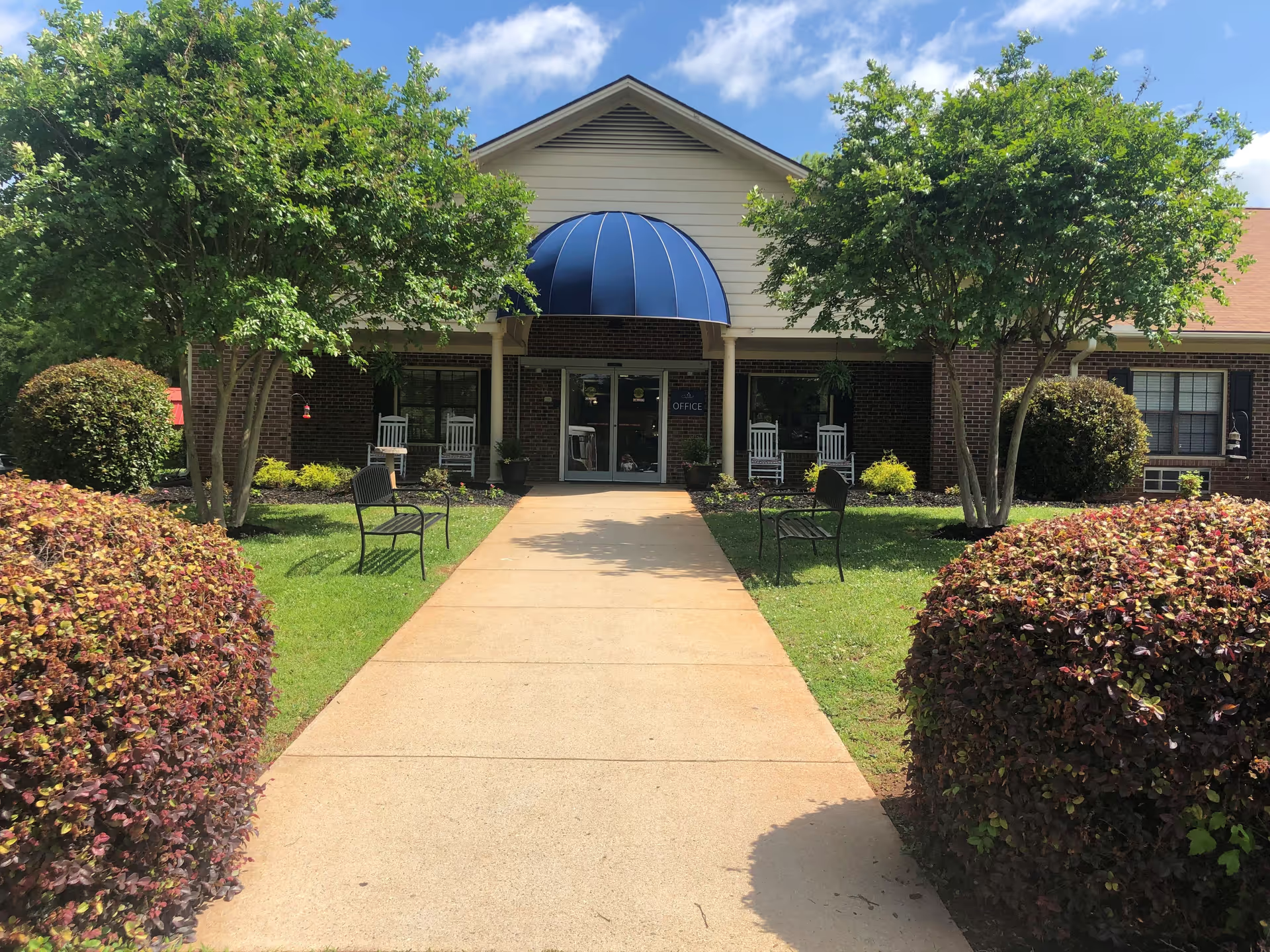
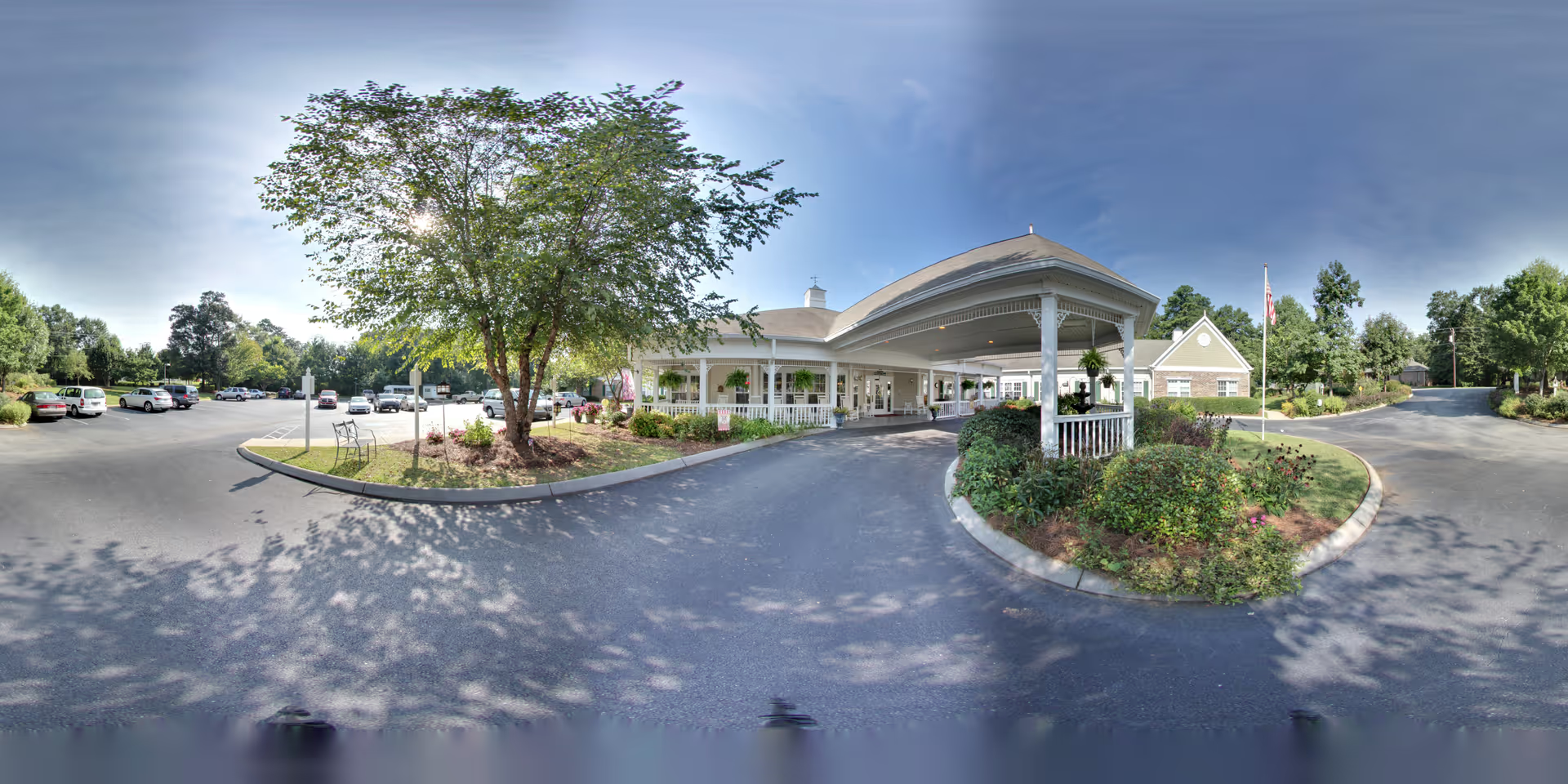
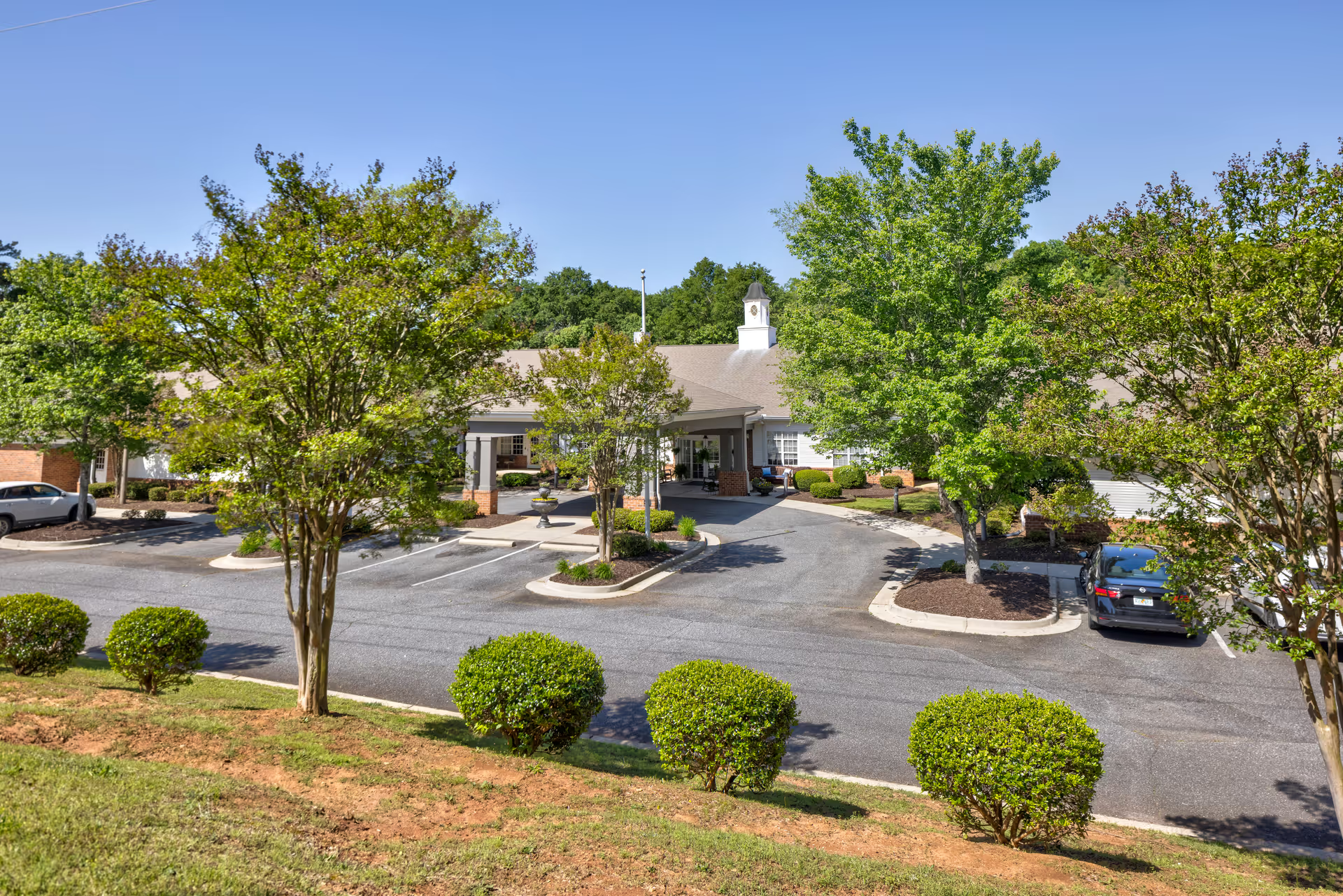
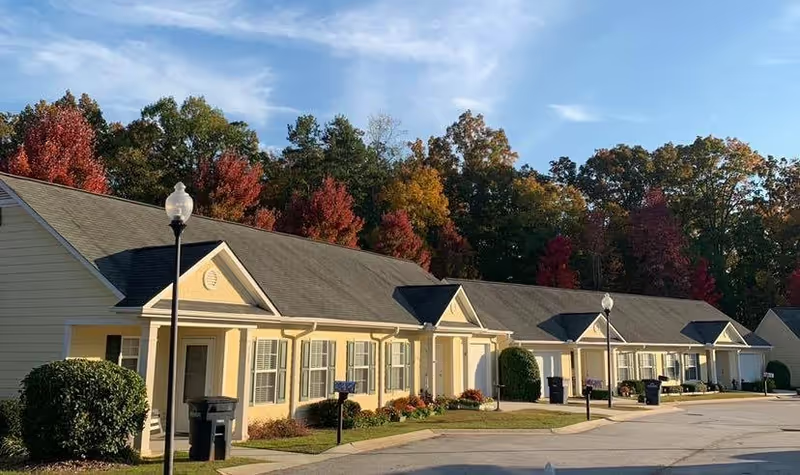
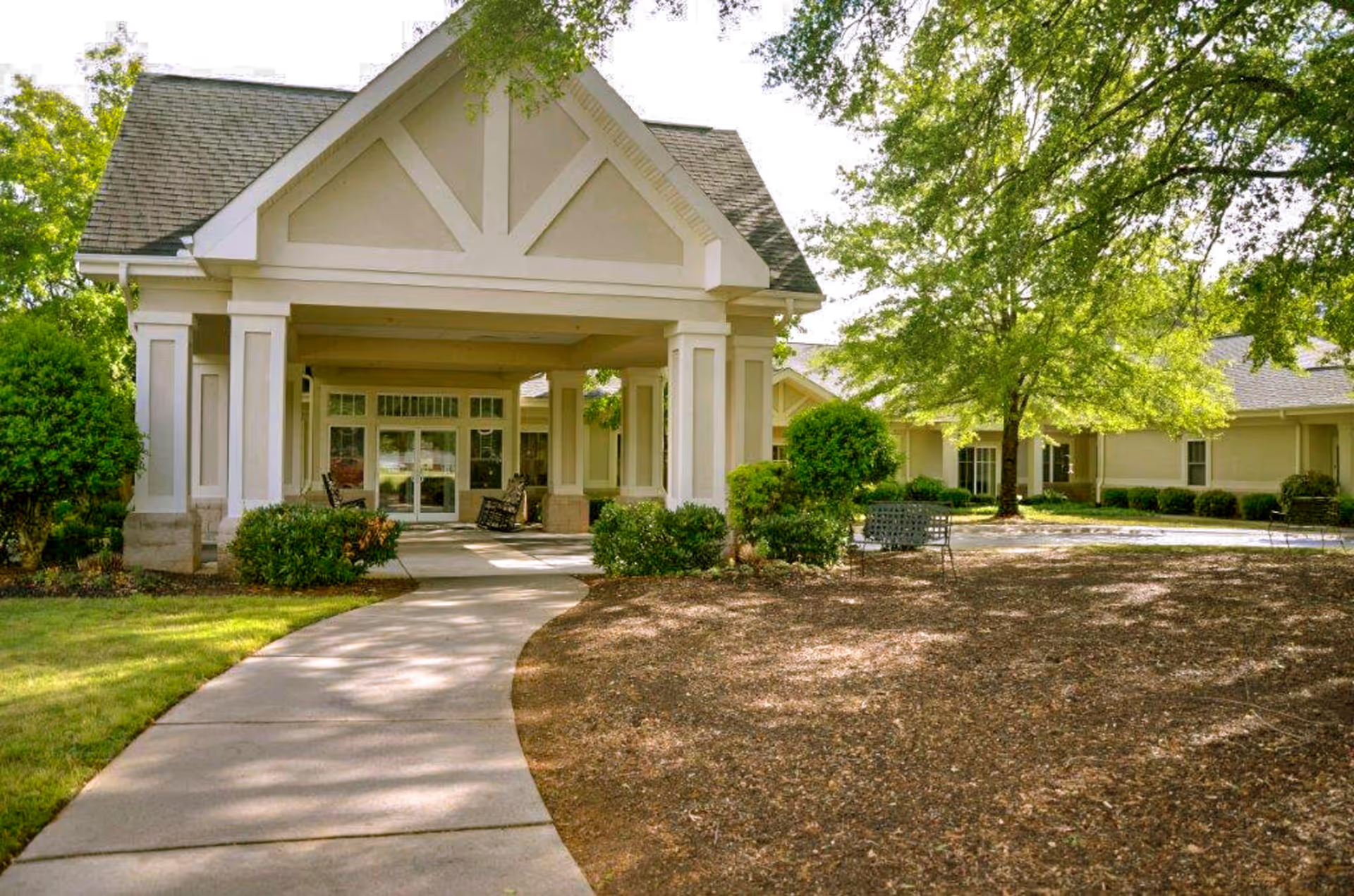
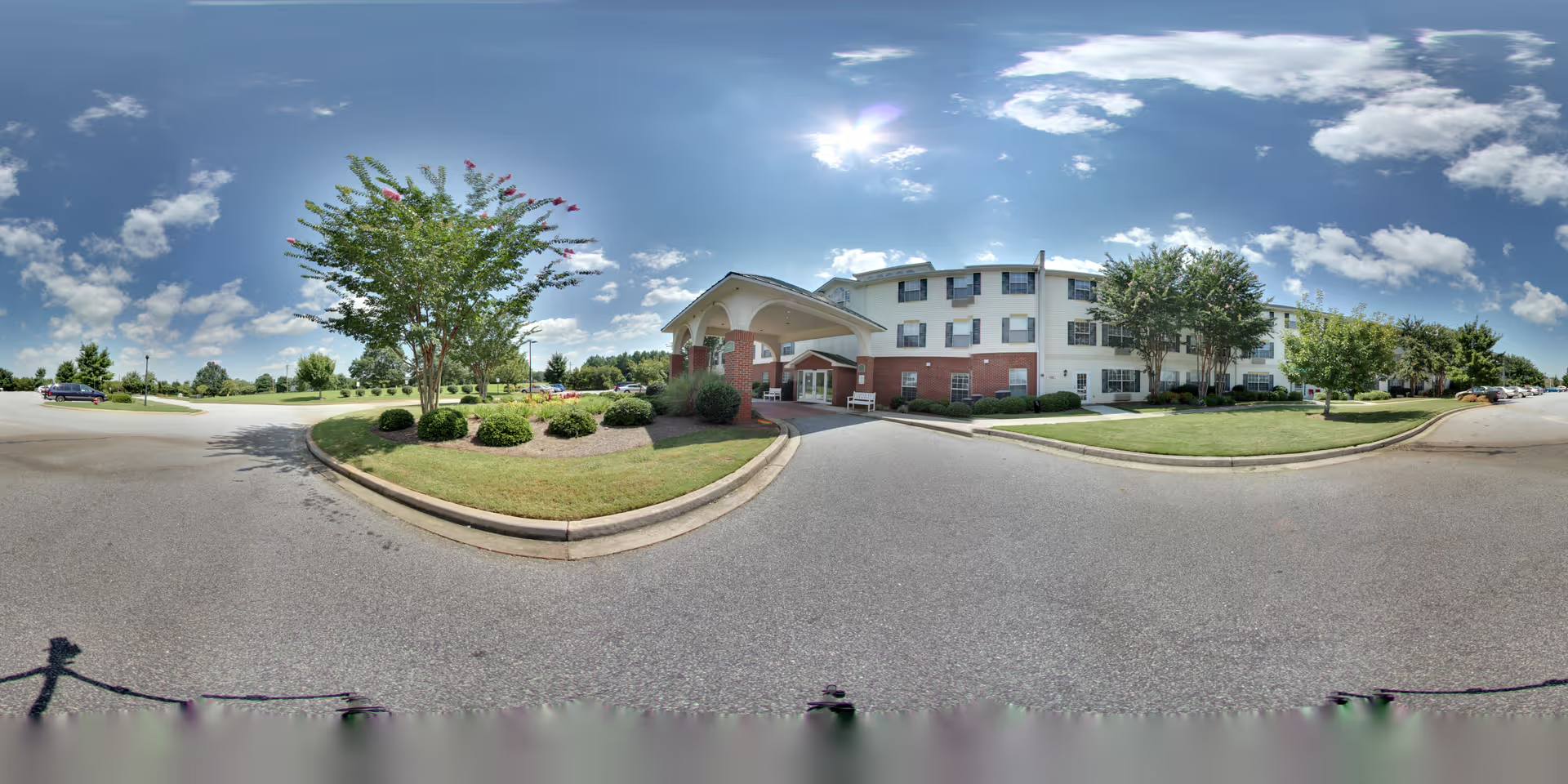
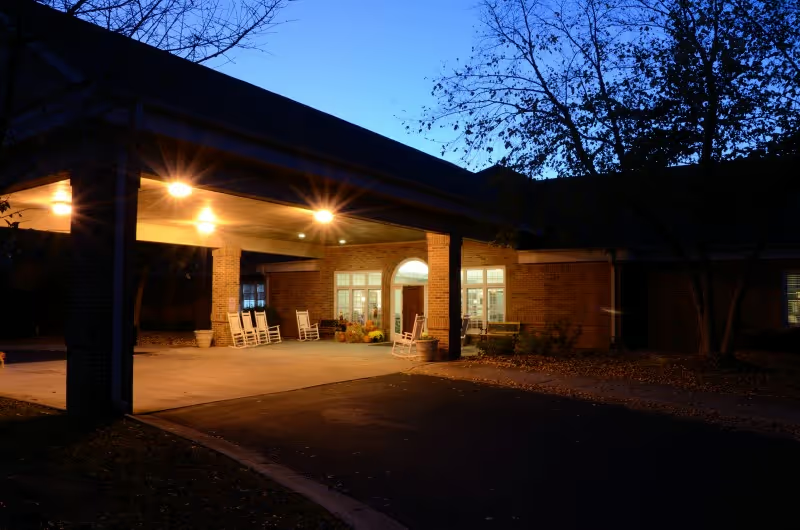
Richard M. Campbell Veterans Nursing Home elicits strongly polarized feedback. A substantial number of families and visitors describe attentive, compassionate care from licensed nurses, CNAs, social workers, and hospice partners; they highlight 24/7 clinical coverage, strong physical‑therapy services, on‑site laundry and pharmacy support (weekday pharmacy technician), and a program of activities and veteran‑focused events that contribute to a welcoming environment. Many accounts emphasize a clean, well‑maintained building and attractive grounds, and several note effective care coordination and social‑work support that aided families during transitions and end‑of‑life planning.
At the same time, there are recurring operational concerns that prospective residents and families should evaluate. Staffing inconsistency and frequent turnover are reported to affect shift coverage, responsiveness, and continuity of care; reviewers linked these staffing gaps to variable performance among frontline aides and inconsistencies in personal‑care routines such as bathing and incontinence management. Several narratives also point to gaps in clinical supervision and oversight, and to communication shortfalls between leadership and families — including delayed responses to emails and calls and uneven family notification during acute events.
Facility operations and amenities receive mixed assessments. The facility's dining program and dietitian oversight are considered strengths by many, though other accounts describe cold meals or inconsistent feeding assistance. Housekeeping and groundskeeping are frequently praised, yet some reviewers referenced sanitation and environmental maintenance inconsistencies (for example, mold around vents and cleanliness concerns in particular rooms or units). On the administrative side, reviewers noted recent changes to insurance or premium plans and expressed confusion about benefits processing and admission eligibility; limited pharmacy technician hours and parking or accessibility constraints were also cited as practical limitations.
Serious individual concerns appear alongside the positive feedback. A few families reported significant lapses in coordination during hospital transfers and subsequent end‑of‑life outcomes, and there are specific allegations of property loss. These instances do not reflect the experience described by all families, but they point to the importance of asking targeted questions about incident reporting, property controls, clinical oversight, and family communication when evaluating the facility.
Overall, Richard M. Campbell displays clear strengths as a veteran‑focused provider with active community engagement, hospice partnerships, rehabilitation services, and a range of supportive programs. However, variability in staffing, supervision, sanitation practices, communication, and administrative processes contributes to an uneven experience. Prospective residents and their families should tour the facility, observe unit cleanliness and staff–resident interactions, clarify staffing ratios and overnight/weekend coverage, review medication and property‑security protocols, confirm pharmacy‑service hours, and ask about recent corrective actions or quality‑improvement initiatives before making placement decisions.