Life Care Center of Athens consistently receives praise for its clinical and rehabilitative capabilities. Reviewers describe a broadly experienced nursing team, available 24/7, supported by visible nursing leadership and a full complement of in‑house therapy services (physical, occupational, outpatient). Rehabilitation outcomes and timely discharges are frequently highlighted, and the facility’s equipment and connections to a nearby medical center are noted as strengths. Several comments reference positive end-of-life and hospice experiences, suggesting capacity for complex and transitional care.
Staff culture is a prominent positive. Many families and residents describe staff as compassionate, respectful and communicative; CNAs and specific nurses are named for attentive care. Communication with families and coordination around care are commonly described as strong, and admissions and administrative interactions are typically characterized as smooth. The facility’s activity program, outdoor spaces, and welcoming atmosphere are also cited as contributors to resident quality of life.
Dining is generally viewed favorably for its home‑style offerings and varied menu; however, a pattern of inconsistent meal experience appears in the feedback. Concerns center on meal temperature, seasoning preferences, and limited choice at times. Prospective residents may want to ask about current menu options and any accommodations for taste or dietary restrictions.
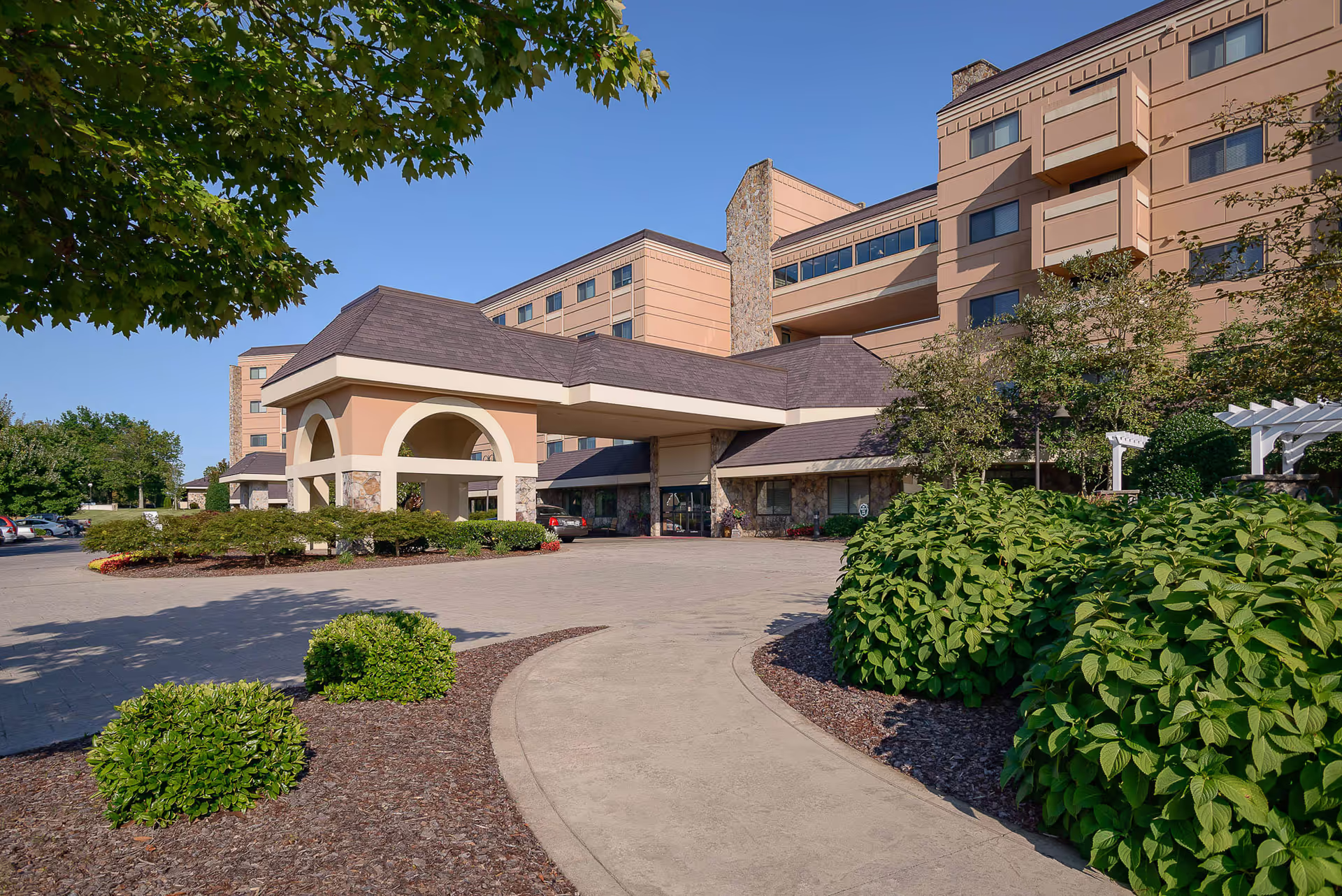
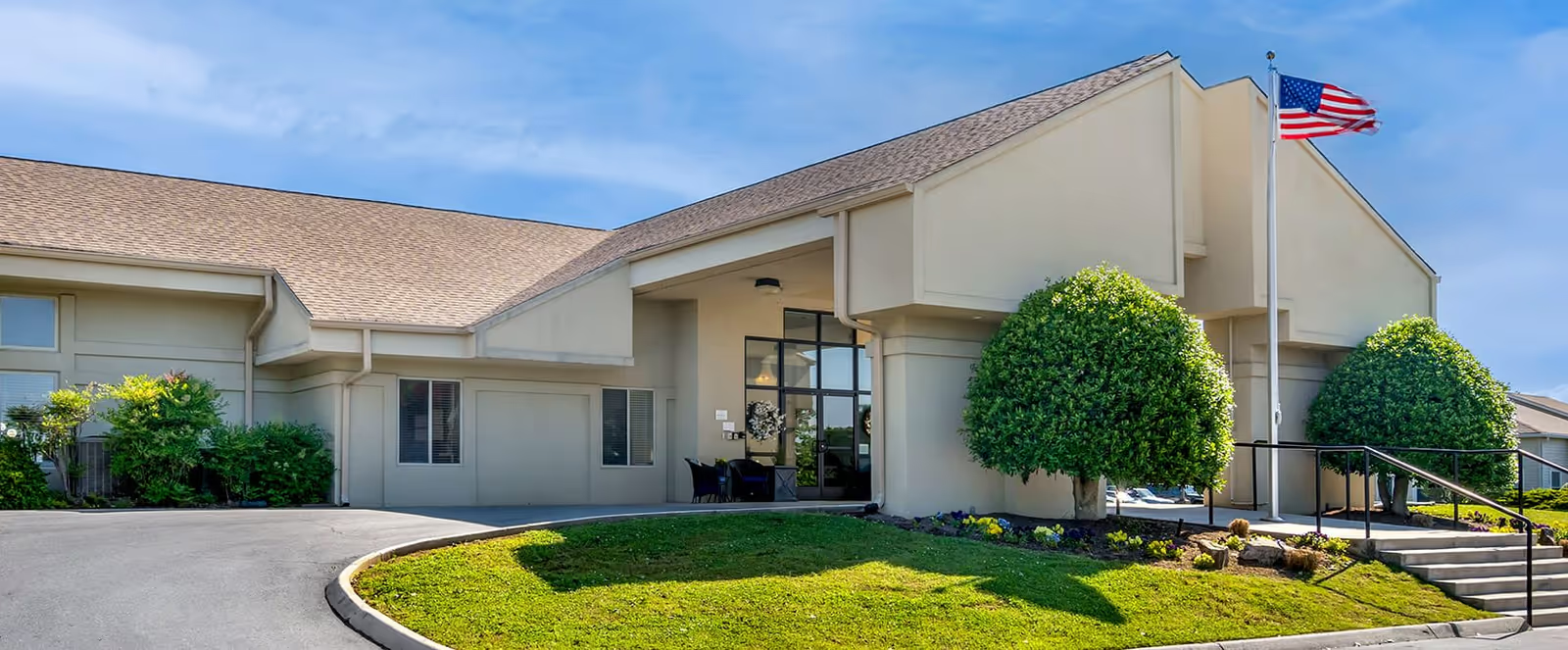
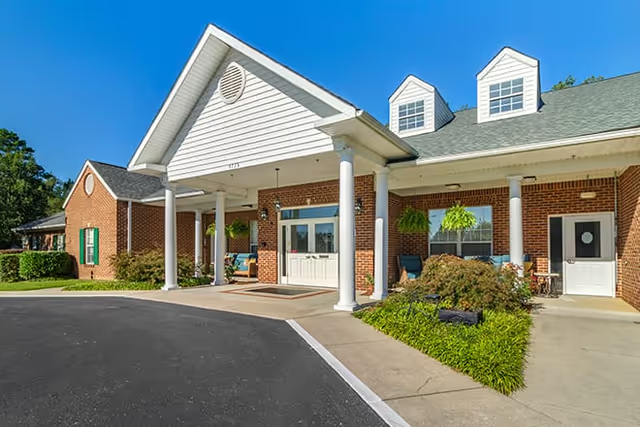
Facility maintenance and cleanliness are regularly praised; many reviewers describe rooms and common areas as clean and well managed. That said, a subset of comments raises operational concerns related to personal‑care routines and incontinence management, including delayed attention to hygiene needs and associated odor-management issues in specific care areas. These descriptions point to intermittent breakdowns in routine care processes rather than a uniformly unsanitary environment.
Memory‑care and supervision also show a mixed picture. There is a secured dementia unit and references to individualized dementia programming, but a number of accounts indicate variable supervision and instances of residents wandering into other rooms. Families considering memory care should review supervision protocols, staffing ratios, and room-security practices during a tour.
Operationally, reviewers note occasional lapses in discharge coordination—most commonly medication reconciliation or prescriptions not being called in promptly—and uneven follow‑through on certain care tasks. While many families praise responsiveness and clear communication, others cite variability in how quickly staff address concerns. Those evaluating the facility should confirm current procedures for medication-discharge workflow, hygiene schedules, and how concerns are escalated.
Overall, Life Care Center of Athens presents as a facility with strong clinical and rehabilitative resources, a generally compassionate and communicative staff, and well‑maintained facilities. The most consistent areas for attention are operational consistency: routine personal-care and incontinence management, memory‑care supervision practices, meal-service consistency, and discharge medication coordination. Prospective residents and family members would be well served by asking targeted questions about those processes and observing staffing patterns in the unit(s) most relevant to their needs during a visit.