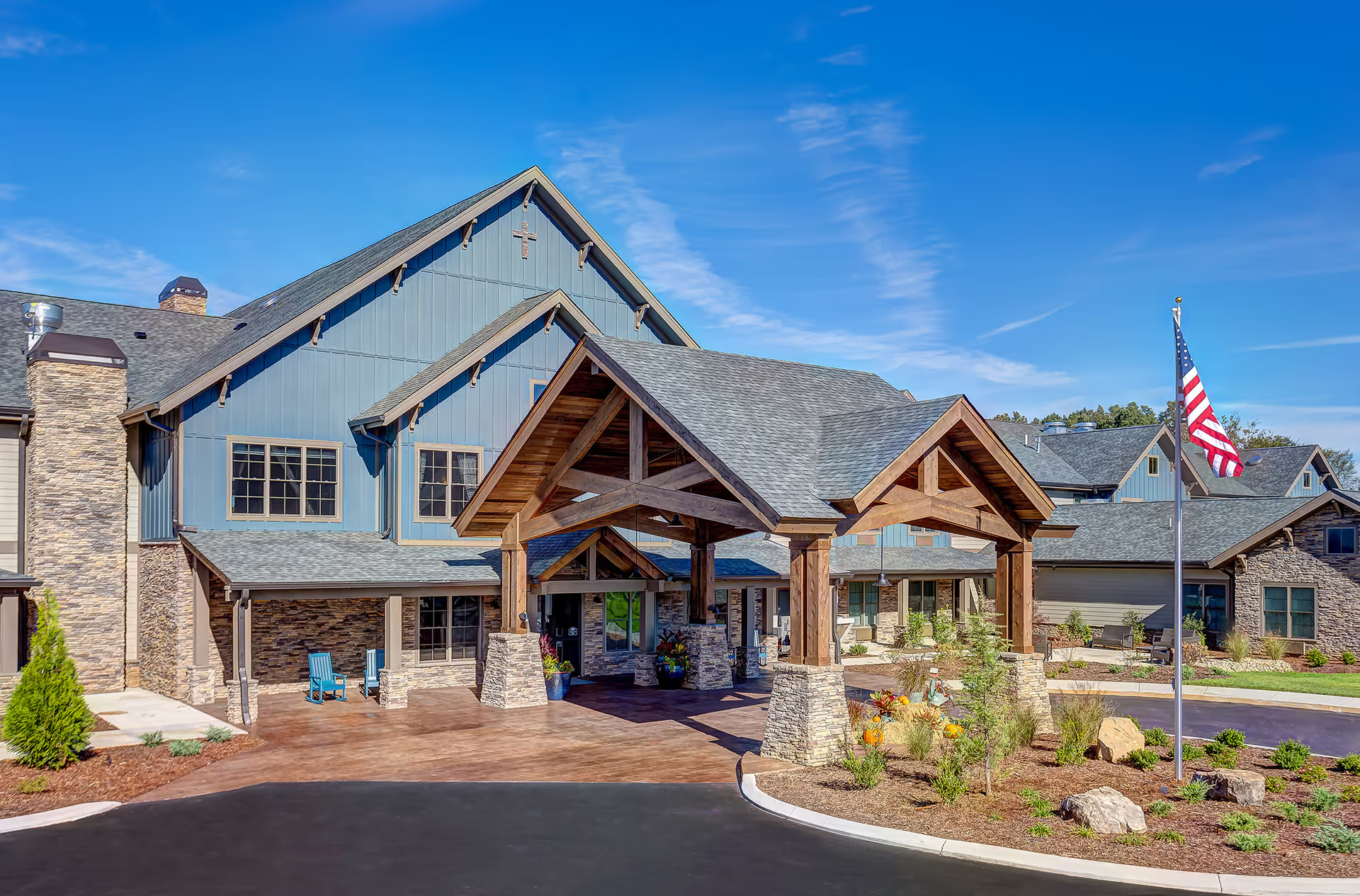
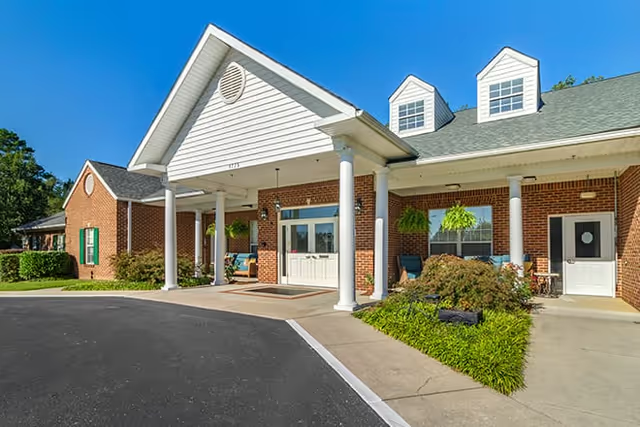
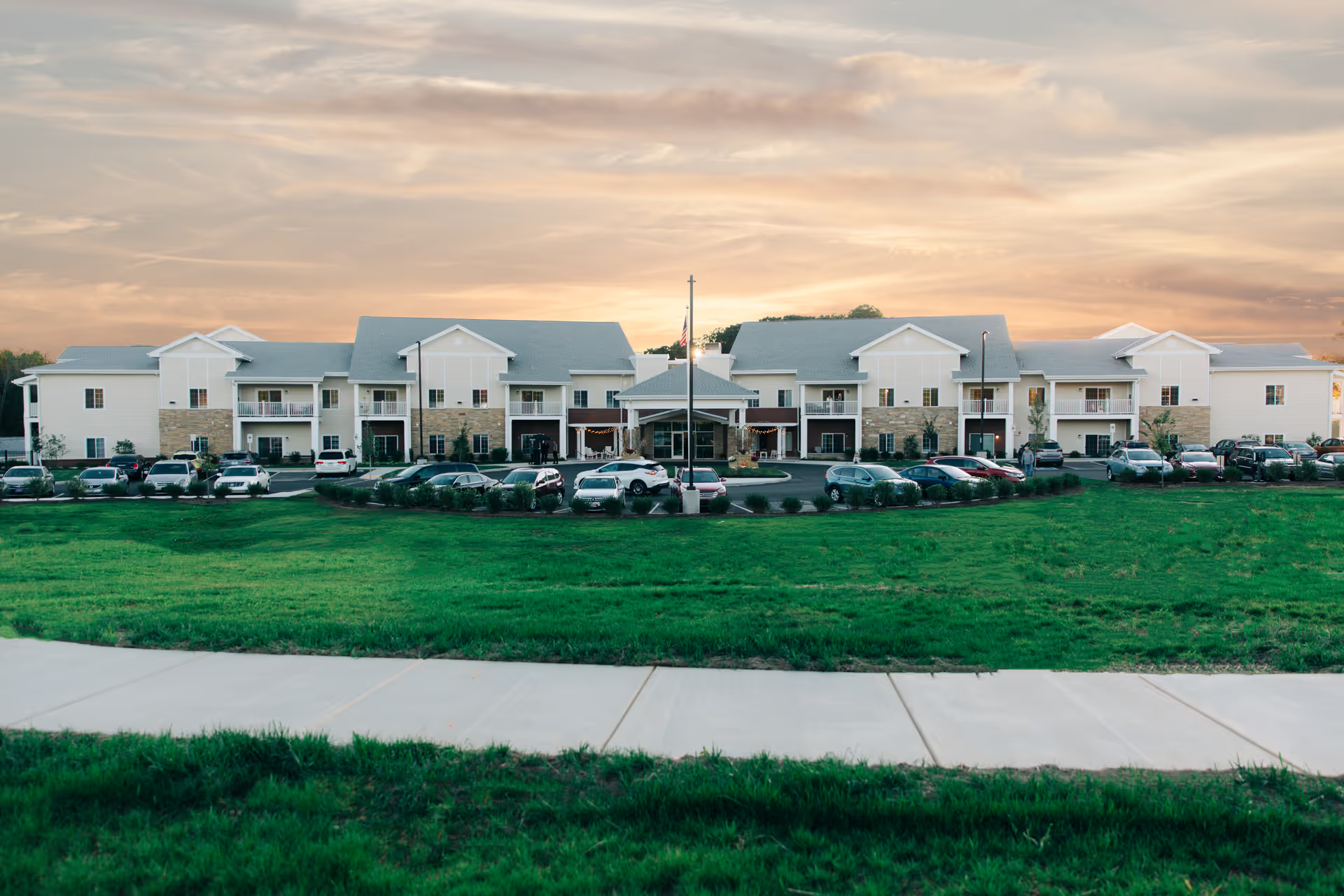
This facility elicits a polarized set of impressions: many families and patients praise the clinical team and therapy program, while other accounts raise substantive operational concerns. Strengths most frequently cited include an experienced therapy staff, a robust short-term rehabilitation program, and hands-on, compassionate care from nursing assistants and nurses. Reviewers commonly described individualized attention, competent dementia care, and attentive end-of-life presence. Dining receives generally positive comments for variety and taste from numerous residents, and several reviewers described a clean, well-kept interior environment.
Care and staffing present a mixed picture. Many reviewers commended CNAs, nurses, and therapists for professionalism, responsiveness, and family communication; therapy leaders and directors were named for strong leadership. At the same time, several reviewers raised concerns consistent with inadequate staffing levels, including delays in attending to basic needs and inconsistent bathing schedules. There are also reports that suggest hydration management and urinary infection rates may be problematic in some cases, indicating potential gaps in routine clinical monitoring and preventative care.
The rehabilitation and therapy offerings are a clear positive: reviewers repeatedly highlighted knowledgeable PT/OT staff, effective individualized therapy plans, and generally safe, well-supported recovery environments. These strengths appear to drive good short-term functional outcomes and are a distinguishing feature of the facility.
Dining feedback is varied but leans positive overall. Many families and residents appreciate the variety and flavor of meals, while a subset described inconsistent preparation quality and instances of missed or poorly executed meals. These accounts imply variability in kitchen processes or meal-service continuity rather than a consistent, facility-wide failure.
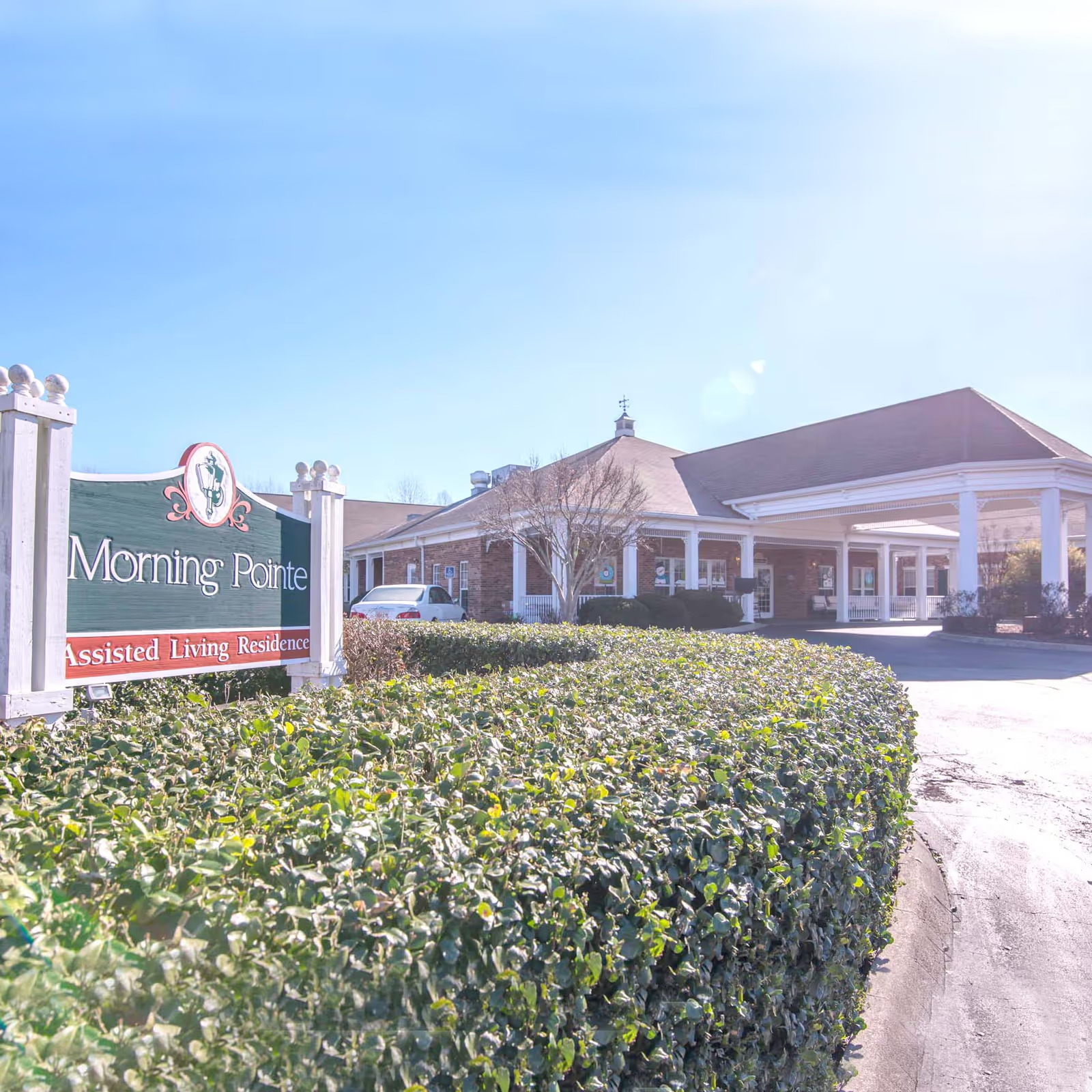
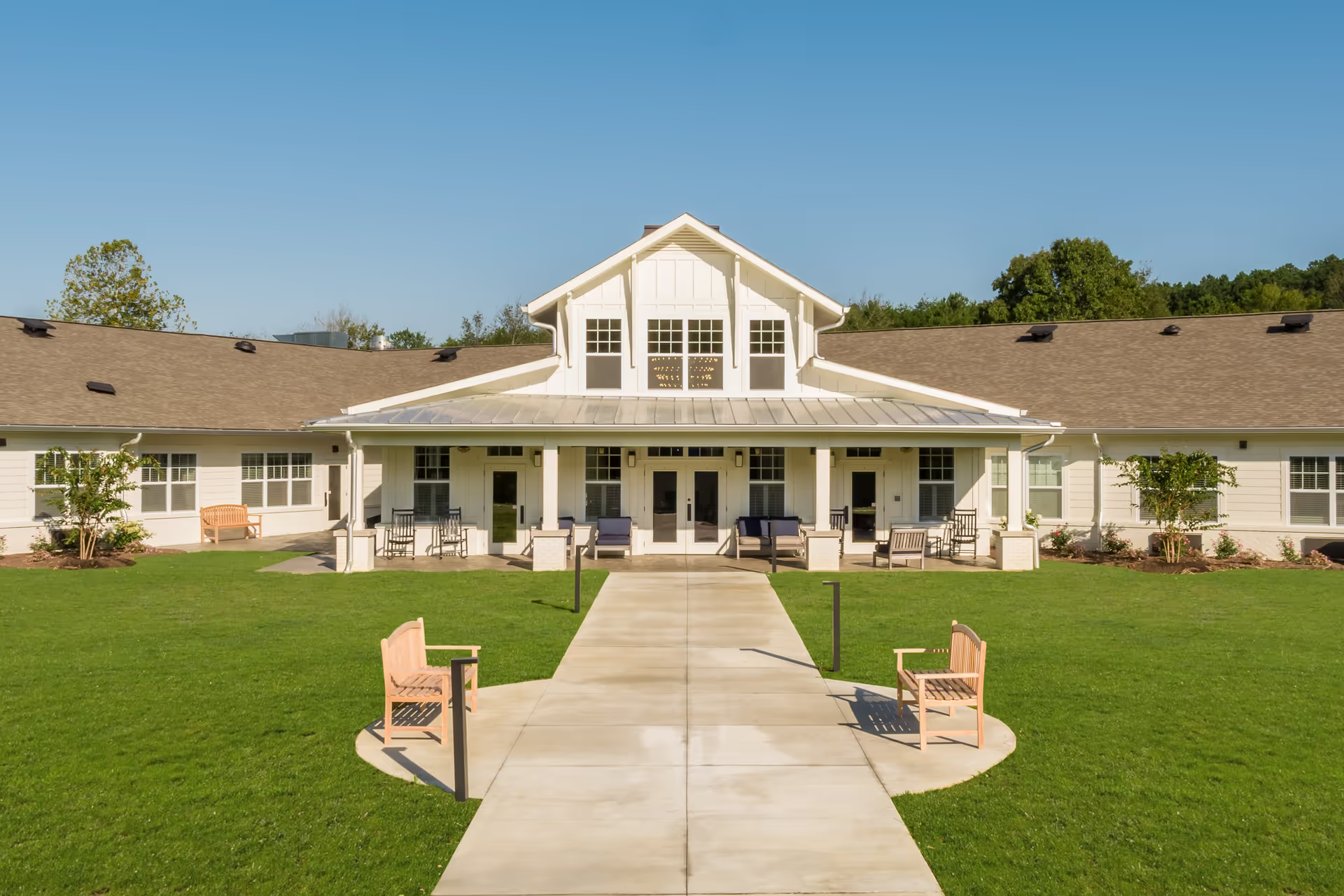
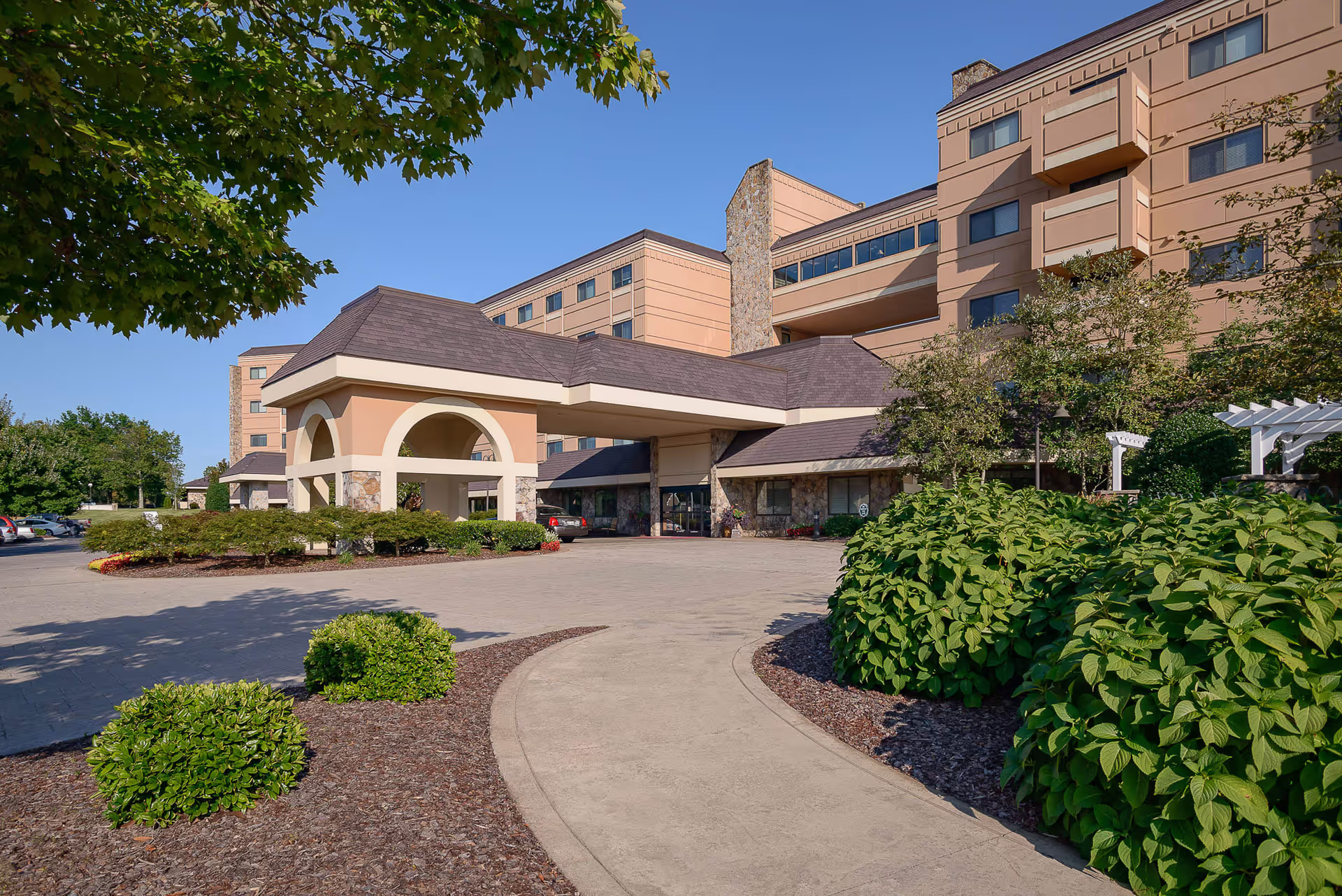
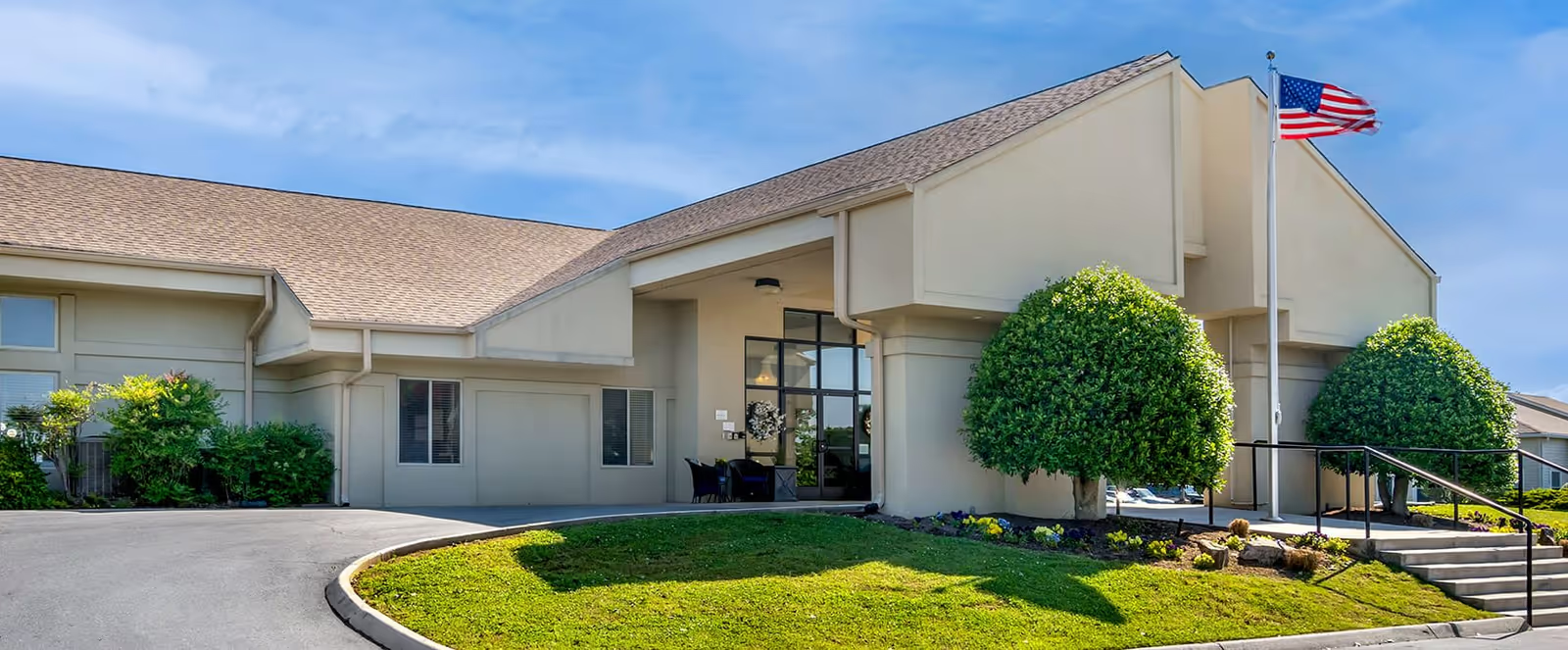
Facility condition and cleanliness comments are mixed. Several reviewers described clean common areas and an absence of persistent odor, while others raised sanitation concerns in particular areas (for example, carpeting and room-level cleanliness). Accessibility issues such as limited parking and visitor restrictions during infection-control events were also mentioned and may affect family engagement.
Operational and management patterns merit attention. Reviewers noted high staff turnover and tensions between nursing staff and aides, which can undermine consistency of care. Some accounts suggest an organizational emphasis on rehabilitation metrics and regulatory presentation that may leave routine long-term nursing needs insufficiently prioritized. There are also concerns about gaps in clinical-incident response and family communication after adverse events, and a few reviewers questioned transparency around inspections and reporting.
Advice for prospective residents and families: weigh the strong rehabilitation program and many positive examples of compassionate, skilled staff against the operational concerns around staffing consistency, hygiene practices in specific areas, meal-service variability, and management stability. When considering placement, ask for current staffing ratios, recent inspection and infection-control records, examples of care plans for long-term residents (including hydration and incontinence protocols), and to observe care during multiple shifts. A direct conversation with therapy leadership and nursing management about how therapy priorities are balanced with long-term care needs may clarify whether the facility’s strengths align with an individual’s requirements.