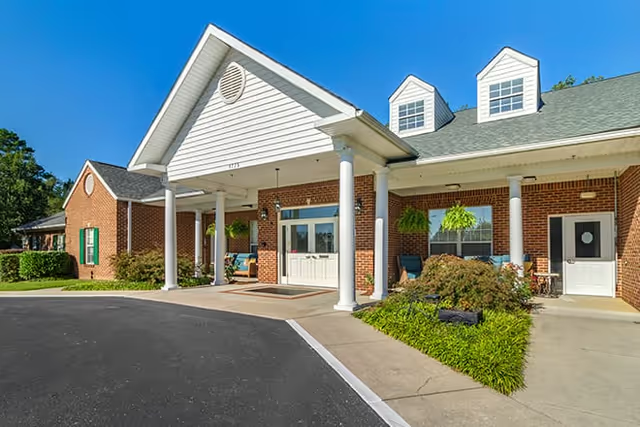
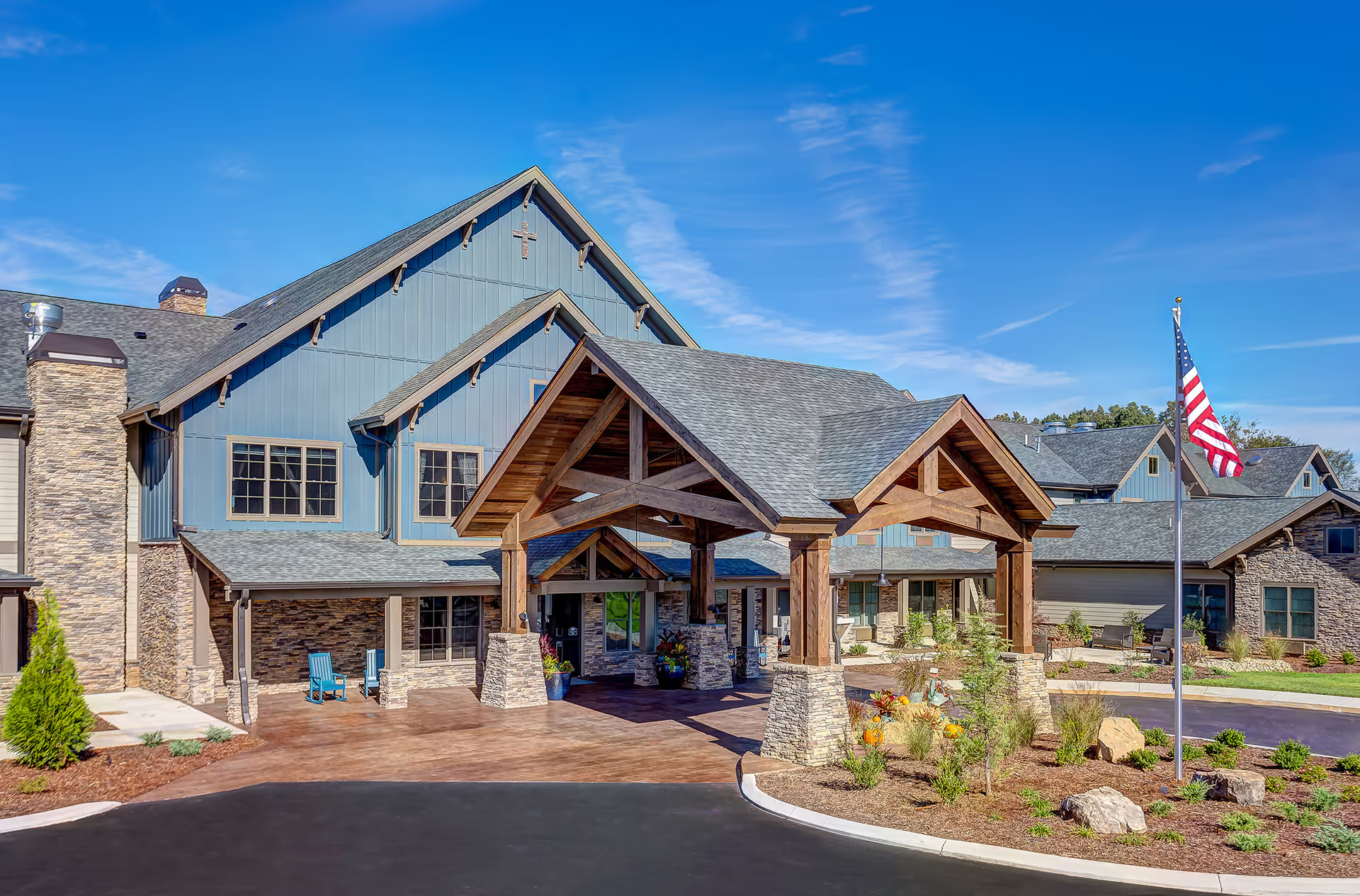
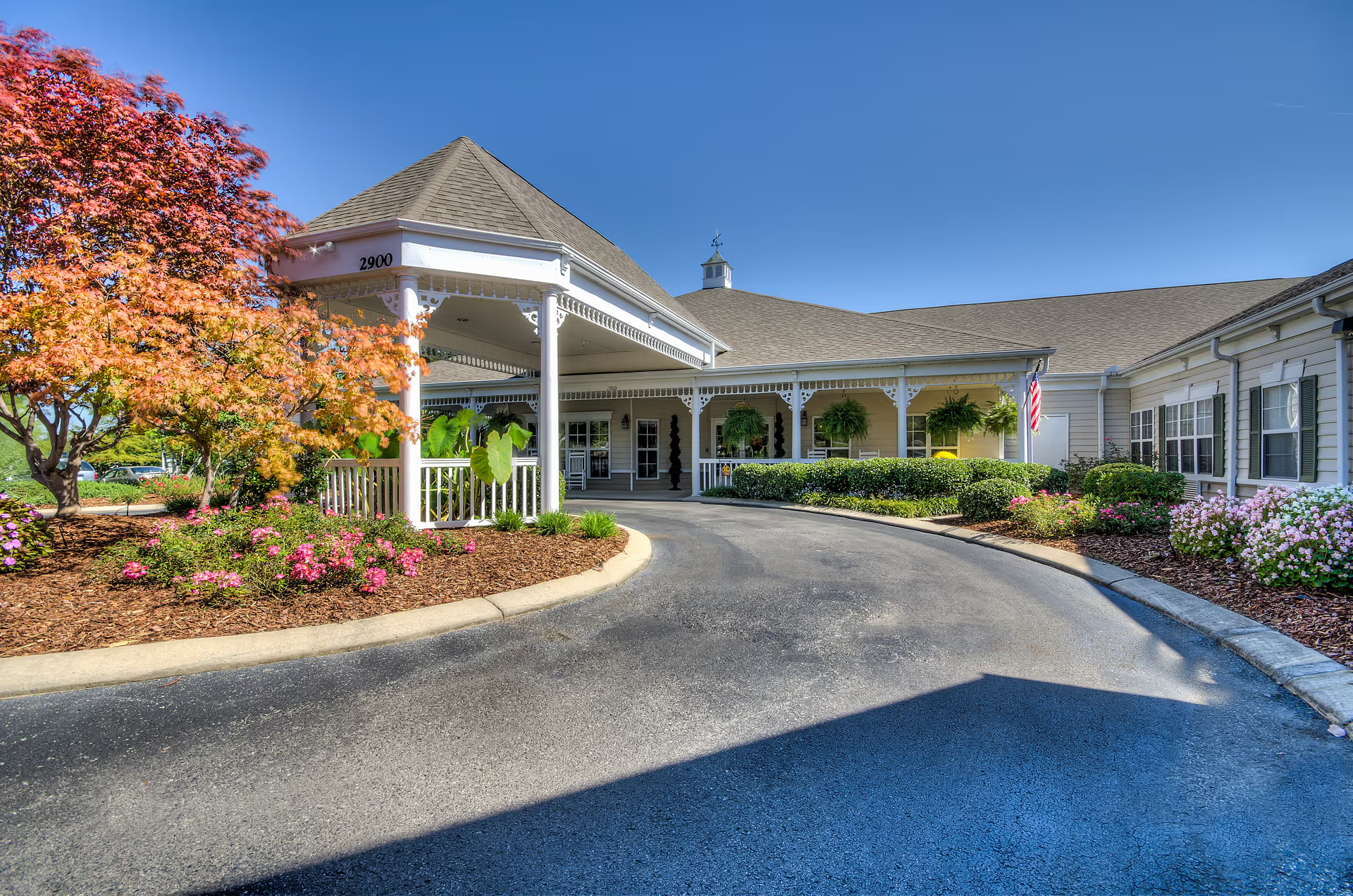
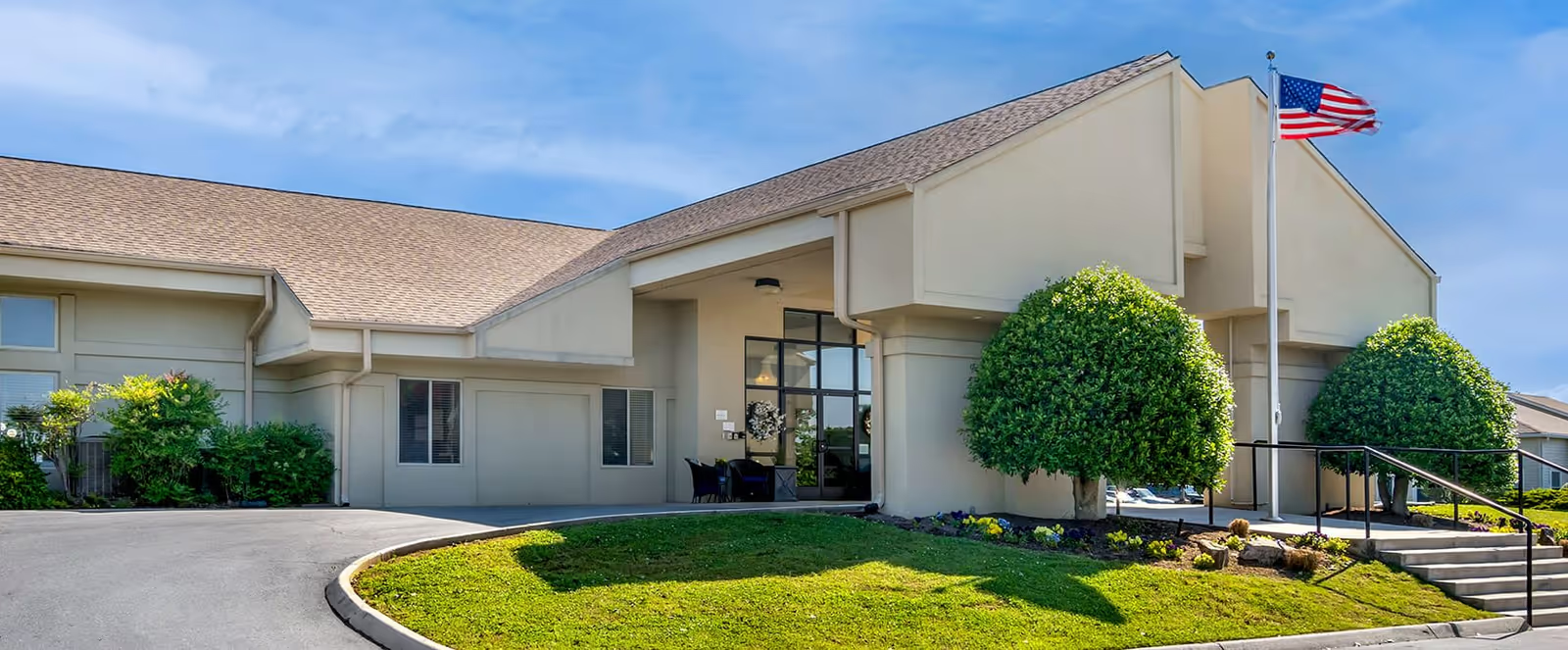
Overall impression: Reviewers express a largely positive view of the Tennessee State Veterans' Home - Cleveland with consistent praise for frontline staff, the physical environment, and resident programming. The facility is described as clean, modern and attractive, with a welcoming, family-like atmosphere and veteran-focused culture. Many comments emphasize compassionate, attentive care from RNs, CNAs and other caregivers, strong teamwork, and a smooth move-in or transition experience for new residents.
Care and clinical practices: Clinical strengths cited include attentive bedside care, frequent caregiver support, and proactive housekeeping that contributes to day-to-day safety. However, a subset of reviews raises operational concerns related to clinical processes. These include inconsistent medication administration controls and gaps in pain-management practices. There are also references to delays in attending to personal-care needs (described as incontinence-care delays), and instances where hospice directives and end-of-life coordination were not followed to families' satisfaction. Together these patterns suggest areas where clinical protocols, medication safeguards, and hospice coordination could be reviewed and reinforced.
Staff, dining and activities: Staffing is repeatedly described as friendly, courteous and professional; several reviews single out individuals and kitchen and housekeeping teams for particular praise. Dining receives favorable remarks about food quality and kitchen staff responsiveness. Residents and families also note active programming, visible holiday decorations, community involvement, and regular spiritual support from a chaplain, all of which contribute to an engaged and socially active environment.
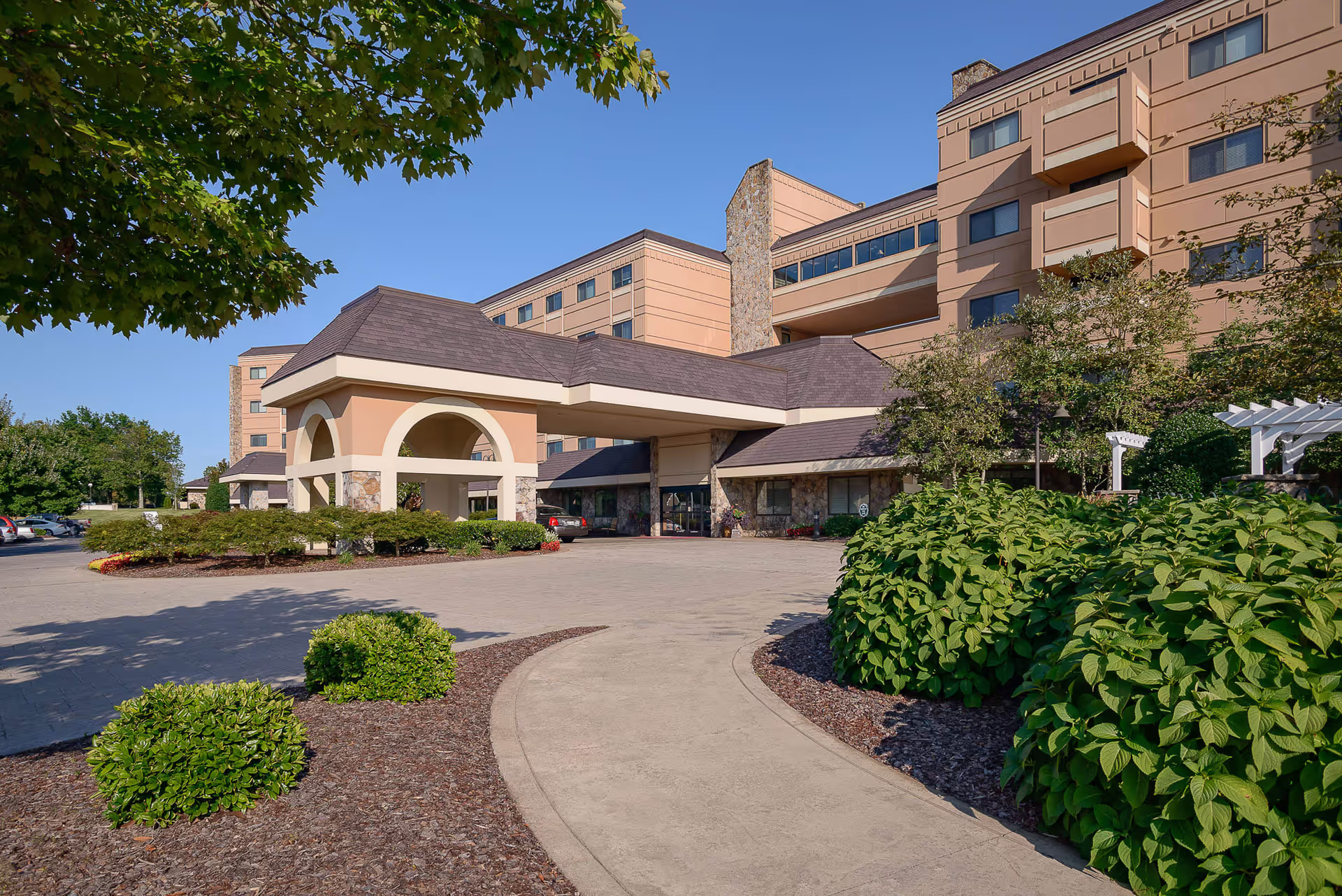
Facilities and operations: The physical plant is frequently described as very clean, well maintained and modern. Housekeeping and environmental services are highlighted as proactive. At the administrative level, concerns center on transparency and responsiveness: some families describe difficulties obtaining clear information from management, challenges around board-meeting access or detail, and requests for greater accountability. These administrative themes are separate from the praise for clinical and caregiving staff and suggest a need for clearer communication pathways between leadership and families.
Notable patterns and guidance for families: The dominant pattern in the reviews is strong, compassionate caregiving within an attractive facility and active community life. The recurring operational themes to watch are medication-management controls, pain-management protocols, timely personal-care response, and hospice coordination. Prospective residents and families may want to ask facility leaders about medication-administration safeguards, pain-assessment and treatment protocols, hospice liaison procedures, and how management communicates and escalates family concerns. Doing so can help balance the facility’s clear strengths in caregiving and environment with attention to the operational areas that reviewers identified for improvement.