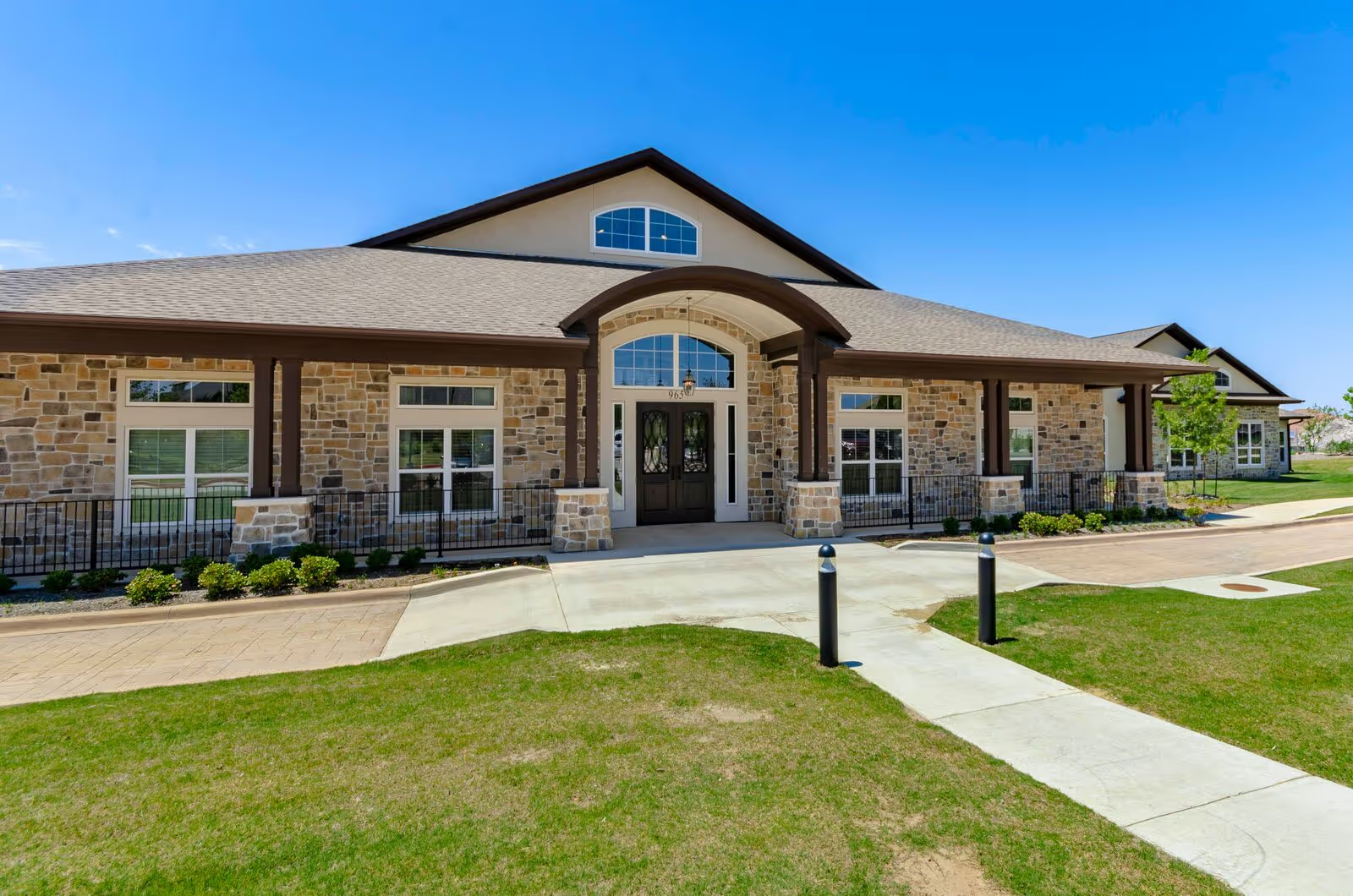
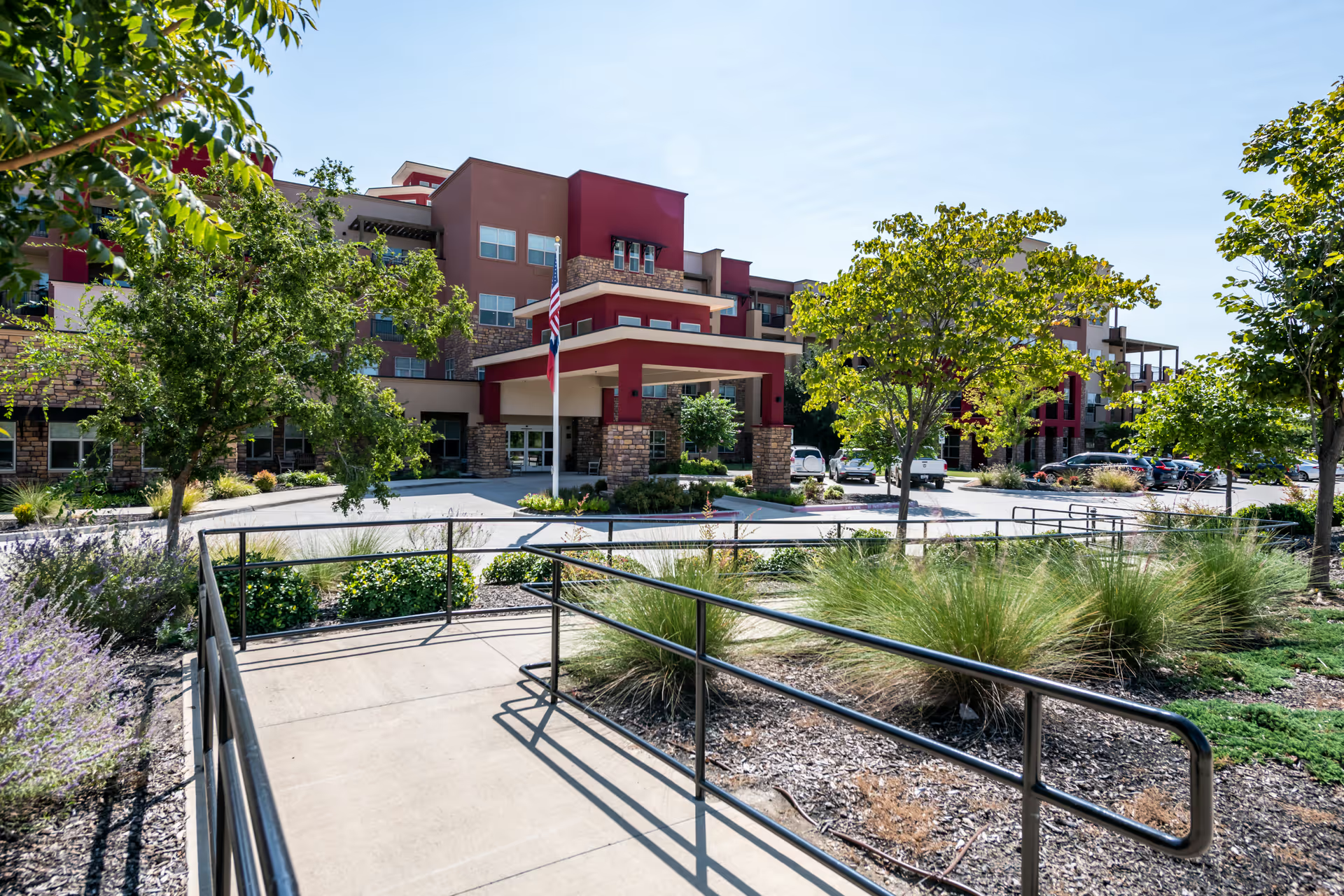
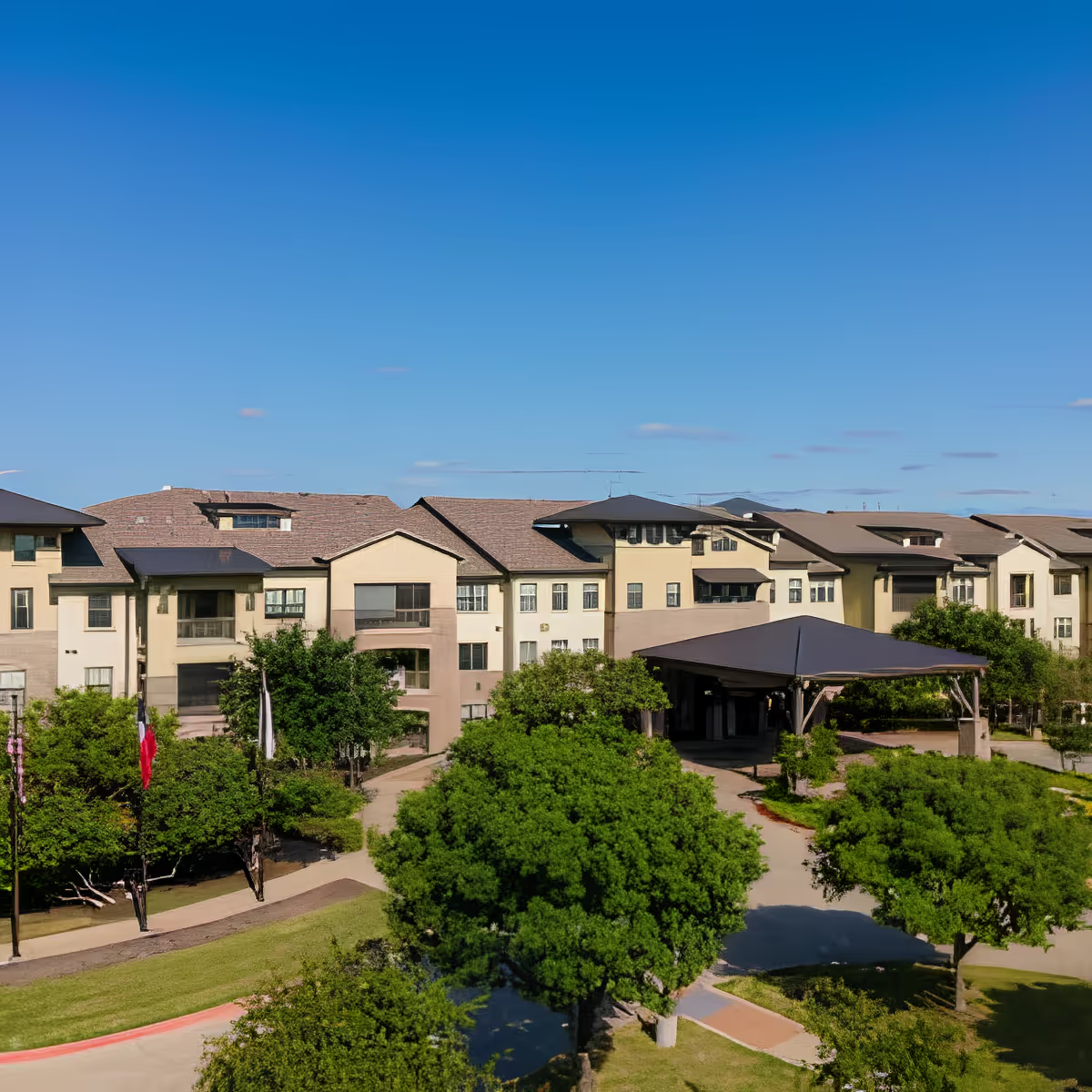
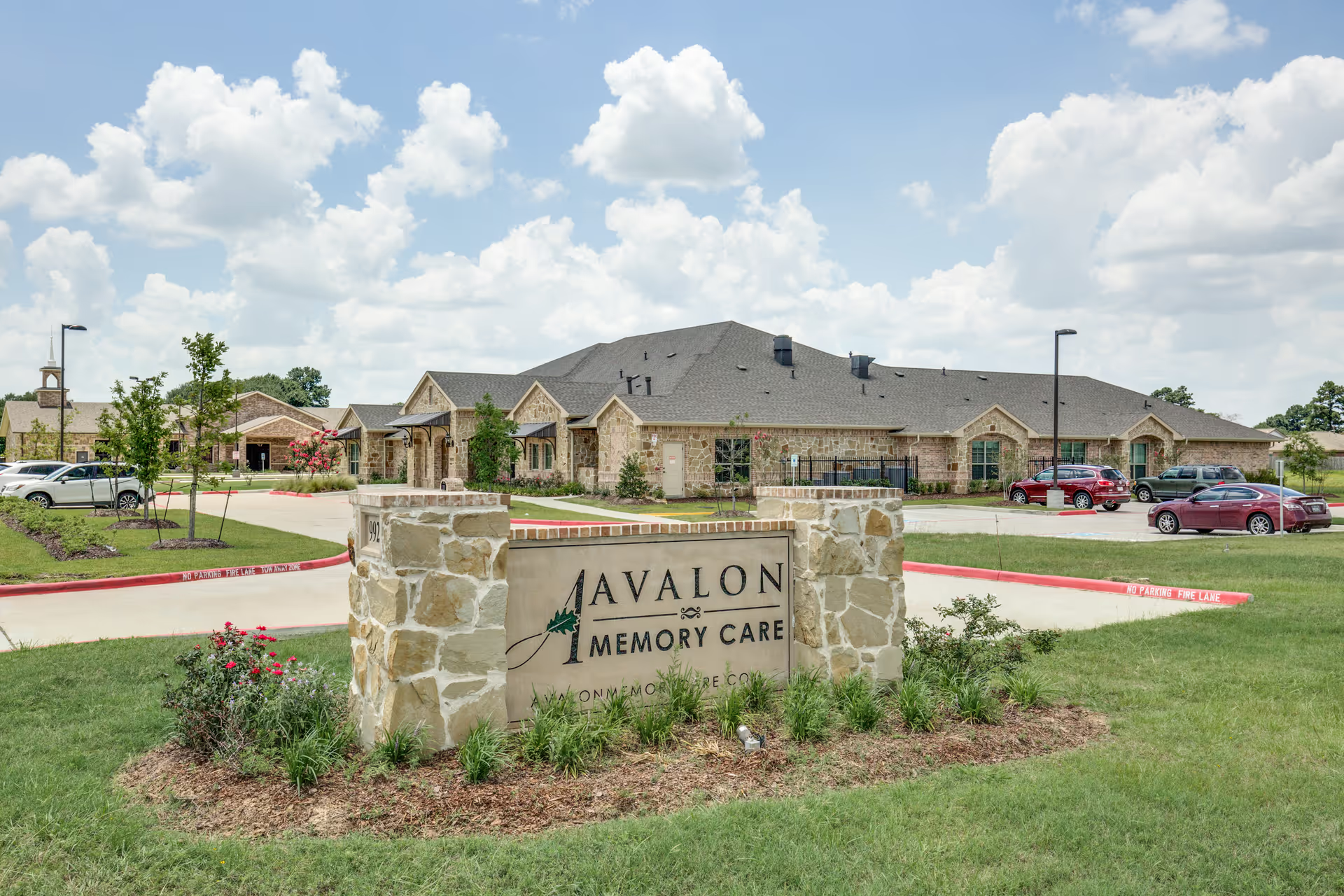
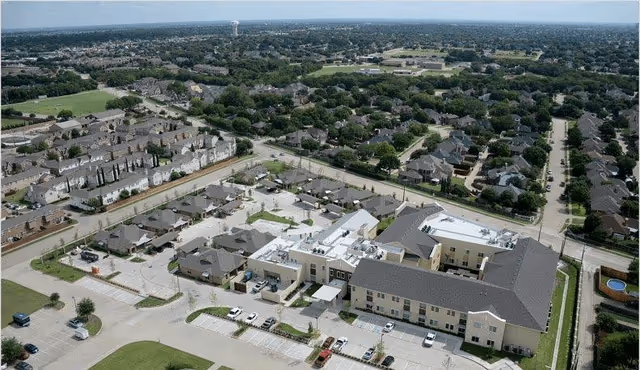
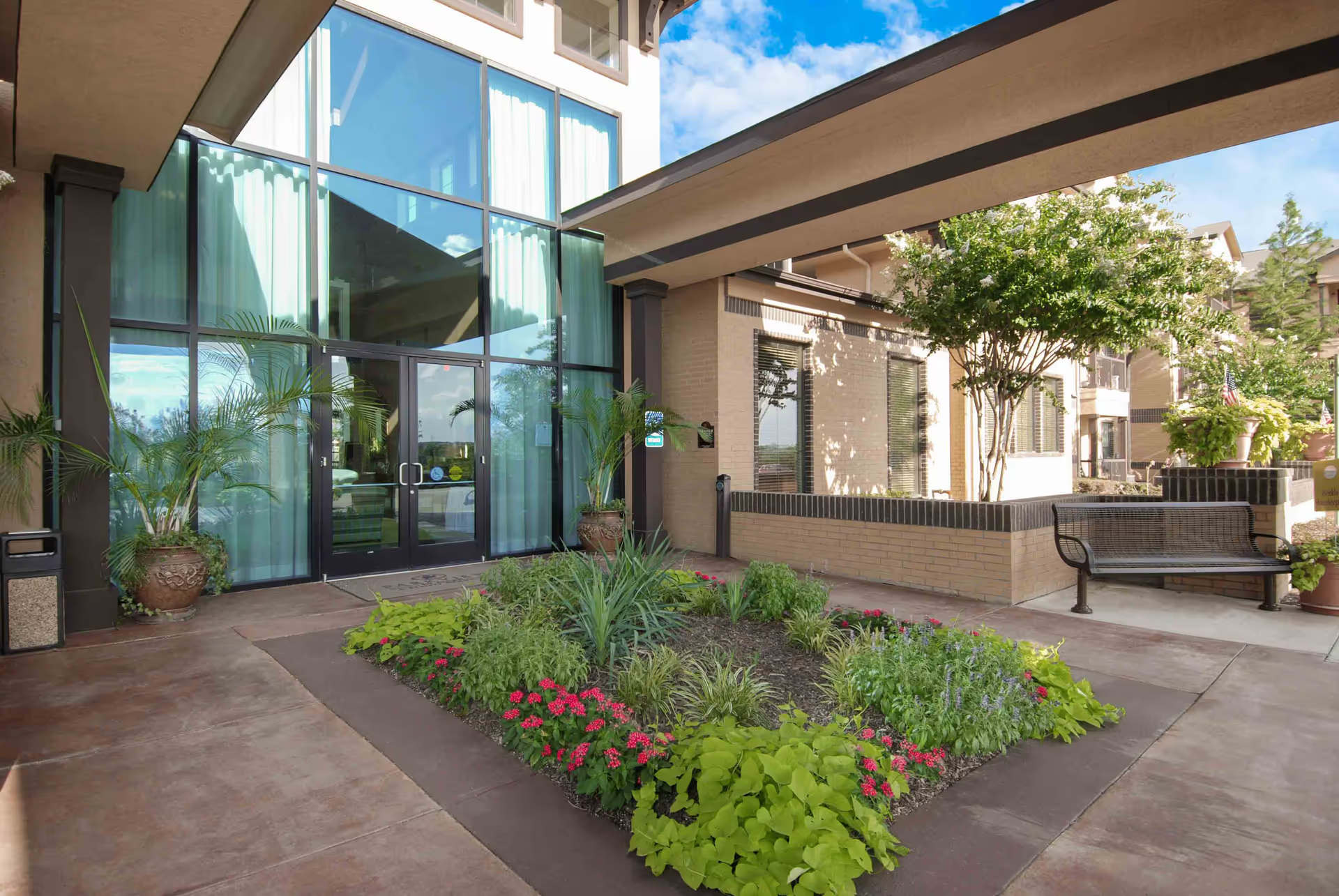
The Belmont at Twin Creeks presents a polarized profile: the building, therapy department, and certain administrative and clinical staff draw frequent praise, while recurring operational weaknesses create serious concerns for some families. Many accounts highlight an effective, intensive therapy program and therapists who actively motivate patients; these services are credited with meaningful functional recovery for multiple residents. Admissions and some administrative personnel are described as professional and helpful, and maintenance/housekeeping efforts are noted to keep the facility attractive. Spiritual support and a welcoming atmosphere were also mentioned as positives by families.
Contrasting with those strengths, there is a consistent pattern of variability in day-to-day nursing care. Reviews indicate uneven staff performance across shifts and individual caregivers: while some nurses and aides are described as compassionate and attentive, others are reported as dismissive or unresponsive. Staffing shortfalls—especially overnight and on weekends—are linked to slow call-button responses, delayed personal care, and missed basic needs. These operational deficits are associated with lapses in medication administration, missed meals or incorrect diets, and gaps in monitoring that have contributed to falls and subsequent emergency care in some cases.
Sanitation and environmental concerns arise repeatedly as an operational theme. Families cited issues with room cleanliness, odor concerns in certain areas, and problems with incontinence-care timeliness. There are also mentions of equipment and supply gaps (broken shower chairs, inadequate barrier pads) and room temperature-control problems. A few accounts referenced pest-control concerns and infection-control events, which point to the need for closer environmental oversight in certain units.
Dining and nutrition are described inconsistently: some families praised the kitchen and diet staff and noted diet-appropriate meals, while others reported wrong diet implementation, small or poorly timed portions, and limited menu variety. Activity offerings outside of therapy appear limited in scope for some residents; spiritual services and occasional group activities were available, but social engagement beyond therapy was described as minimal by several families.
Communication and management follow-through are mixed. Several families reported difficulty reaching staff after hours, long phone holds, voicemail gaps, and inadequate coordination with physicians. There are reports of inadequate discharge planning and transition coordination that, in at least a few cases, preceded readmissions or complications. Conversely, a number of reviews highlight proactive efforts by the Director of Nursing and other managers to address issues, and some reviewers note improvements under newer leadership.
Notable patterns for prospective residents and families: the facility offers strong rehabilitation services and an attractive physical environment, but nursing and operational reliability vary. Where consistent, well-staffed nursing complements the therapy program and produces good outcomes; where staffing and communication falter, families describe safety and sanitation risks and poor continuity of care. A prudent approach for families considering this facility is to visit at different times of day, ask about current staffing ratios (including night/weekend coverage), verify fall-prevention and medication-administration protocols, request information on recent infection-control and pest-control measures, and confirm diet and discharge-planning procedures. These targeted inquiries can help clarify whether the facility's strengths will be matched by consistent, reliable day-to-day care for a particular resident.