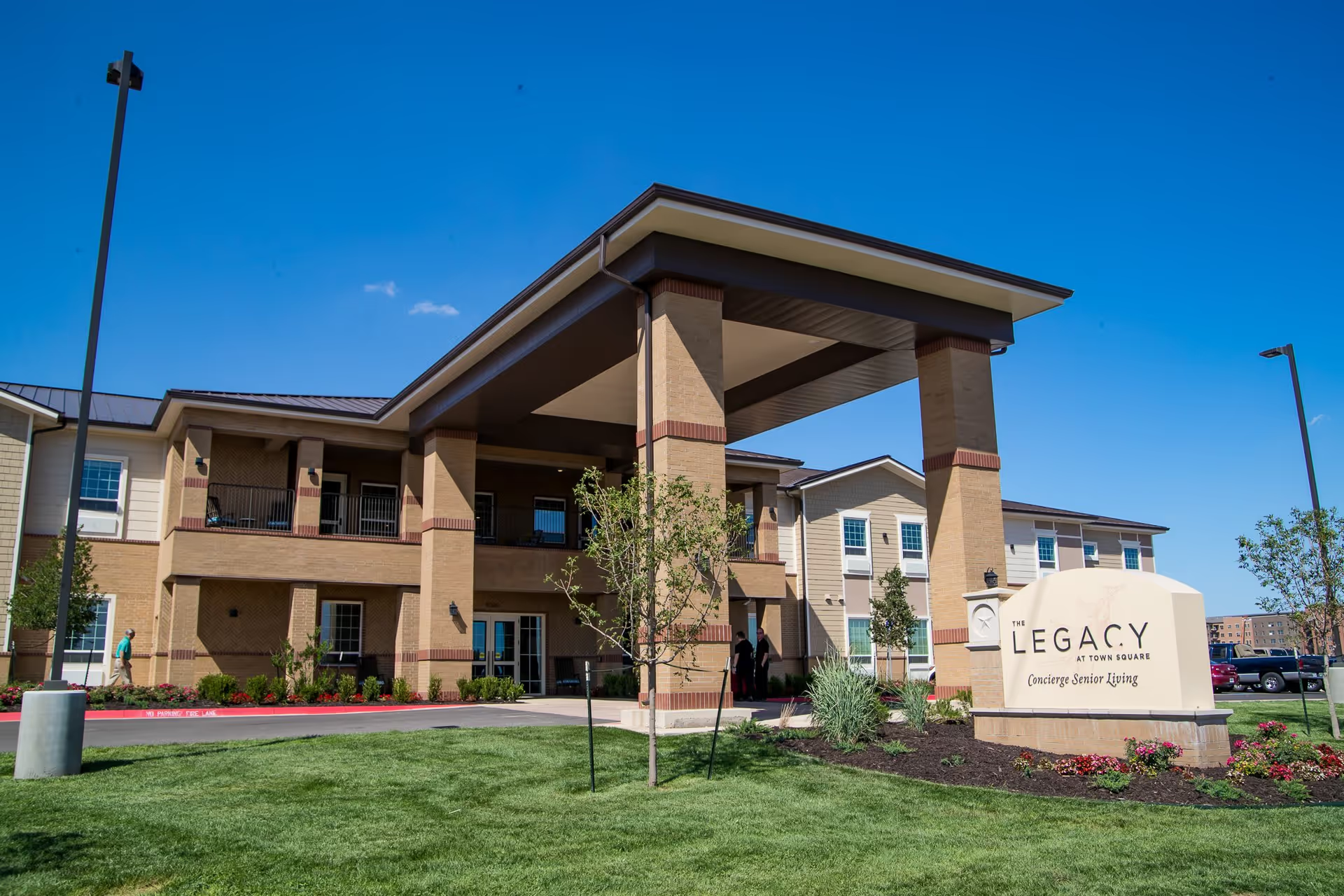
Legacy Rehabilitation and Living presents a mixed picture across reviews. Strengths are most evident in its rehabilitation services: many families and patients describe effective physical and occupational therapy, a well-equipped therapy gym, and staff who facilitate successful short-stay discharges and outpatient follow-up. Multiple accounts single out individual clinicians and care champions for compassionate, attentive work, and some reviewers specifically praised the admissions and care-coordination teams for facilitating transitions home.
Day-to-day nursing and support staffing elicits divergent feedback. Numerous comments praise caring, hardworking nurses and therapists; simultaneously, recurring operational concerns include high staff turnover, understaffing, and inconsistent caregiver availability. These staffing patterns are associated with delays in assistance, missed or delayed medication administration, and variability in responsiveness to resident requests. Reviewers also described variability in front-desk and social-work interactions, producing uneven family communication experiences.
Dining, activities, and social programming show a similar split. The kitchen and some dining staff receive commendation, and the facility runs seasonal and social activities with an engaged activities director. At the same time, several families noted limited cognitive-stimulation offerings and an activity mix that can skew toward passive options; reviewers seeking more structured memory-care programming or regular exercise opportunities felt the current schedule was insufficient. There are also observations of inconsistent meal quality across stays.
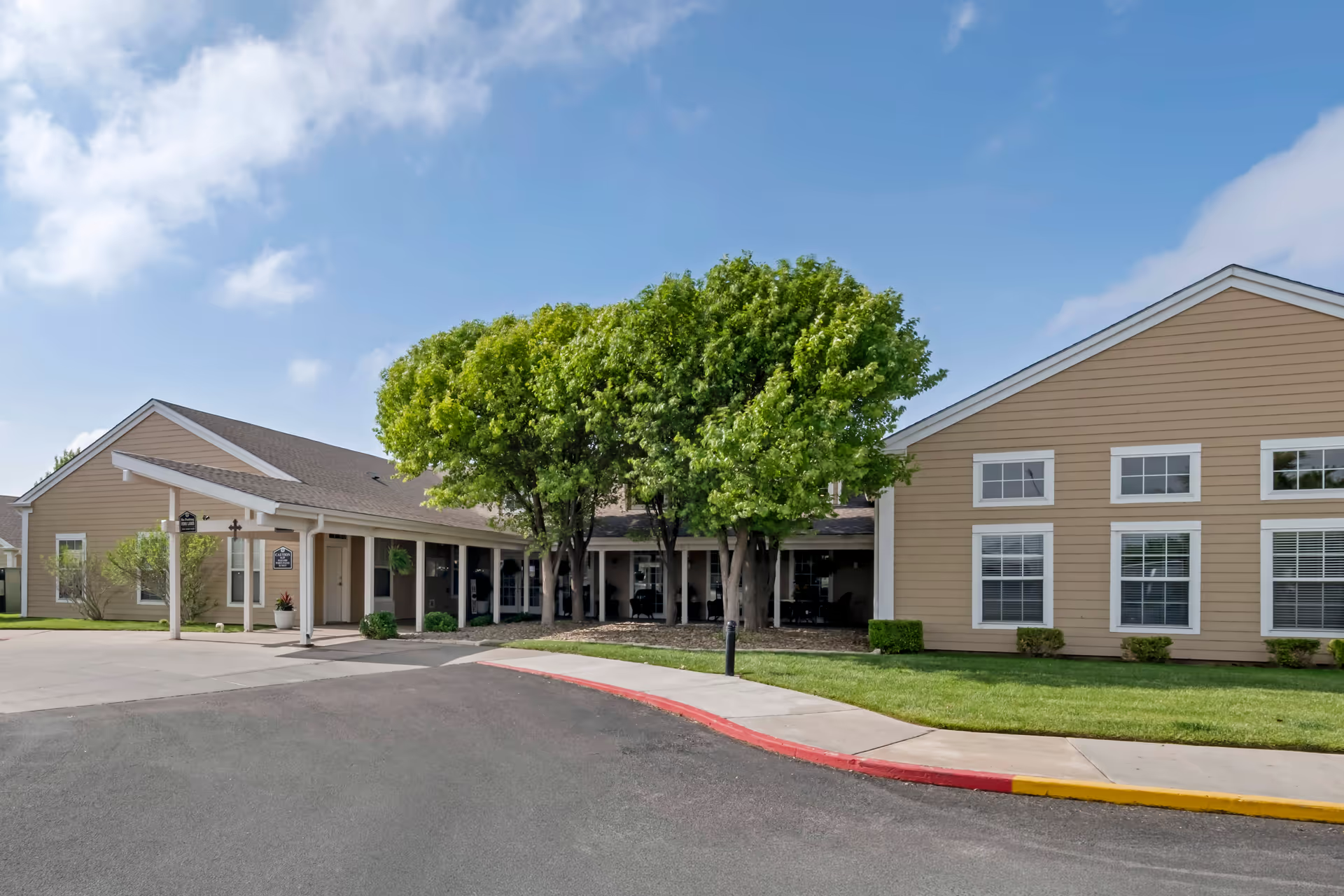
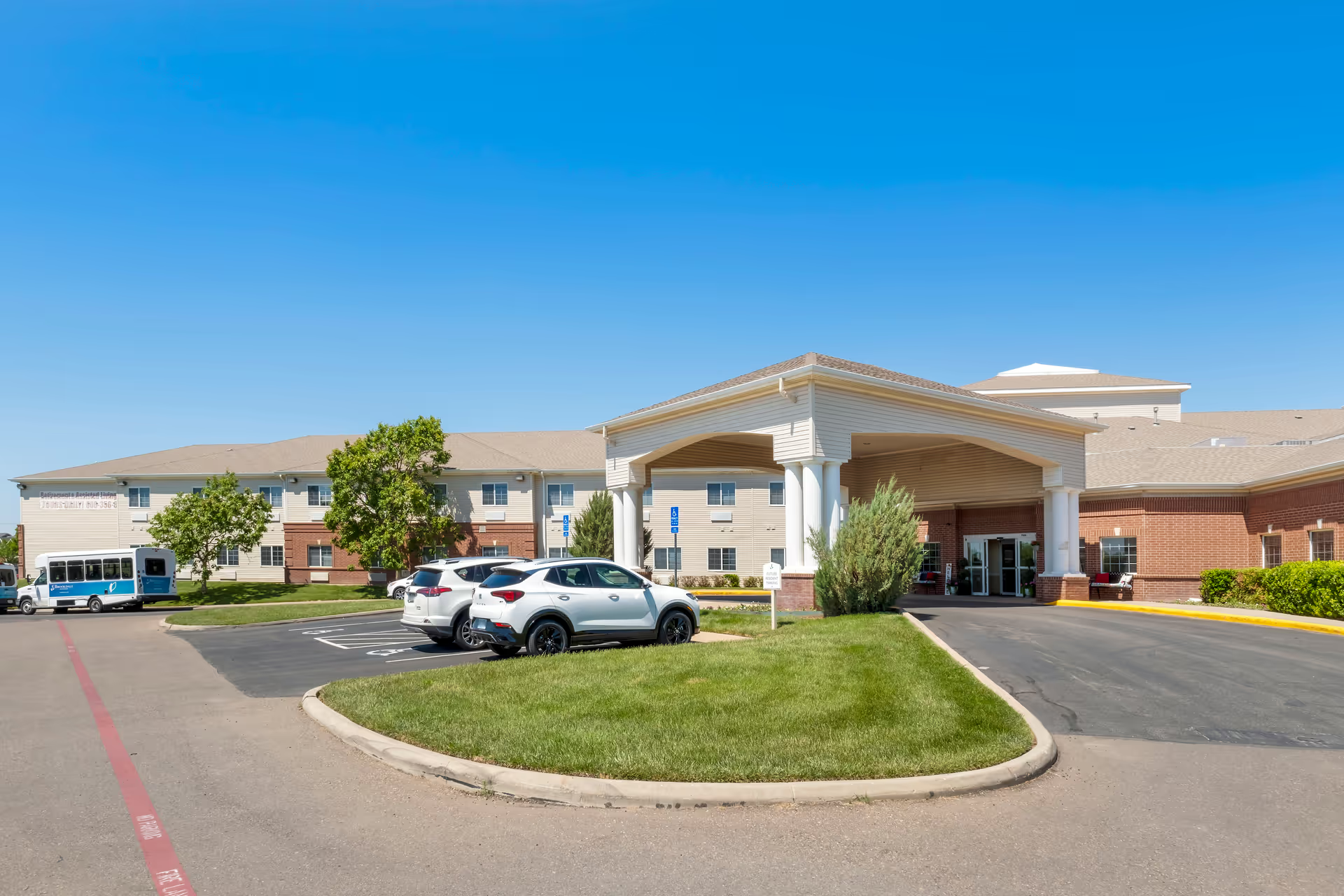
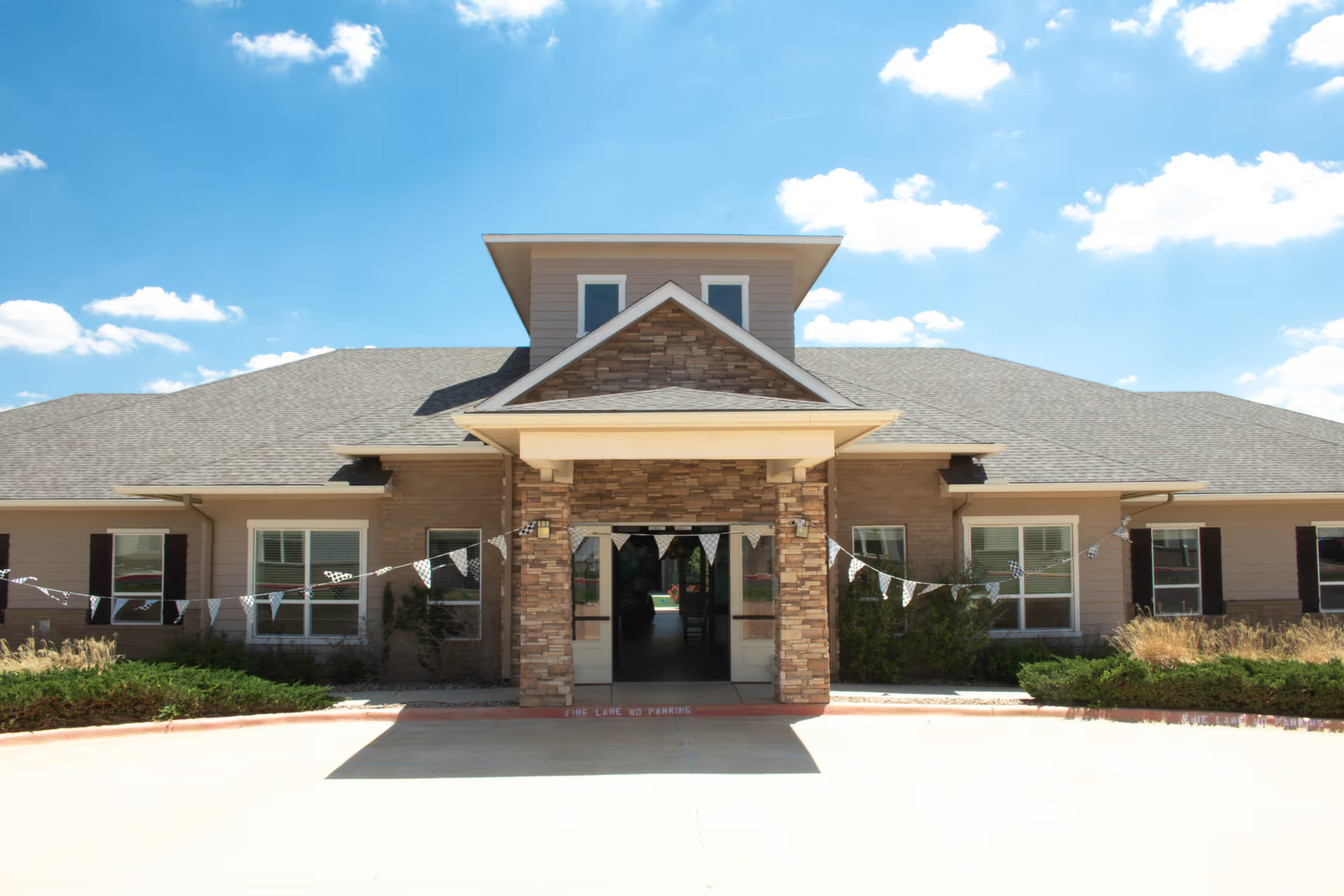
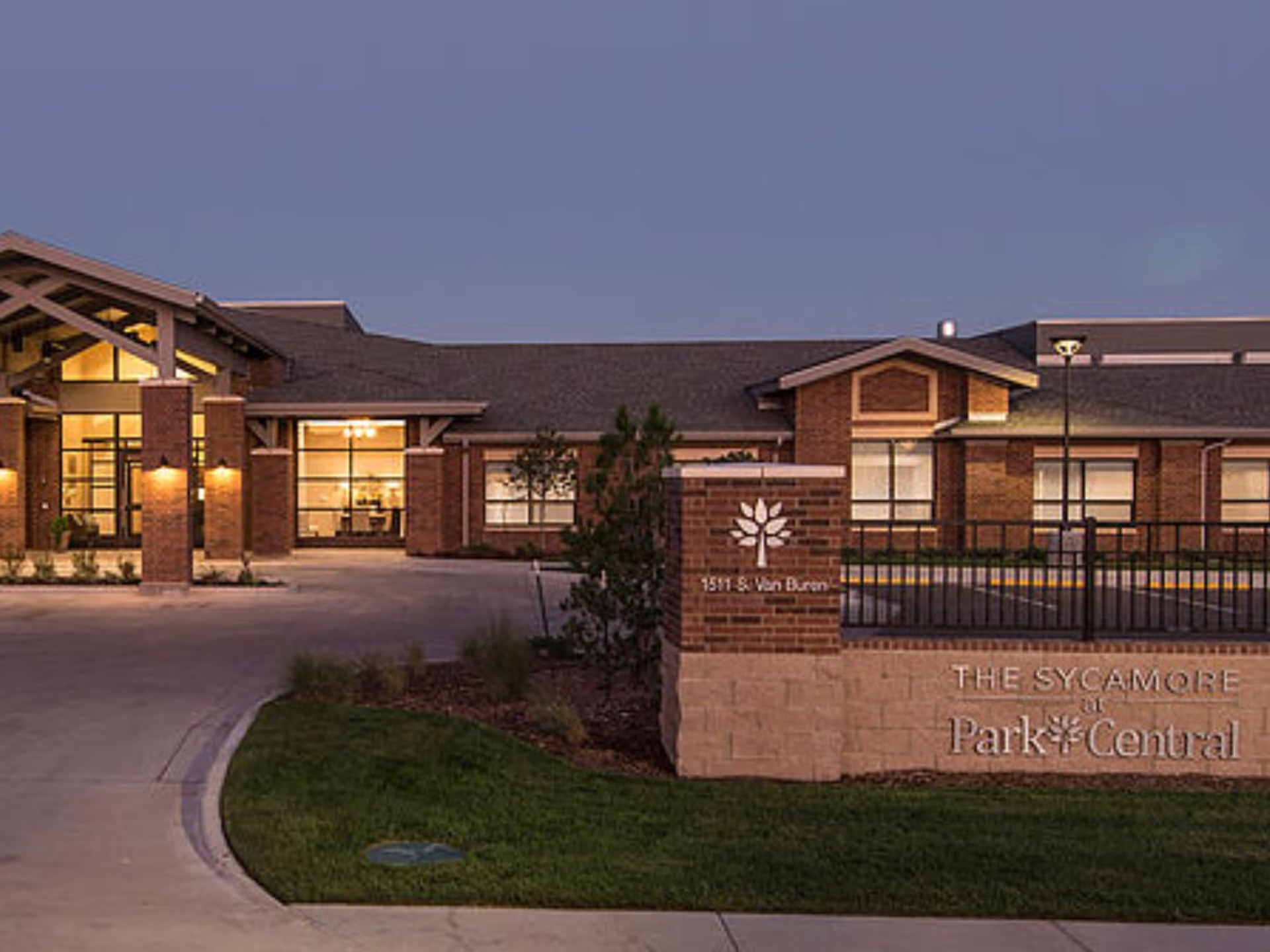
Facility condition and operational supports are inconsistent by unit. Many areas are described as clean, with attractive grounds and completed renovations such as new flooring and counters; other parts of the building and resident rooms remain dated, with worn furniture and environmental issues (including HVAC responsiveness) noted. Reviewers cited slow maintenance response and occasional restricted outdoor access for residents.
Clinical-safety and property concerns surface in a subset of reviews. Patterns inferred from comments include medication-management weaknesses, infection-control and clinical-incident response gaps, and lapses in laundry/personal-property handling. More serious individual allegations — including abrupt discharges, ethical/boundary concerns involving staff, and potential financial or property exploitation — were mentioned; these appear to be isolated but significant and may warrant direct inquiry or regulatory attention.
Overall, Legacy appears to provide strong rehabilitative care with devoted clinicians and positive short-stay outcomes, yet operational weaknesses—especially around staffing consistency, medication administration, property controls, and some aspects of facility maintenance—create variability in the resident and family experience. Prospective residents and families should weigh the facility’s robust therapy services and identified staff strengths against the noted operational risks, and consider direct discussions with leadership about staffing stability, clinical-safety protocols, cognitive programming, and property/accountability procedures before admission.