The reviews present a mixed, at times polarized, picture of care at Heritage House at Keller Rehab & Nursing. Many families emphasize strong, compassionate hands-on caregiving: nursing assistants and nurses are frequently described as attentive and kind, and multiple reviewers singled out individual caregivers who provided personalized, above-and-beyond attention. Therapy services — physical, occupational, and speech — receive consistent praise for effectiveness; several accounts note measurable rehabilitation progress, strength gains, and positive discharge outcomes.
At the same time, recurring operational concerns surface across the feedback. Staffing appears inconsistent: reviewers commonly describe slow responses to call lights and extended waits for assistance, particularly at night or during less-staffed shifts. These responsiveness issues are linked to safety and comfort concerns. Medication administration practices also emerge as an area of variability, with inconsistent timing, glucose/insulin coordination, and occasional disagreements about clinical guidance. Communication and professionalism are uneven; some families report clear, helpful interactions with administrative staff, while others describe poor communication during discharge or distressing exchanges with clinical staff.
Dining and activities illustrate the facility’s mixed performance. The facility offers home-style meals with daily choices and an active calendar that includes church services, gospel sing‑alongs, bingo, and professional entertainment; these programs contribute positively to many residents’ experiences. However, there are recurring notes about meal errors, inconsistent meal quality, and limited diabetic-diet consistency. The therapy and activity infrastructure (including a rehab gym and robust schedule) is a clear strength for residents seeking short-term rehabilitation.
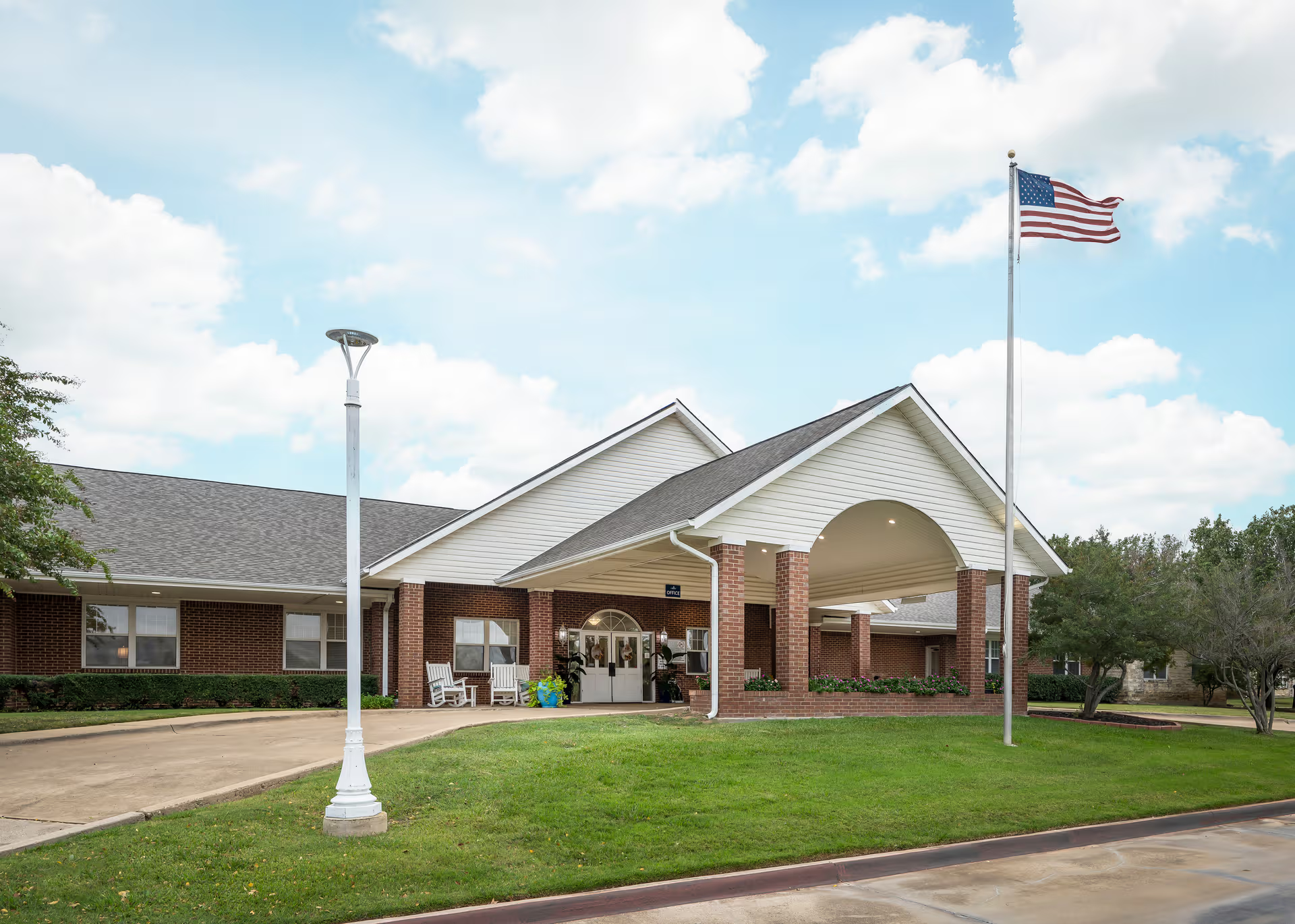
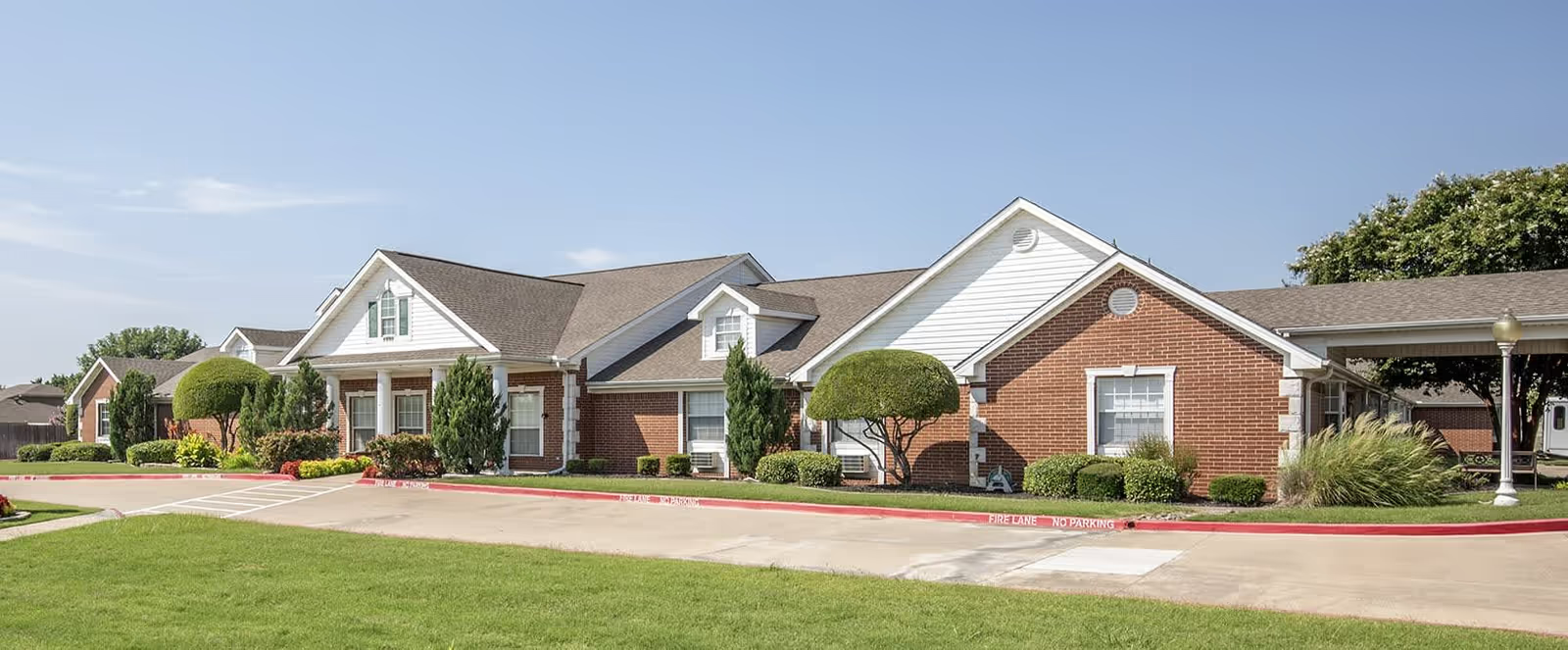
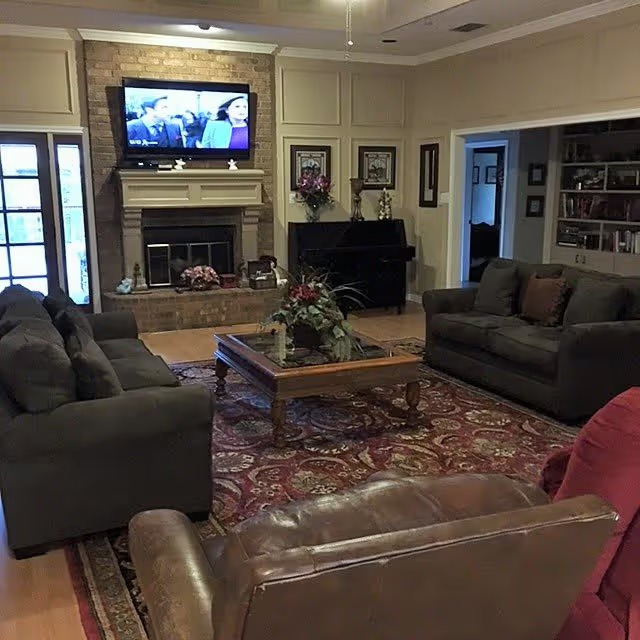
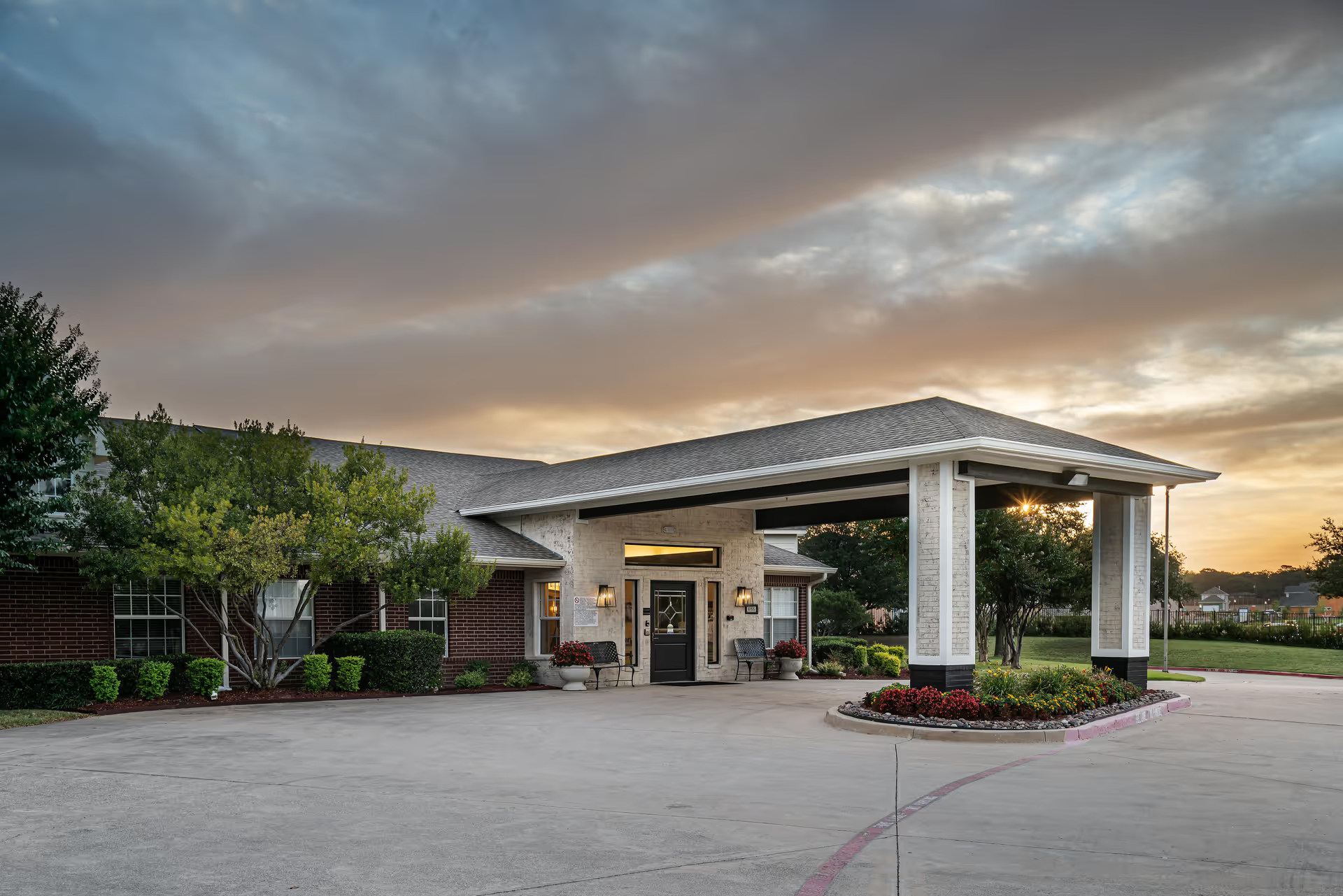
Facility condition and management feedback is also varied. Many reviewers describe a clean, modern, well-maintained environment with private rooms and helpful transport services. Conversely, others note sanitation and odor concerns in some units or common areas and occasional disparity between online photos and room condition. Administrative strengths include supportive business-office staff and effective transportation coordination, but billing practices and post-discharge financial policies — including concerns about charges after a resident’s death — are cited as a notable area for clarification. Hospice coordination is handled well in some cases but is described as inconsistent in others.
In sum, Heritage House at Keller appears to deliver high-quality rehabilitation and benefits from several standout caregivers and therapy staff. Prospective residents and families should expect variability tied to staffing patterns and shift coverage: experiences often depend on which staff are on duty. Before placement, it would be prudent to confirm night staffing levels, call‑light response expectations, medication-administration protocols (especially for diabetes), dietary accommodations, hospice policies, and billing practices. These checks can help align expectations with the facility’s demonstrated strengths and operational limitations.