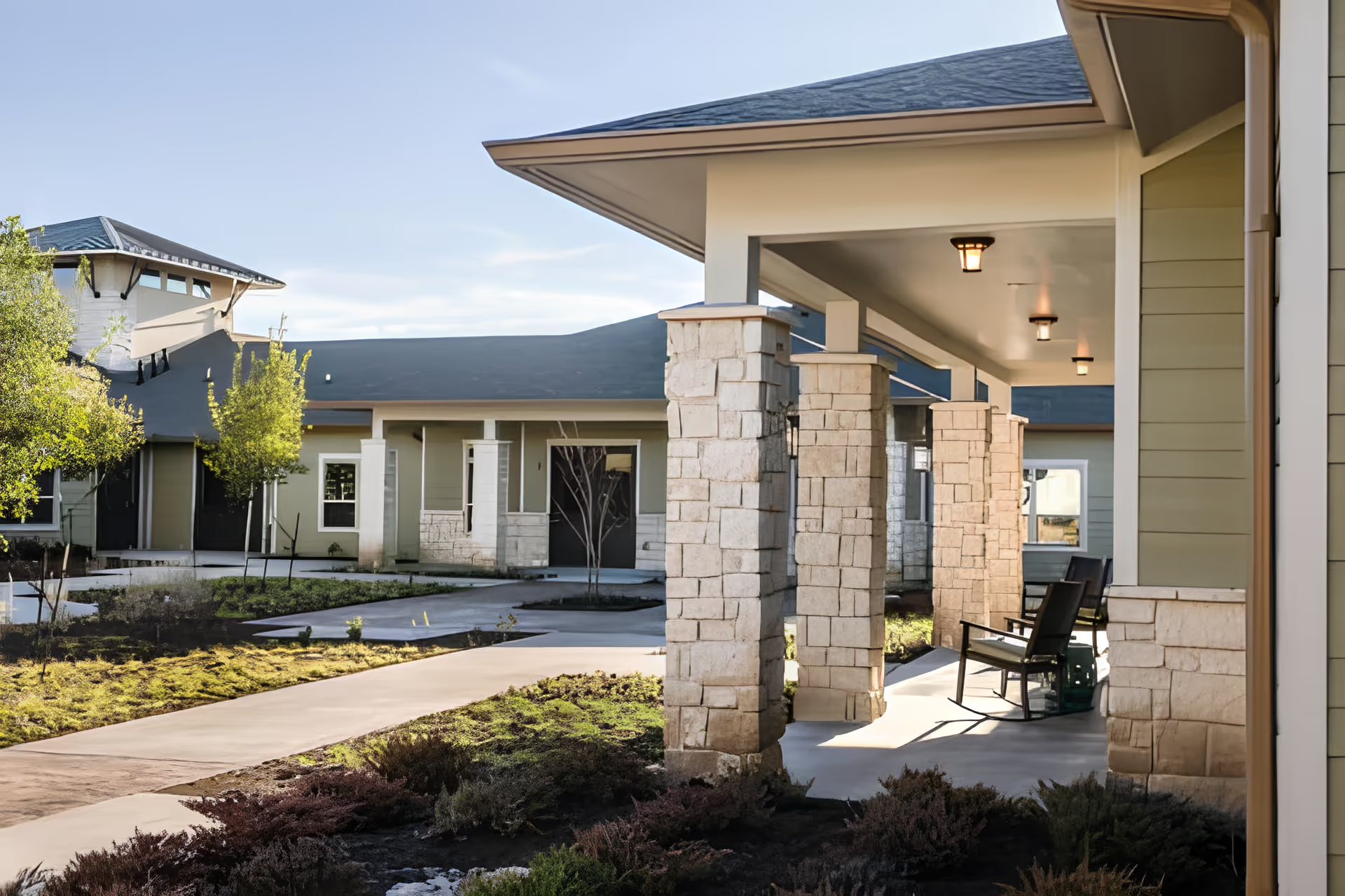
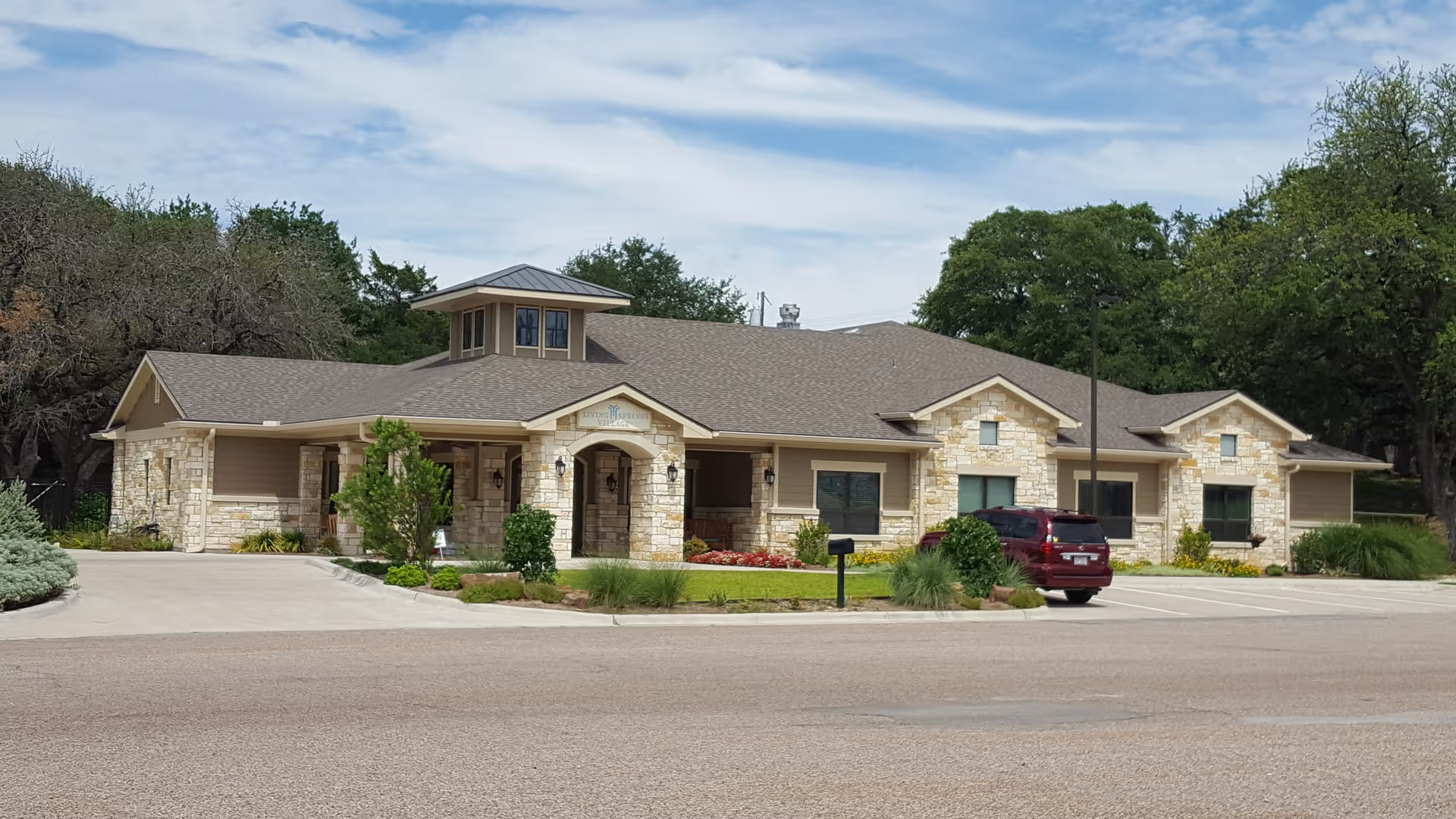
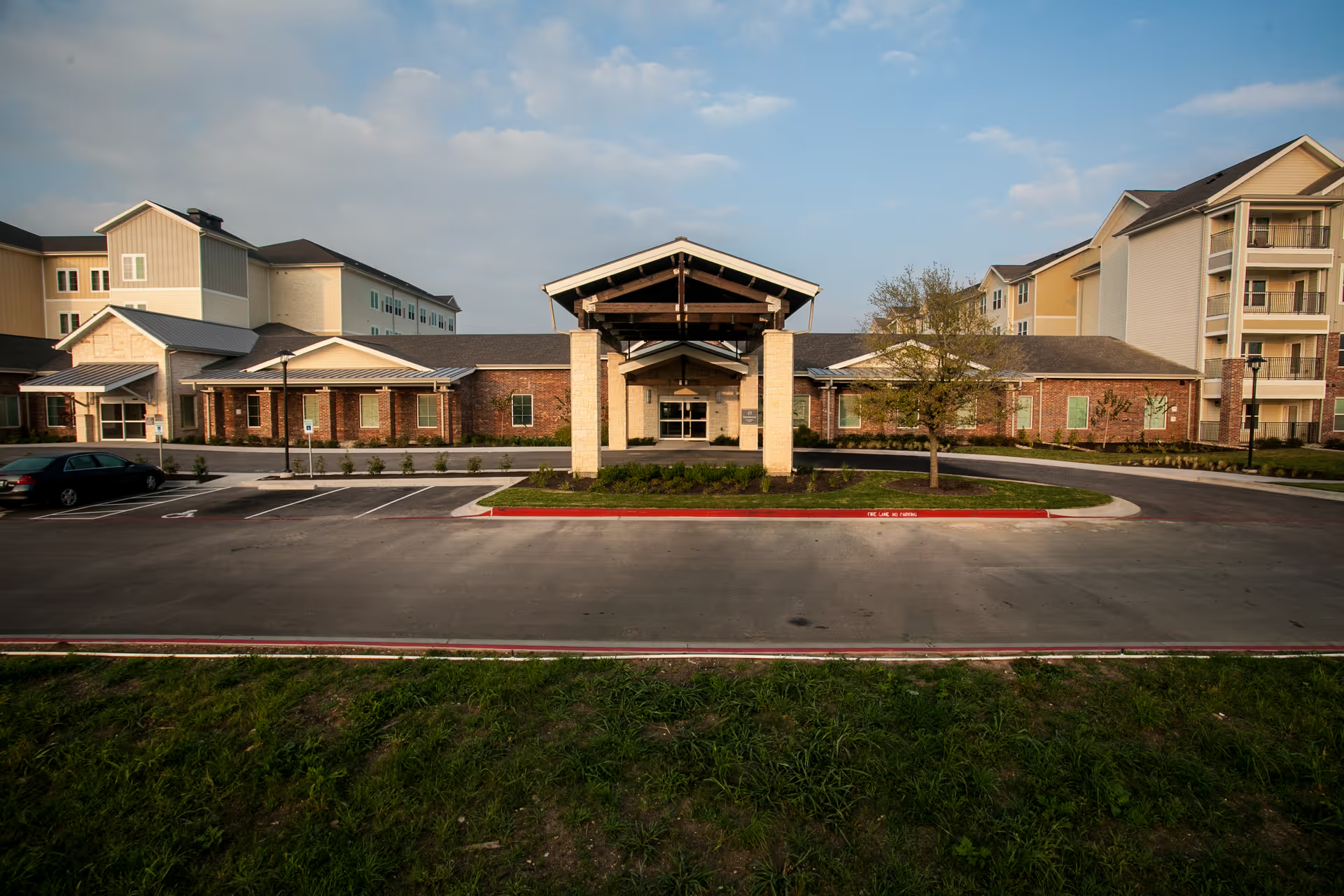
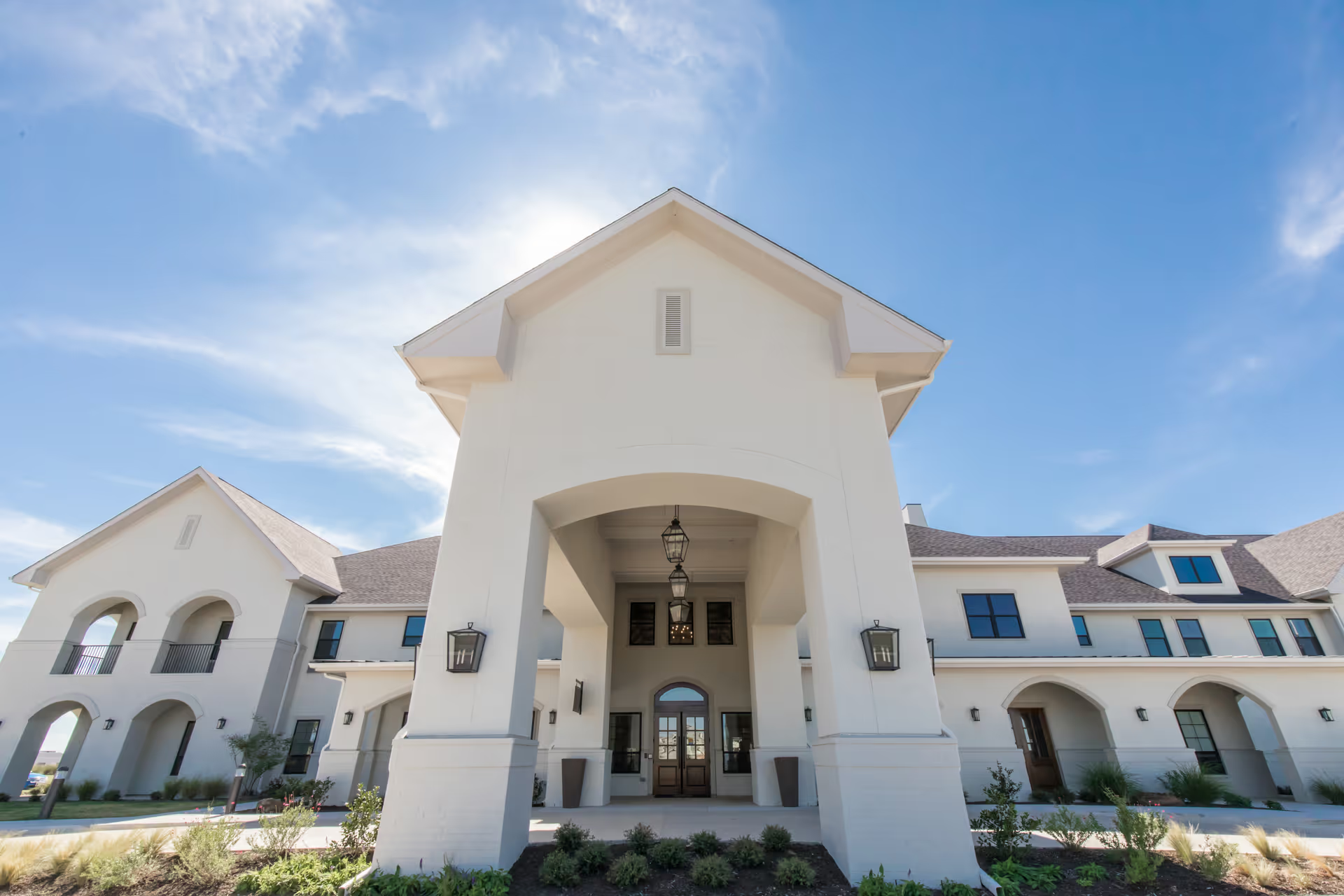
Overall impression: Reviews predominantly describe a facility that provides a warm, home-like environment with many strengths in daily living and quality-of-life programming. Reviewers frequently highlight compassionate, patient staff; an attractive, well-maintained building; cleanliness; and a robust set of activities and nutritious meal options that contribute to resident satisfaction and peace of mind.
Care and staff: Staffing is repeatedly characterized as kind, calm, and supportive, with several reviewers emphasizing attentive, thoughtful interactions that promote resident comfort. At the same time, a subset of reviews describe incidents that suggest variability in responsiveness and attentiveness. Those accounts point to delays in addressing resident needs and inconsistencies in follow-through on clinical concerns. These patterns indicate that while staff behavior is often exemplary, families should inquire about staffing ratios, supervision, and escalation procedures to understand how consistent that level of care will be for a given resident.
Dining and activities: Meals are generally described as nutritious and varied, and activities are noted as engaging and wide-ranging, contributing positively to residents’ daily life. However, there are isolated concerns about meal-service continuity, including late or meager service and needs for feeding assistance. Prospective residents and families may wish to ask about meal schedules, special-diet accommodations, and staff assistance policies to ensure dining needs are reliably met.
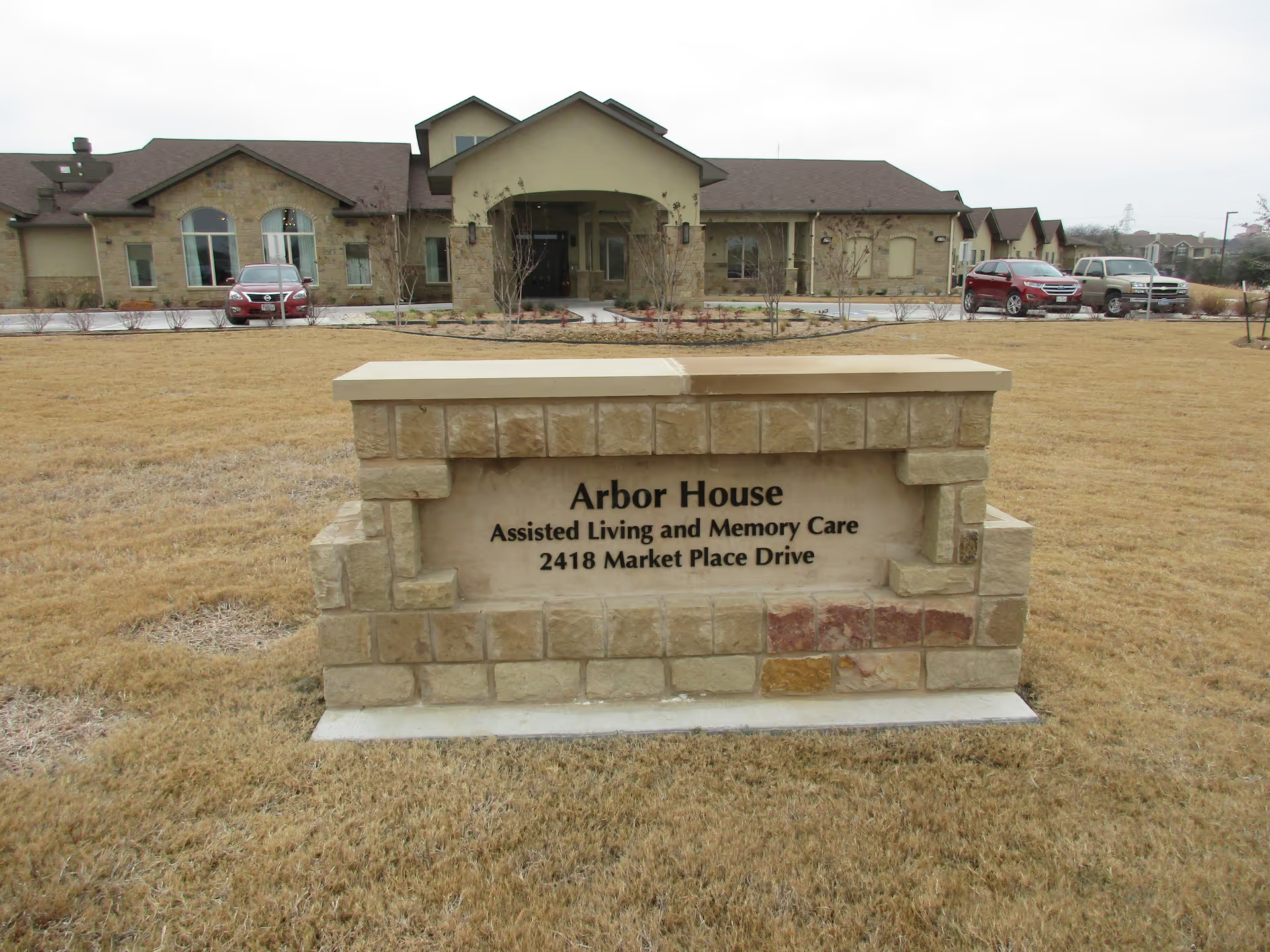
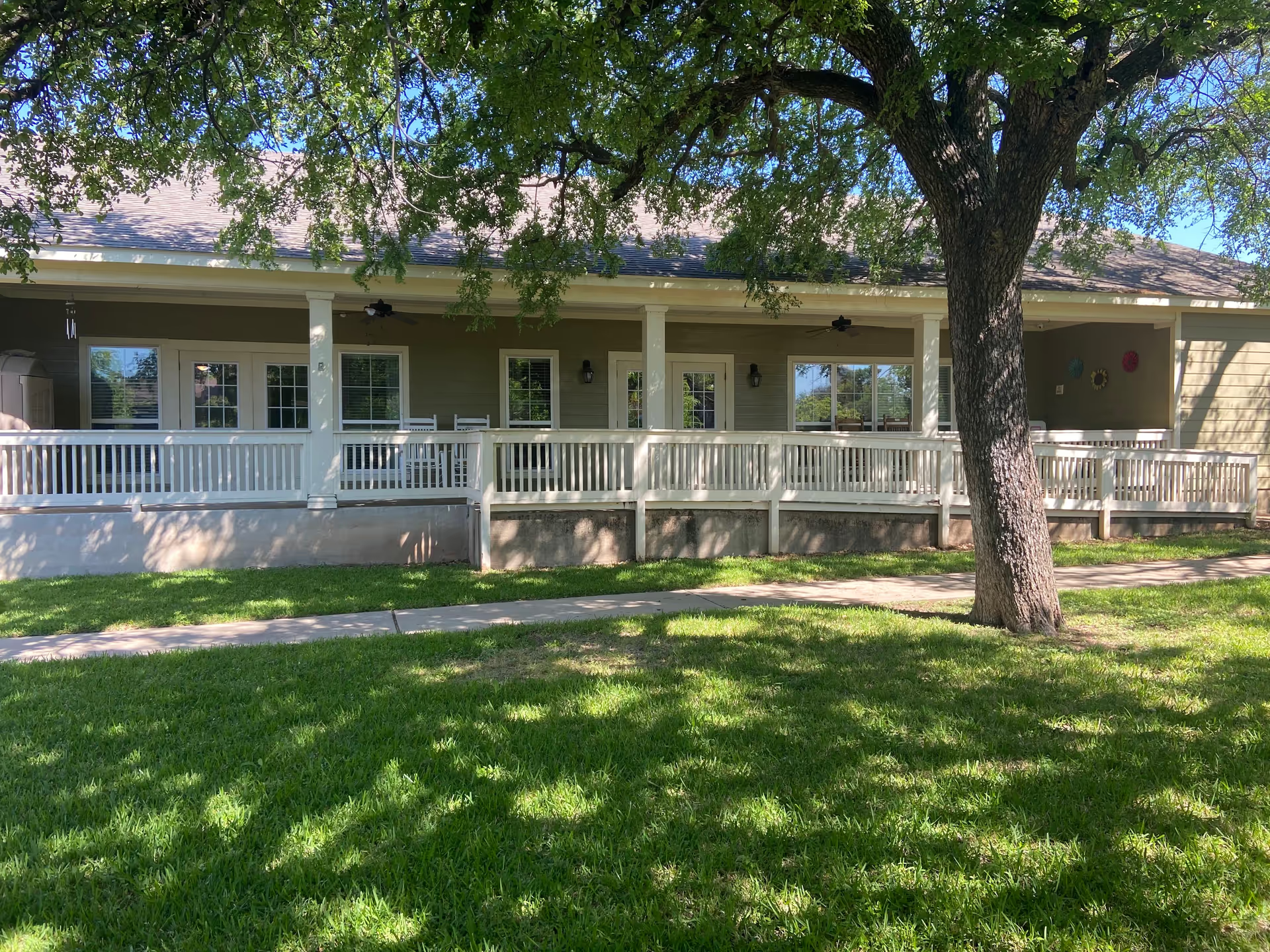
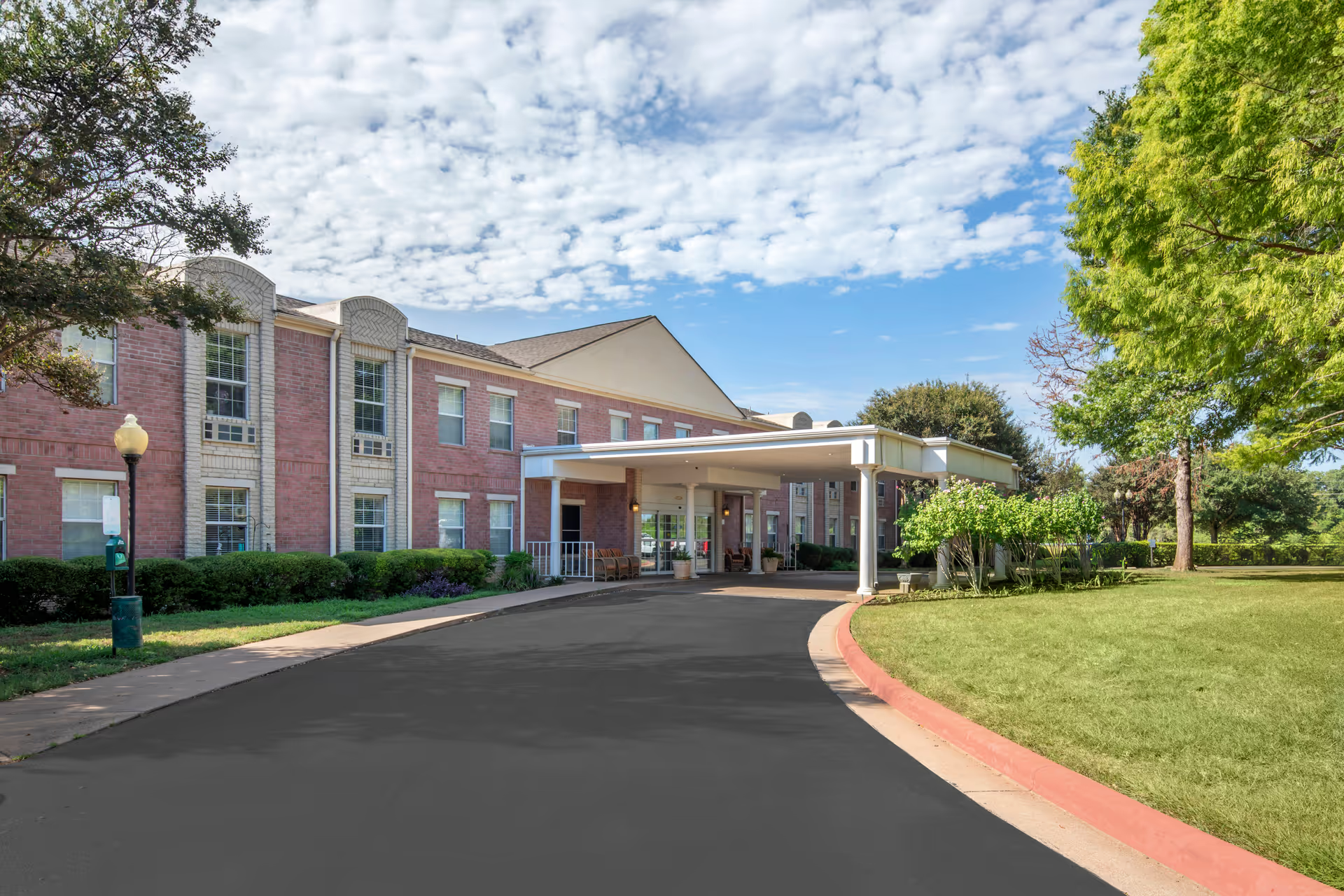
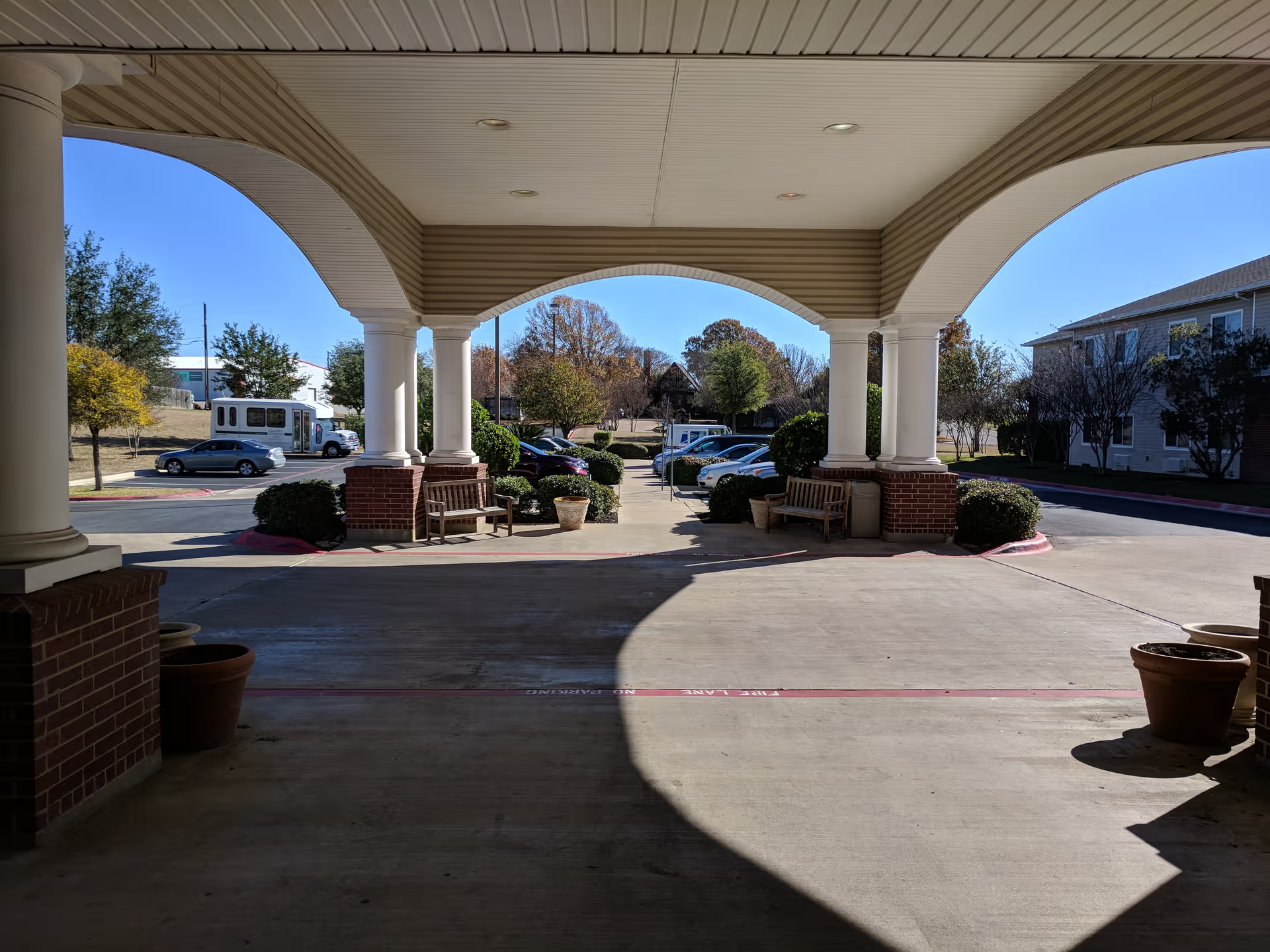
Facilities and management: The physical environment receives strong praise for being spacious, attractive, and well maintained, and many reviewers describe a spotless facility. Management is often described as responsive and approachable, which supports a positive relationship with families. Nonetheless, some reviews raise operational concerns — notably gaps in wound and skin-care management, care-coordination lapses that have resulted in hospital transfers for some residents, and broader safety- and monitoring-related issues. These indicate opportunities for improvement in clinical oversight, documentation, and incident follow-up.
Notable patterns and recommendations: The dominant pattern is of a high-quality, pleasant living environment with caring staff and good amenities. Counterbalancing that, there are recurring concerns about inconsistent responsiveness, meal-service reliability, and clinical follow-through that could materially affect vulnerable residents. Families touring the facility should observe staff–resident interactions, ask specific questions about care-plan review frequency, wound-care and skin integrity protocols, staffing levels during peak times, meal-assistance procedures, and how the facility communicates and documents incidents and follow-up actions. Doing so will help determine whether the facility’s strengths align with an individual resident’s clinical and daily-living needs.