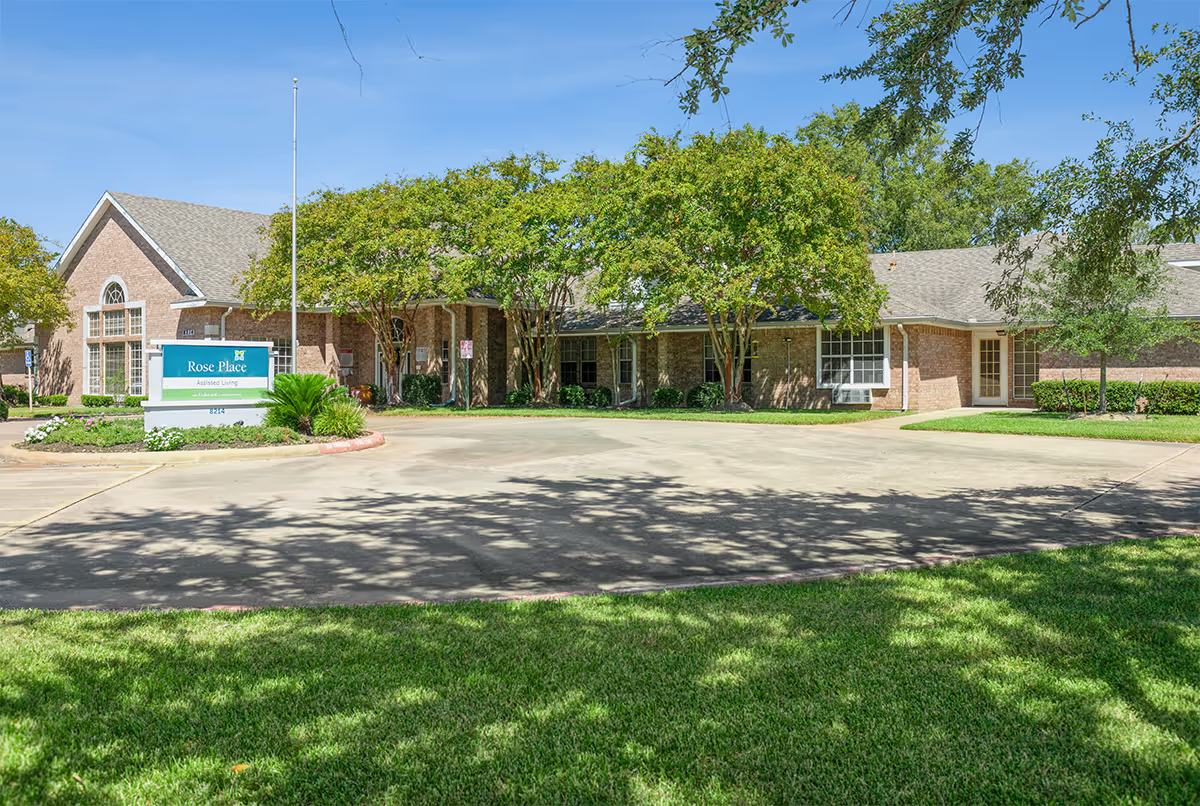
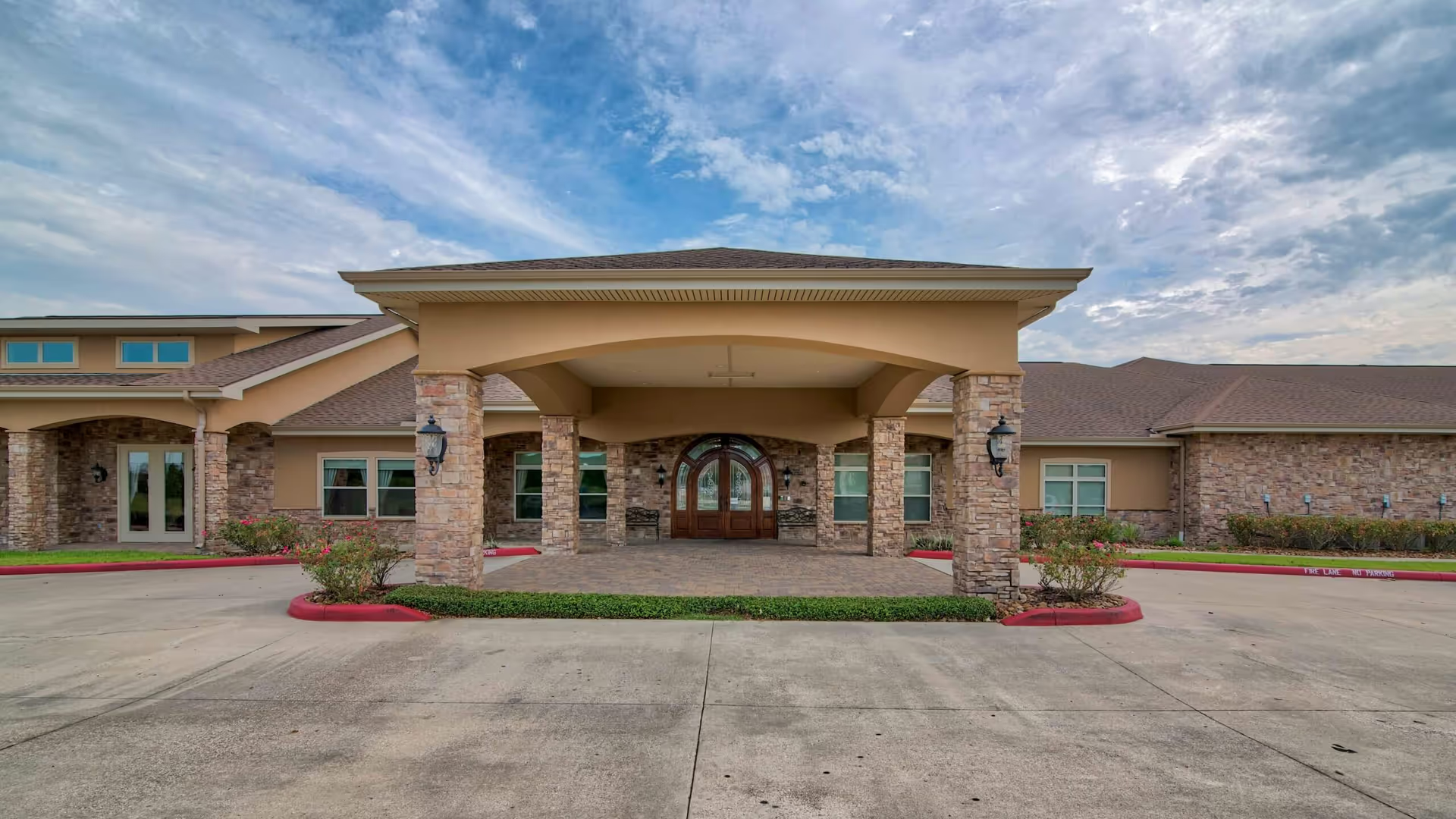
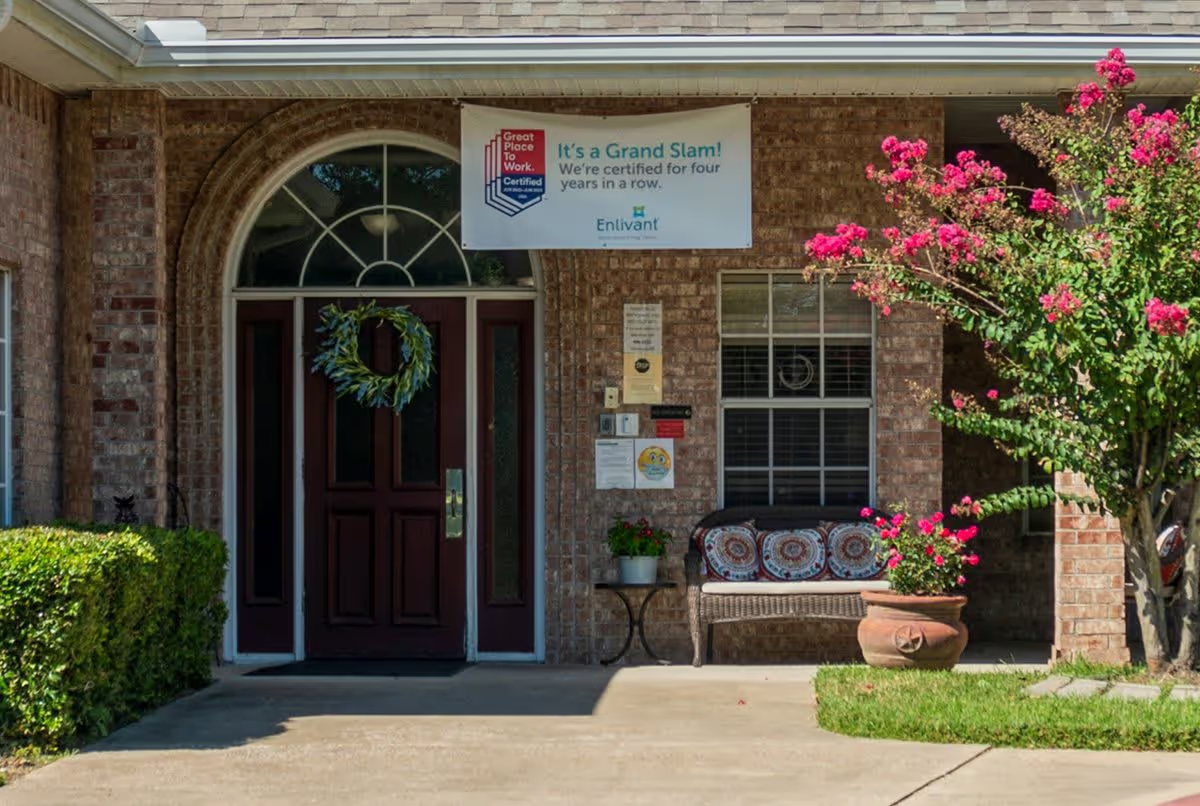
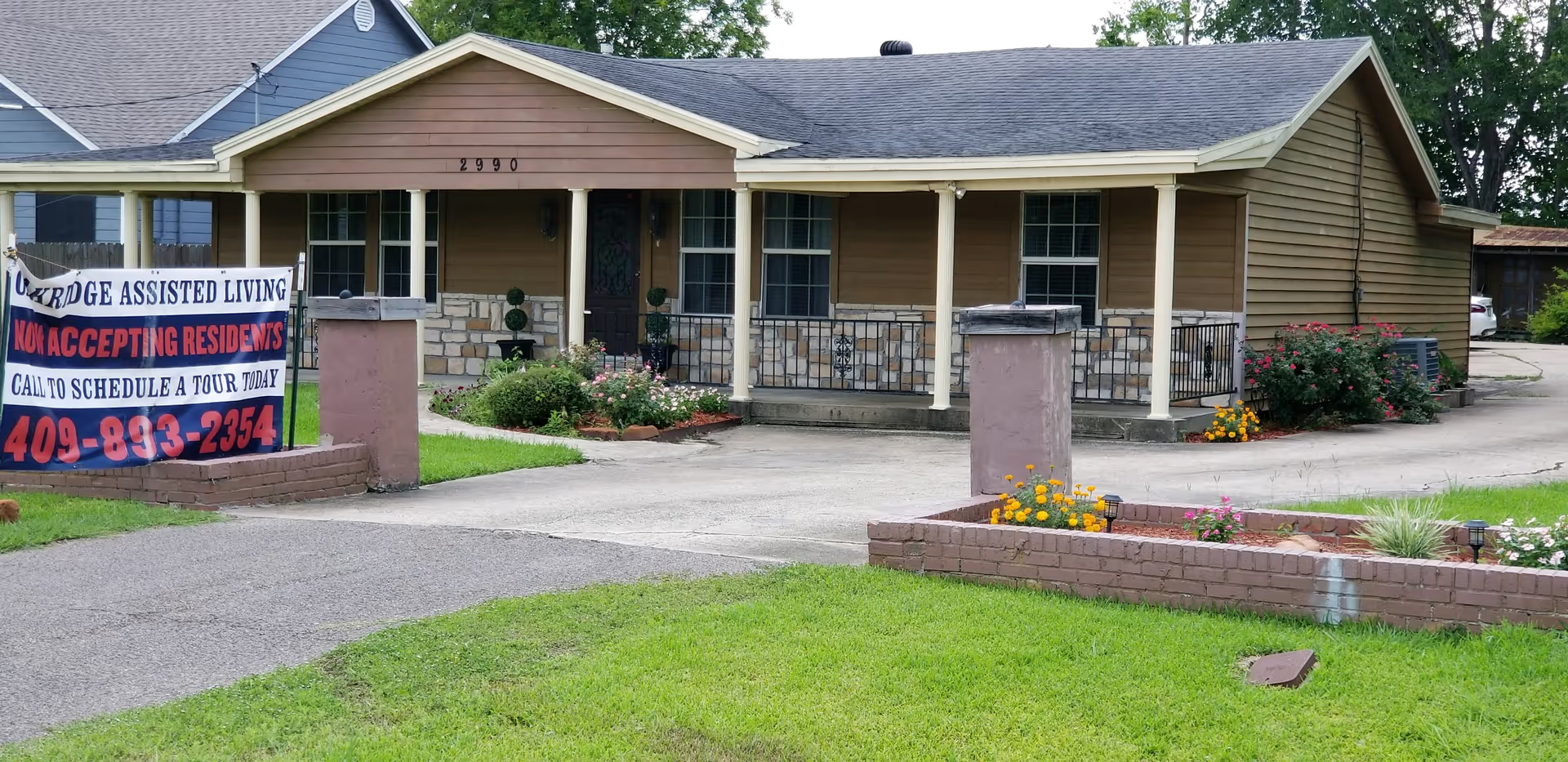
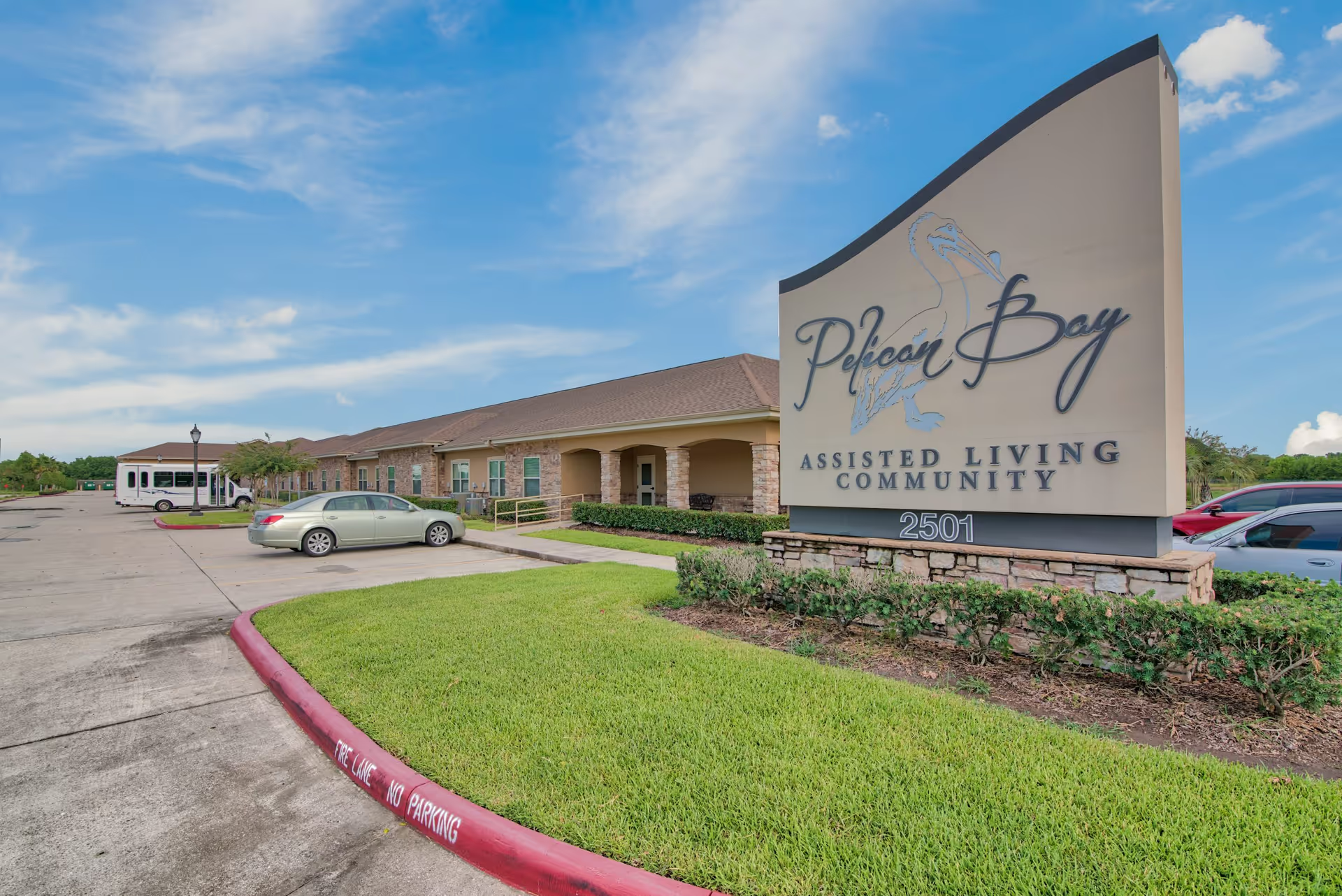
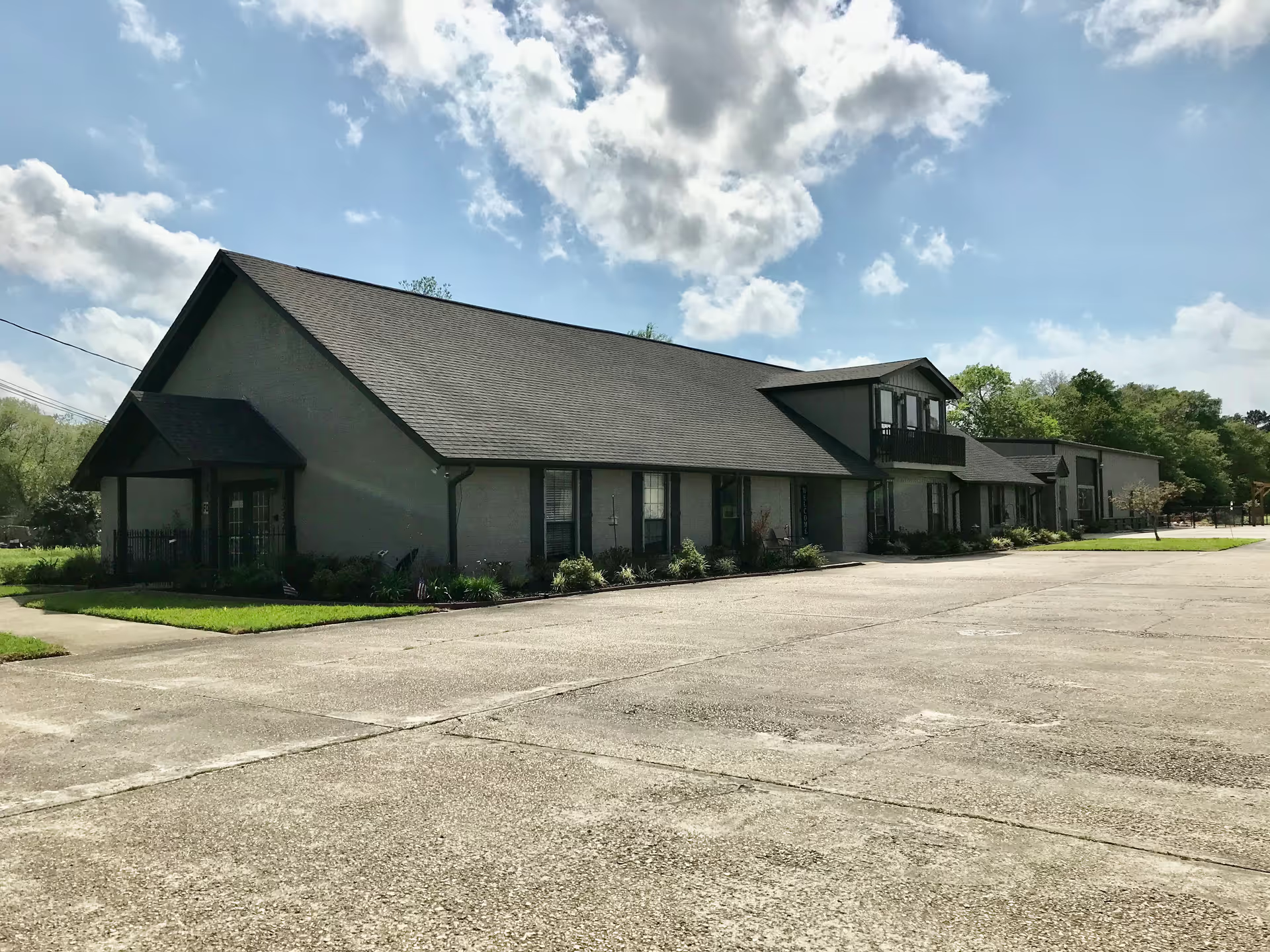
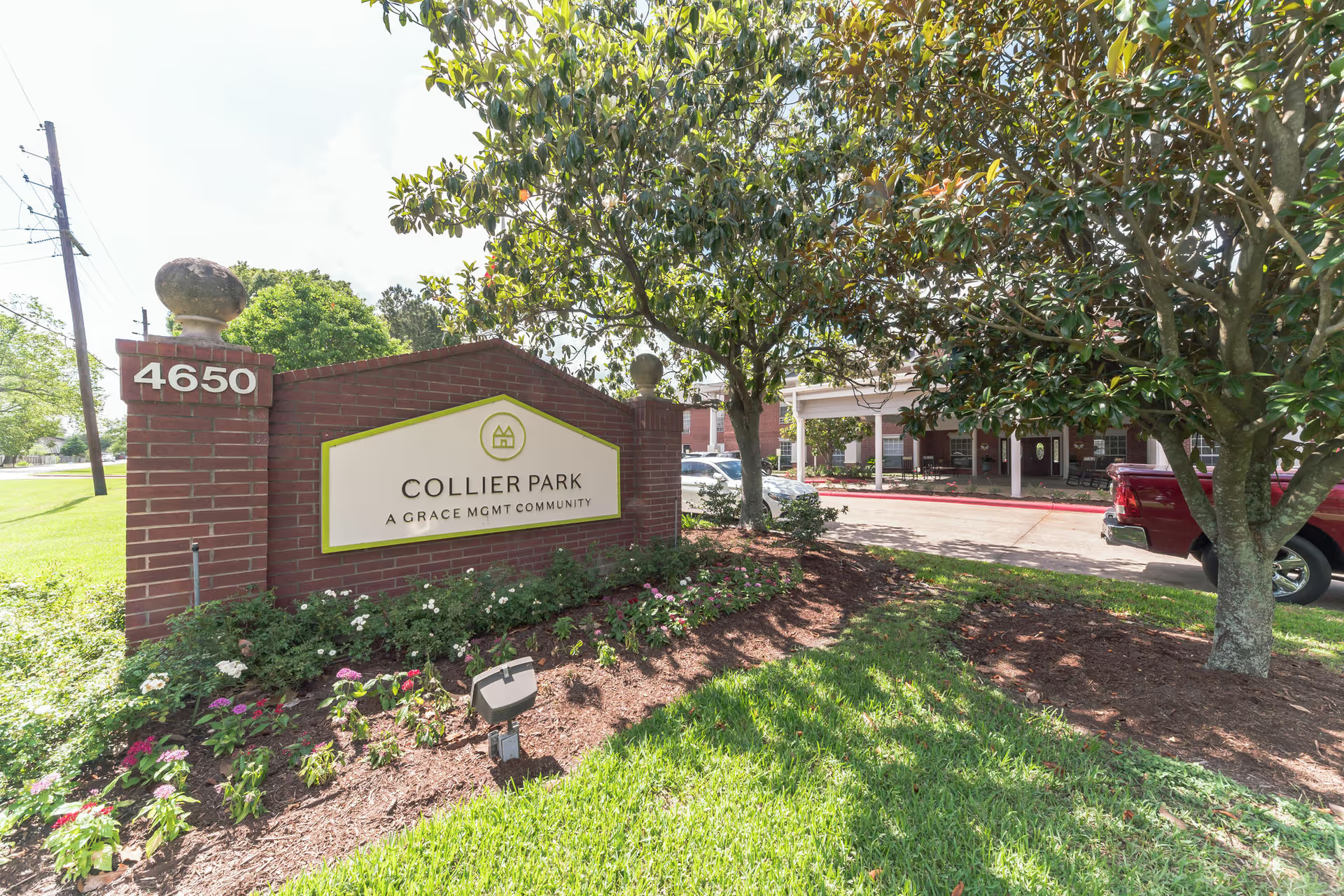
Overall impression: The facility presents as a well-appointed post-acute and long-term care setting with strengths in admissions, initial assessment, and resident-focused amenities. Multiple reviewers highlighted a smooth intake process, prompt room assignment, thorough initial clinical evaluations, and active coordination with attending physicians. Operational supports such as wheelchair assistance, an on-site salon, chapel services, cafeteria dining, and planned social events contribute to a family-friendly environment and a sense of normalcy for residents.
Care and staffing: Clinical and support staff are generally described as knowledgeable and personable, and several families praised the tone of administrative communication. These positive accounts suggest competent baseline care, particularly during admission and physician coordination. However, a subset of feedback points to variability in day-to-day caregiving responsiveness and inconsistencies in clinical follow-up. Specific concerns imply that pressure-injury prevention and routine wound care are areas where practices may not be consistently applied, and that incident-response procedures could be more robust.
Dining, activities, and facilities: The facility's physical amenities and programming are clear assets. Cafeteria-style dining, holiday programming, invitations to family events, and accessible services such as the salon and chapel support social engagement and convenience. The physical environment was described as pleasant by several reviewers, which aligns with those positive service elements.
Management and quality patterns: Administrative communication is often cited as a strength, with families noting helpful coordination during admission and physician interactions. At the same time, the feedback indicates gaps in quality-consistency controls and clinical oversight that can lead to uneven resident outcomes. There are also concerns regarding end-of-life coordination and communication, including at least one serious post-acute outcome that prompted additional scrutiny by a family. Those items point to opportunities for improved protocols around incident escalation, hospice collaboration, and family outreach during critical events.
Guidance for families: Prospective residents and families should weigh the facility's clear strengths in admissions, amenities, and day-programming against the reported variability in clinical consistency. Recommended pre-admission questions include inquiries about pressure-injury prevention protocols, staffing levels and shift coverage, incident-response workflows, and how the facility coordinates with hospice or palliative services. Observing direct care interactions and requesting recent quality-assurance or incident-response policies during a tour can help assess whether this facility's operational practices meet a family's specific expectations.