Pleasant Manor Health & Rehabilitation Center elicits consistently mixed but clarifying impressions. Reviewers most frequently praise the facility's caregiving and therapy strengths: staff are described as compassionate, respectful, and attentive, and the rehabilitation department is widely viewed as a particular strength. Many families and visitors characterize the environment as safe and peaceful, with comfortable climate control and an overall clean presentation. Several individual caregivers and nurses received repeated commendations for going above and beyond in resident care.
Care and clinical services: Clinical strengths appear to center on rehabilitation and hands-on caregiving. Physical and occupational therapy are repeatedly highlighted as excellent, and CNAs and nurses are often described as polite, upbeat, and attentive. At the same time, reviewers describe variability in some clinical processes: there are recurring concerns about inconsistent responsiveness to resident needs and communication gaps between staff and families. Additionally, a subset of comments raise questions about medication-management practices; prospective families should inquire directly about medication administration protocols and oversight during tours or admissions discussions.
Staff and management: Leadership and administrative responsiveness receive positive mention in many accounts, with an open administrator and engaged business-office management cited as strengths. However, several reviewers contrast that leadership with instances of poor follow-up and perceived lack of accountability at the floor level. Communication and coordination between departments (nursing, housekeeping, administration) are noted as areas that fluctuate in reliability, contributing to uneven experiences among residents.
Dining, housekeeping, and sanitation: Meal quality is generally described as satisfactory and reportedly improving. Housekeeping is often viewed as sanitary and thorough, but there are intermittent sanitation and odor concerns in specific areas and occasions when bathing-area cleanliness is described as inconsistent. These observations point to variability in day-to-day environmental services rather than a uniformly poor standard. Prospective families may want to ask about housekeeping schedules, restroom/shower cleaning protocols, and odor-control measures.
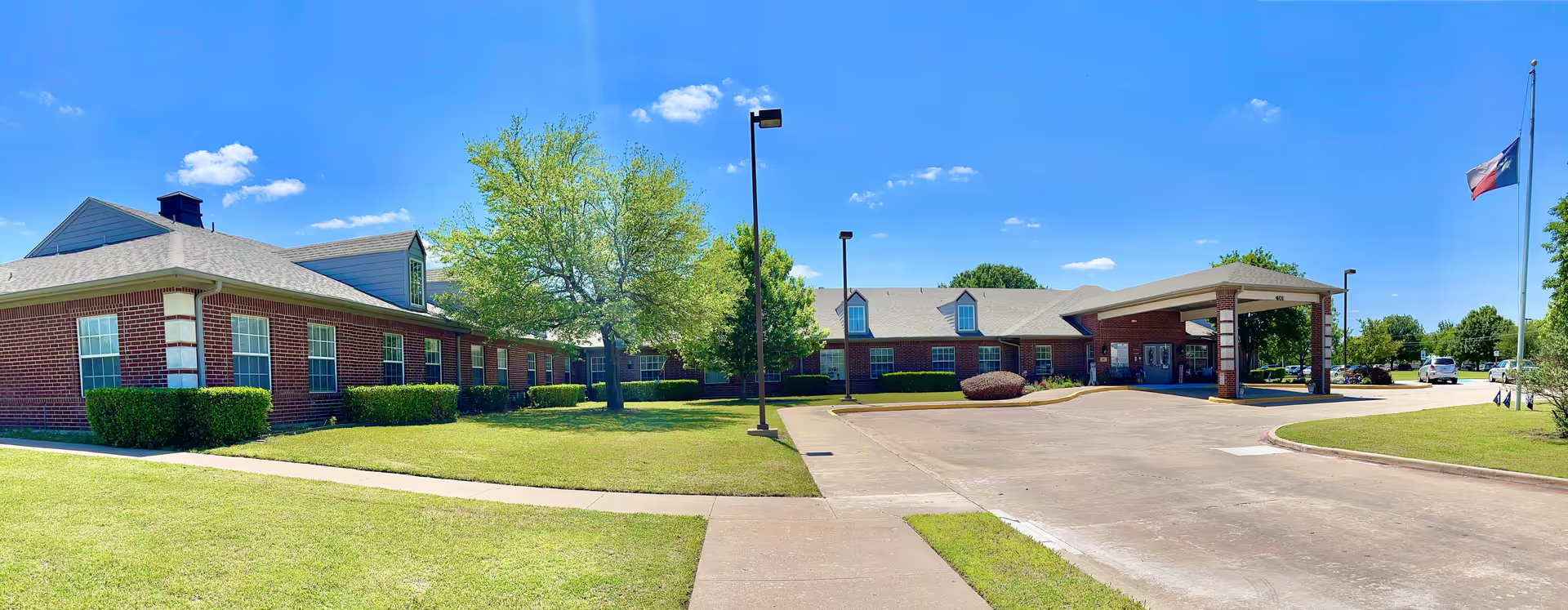
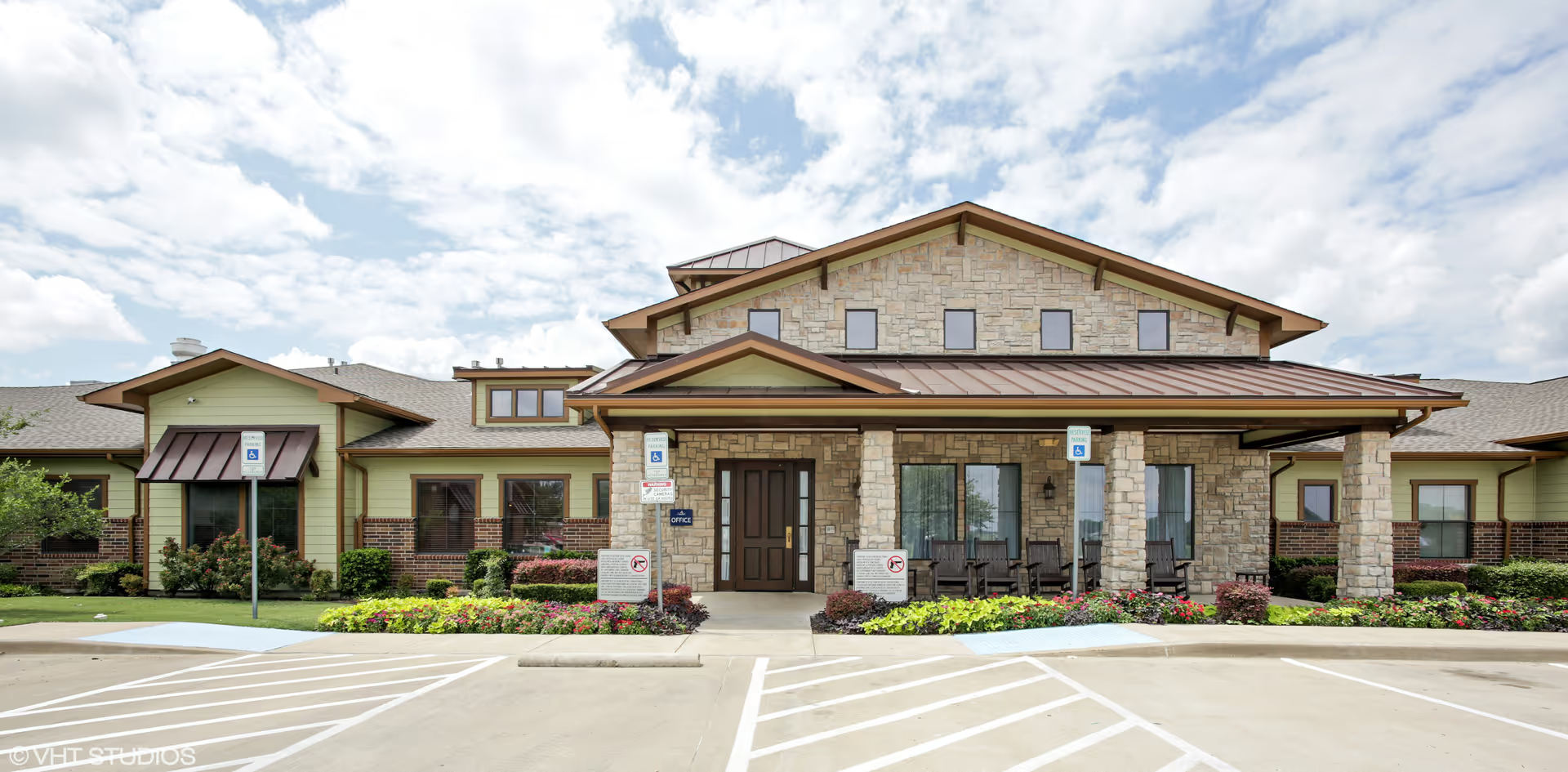
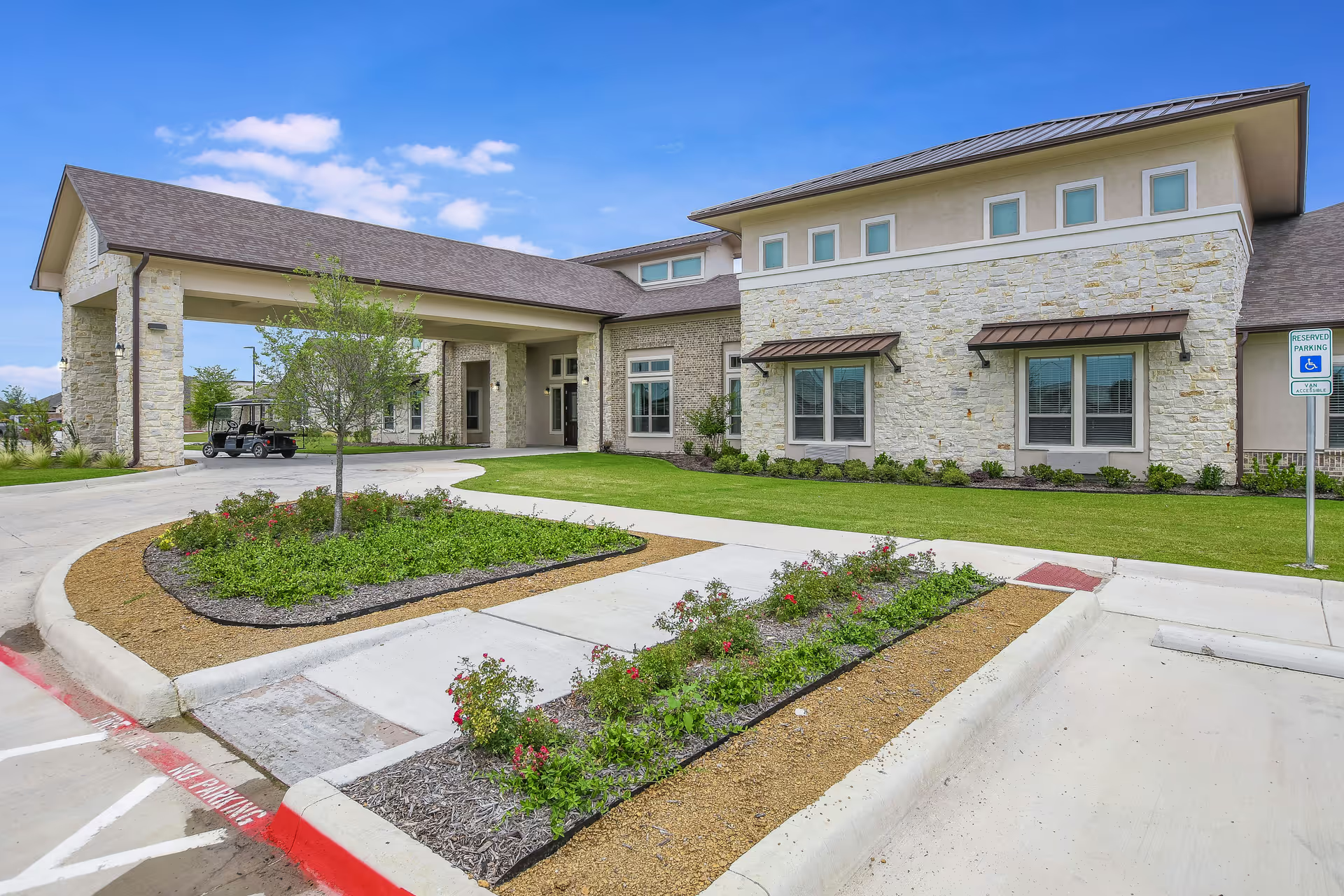
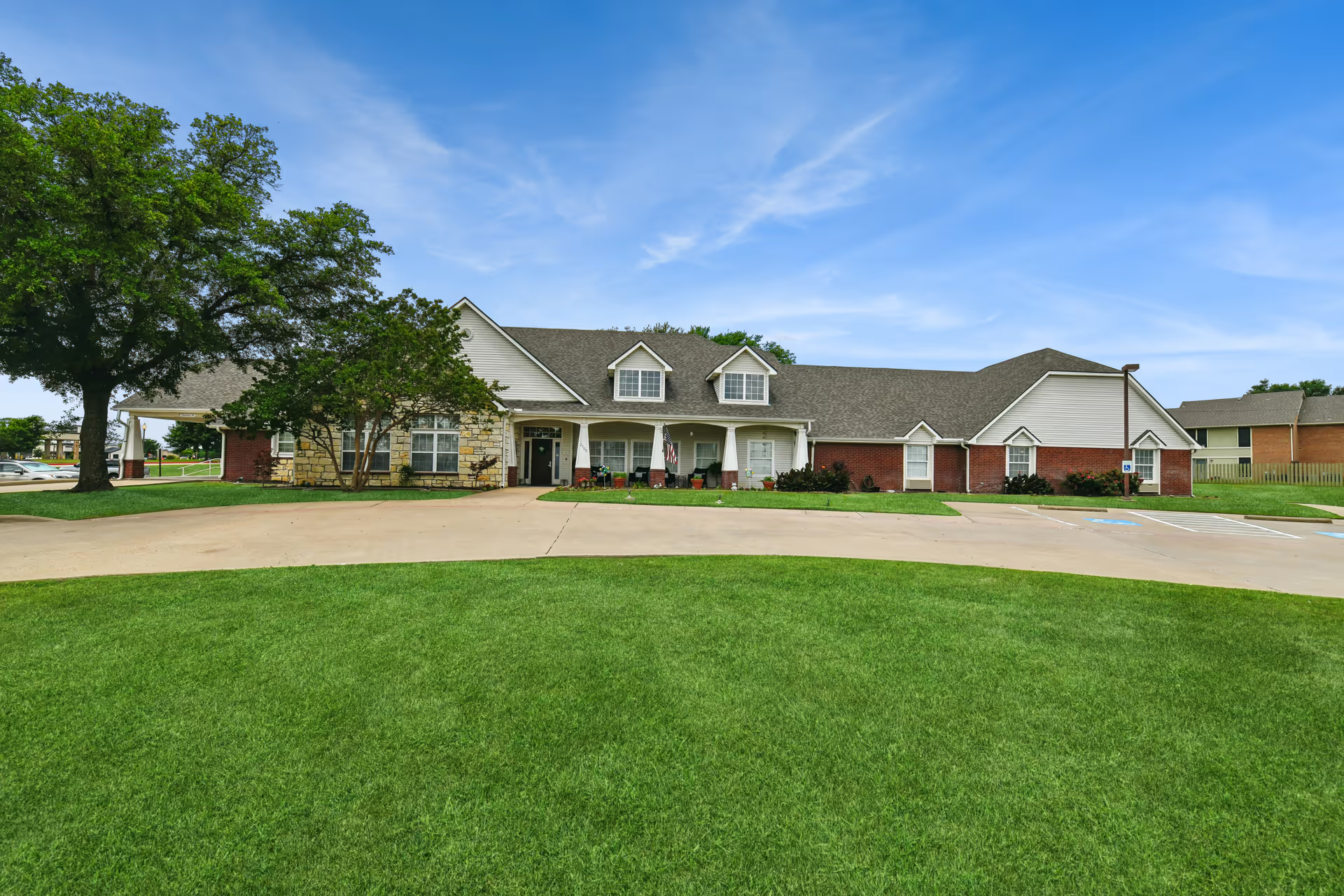
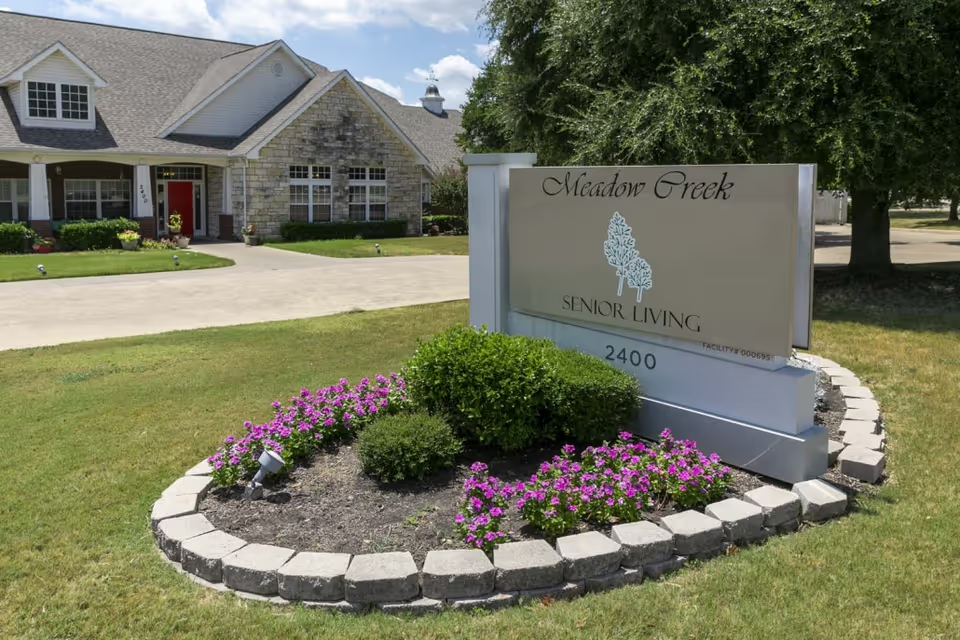
Activities, facilities, and atmosphere: Activity programming is an identified weakness for some reviewers; comments indicate limited offerings and occasional delays in resident engagement. The physical plant is described as older in places, with remodeling underway in parts of the building. Some reviewers found portions of the facility less inviting—citing limited curb appeal or a more institutional feel in certain wings—while others described a home-like and welcoming atmosphere in renovated or well-maintained areas. The facility does not appear to offer private-duty nursing as an option, which may be relevant for families seeking that arrangement.
Notable patterns and guidance: The dominant positive themes are strong therapy services, compassionate frontline staff, and effective leadership in many instances. The dominant negatives are operational: inconsistent housekeeping/sanitation in specific areas, variable responsiveness and communication, activity-program limitations, and issues related to an older building and personal-property security. Prospective residents and families should weigh the facility's strong rehabilitation and caregiving reputation against these operational inconsistencies. Recommended questions during a visit include staffing ratios and responsiveness metrics, medication oversight procedures, housekeeping and odor-control schedules, availability (or not) of private-duty nursing, and specifics about activity programming and ongoing remodeling timelines.