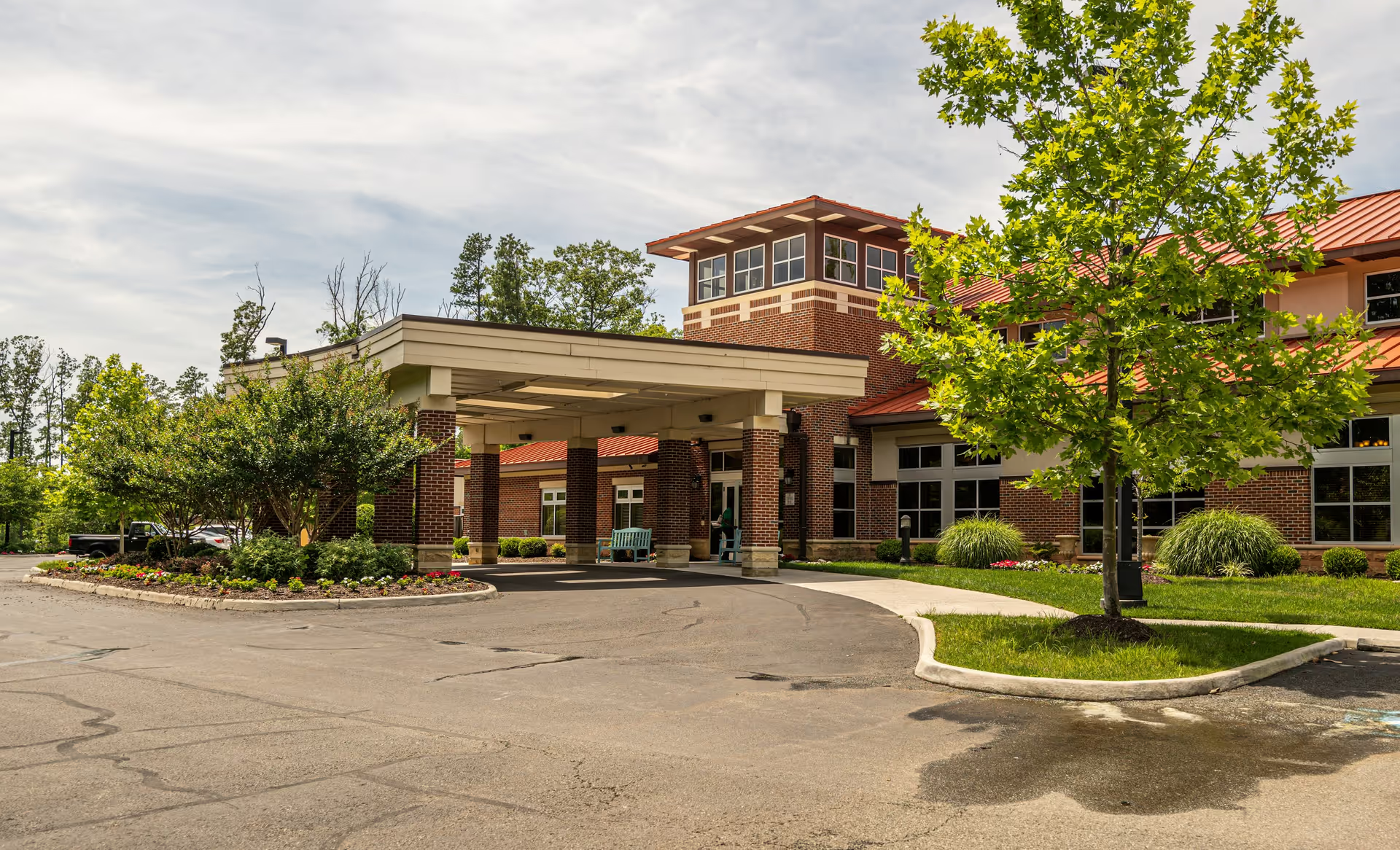
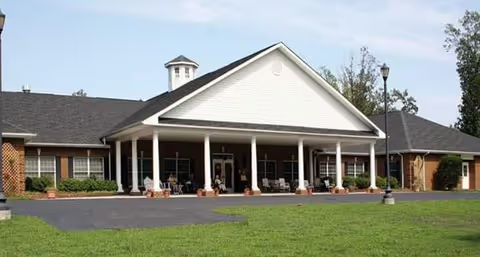
Amelia Rehabilitation and Healthcare Center elicits a strongly mixed but patternable picture. Many families and former patients praise the facility for its rehabilitative capacity, describing a strong therapy program, a bright and well-equipped therapy gym, and frequent positive outcomes for short‑term rehab stays. Routine nursing and caregiving are frequently described as compassionate and attentive; reviewers cite 24/7 nursing availability, a family‑oriented, home‑like atmosphere, and admissions/social‑service support that eases transitions.
The activities department is a clear institutional strength. Numerous accounts highlight a broad calendar of social programming — from seasonal parties, proms, and live performers to regular games, music clubs, and small‑group social events — that contributes to resident engagement and a visible community spirit. Housekeeping and dietary staff receive many compliments for responsiveness and maintaining clean, comfortable common areas and grounds; the rural setting and outdoor walking areas are also noted as positive environmental features.
At the same time, reviews indicate operational inconsistencies that prospective residents and families should investigate. There are recurring concerns about staffing levels and timeliness of assistance (including call‑response reliability), and reviewers describe sanitation and odor concerns in some parts of the facility. Equipment maintenance gaps (including call systems and aging furnishings/linens) and occasional meal‑service variability — limited menu choices and inconsistent meal quality — were also noted. Several accounts raise issues with medication‑administration timing and with unequal access to activities for less‑mobile or non‑verbal residents.
Communication and management consistency are areas of divergence. Many reviewers commend specific leaders (named administrators and the director of nursing) for proactive involvement, family outreach, and strong teamwork; others describe variability in leadership responsiveness and escalation pathways. A small number of reviews raise serious clinical concerns (pressure injuries, infections) and allege a near‑fatal incident and poor follow‑up; these appear to be isolated but significant when they occur. Families emphasized that responsiveness to clinical incidents and timely communication with physicians and relatives are critical.
Practical questions for families: ask about current staffing ratios and typical response times to call buttons; request recent housekeeping and pest‑control audits; review medication‑administration processes and incident‑reporting procedures; verify the current dining menu cycle and accommodations for special diets; and inquire how the facility ensures equitable activity access for residents with limited mobility or communication barriers. Overall, Amelia shows clear strengths in rehabilitation, activities, and compassionate caregiving, paired with operational areas that would benefit from sustained management attention and transparency.