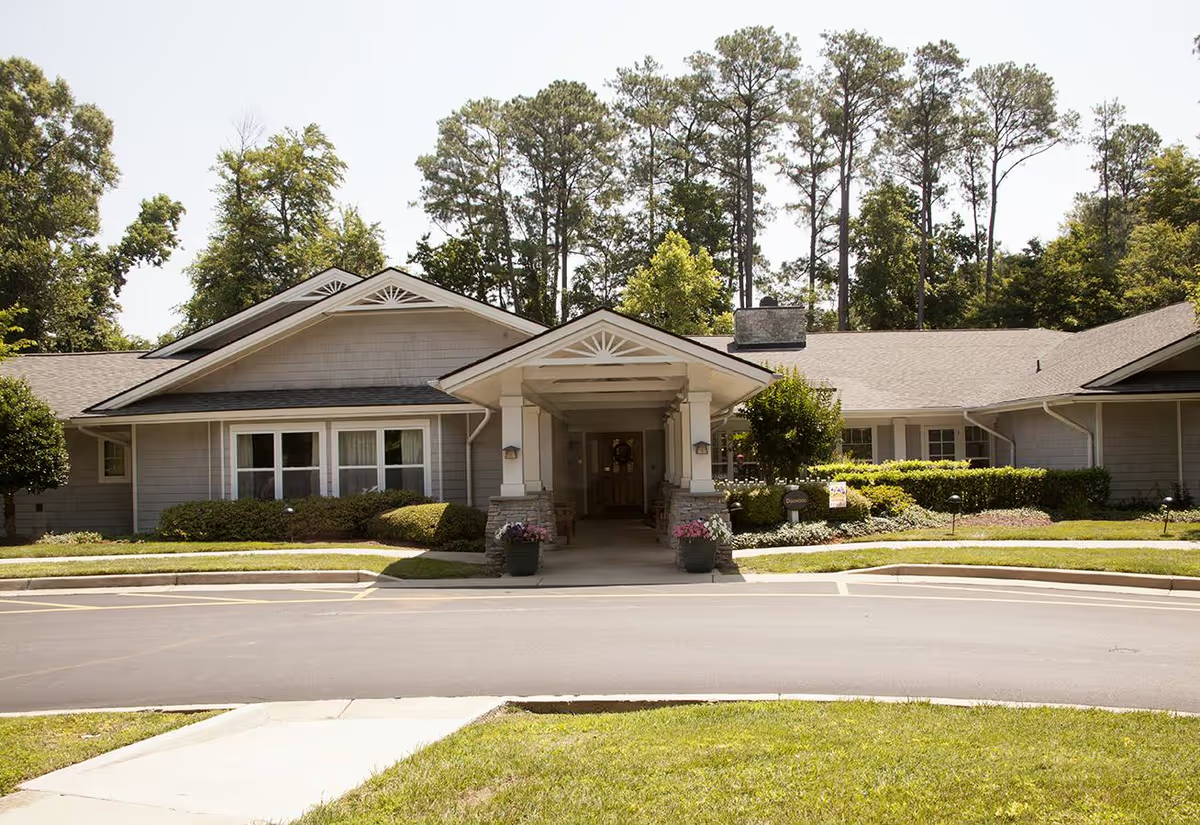
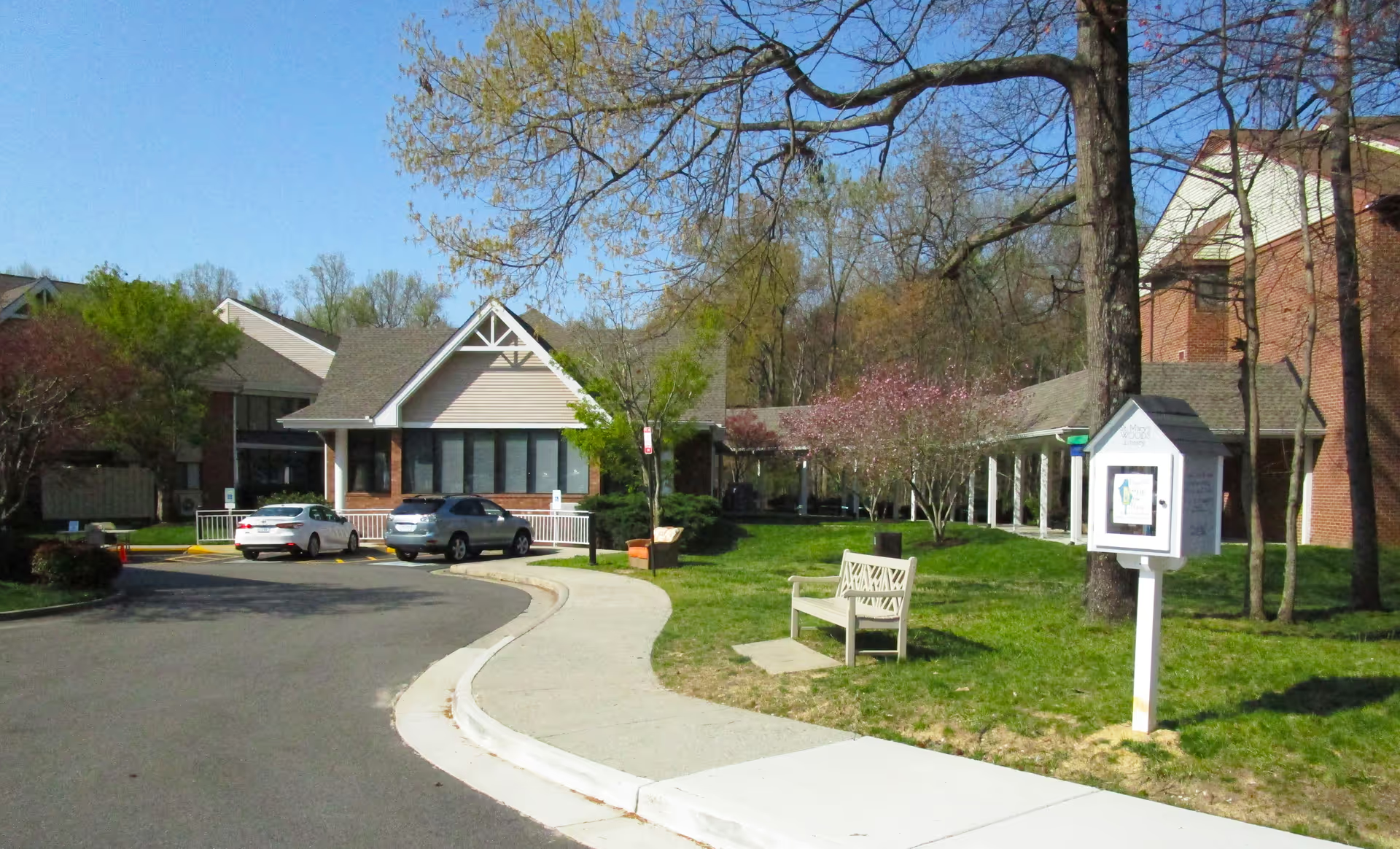
Reviews present a mixed and polarized view of Ruxton Health and Rehabilitation Center of Westover Hills. Many families and visitors describe warm, personable interactions with caregivers, an accessible administration, and a number of programs and amenities that create a homelike atmosphere. Positive comments highlight friendly staff behavior, organized recreational offerings (bingo, outings, prizes), on-site therapy and rehabilitation, an Alzheimer’s/dementia secure unit, an on-site salon, and roomy resident accommodations with good storage. Several reviewers also praised specific staff and cleaning personnel for attentive, respectful care and for contributing to a comfortable environment.
At the same time, recurring operational concerns appear across reviews. Clinical oversight and medical coverage are described as inconsistent, with gaps in weekend physician availability and delays in palliative or pain-management coordination. Reviewers raised issues about medication management and end-of-life care processes. There are also accounts indicating variability in staff competency and training, occasionally contrasted with staff who are personable but less clinically effective. A small number of serious allegations concerning unsafe handling and physical harm by staff were raised; additionally, a low regulatory oversight score (DHHS rating cited as 1/5) was noted by reviewers, indicating documented quality deficiencies that merit inquiry.
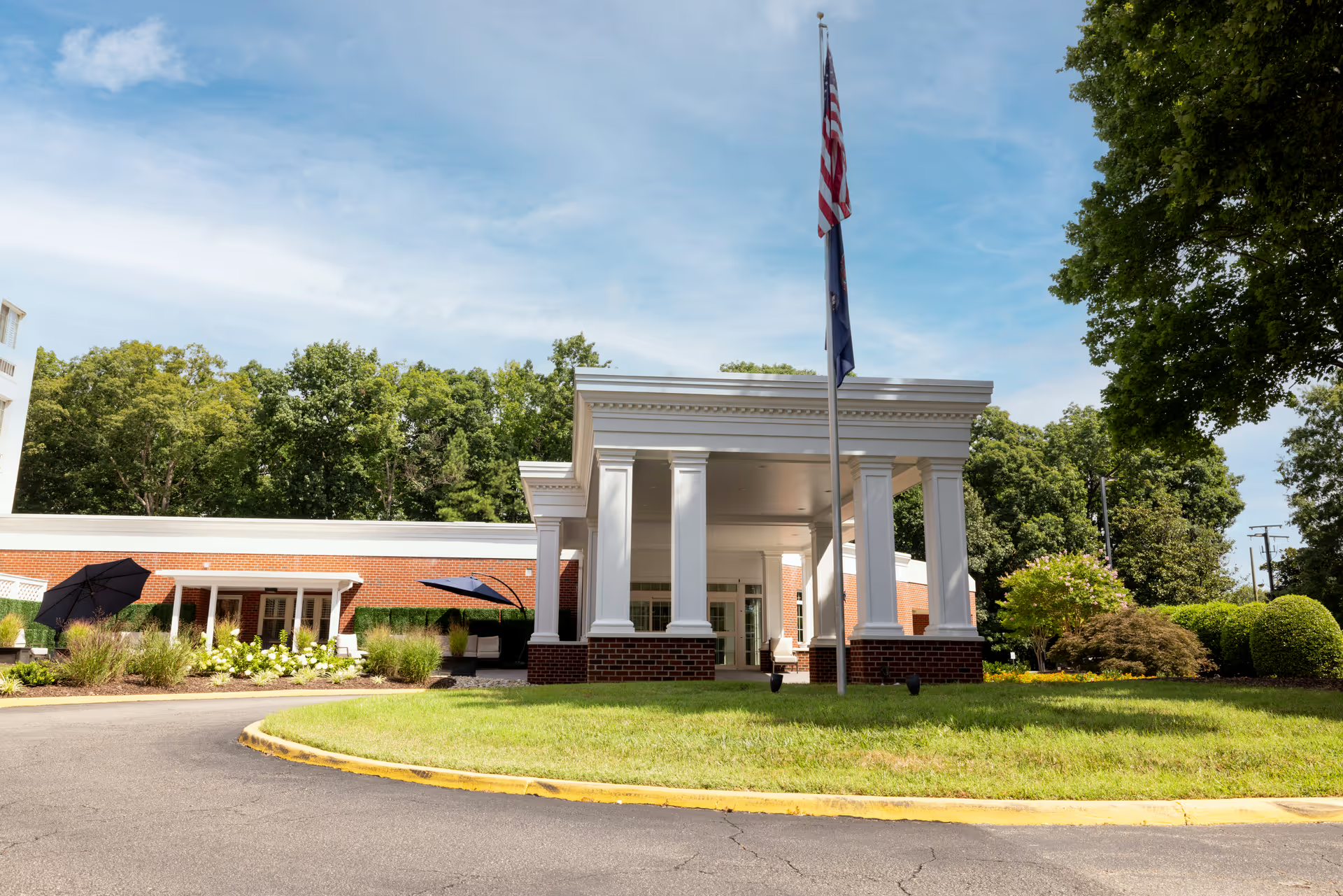
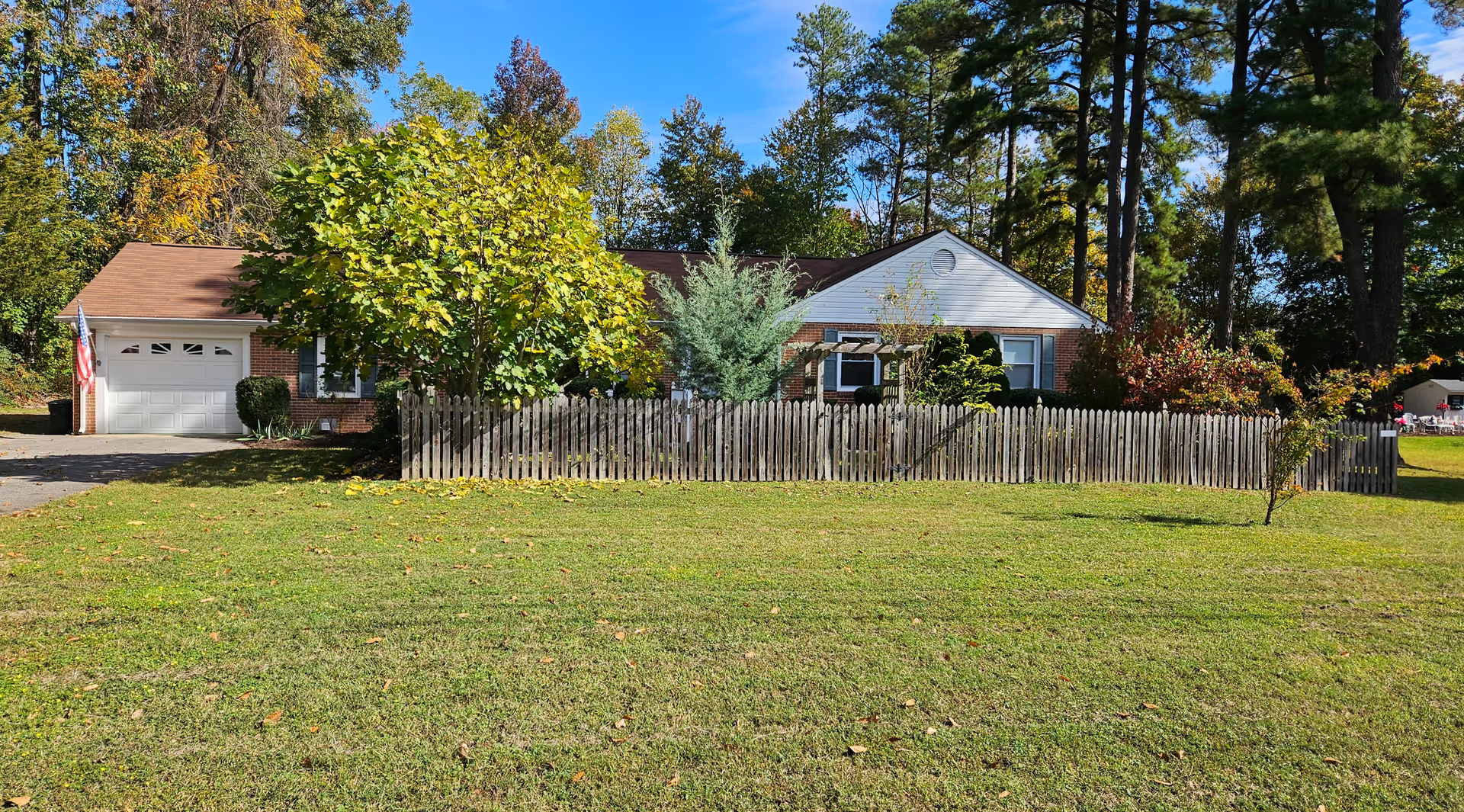
Safety, hygiene, and facility maintenance emerge as additional areas of concern. Reviews reference incontinence-care delays and broader sanitation and odor-control inconsistencies in certain areas, alongside maintenance shortfalls such as aging infrastructure, interior damage, and exterior appearance that some find dated or gloomy. Several families described instances suggesting gaps in monitoring and incident reporting, including concerns about fall prevention and response. Food-service consistency is uneven: while the dining room and meal provision receive favorable mention from some, others cite meals arriving cold or inconsistent meal-temperature control.
Programming and daily life are described positively in many notes but with limits. Recreational activities, transportation to outings, bingo, and social events are strengths; however, activity options and adaptation for residents with advanced cognitive impairment are described as limited. The facility operates a secure/lockdown unit for residents requiring more supervision, which may impact program availability and the character of communal spaces.
For prospective residents and families, the pattern suggests a facility with genuine interpersonal strengths and useful services but with substantive operational variability. Recommended next steps before placement include: reviewing the facility’s most recent regulatory reports, asking about weekend and on-call medical coverage, inquiring how the facility handles medication reconciliation and palliative care, observing mealtime service and an activity period, asking for specifics on staffing ratios and training (including fall-prevention protocols), and touring both the dementia unit and general areas to assess maintenance and sanitation standards. These targeted questions can help determine whether the facility’s positive interpersonal culture is matched by the clinical and operational reliability a given resident requires.