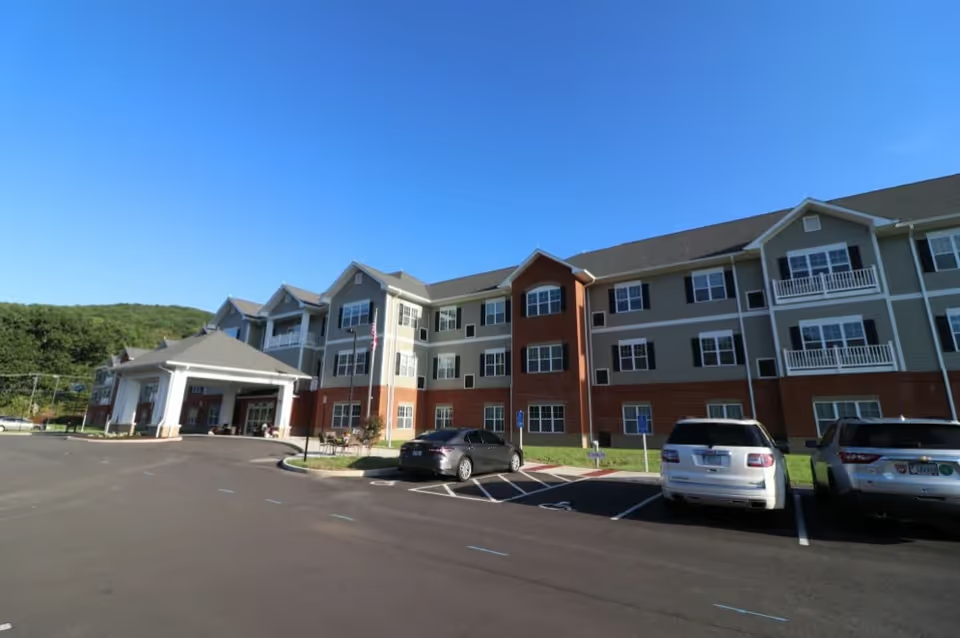
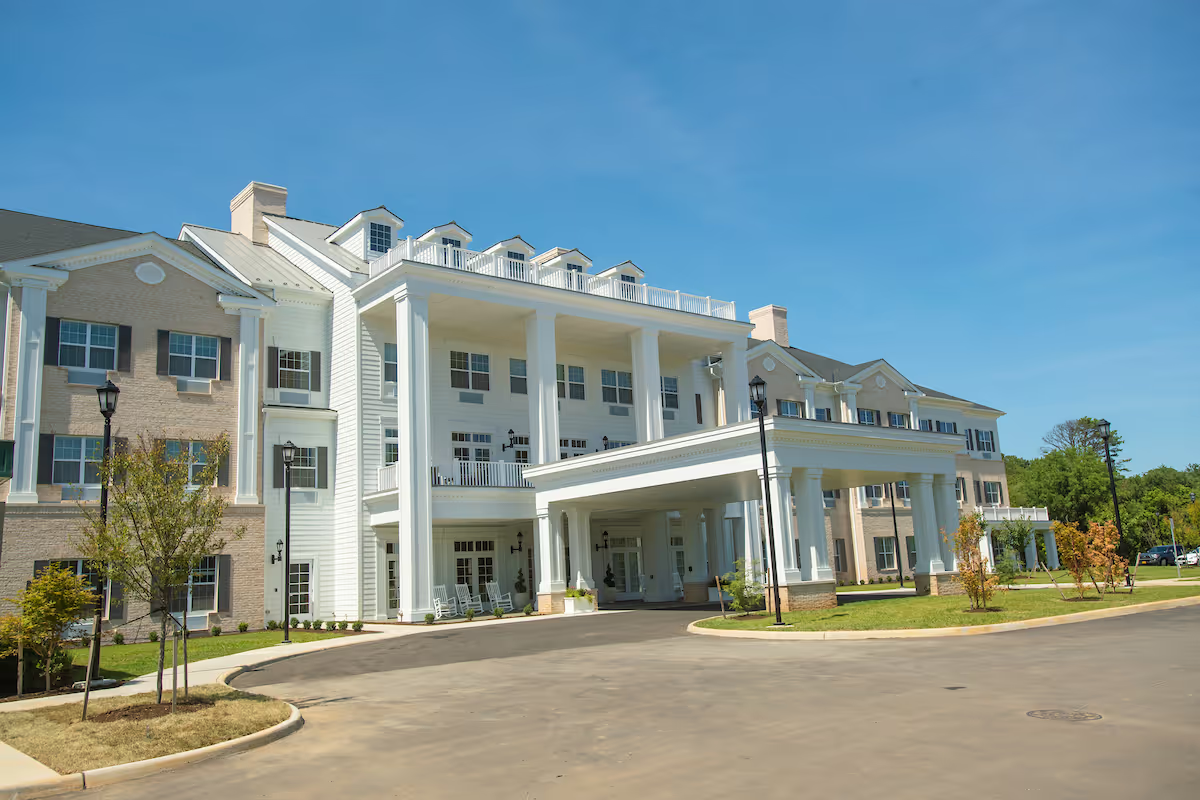
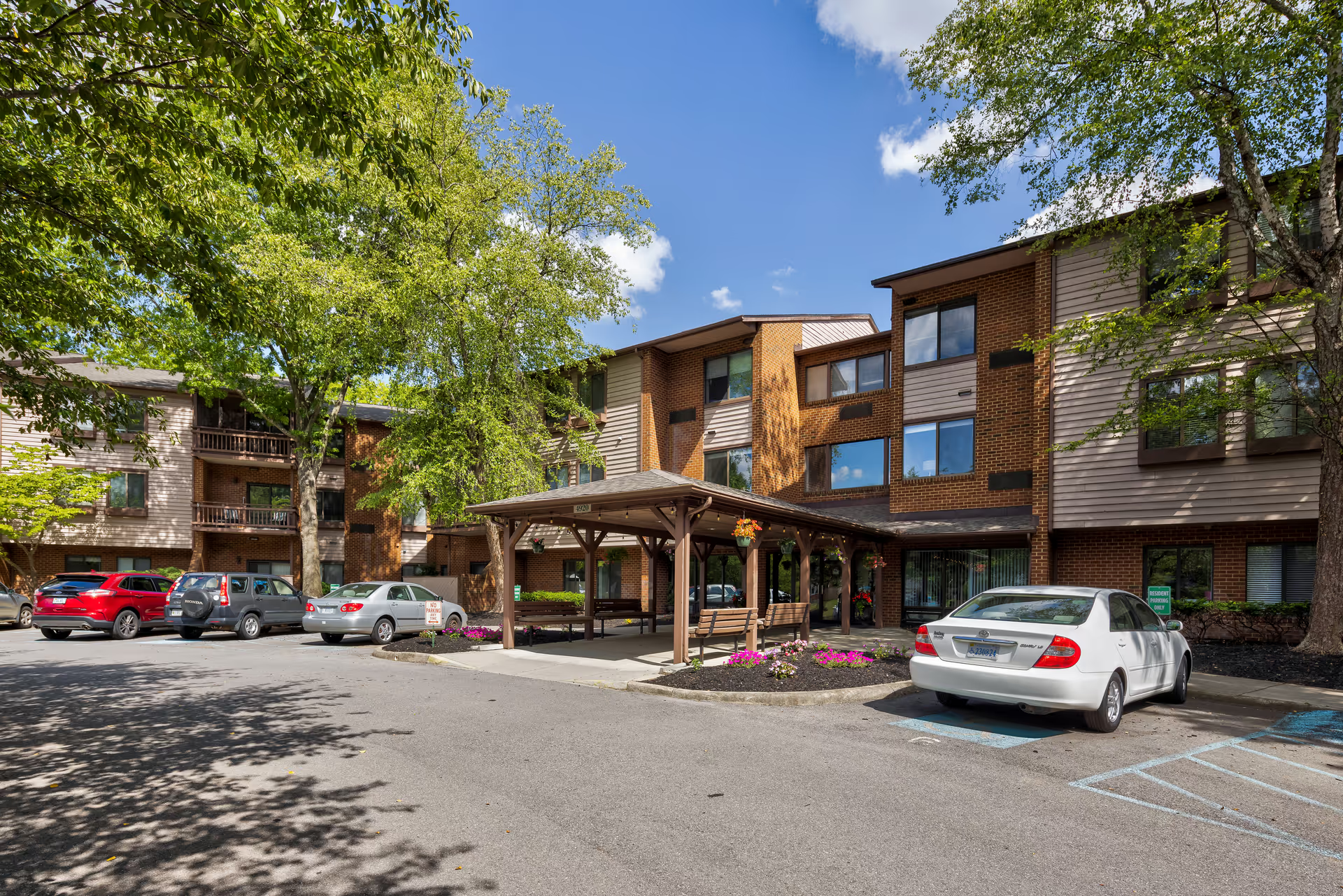
Reviews of Pheasant Ridge Nursing and Rehab Center present a mixed picture, with a clear split between direct-care strengths and operational weaknesses. Positive comments emphasize the interpersonal and therapeutic side of the facility: many reviewers described staff as friendly and compassionate, therapists as skilled and patient, rooms as large and visitor-friendly, and housekeeping as thorough. Several families also noted effective pain control and instances of well-coordinated care, which they found reassuring during a stay.
However, clinical and operational concerns appear repeatedly and warrant attention. Nursing-care delivery is described as inconsistent in practice, and family members cite lapses in routine personal care such as bathing and wound management. These gaps are often attributed to limited staffing levels and delays in responding to call bells and resident requests. Reviews also point to weaknesses in how clinical incidents are documented and communicated to families, particularly around falls and follow-up information.
Facility management and oversight emerge as a recurring theme. Multiple reviewers expressed frustration with administrative follow-through and perceived a mismatch between the facility’s marketing/presentation and the everyday care experience. This combination of managerial shortcomings and frontline staffing constraints appears to drive many of the negative observations about continuity of care and responsiveness.
On balance, Pheasant Ridge demonstrates clear strengths in therapy services, housekeeping, and positive staff–resident interactions in many cases. Prospective residents and families should weigh those strengths against the operational concerns: inconsistent personal-care practices, staffing and responsiveness issues, and reported gaps in incident reporting and leadership follow-through. When evaluating the facility in person, consider asking targeted questions about staffing ratios, wound-care protocols, call-bell response times, incident reporting procedures, and how interdisciplinary teams coordinate care to ensure that written promises align with day-to-day practice.