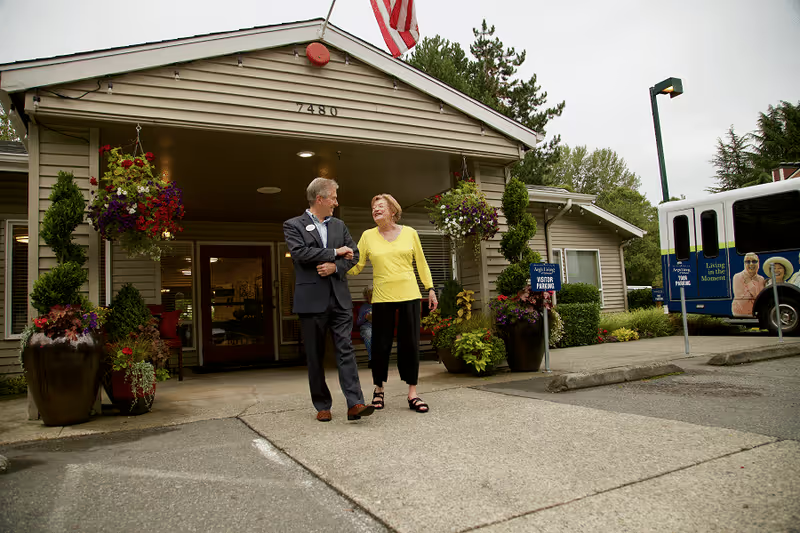
Bridle Manor AFH is consistently described as a small, home-like adult family setting that emphasizes compassionate, family-style caregiving. Reviewers frequently highlight individualized attention, adaptive care plans, and strong communication with family members. The facility's clinical supports — including visiting nurses and an on-site physician presence in some accounts — are noted as contributing to a sense of safety and peace of mind, and several accounts reference calm, well-managed end-of-life care.
Staff quality is a recurring strength. Caregivers are routinely described as attentive, loving, and professional; particular staff members are singled out by name as exemplary. Families report clear, timely updates about changes in condition and care, and many praise the way staff integrate residents into a familial environment. These strengths align with descriptions of an immaculate, well-maintained home with private rooms, comfortable furnishings, and attractive grounds that create a residential rather than institutional feel.
Dining and daily living observations trend positive: reviewers mention healthy, fresh meals and an overall clean environment. Activities are offered (crafts and common-area social time are specifically referenced), and the layout includes multiple living spaces that some families find cozy. That said, reviewers also note variability in how comfortable and inviting particular common rooms feel, suggesting that different areas of the house may offer different levels of social engagement.
Notable patterns of concern center on operational consistency. Several accounts indicate a decline in care continuity following an ownership or management change; this is reflected in reports of decreased engagement for some residents and intermittent gaps in staff responsiveness. Activity participation also appears uneven — while some residents are actively included in crafts and social time, others may be left unengaged. Cost is another recurring theme: a number of families perceive the price point as high relative to the value received, so prospective residents should evaluate the fee structure against expected services.
For prospective families: the facility's strengths are its attentive, relationship-oriented staffing model, clean and private accommodations, and available clinical support. Key topics to address during a visit are staffing continuity and turnover since any ownership change, typical staff-to-resident coverage during activity periods and evenings, examples of individualized activity programming, and a clear breakdown of fees and what they cover. These inquiries will help verify whether the current operational practices match the positive aspects highlighted in many accounts and whether the noted inconsistencies have been addressed.