Overall impression: Peters Creek Retirement Center is frequently characterized as a smaller, home-like assisted living community with a strong culture of personal attention. Reviewers commonly highlight warm, relationship-oriented caregiving, accessible executive leadership, and an active calendar of activities that support social engagement. The community offers a range of on-site services — physical therapy, pharmacy access, podiatry visits, hair salon — and practical conveniences such as transportation to appointments, laundry service options, and private apartments with kitchenettes or patios.
Care and staff: Strengths center on the caregiving team and senior leadership. Many families described caregivers as compassionate, responsive, and relationship-focused; several accounts emphasize individualized attention, daily updates, and staff willingness to accommodate dietary needs and mobility limitations. The community also receives positive notes for memory-care expertise and coordinated therapy services. However, reviewers also describe variability in clinical staffing and nursing leadership stability. This has been associated with delays in medication administration, lapses in responsiveness to call-for-assistance, and uneven coordination with external pharmacies and clinicians.
Dining and activities: Activity programming is a consistent positive — classes, music, outings, clubs, and frequent social events are described as robust and contributing to residents’ engagement. Dining receives mixed but generally favorable commentary: many praise home-style meals, special menus, and individualized food preparation (including cultural meals), while others note inconsistency in food quality tied to kitchen staffing changes and limited capacity to manage some texture-modified diets.
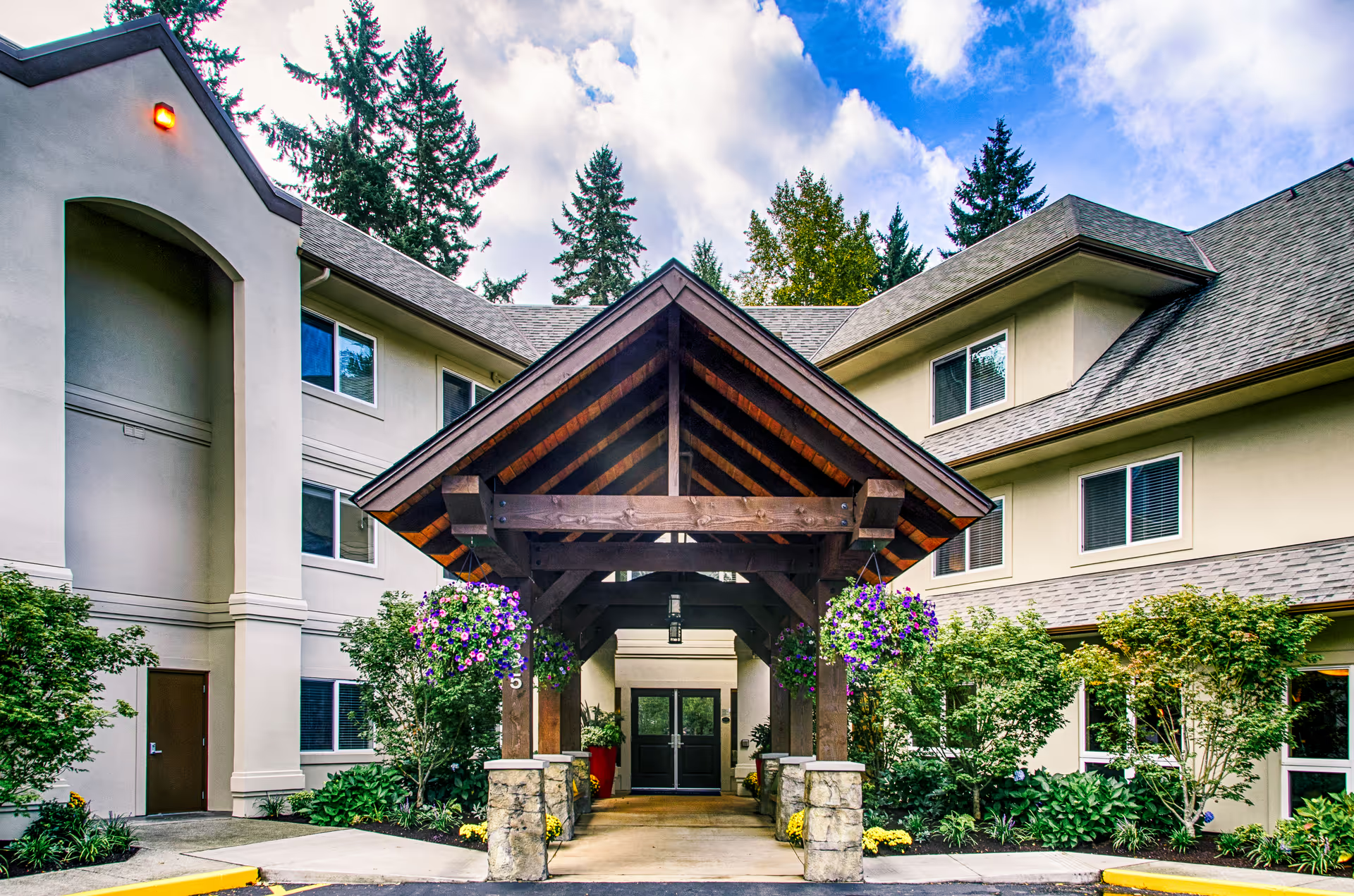
Facilities and accessibility: Interior cleanliness and well-maintained common spaces are commonly praised, along with convenient parking and ground-floor access in parts of the campus. At the same time, multiple reviewers point to the facility’s age and maintenance variability: exterior upkeep, moss or overgrown grounds, poor lighting in some areas, and musty or odor concerns in places. Physical accessibility is a recurrent operational limitation — narrow doorways, small bathrooms, lack of grab bars or accessible fixtures in some units, and tight hallways that complicate walker and wheelchair navigation.
Management and operational patterns: Leadership at the executive-director level is often described as engaged and helpful; individualized attention during tours and move-in assistance are reported positively. Nevertheless, recurring operational weaknesses appear in areas such as clinical staffing continuity, medication and pharmacy coordination, responsiveness to resident calls, and some billing/financial-administration practices (disputed charges and refund delays). There are also a few mentions of staff behaviors that affect the community atmosphere (e.g., staff smoking near entrances) and of lapses in egress monitoring/security.
What to weigh when considering Peters Creek: Prospective residents and families should weigh the clear strengths in person-centered caregiving, active programming, and on-site clinical services against facility-level limitations related to building age, accessibility in specific apartments, and variability in nursing and kitchen staffing. Visitors report strong communication from many staff members and an overall family-like community culture, but those with complex clinical needs (for example, strict medication schedules or specialized dietary textures) should confirm current staffing policies, medication-administration protocols, and kitchen capabilities. A focused tour that inspects apartment door widths, bathroom accessibility, call-response systems, kitchen staffing, and financial-billing practices is advisable to determine fit.