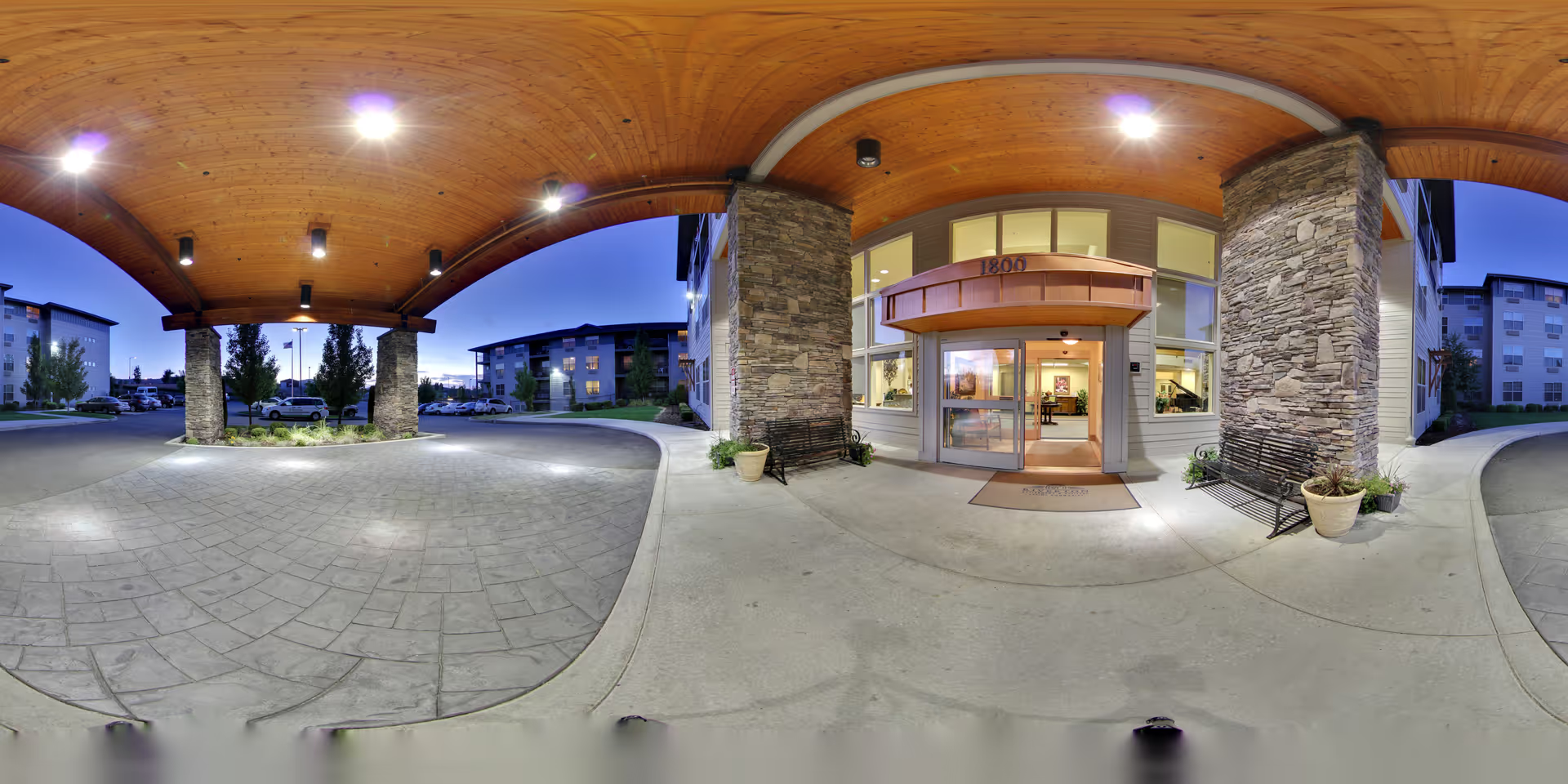
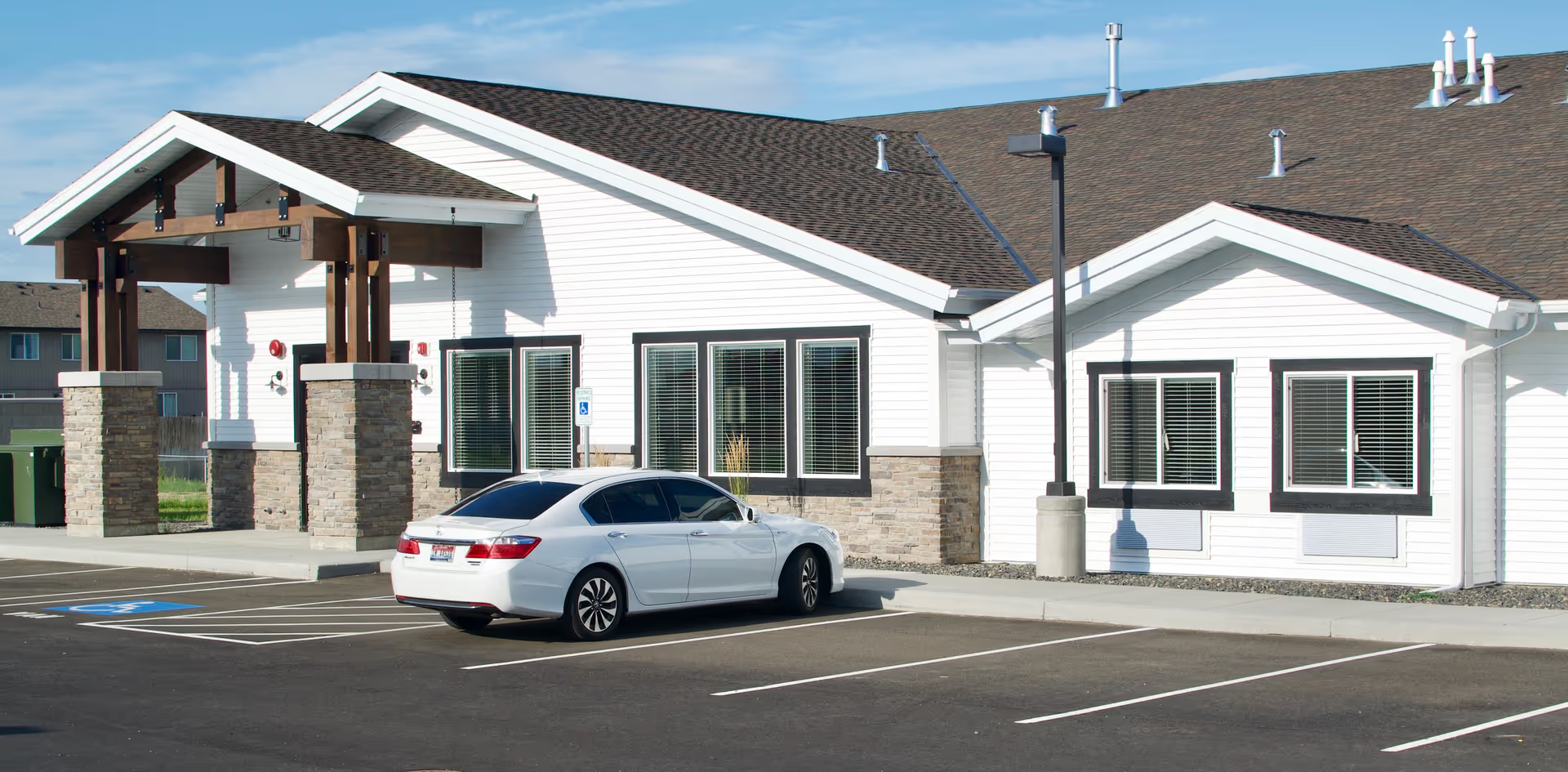
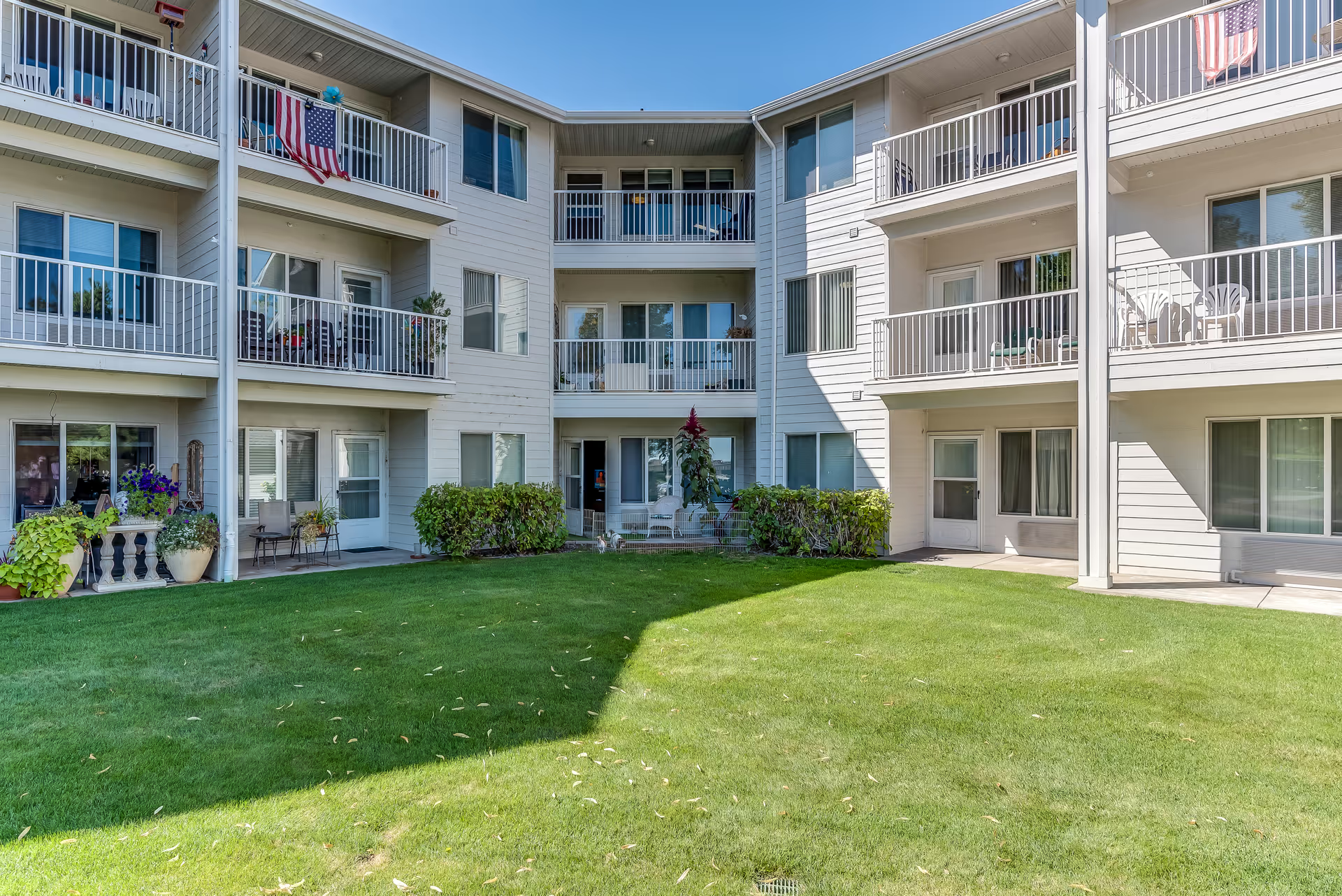
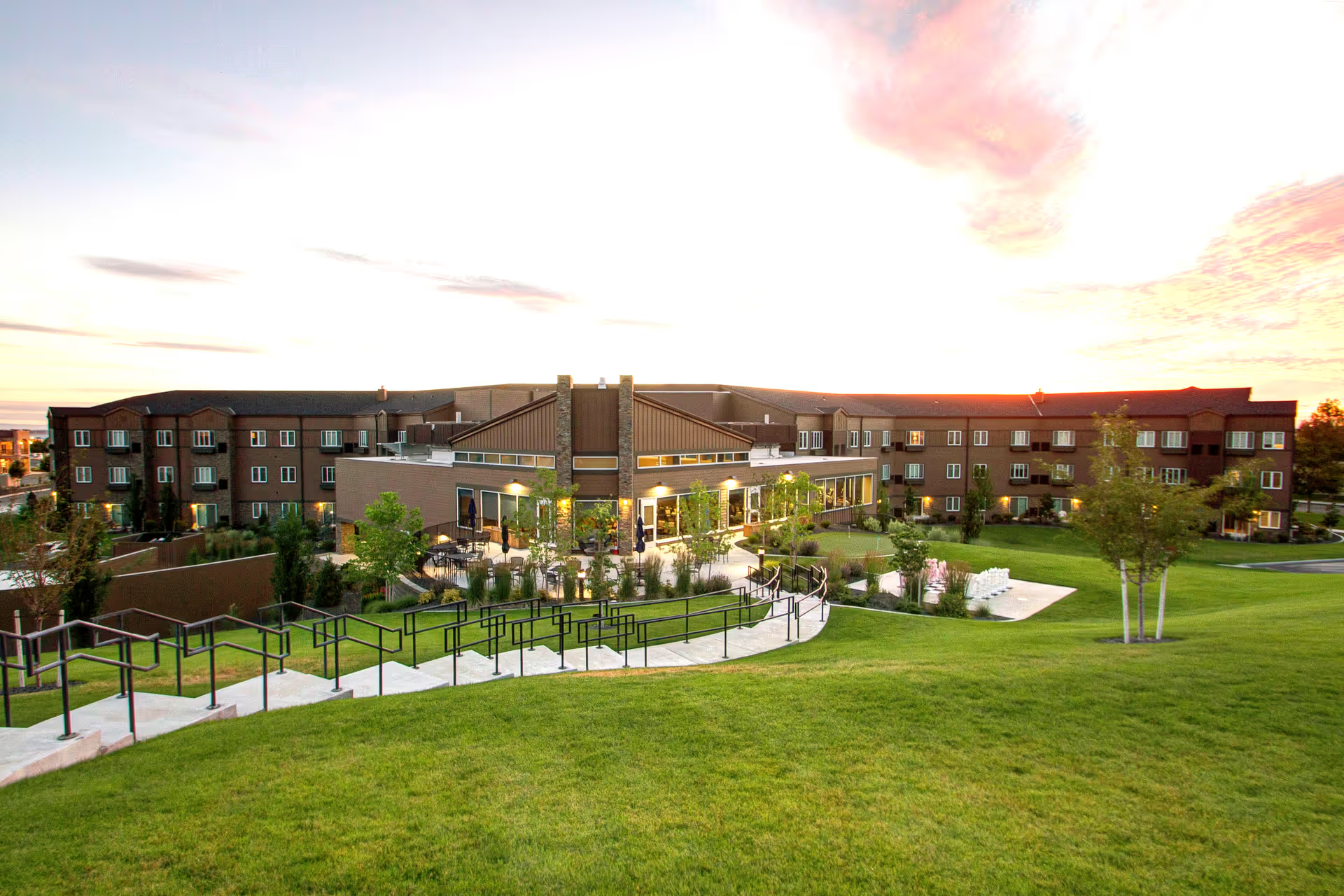
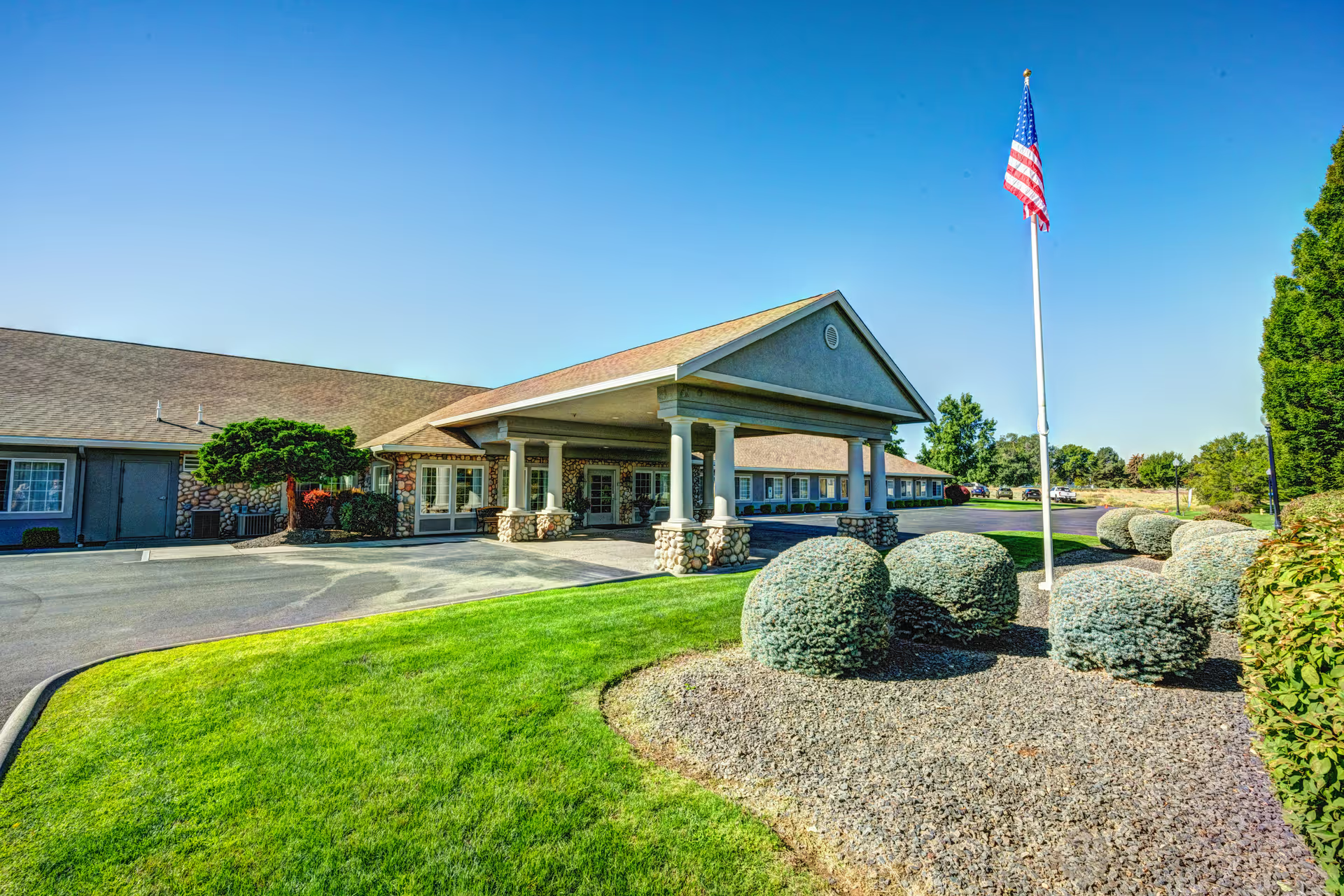
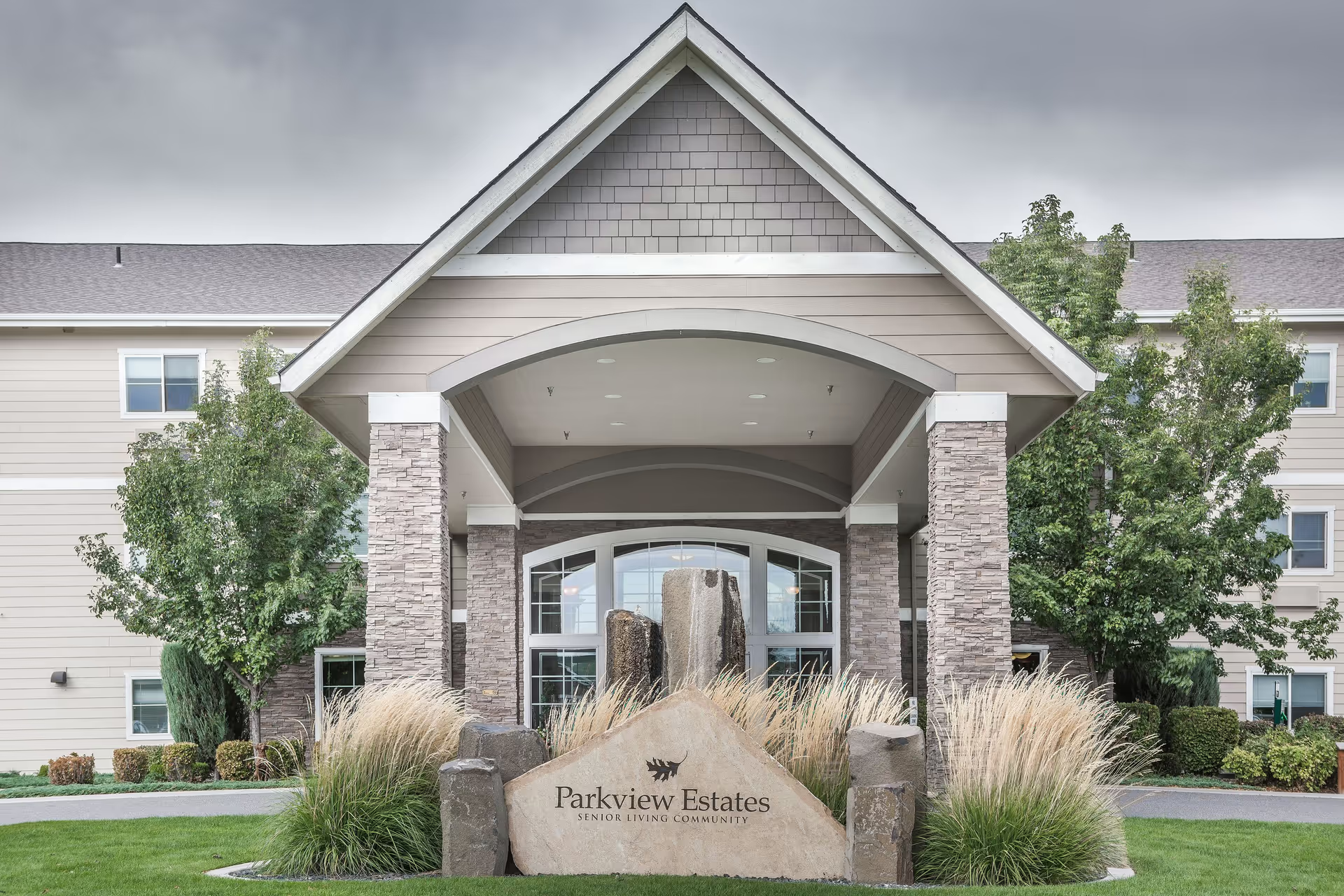
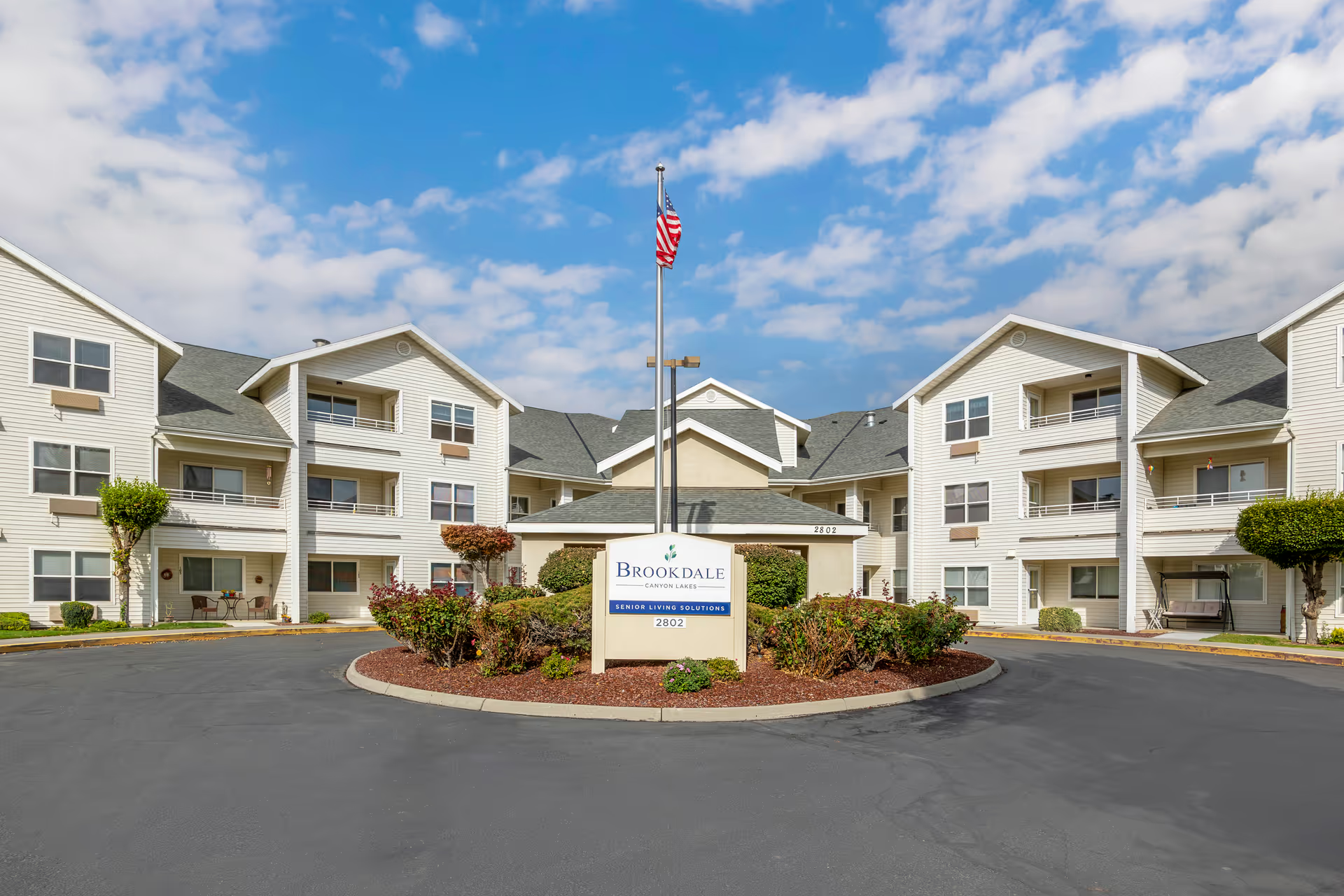
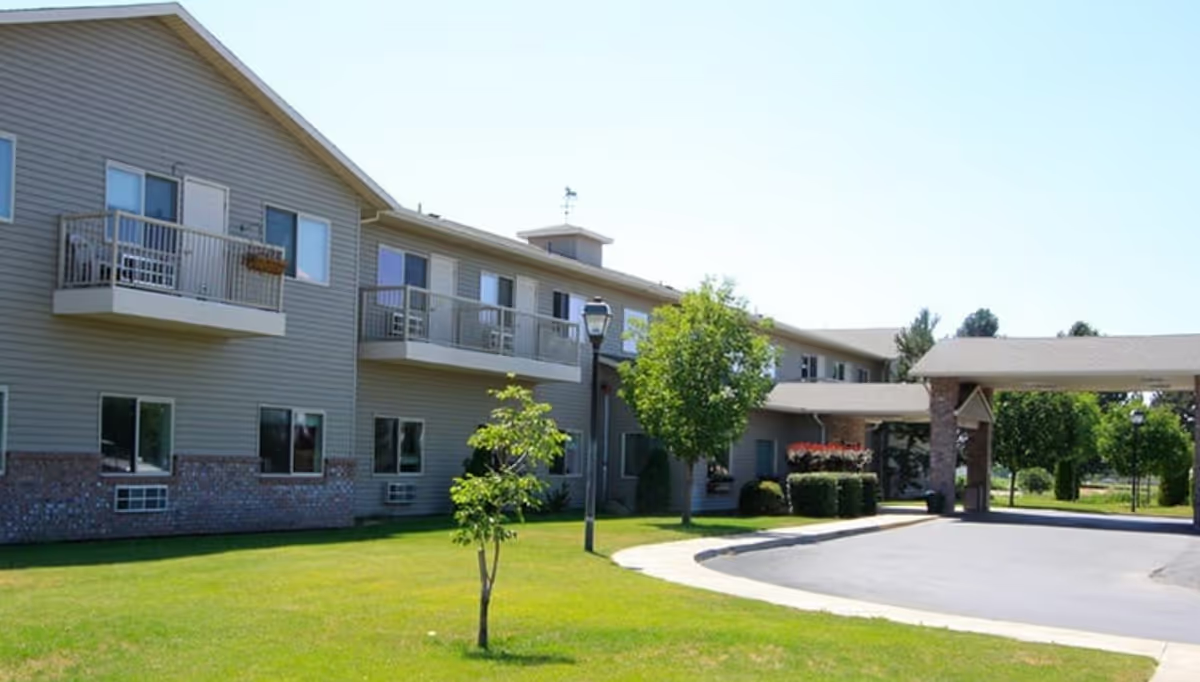
The reviews for Richland Post Acute describe a facility with pronounced variability in the resident and family experience. A consistent strength across many accounts is the hands-on, compassionate care provided by bedside staff: nursing teams, aides, and rehabilitation therapists receive frequent praise for empathy, individualized attention, and effective PT/OT interventions that support measurable short-term recovery. Several families described facilities as clean, home‑like, and welcoming, with staff who know residents by name and facilitate family involvement and volunteer activity.
Contrasting with those positive reports are recurring operational concerns. Staffing levels and staff allocation emerge as a central issue; reviewers describe periods of understaffing and overwork that are linked to delays in responding to requests, slower medication administration, and variability in assistance with activities of daily living. Therapy delivery and scheduling also appear inconsistent in practice — some residents experienced rapid progress under the therapy teams, while others reported lost or delayed therapy sessions and slower rehab starts.
Clinical oversight and administrative communication are additional patterns to note. Multiple accounts cite limited physician presence and delayed doctor rounds, inconsistent case‑management follow-up, and confusing or inaccurate guidance about insurance and Medicare coverage. Families identified weaknesses in discharge and transfer coordination, property handling, and billing communications. These administrative shortcomings were frequently tied to perceptions that financial or operational priorities sometimes overshadow communication and family experience.
Dining, facilities, and infection-control were other mixed areas. Some families praised cleanliness and a pleasant environment, while others raised sanitation concerns and noted problems with incontinence care. Food quality was described as inconsistent, with limited vegetarian or special-diet options in some accounts. Visitor screening and access processes have produced frustration for some families, including equipment or process failures that impeded visits. A few reviews referenced infection-control events that affected visitation and care routines.
In summary, Richland Post Acute appears to deliver strong direct-care and rehabilitation services for many residents, supported by caring, skilled frontline staff. However, prospective residents and families should be aware of recurring operational issues: inconsistent staffing, medication and therapy delays, variable administrative communication, and occasional property or visitor-process concerns. These patterns suggest that individual experiences can vary substantially depending on staffing and management responsiveness; an on-site tour, direct questions about staffing ratios, therapy schedules, medication protocols, insurance coordination, and property-inventory procedures would help families assess current conditions and alignment with their expectations.