Reviews present a mixed picture: interpersonal interactions and certain facility attributes receive positive comments, while operational and clinical processes generate recurrent concerns. Many accounts praise individual caregivers—particularly nurses and some support staff—and note a pleasant, well-kept environment with generally good dining. At the same time, a number of comments describe systemic problems that could affect safety, continuity of care, and family confidence.
Care quality and clinical consistency are central areas of concern. Several reviews describe delayed clinical evaluation, diagnostic inconsistencies, and medication-related problems including prescription delays and errors. There are also accounts indicating slow turnaround for COVID testing and other time-sensitive diagnostics. One review raised a safety concern following a resident's expression of suicidal ideation; others described experiences they characterized as judgmental or stigmatizing related to mental-health and addiction issues. Taken together, these comments suggest gaps in urgent-response procedures, behavioral-health protocols, and diagnostic reliability that families should assess directly with facility leadership.
Staff behavior and communication are polarizing elements. Reviewers praised compassionate, respectful nurses and helpful clerical staff in some encounters, but also reported instances of unprofessional conduct including dismissive or mocking tones and difficulty obtaining medical records. Communication breakdowns extend to challenges in records retrieval and overall information flow to families, which compounds clinical frustrations. Long wait times and generally slow service were also frequently mentioned as an operational weakness.
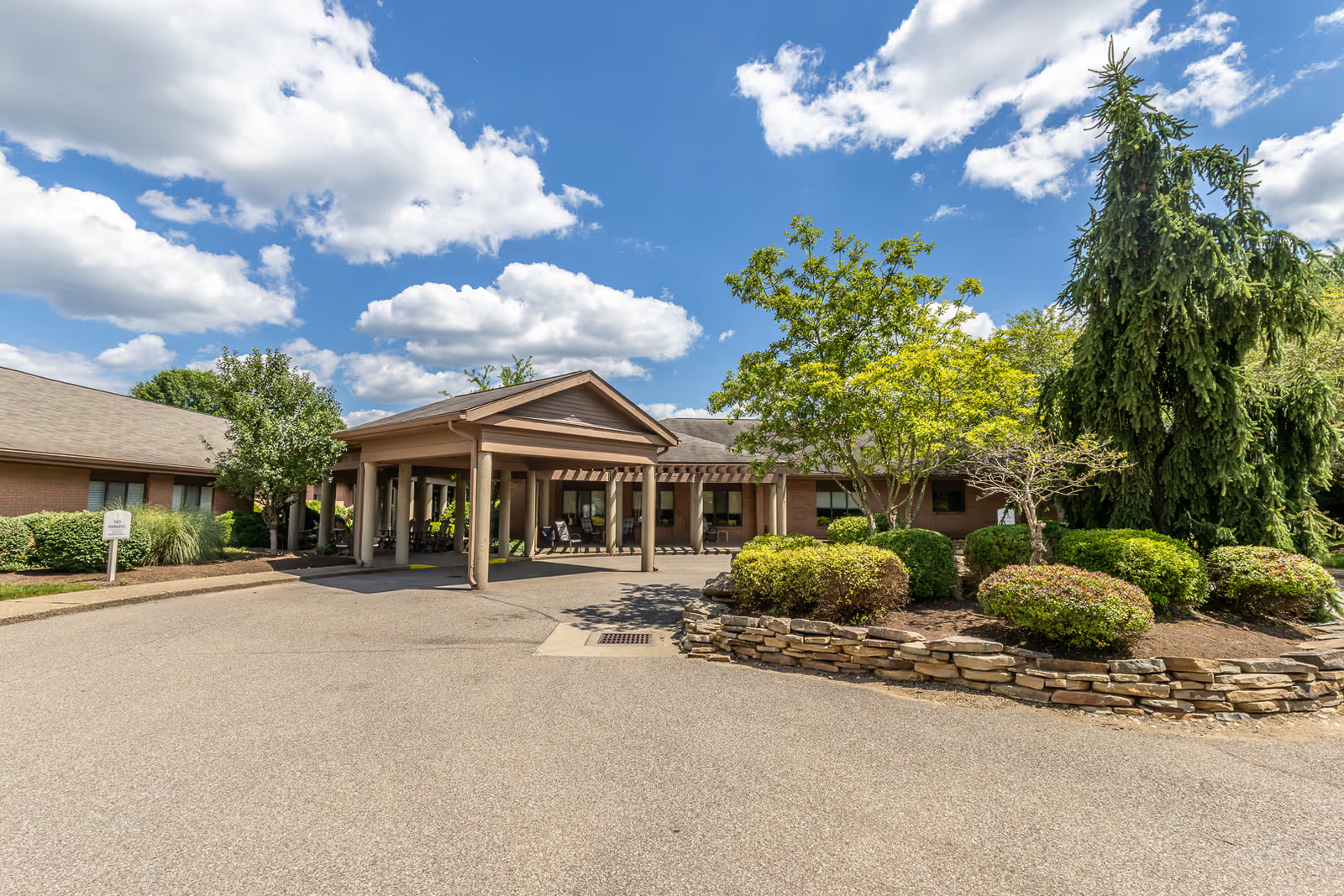
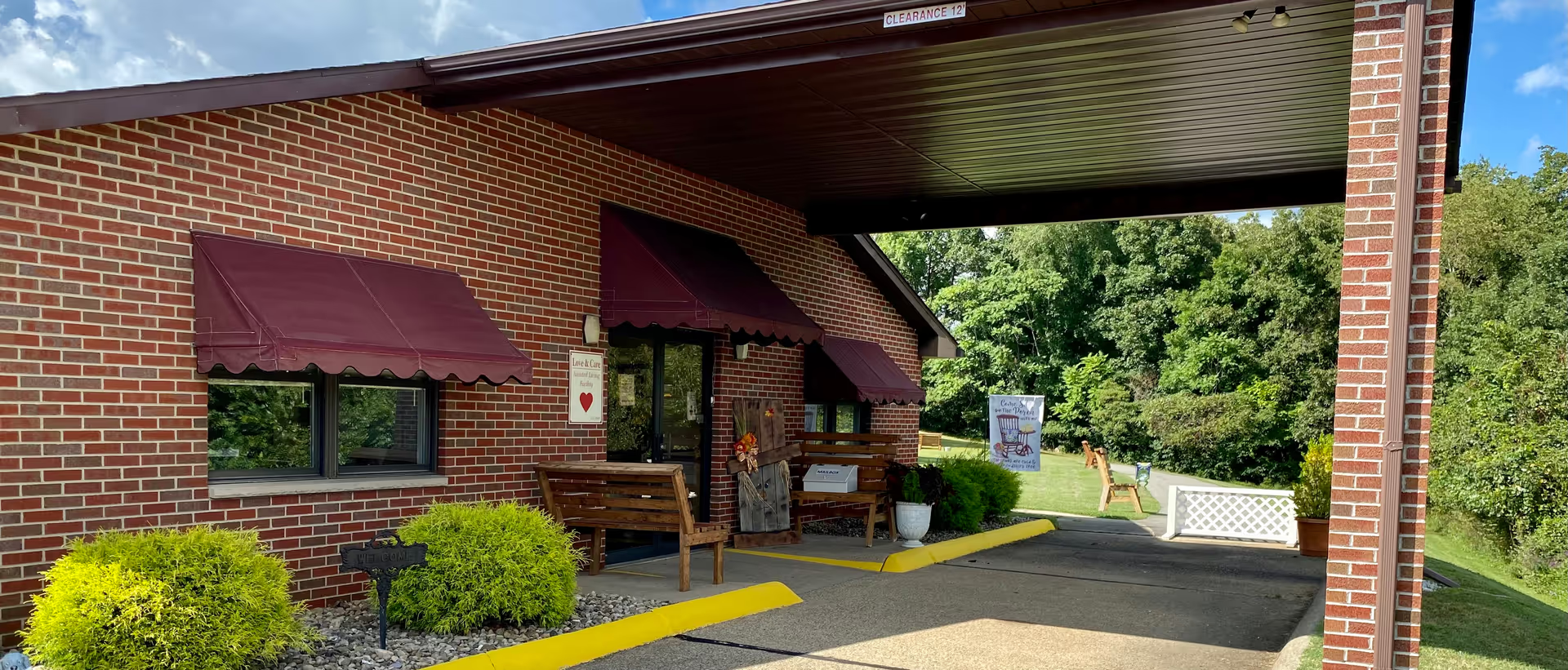
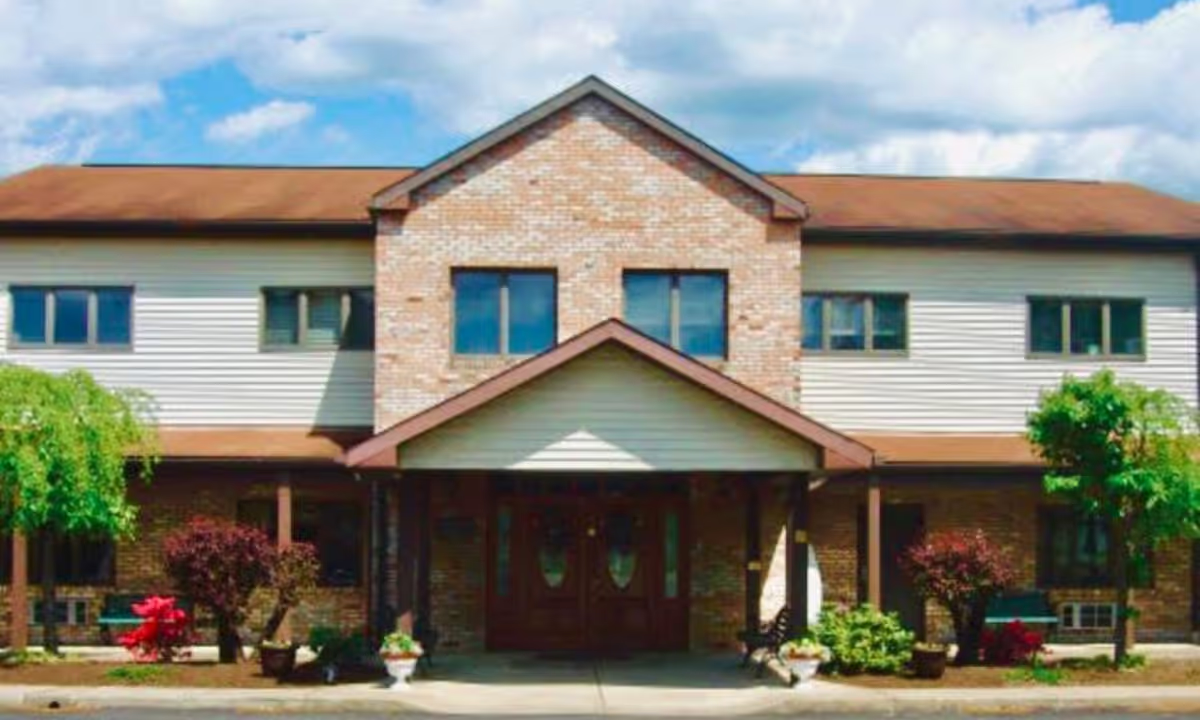
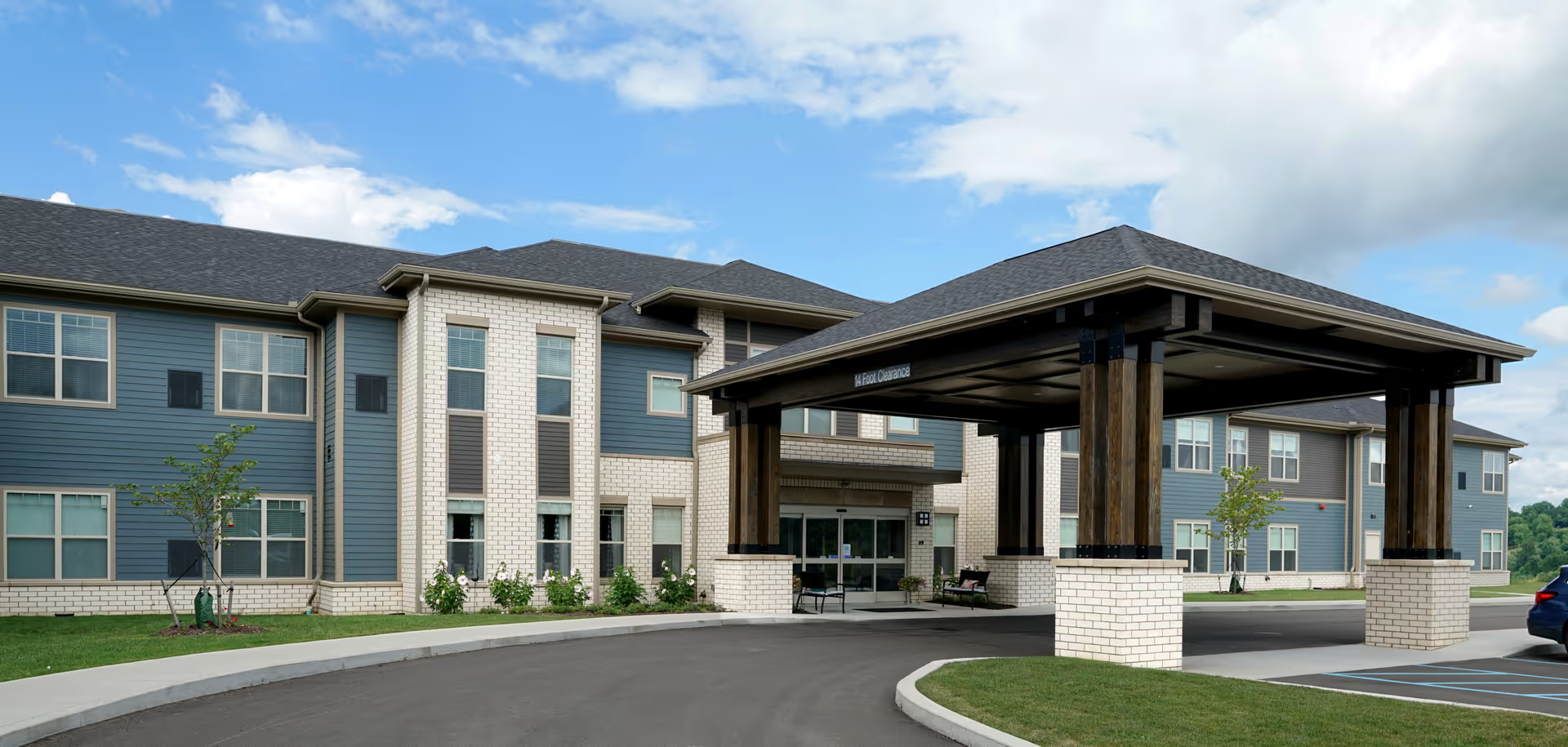
Dining, activities, and facilities receive more positive notes. Several reviewers complimented the food and described the building as clean and pleasant. Some family members reported efficient admission and discharge experiences and quick outpatient encounters. These strengths indicate that the facility can provide a comfortable physical environment and decent daily services when staffing and processes are functioning as intended.
Management patterns to watch include staffing and administrative stability, documentation practices, and medication/refill workflows. Multiple comments point to understaffing or turnover that may underlie slow service and inconsistent responsiveness. There are also assertions of documentation inaccuracies; while individual instances vary in severity, they highlight the importance of verifying charting and communication protocols. Prospective residents and families should ask leadership about emergency transfer procedures, behavioral-health supports, medication reconciliation and refill processes, and how records requests are handled.
Overall, Minnie Hamilton Health Care appears to offer a mix of strengths—particularly in the demeanor of many direct-care staff and the facility environment—paired with recurring operational and clinical concerns. Families weighing placement should balance the positive interpersonal and facility attributes against the documented issues in communication, medication management, emergency response, and behavioral-health sensitivity, and should seek direct clarification from administrators on these topics before making a decision.