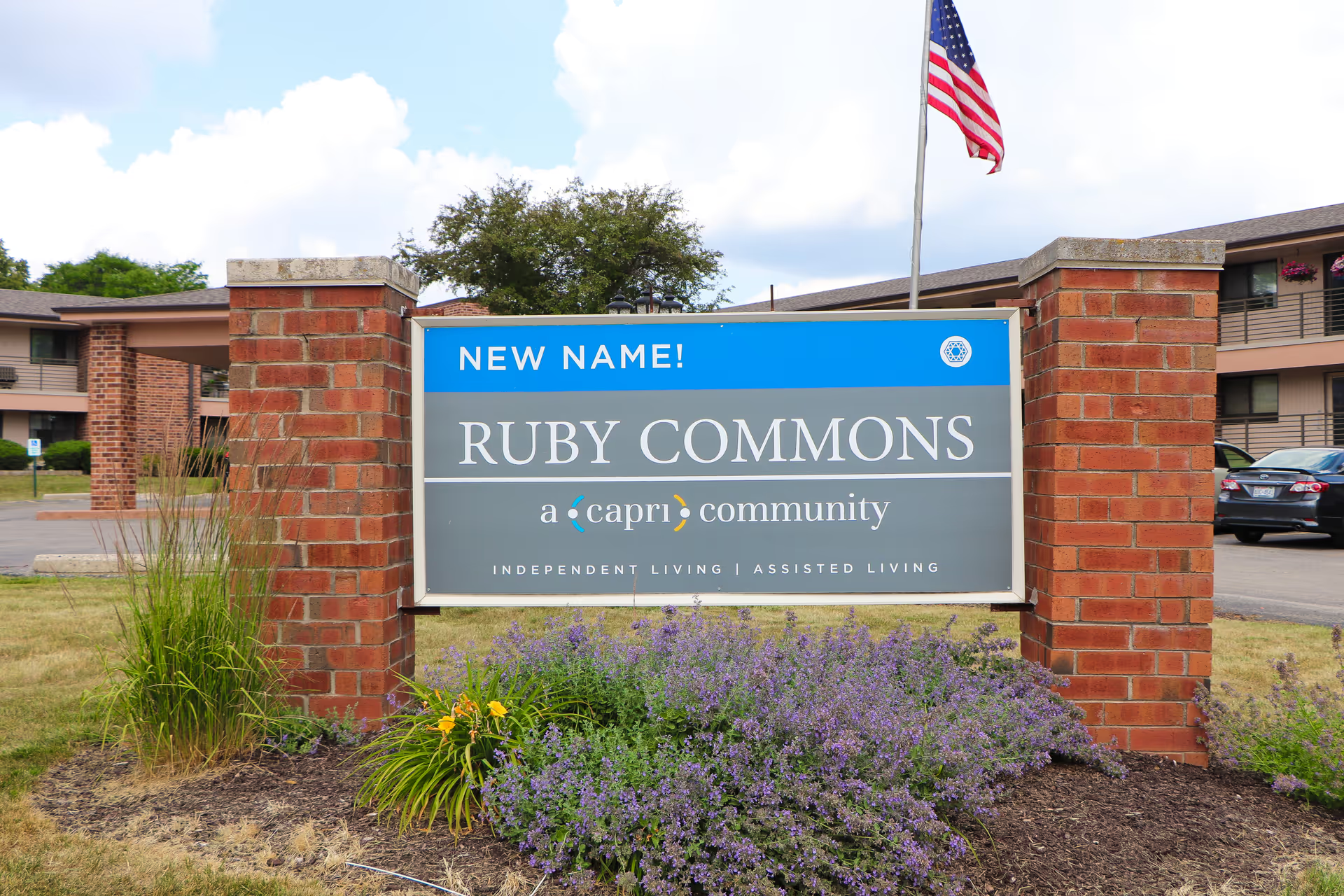
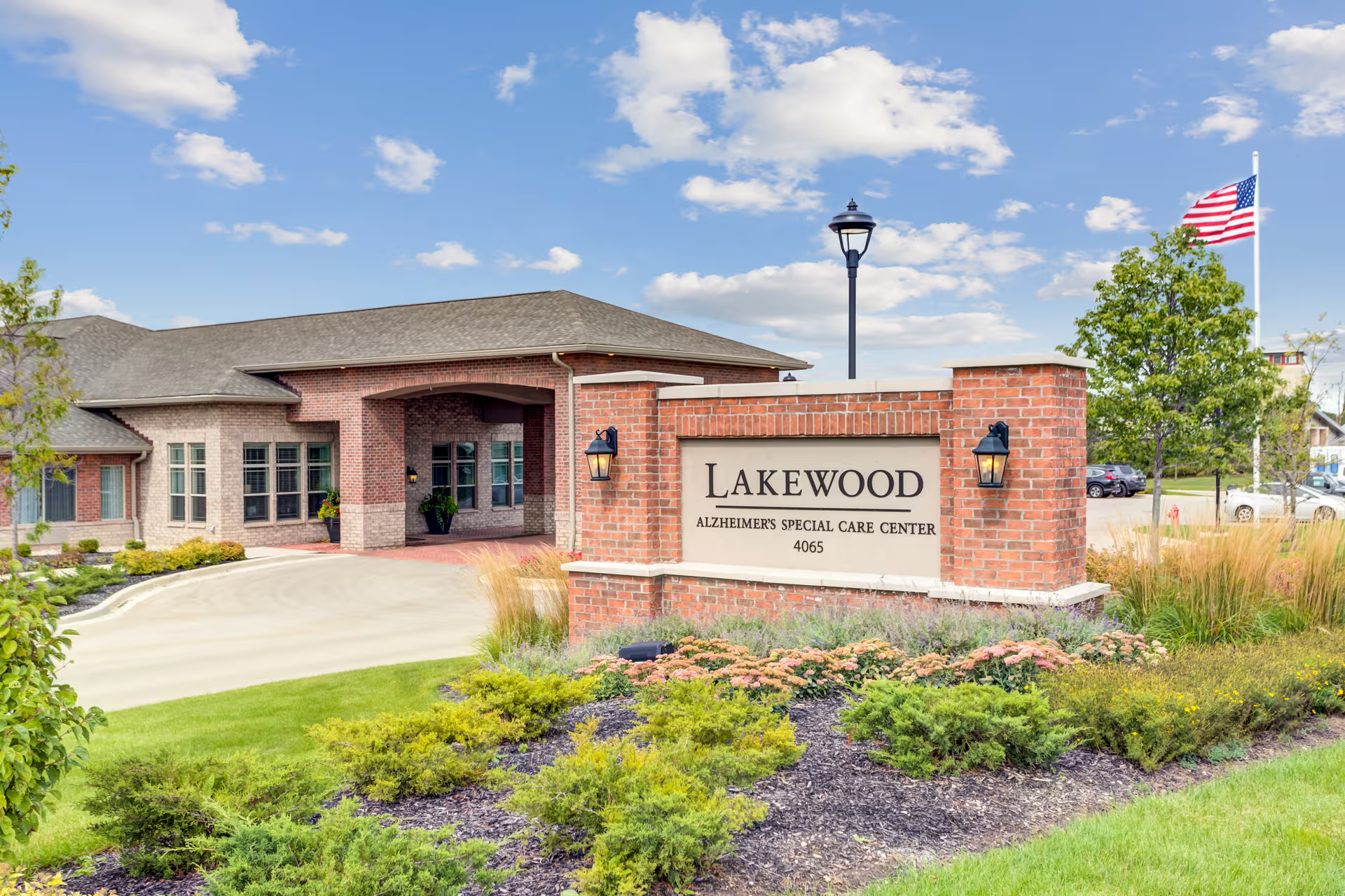
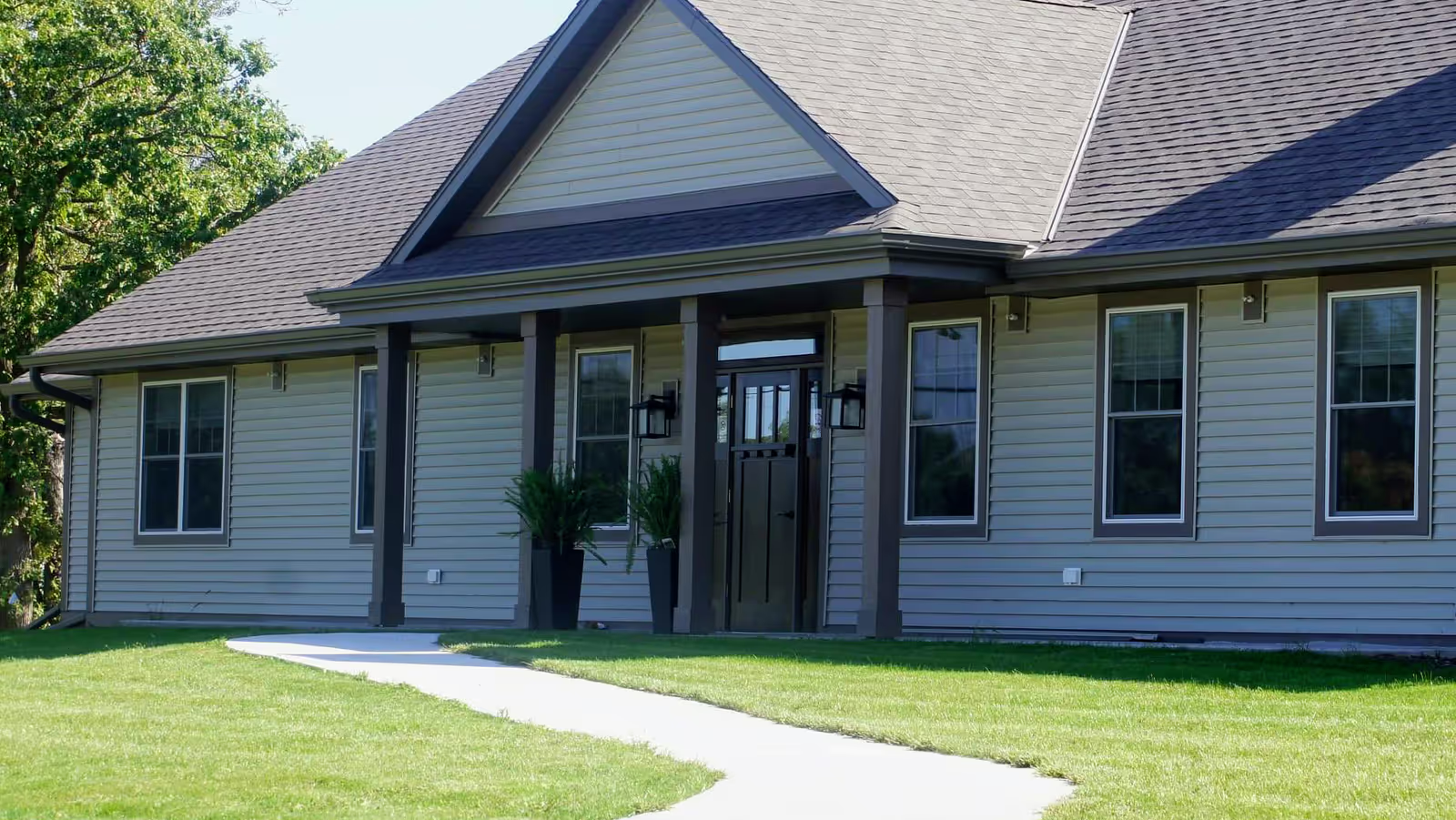
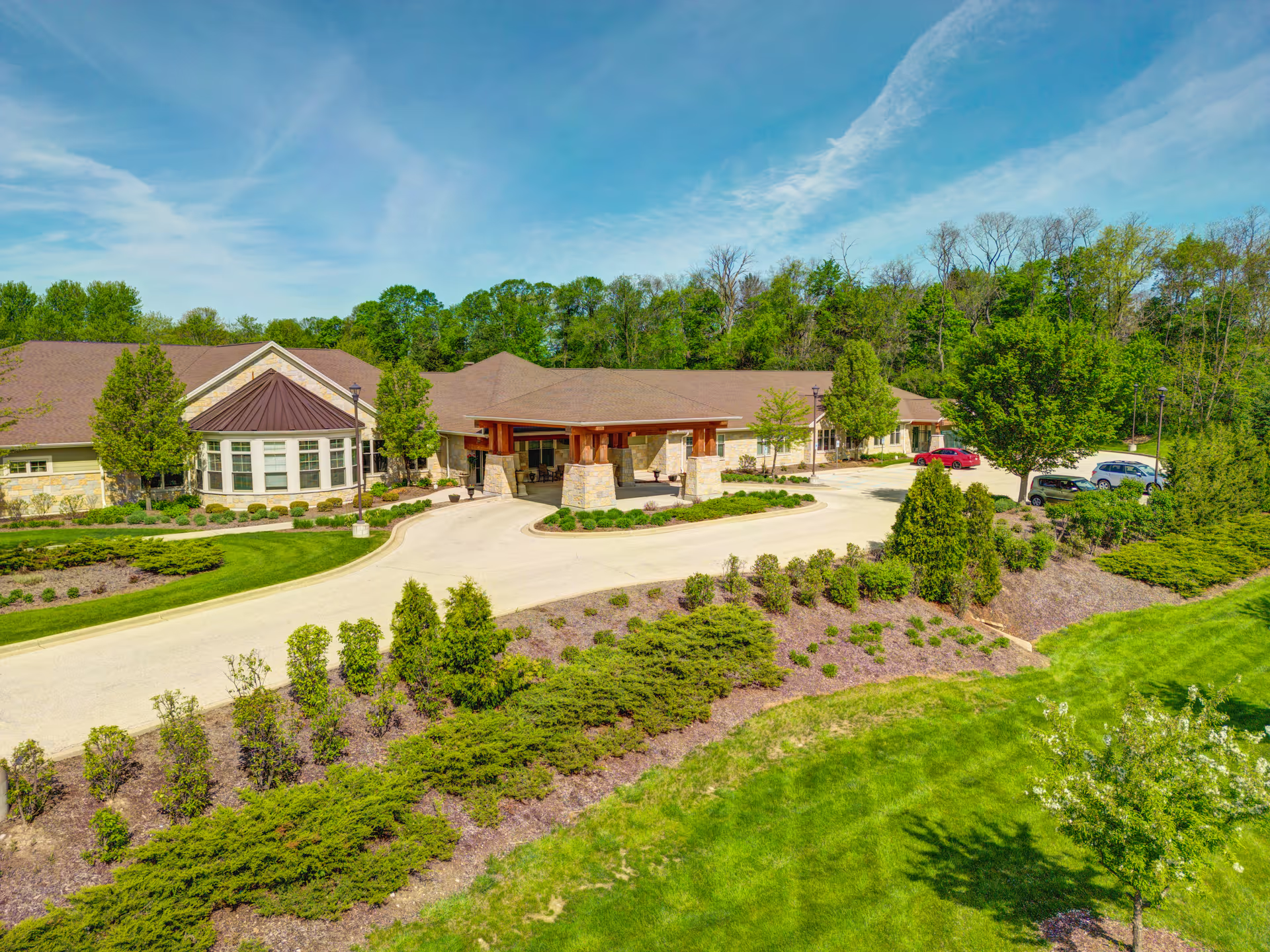
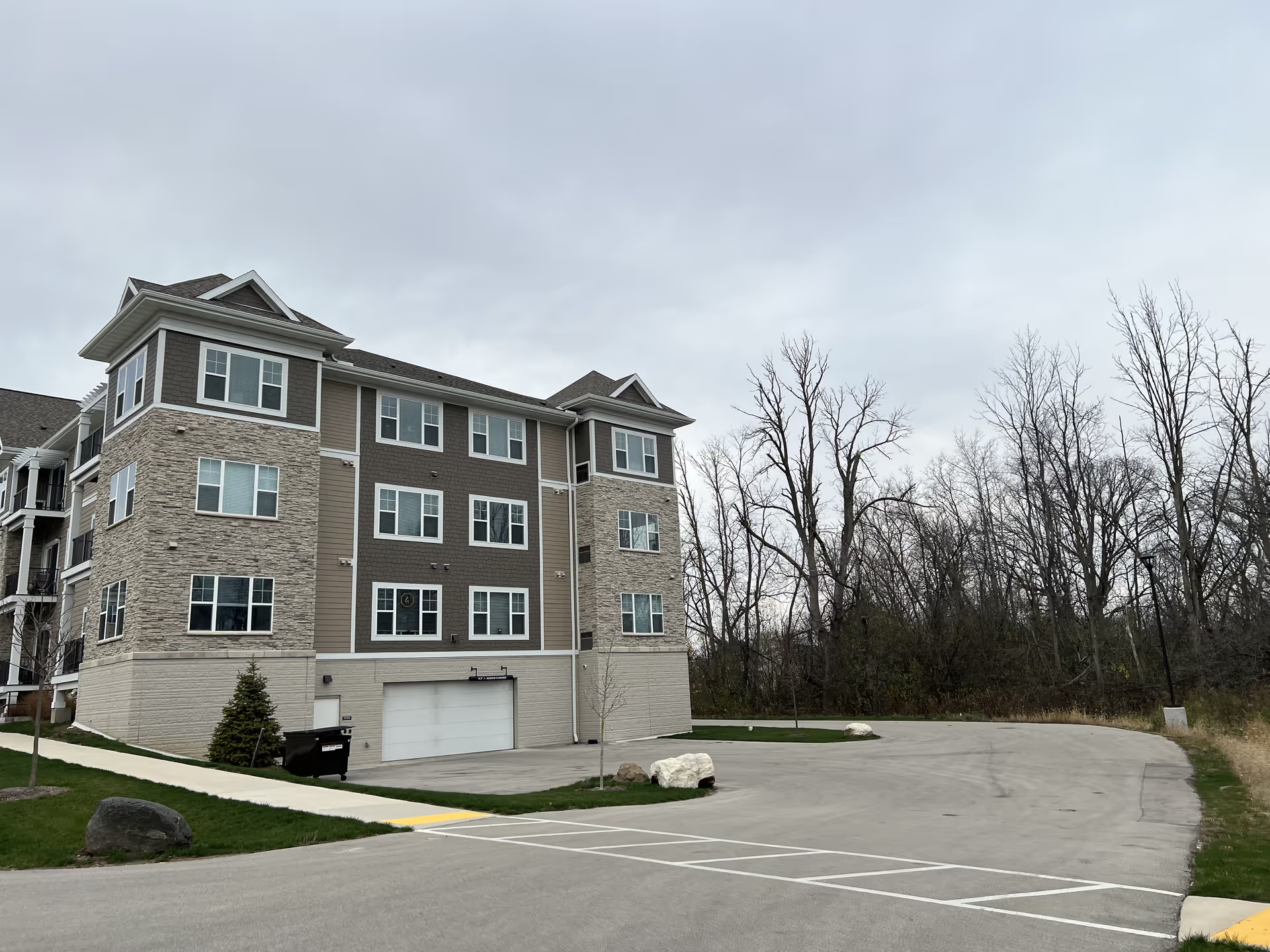
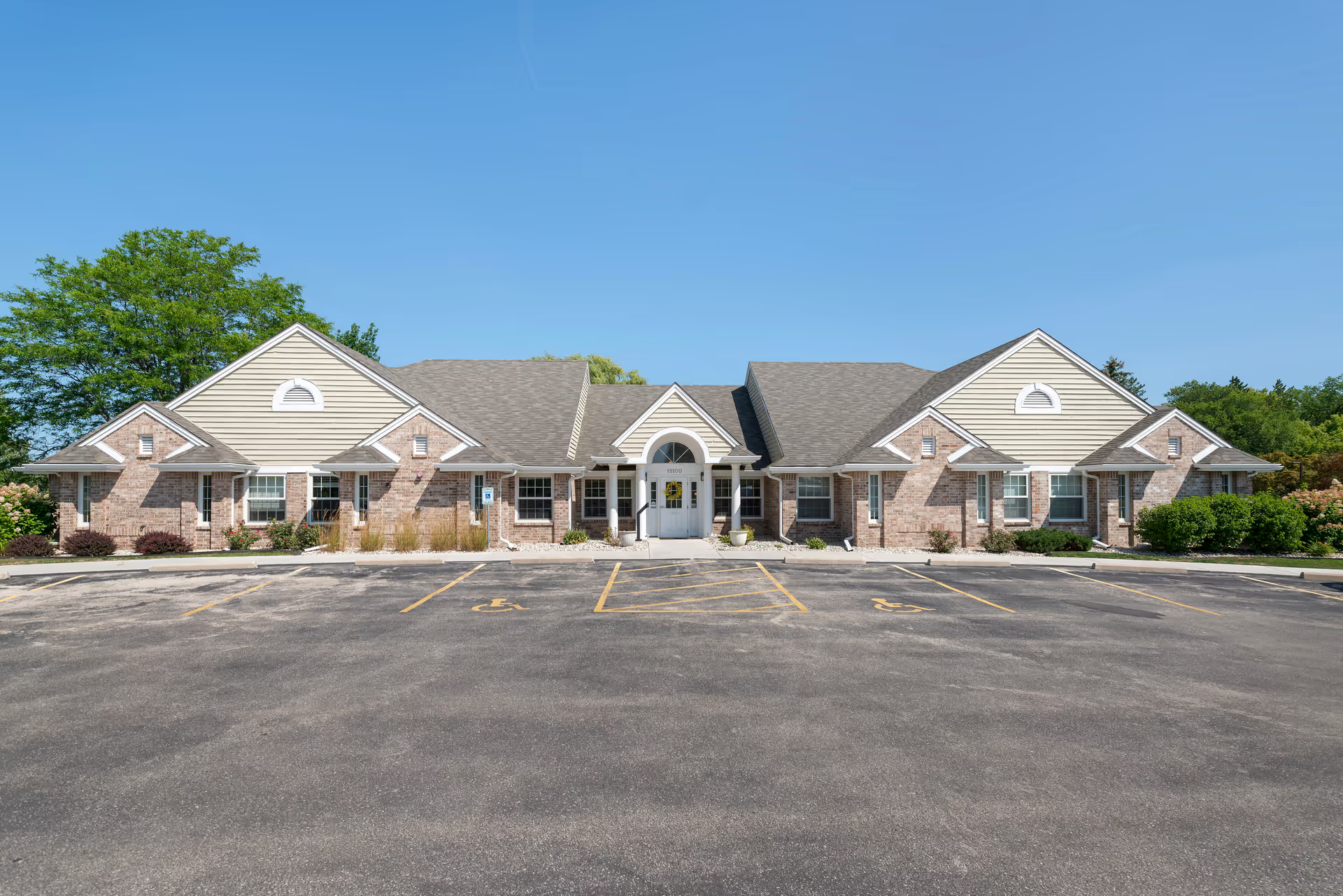
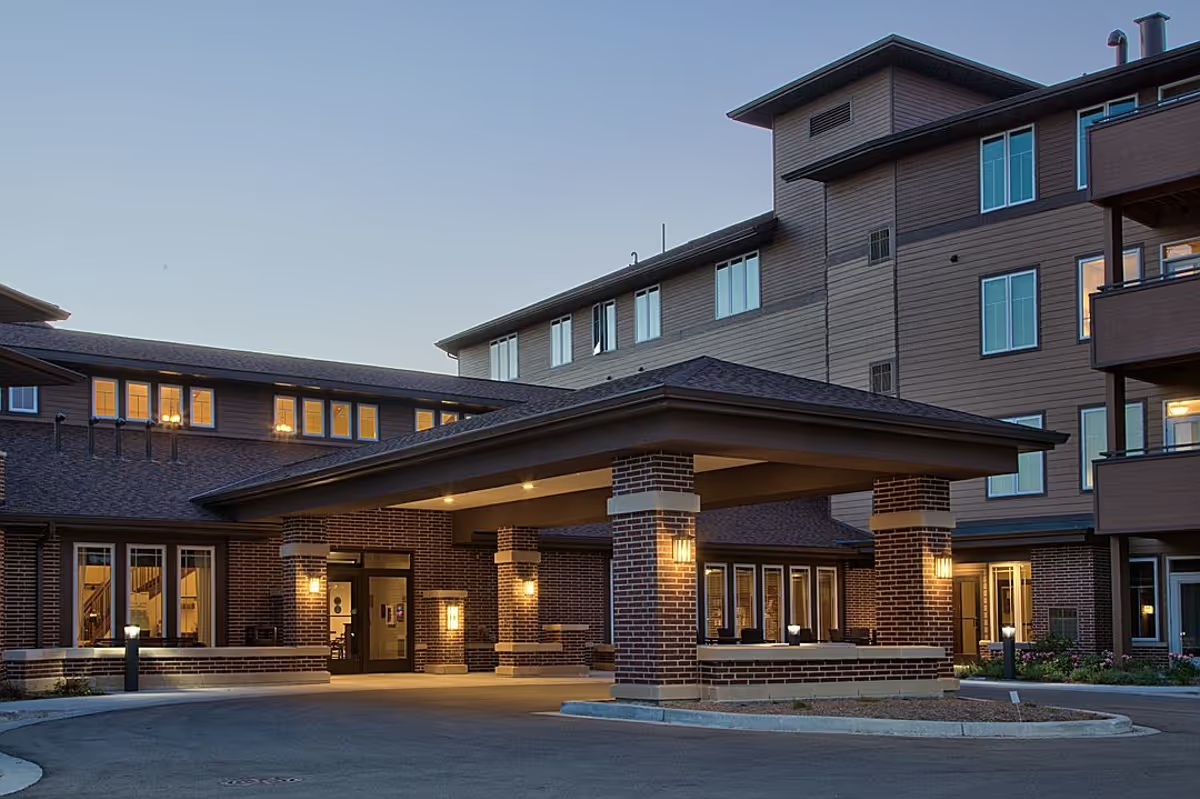
Reviewers describe a facility with clear strengths in everyday resident engagement and rehabilitation services alongside persistent operational weaknesses. Many families and visitors praised front-line caregivers, CNAs, and therapists for being kind, attentive and effective; short-term rehab outcomes and therapy quality are frequently singled out as positive. The building, grounds and common areas are often described as clean, modern, and hotel-like, with bright rehab rooms and an active activities program led by a dedicated director. Admissions and reception staff also receive positive mentions for being helpful and welcoming.
Despite these positives, a consistent pattern of staffing and operational issues emerges. Several reviewers raised concerns about inconsistent staffing levels, frequent use of temporary staff, and delayed responses to call buttons. These operational gaps have been linked in some accounts to delays in toileting and bathing assistance, long waits for help, and perceived variability in staff conduct and attentiveness. Reviewers also describe uneven medication handling and gaps in clinical incident response and documentation; a small number of serious clinical concerns prompted regulatory review and pending litigation in at least one instance, which contributes to heightened family concern about safety oversight.
Dining and activities present a mixed picture. The facility offers a varied menu and substantial breakfasts that some families appreciated, and the activities program is described as robust and engaging with regular events that residents enjoy. At the same time, meal consistency and occasional missing items during service were noted, and some reviewers described the food less favorably. Facilities are generally well maintained and attractive, though there are practical limitations such as the absence of in-room showers for some rooms and reports of cold shower-room conditions; a few reviewers noted older room furnishings or maintenance items.
Communication and leadership are another recurring theme. While front-line staff often receive praise for day-to-day care, families identified lapses in management communication, delayed updates to families and physicians, and issues with billing or administrative responsiveness. There is variability in leadership trustworthiness according to different accounts, resulting in mixed impressions during admissions and longer stays. Prospective families should be aware of the dichotomy reviewers describe: consistent, caring interactions from many direct-care staff and strong therapy/activities offerings, contrasted with systemic weaknesses in staffing consistency, timely clinical communication, and some safety-monitoring processes.
For prospective residents and families, important topics to address during a tour or meeting would include current staffing ratios and use of agency staff, protocols for toileting and bathing assistance, fall-prevention and transfer procedures, medication-administration safeguards, frequency and mode of family communication, shower availability, and any recent regulatory history. Those considerations will help weigh the facility’s evident strengths in rehabilitation, activities and environment against operational areas that several families identified as risking care continuity and timely clinical oversight.