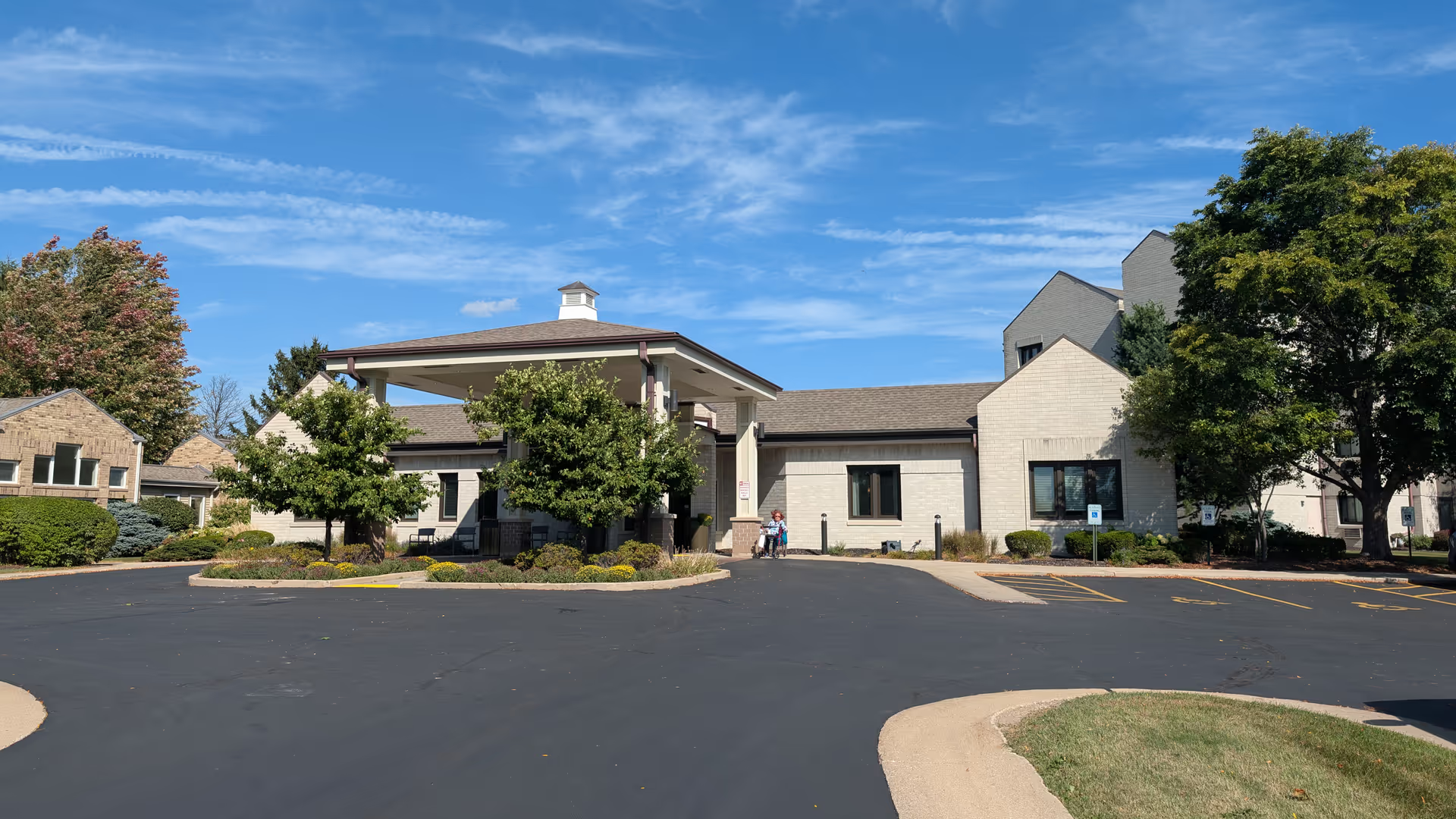
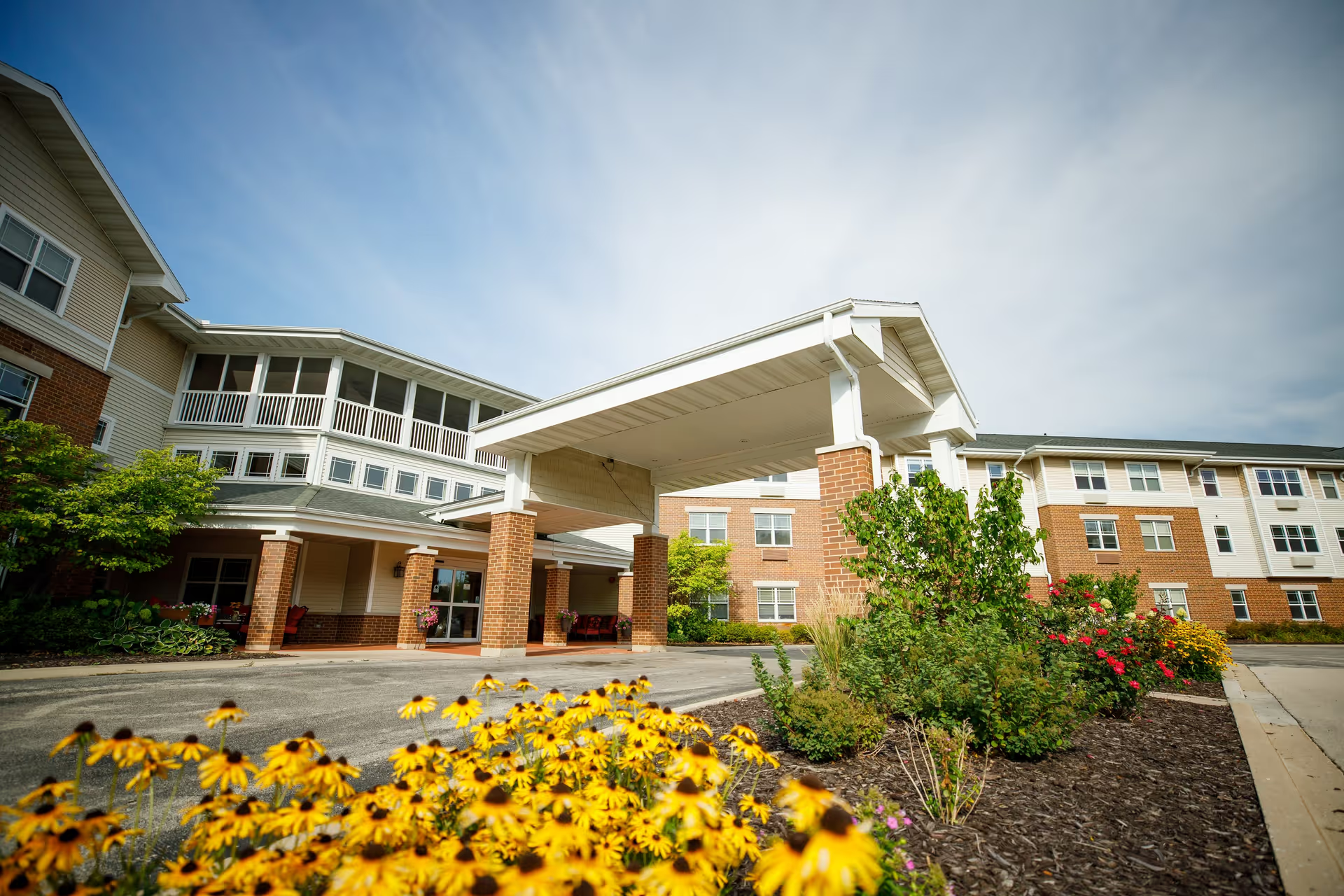
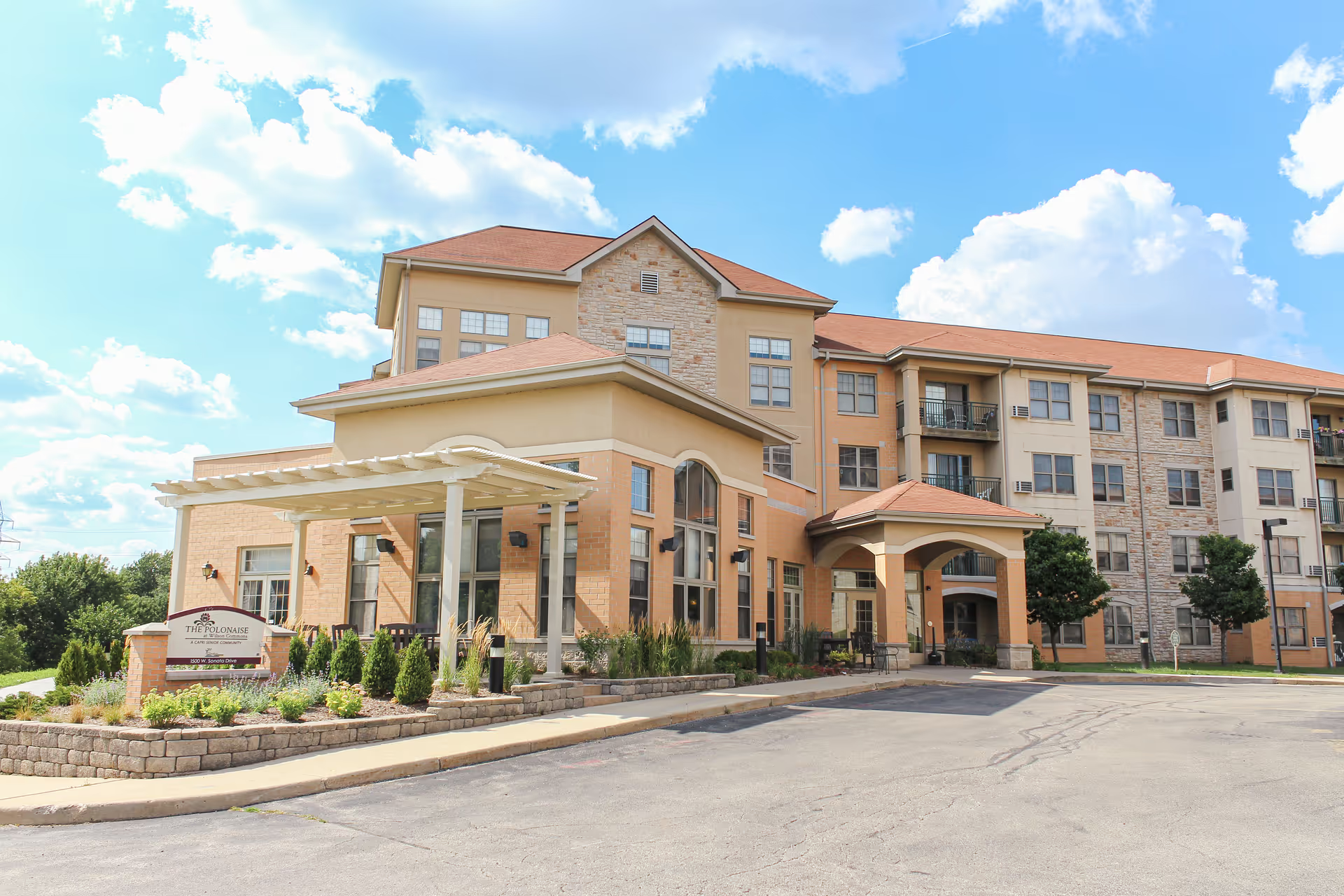
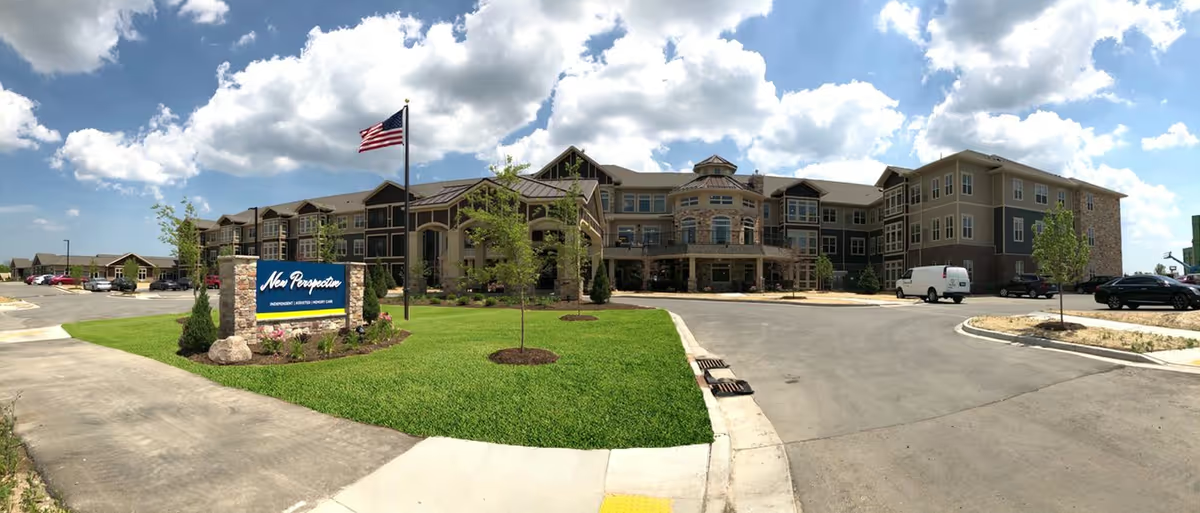
The reviews indicate a facility with mixed strengths and notable operational variability. Clinical rehabilitation services, particularly physical therapy, are described positively, and individual caregivers are frequently cited as friendly or accommodating. Several accounts emphasize staff who engage residents socially, assist with in-room needs, and provide one-to-one support that residents appreciated. The building’s interior and some units are described as clean and reasonably well maintained.
However, there are recurring concerns about consistency of care and responsiveness. Reviewers describe long waits for assistance, slow responses to call bells, and uneven support for activities of daily living, including bathroom assistance. Staffing levels and scheduling appear to be variable; this is frequently mentioned as the context for delayed attention and lapses in routine care. Mobility- and transfer-related safety practices are an important area of concern: at least one account references a transfer-related injury and lack of appropriate transfer equipment use, indicating a need to review transfer protocols and staff training.
Dining experiences are inconsistent across accounts. Some residents and families praised meal options and food they enjoyed, while others described missed meal deliveries, trays left unattended, and unsatisfactory meals. Housekeeping and laundry processes also show mixed performance: while parts of the facility are described as clean, there are specific sanitation concerns tied to bed linens and room turnover practices. Additionally, several reviews note problems with personal-property management, including missing clothing and mobility aids, suggesting room-move and inventory controls could be strengthened.
Administrative and communication shortcomings are a recurring theme. Families reported difficulties getting timely responses from administration, unresolved billing issues, and delays in activating legal-authority documents such as power of attorney. There are also mentions of limited or inconsistent incident reporting and family notification after adverse events, which compounds concerns about transparency and follow-up.
For prospective residents and families, the pattern suggests the facility can offer strong rehabilitation services and has caring individuals among the staff, but also shows operational inconsistencies that may affect day-to-day reliability. Important areas to assess during a visit include staffing ratios at different shifts, transfer-safety protocols and training (including use of gait belts and two-person transfers), call-bell response times, housekeeping and laundry turnaround procedures, property-inventory practices, meal-service continuity, and the facility’s process for incident reporting, legal-authority activation, and billing resolution.