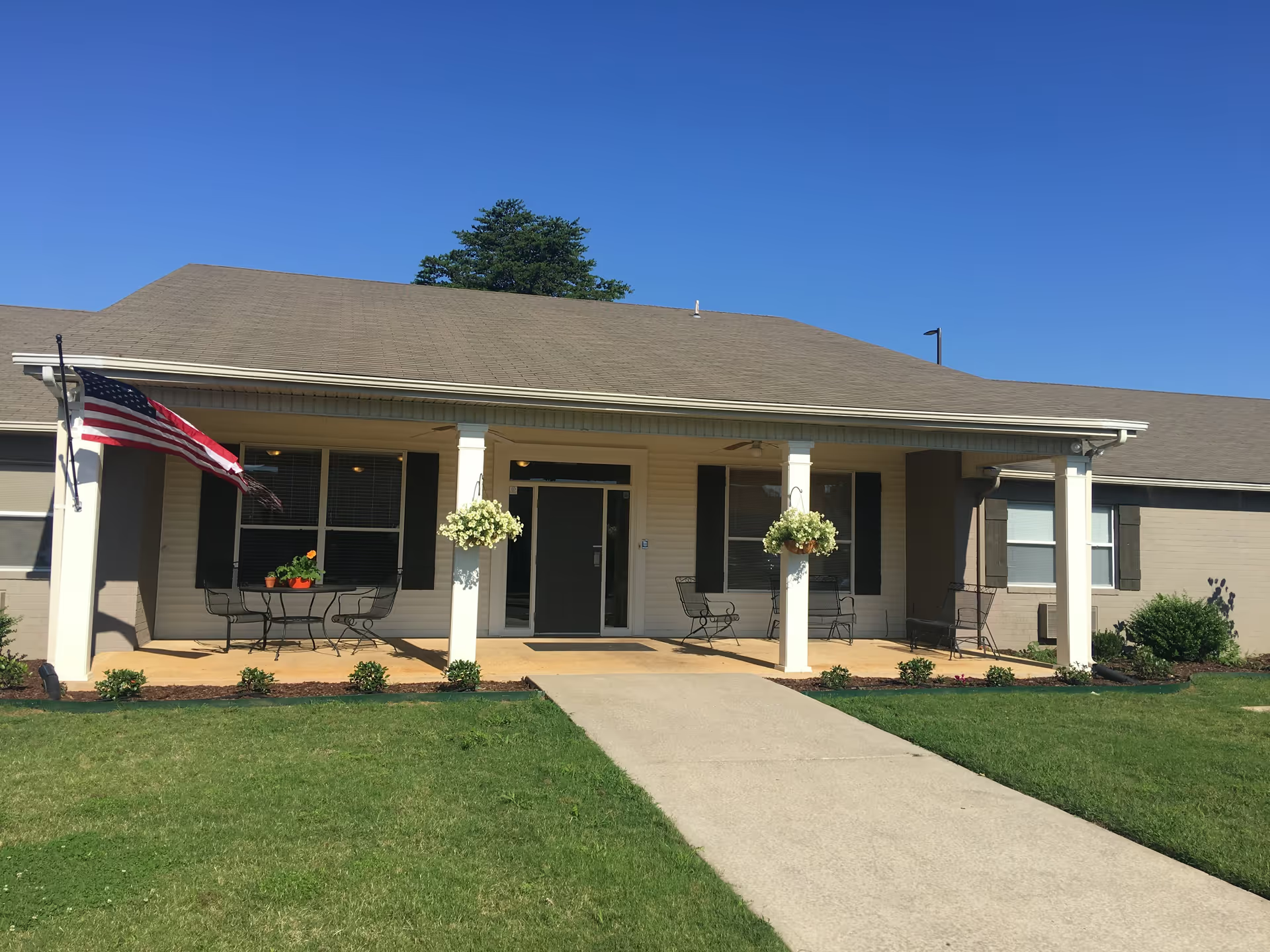
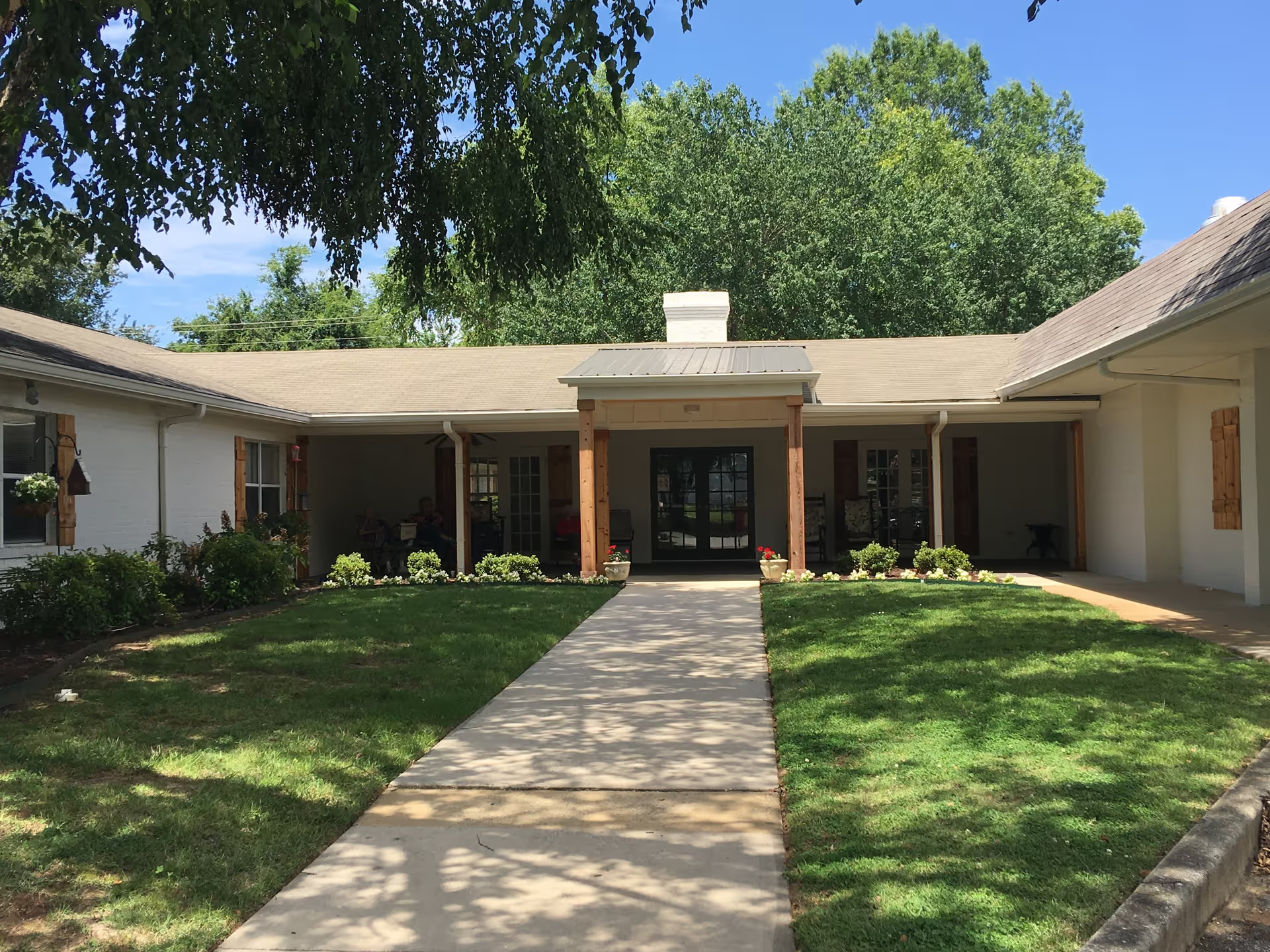
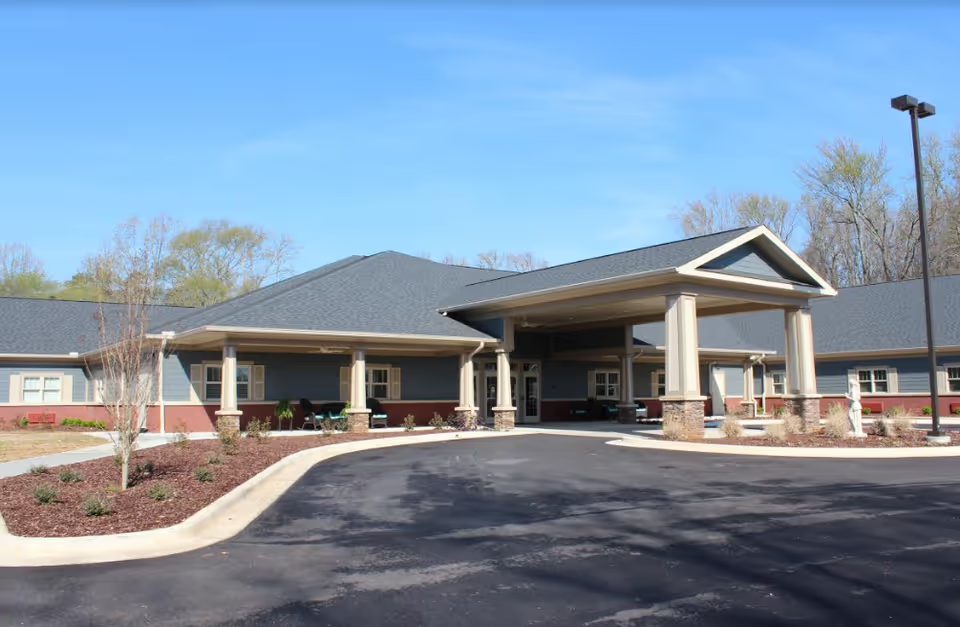
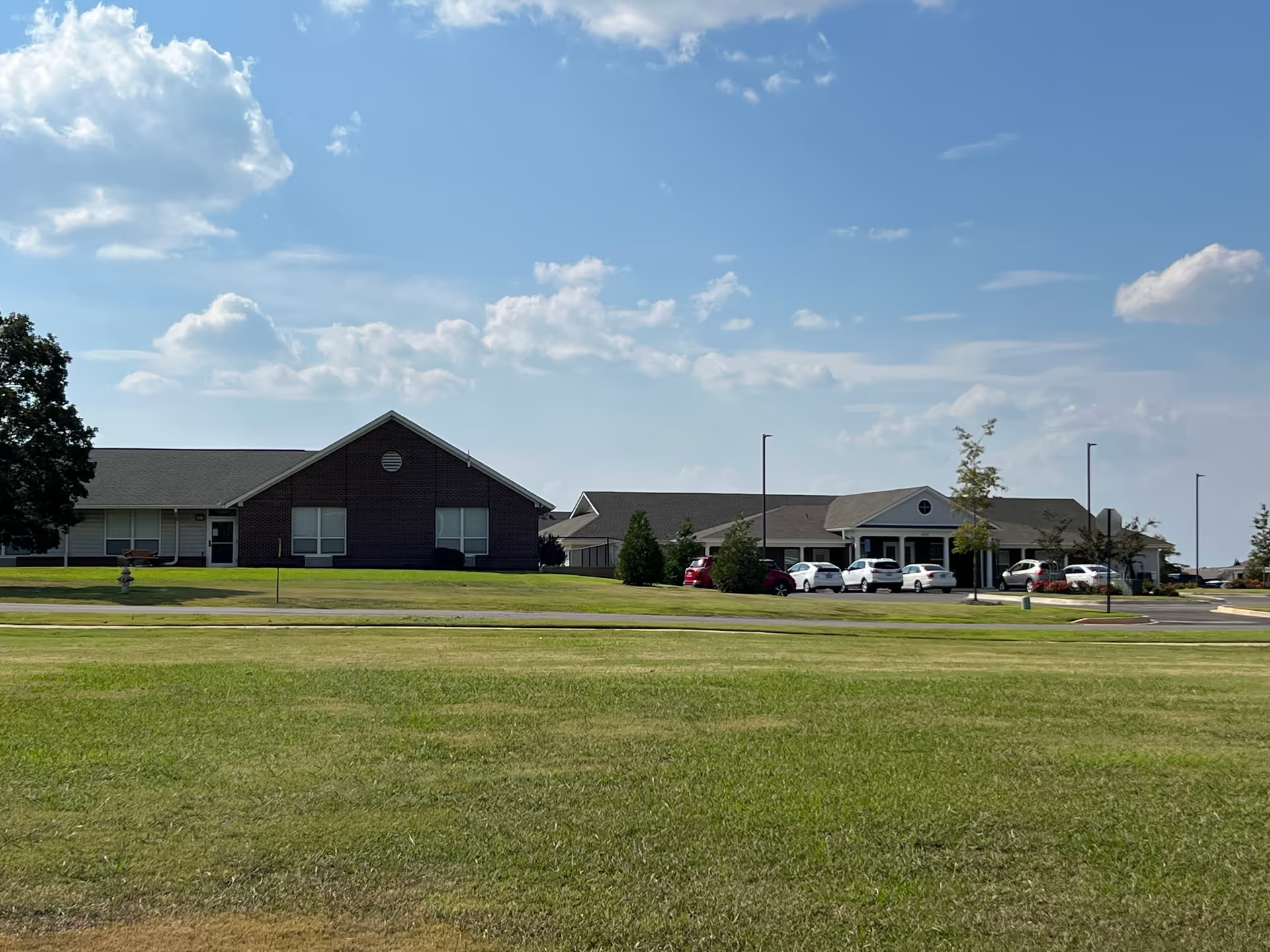
Athens Health and Rehabilitation presents a mixed but distinct pattern: many families describe strong rehabilitative outcomes and a core of dedicated caregivers, while an undercurrent of operational problems affects reliability of day-to-day long-term care. The facility's physical- and occupational-therapy teams receive consistent praise for producing measurable mobility improvements, offering therapy seven days a week in a large therapy space with attentive therapists and weekend physician coverage. Several families also highlighted helpful admissions support and a social-work presence that eased insurance and transition issues.
Nursing and direct-care staff are frequently described as compassionate, communicative, and respectful; multiple accounts name specific staff who went beyond duties to keep families informed through calls or video updates. Routine clinical practices such as vital-sign monitoring and medication distribution are noted positively by some reviewers, and many families reported clean rooms and professional interactions that supported short-term rehab goals.
At the same time, there are consistent operational concerns that prospective residents and families should weigh. Staffing levels and staff-to-resident ratios were commonly described as strained, producing slow response times and inconsistent personal-care delivery (including bathing schedules and assistance). These workforce pressures are linked in several accounts to delays in attending to resident needs and variable quality of long-term care compared with short-term rehab stays.
Clinical-safety and administrative issues were raised repeatedly: reviewers described inconsistencies in medication-administration practices and documentation transparency, gaps in emergency-response and clinical-follow-up protocols, and uneven communication from administrators. Billing and discharge processes were also singled out for errors or for feeling rushed. Dining and kitchen services present a mixed picture as well — some families praised the dining program, while others reported cold or limited meals and frequently bringing food from outside.
Facility and programmatic conditions vary by unit. Some areas are clean and well maintained, while others prompted sanitation and odor concerns; reviewers also cited cramped rooms and limited availability of private accommodations. Recreational activities and engagement appeared adequate in parts of the facility but limited on other units. Laundry and personal-item handling inconsistencies were described as a recurring operational gap.
Overall, Athens Health and Rehabilitation demonstrates clear strengths in rehabilitation therapy, several committed care staff, and useful admissions support. However, patterns of understaffing, inconsistent personal-care delivery, medication- and emergency-response gaps, and administrative communication problems reduce overall reliability for long-term stays. Families considering this facility should verify current staffing levels, ask for specifics on medication and emergency protocols, inspect unit-level cleanliness and room availability, and identify staff or liaisons (several reviewers named a social-work contact) who can provide consistent updates during a stay. Additionally, take seriously any specific, severe allegations and seek independent verification through facility leadership or regulatory channels if they arise.