Reviewer feedback for Senior Rehab & Recovery Center at Limestone is highly polarized: many families praise the facility’s rehabilitation capabilities and some staff members, while other accounts describe substantive operational gaps that affected care and family experience.
Care quality shows a split pattern. The facility’s physical and occupational therapy programs are consistently highlighted as a strength: therapy staff are described as dedicated and effective at helping residents reach rehabilitation goals and return home. The facility also appears to maintain active fall-prevention measures. However, reviewers raised concerns about clinical monitoring and chronic-condition management — examples include diabetes oversight, wound/dressing attention, and situations resulting in emergency care. Several accounts describe delays in toileting assistance and inconsistent attention to incontinence-care needs and linen changes. These clinical and care-process weaknesses suggest variability in bedside attention and in adherence to care plans.
Staff performance is described unevenly. Many reviewers singled out compassionate, communicative nurses and therapists who provided strong hands-on care and clear updates. At the same time, others described staff as overworked, slow to respond, or inconsistent in tone and responsiveness; families cited difficulty obtaining timely answers from administration and dissatisfaction with policy inflexibility. These descriptions point to both individual staff strengths and systemic staffing or workflow constraints that affect resident experience.
Dining and activities also vary by report. A number of families praised food quality and meal variety, while others described an institutional dining atmosphere and poor meal experiences. Recreational programming is frequently characterized as limited, with reviewers suggesting the facility’s social and activity offerings are underdeveloped relative to resident needs.
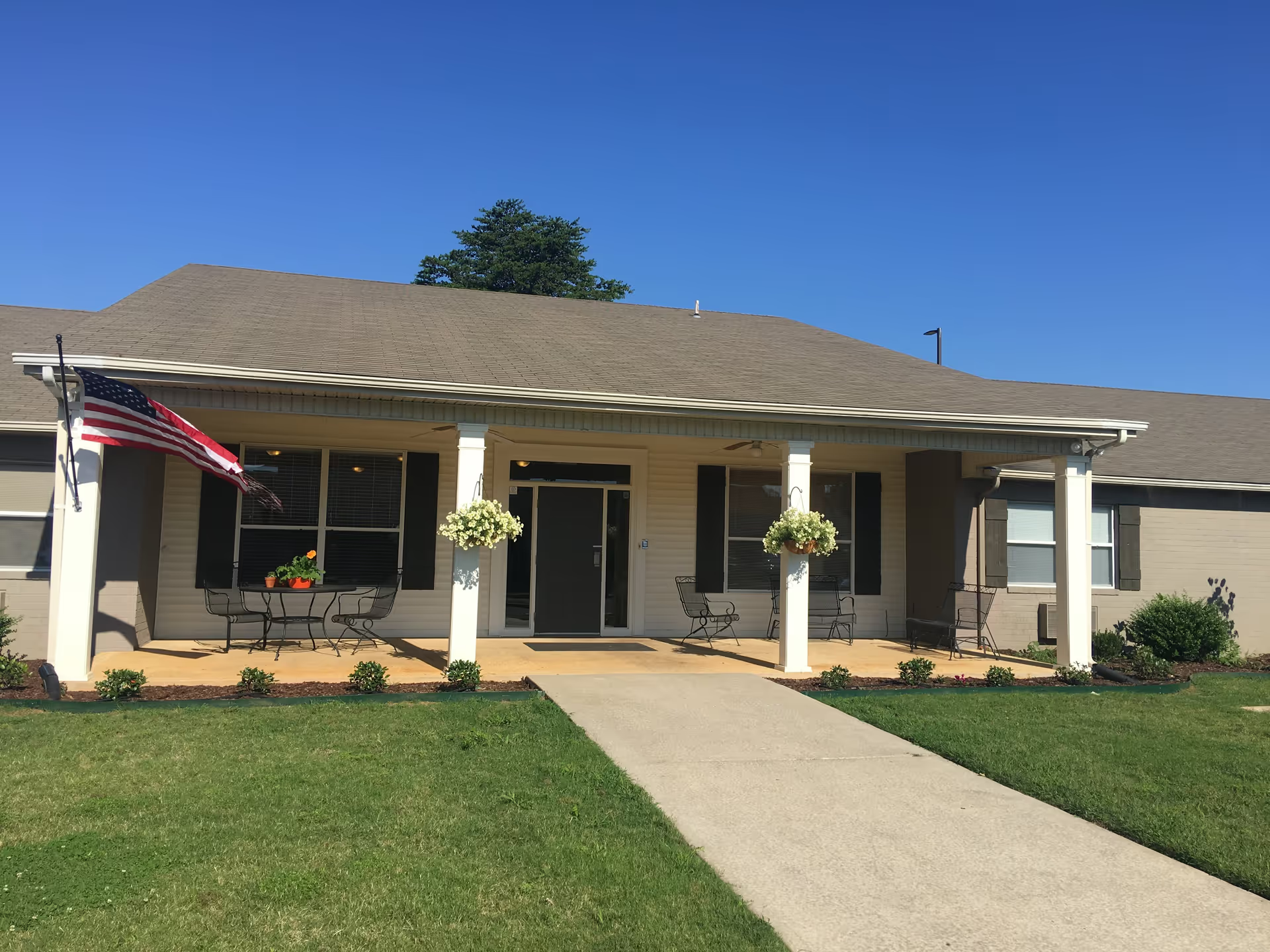
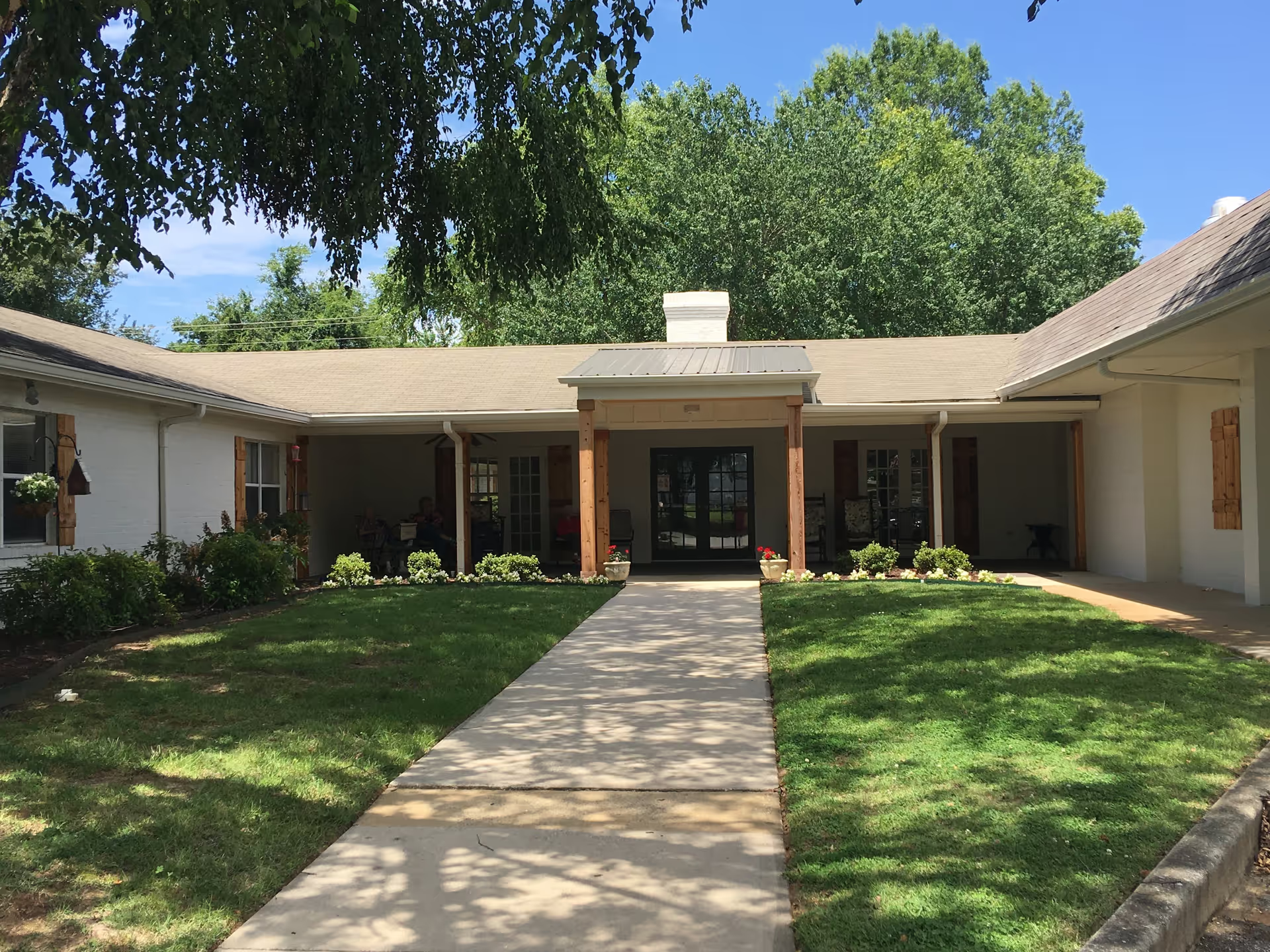
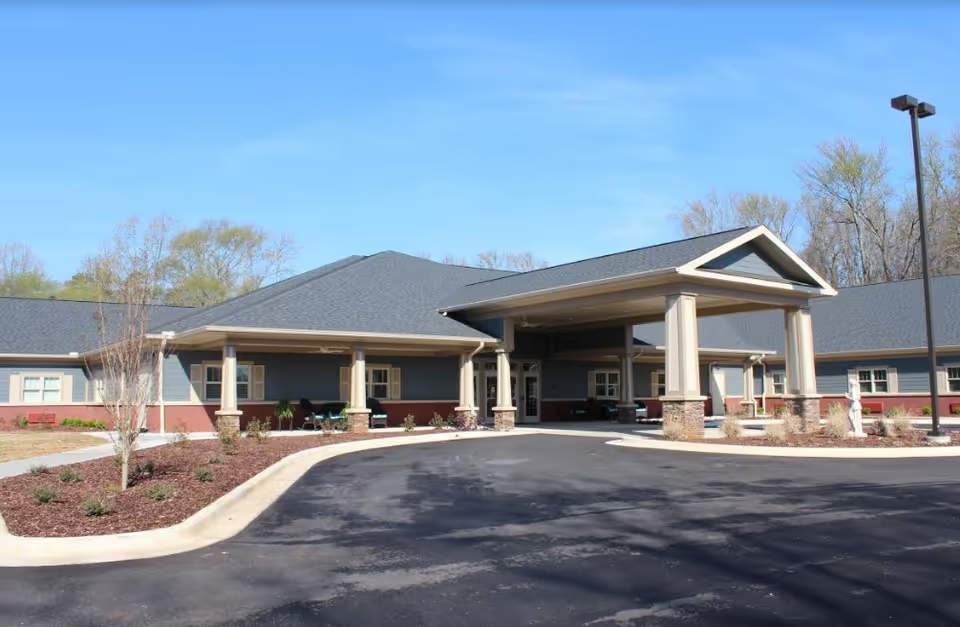
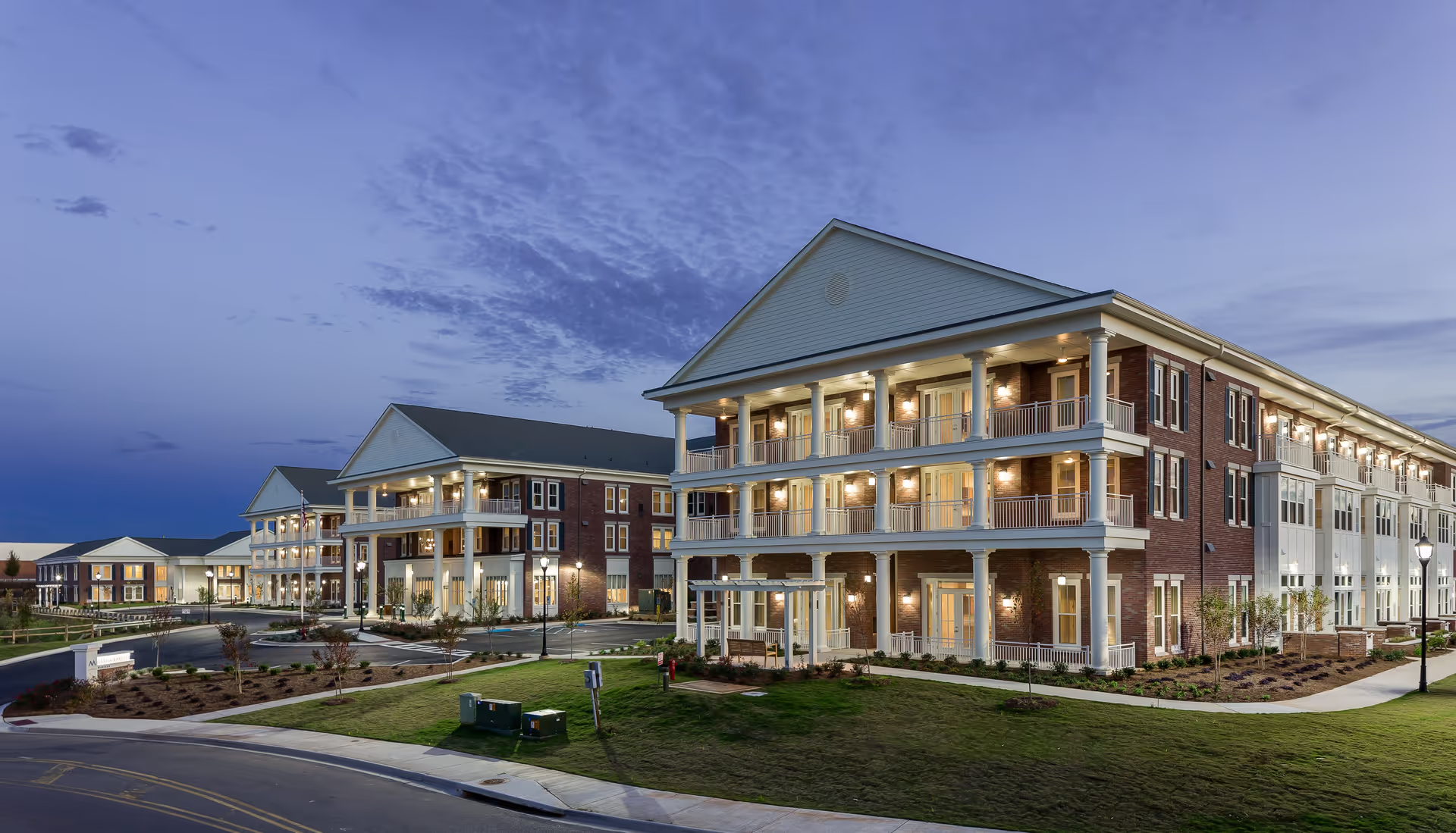
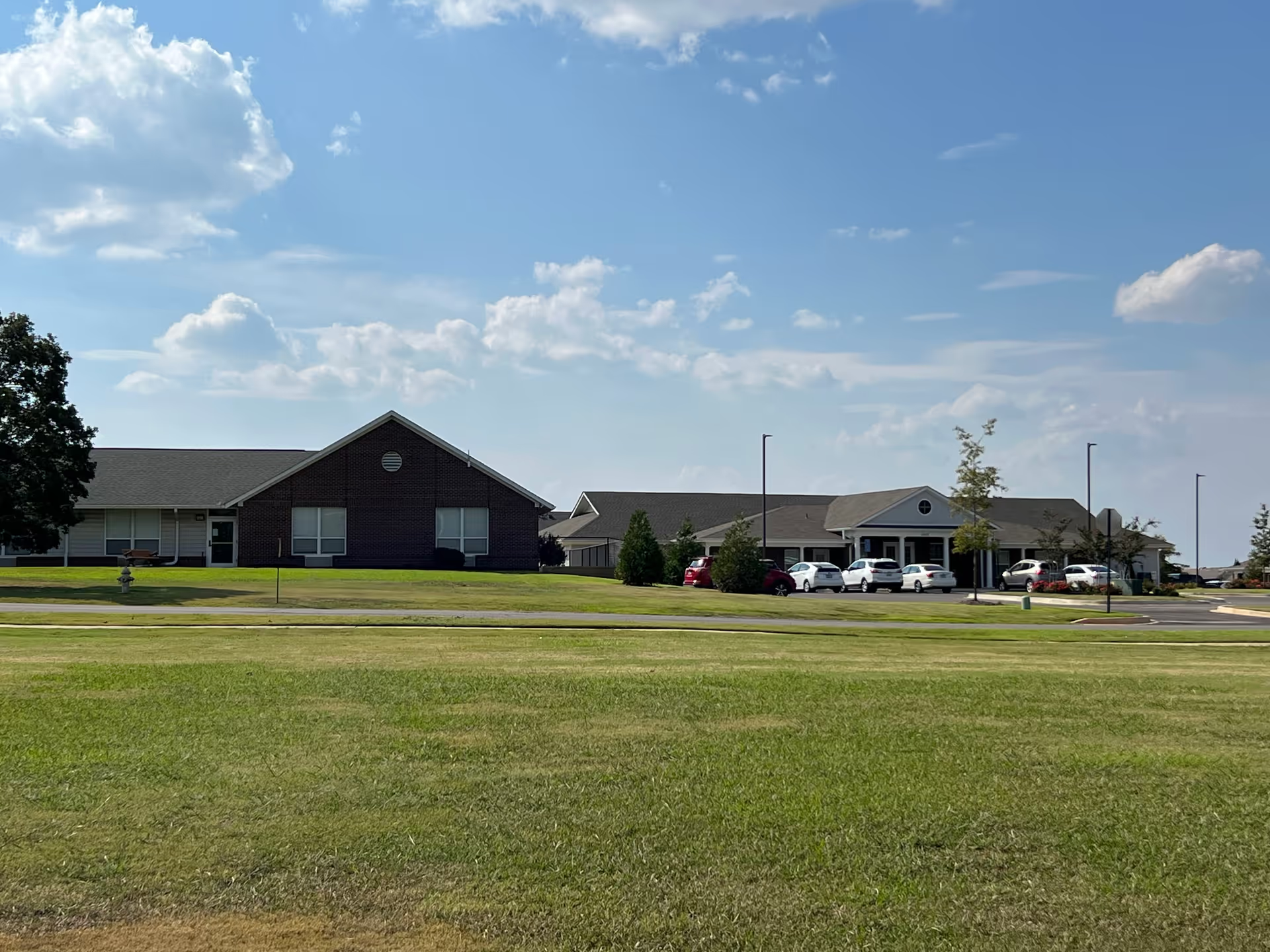
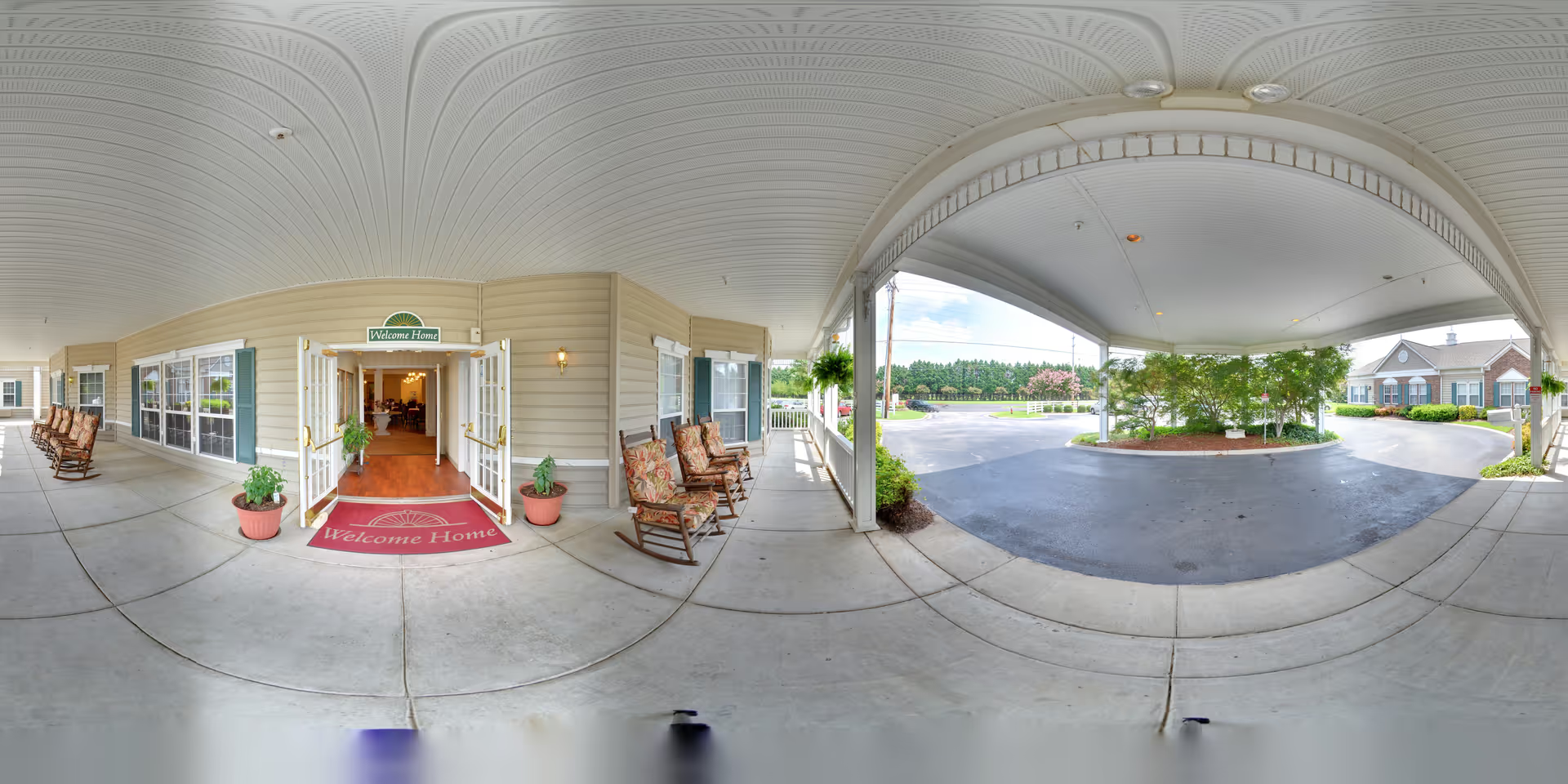
Facility condition and environment show mixed impressions. Common areas and corridors received positive comments for cleanliness and maintenance, but room-level cleanliness and sanitation were described as inconsistent; some reviewers noted odor and pest-control concerns in particular areas. The facility layout is described as confusing by some families, and outdoor areas were noted as usable but in need of improvement.
Management and communication patterns emerge as a recurring theme. Reviewers described both proactive, helpful communication from some staff and gaps in administrative follow-through in other instances. Several families expressed frustration with perceived rigidity in policy, uneven responsiveness to concerns, and insufficient family communication around significant clinical events. There are also mentions of concerns following a resident’s death, which underscores the need for transparent clinical oversight and family outreach in end-of-life situations.
Taken together, the pattern of feedback suggests the facility offers strong rehabilitative therapy and has many committed caregivers, but experiences are inconsistent across shifts, units, and individual staff. Prospective residents and families would benefit from an in-person tour and targeted questions before placement: ask about current staffing ratios, call-light response times, infection-control and pest-control protocols, linen/room-cleaning frequency, diabetes and wound-care protocols, how advance-directive conversations are handled, and the schedule and scope of recreational programming. These checks will help clarify whether the facility’s strengths align with a prospective resident’s clinical and quality-of-life needs.