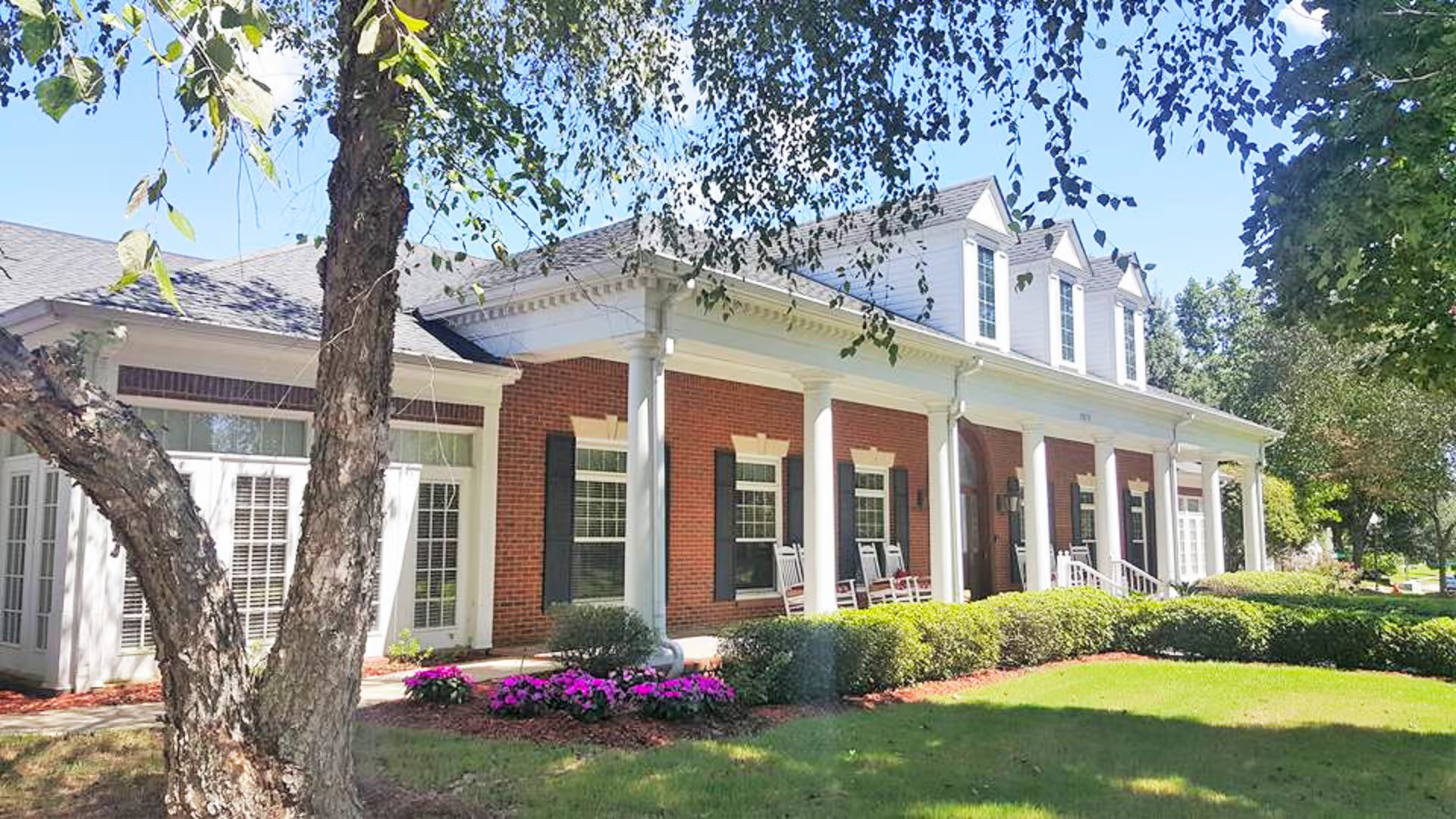
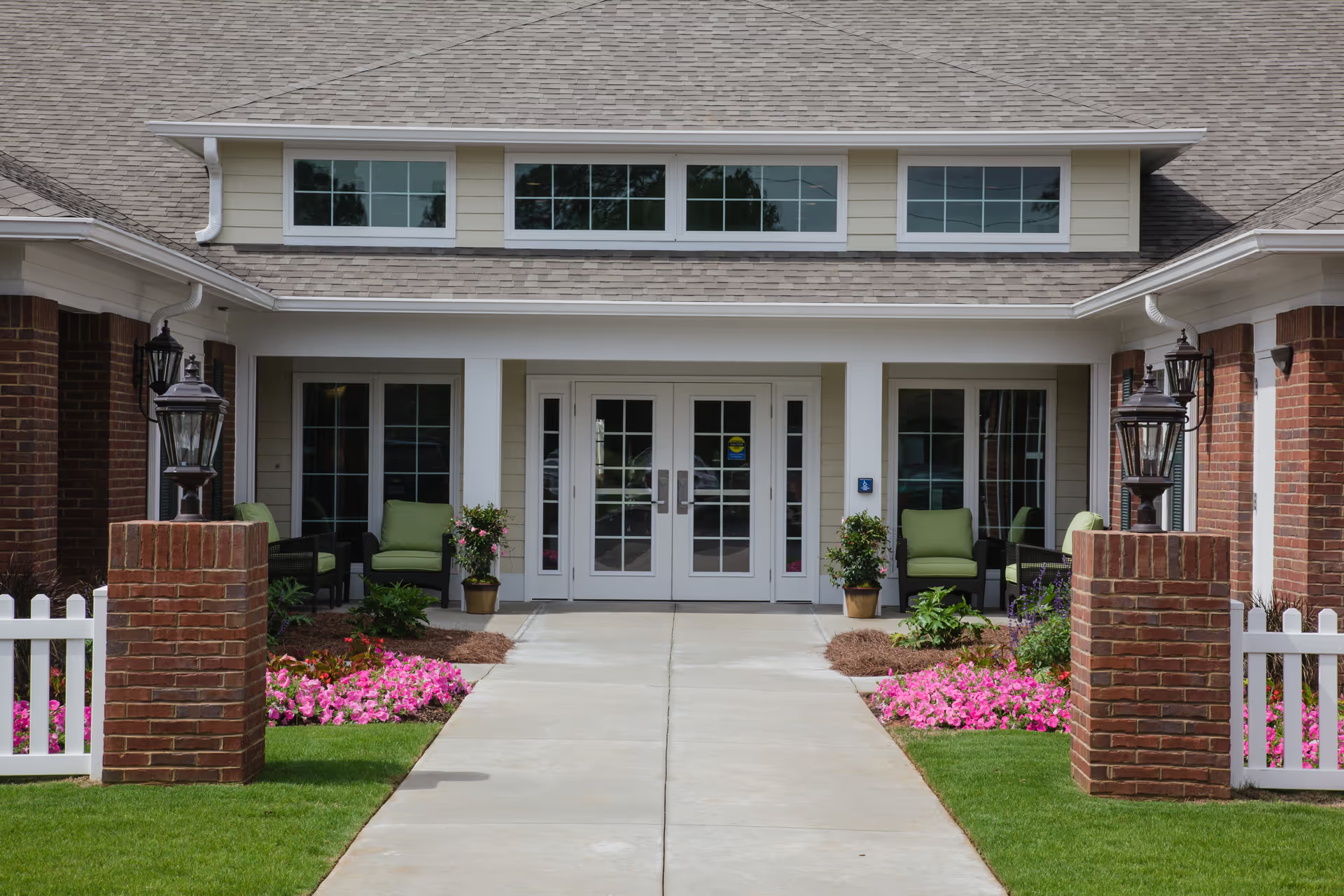
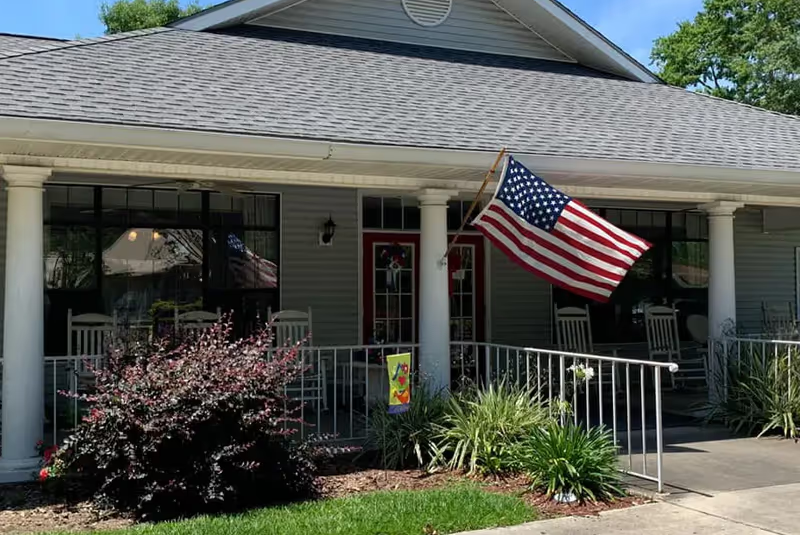
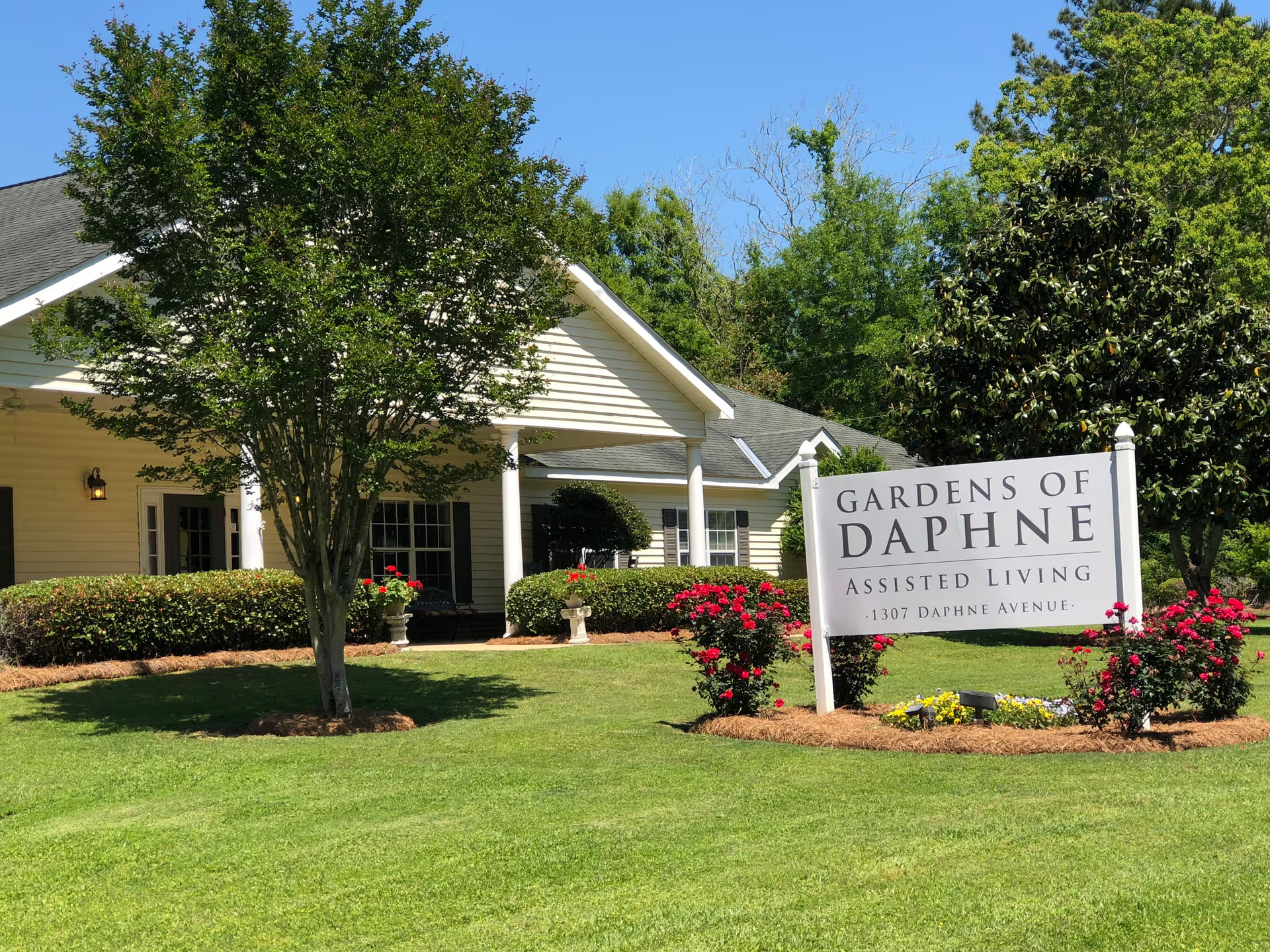
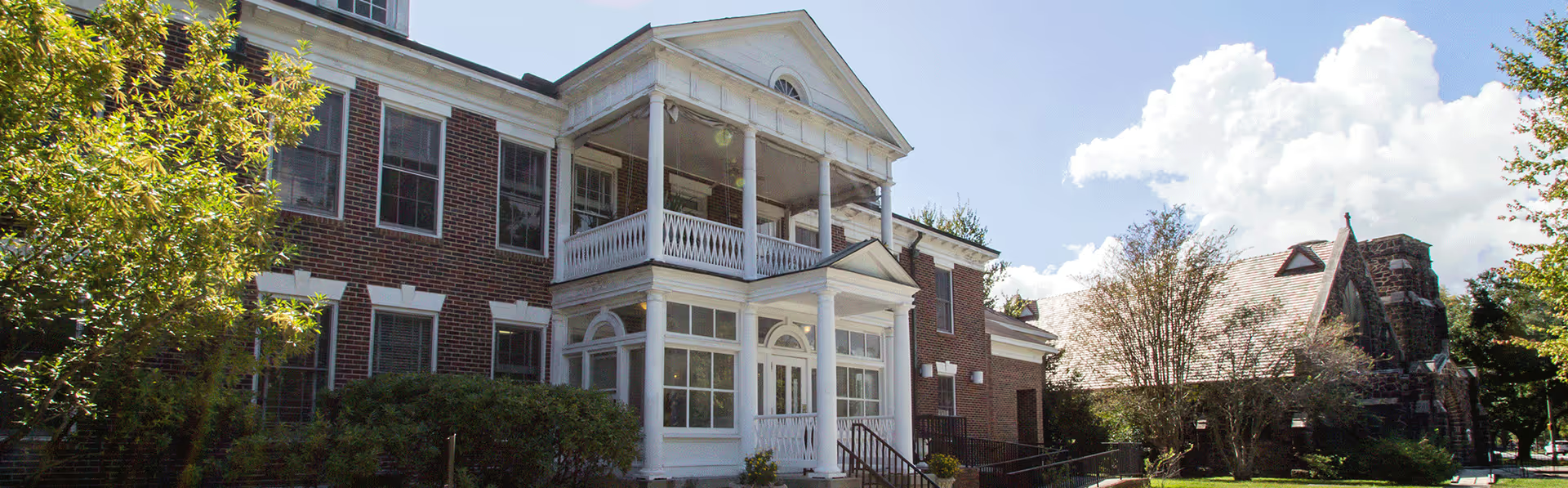
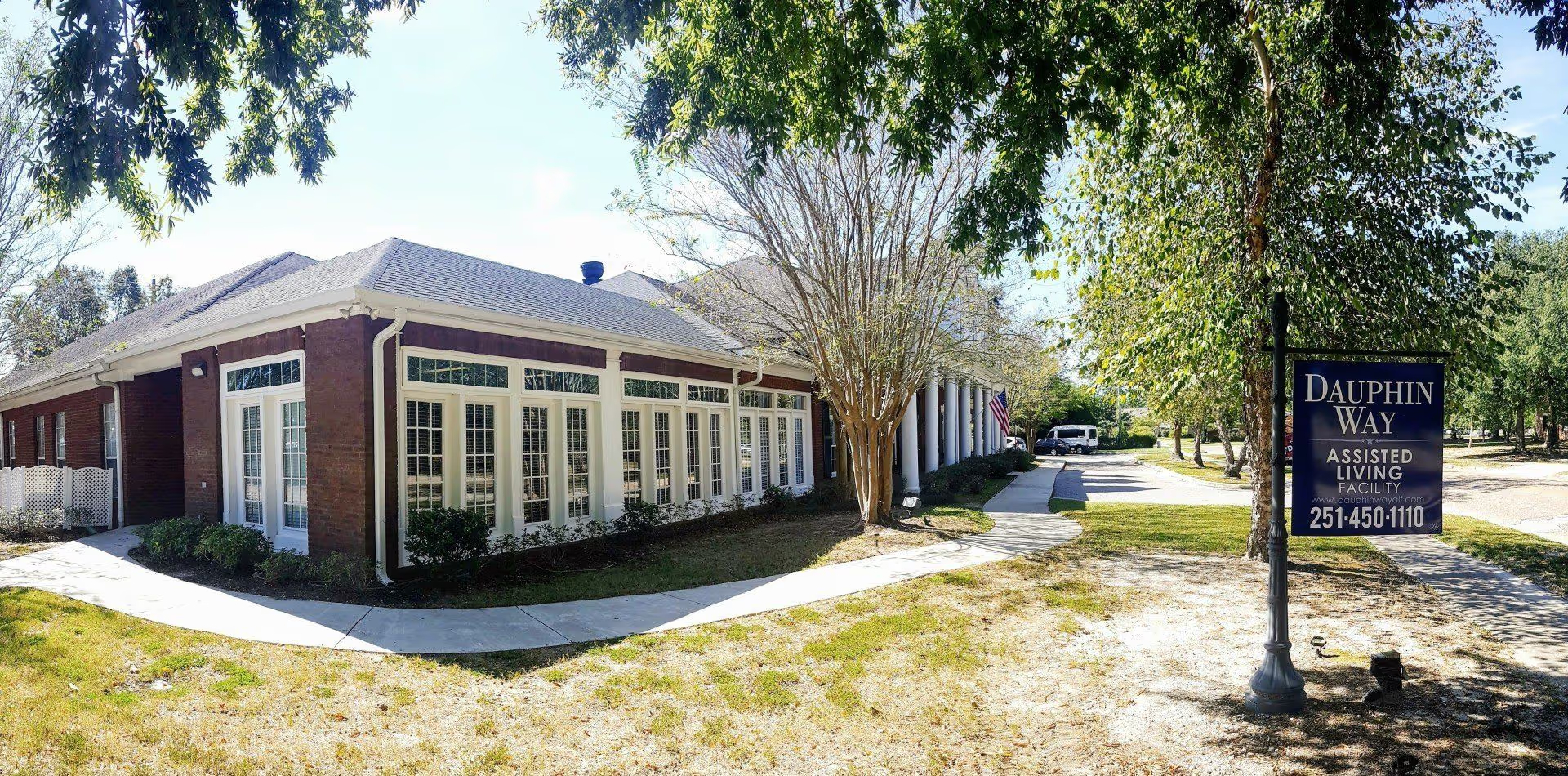
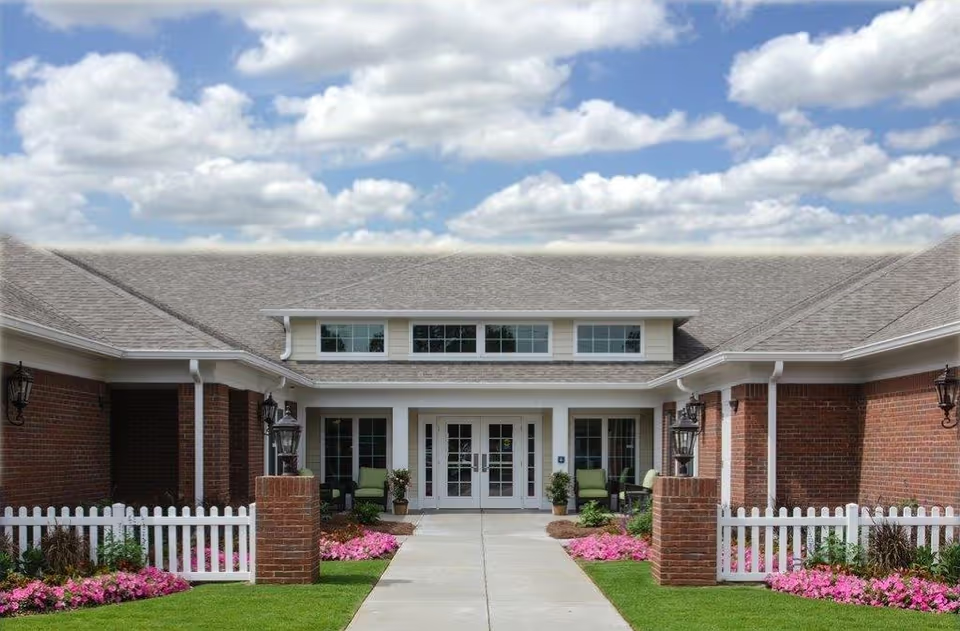
The reviews portray a facility with clear strengths alongside operational weaknesses. Many families praise the staff for being caring, welcoming, and helpful; the therapy program receives particular commendation and several accounts describe residents improving under rehabilitative care. The building and immediate environment are frequently described as clean, well maintained, and secure, and long-term residents or their families report comfort with placement and continuity of care.
At the same time, there are recurring clinical concerns that prospective families should note. Reviewers describe variability in overall clinical-care quality, with specific problems around wound and skin-care management and inconsistencies in medication handling. There are also recurring comments about delays in attending to resident needs and variability in responsiveness, particularly across different shifts, which suggests staffing or supervision gaps at certain hours. Some accounts raise concerns about documentation accuracy and dressing-change practices; these point to potential weaknesses in clinical oversight and recordkeeping rather than isolated administrative issues.
Staff behavior and communication elicit mixed impressions: many emphasize respectful, pleasant interactions and accommodating caregivers, while others report negative encounters and a harsher communication tone at times. This pattern suggests uneven staff training or supervision and a need to evaluate staff conduct and resident-handling protocols. Dining receives both positive and negative remarks—some families appreciate the meals, others describe inconsistent food quality—indicating variability in dining experience rather than a uniform standard.
Facilities and housekeeping are generally noted as strengths, with clean rooms, clutter-free hallways, and an orderly campus. However, sanitation concerns tied to personal-care and incontinence management appear in some accounts and may warrant direct inquiry. Activities are not a dominant theme in the comments provided; the strongest programmatic praise centers on therapy and direct care rather than a broad activities portfolio.
For prospective residents and families: consider observing multiple shifts (including evenings/nights), request recent care-plan and medication reconciliation documentation, ask about wound-care protocols and staff training on resident handling, and sample the dining program. Reviewing staffing ratios and supervisory practices, as well as requesting examples of documentation and incident-response procedures, can help assess whether the facility’s praised strengths are consistently applied to clinical and personal care needs.