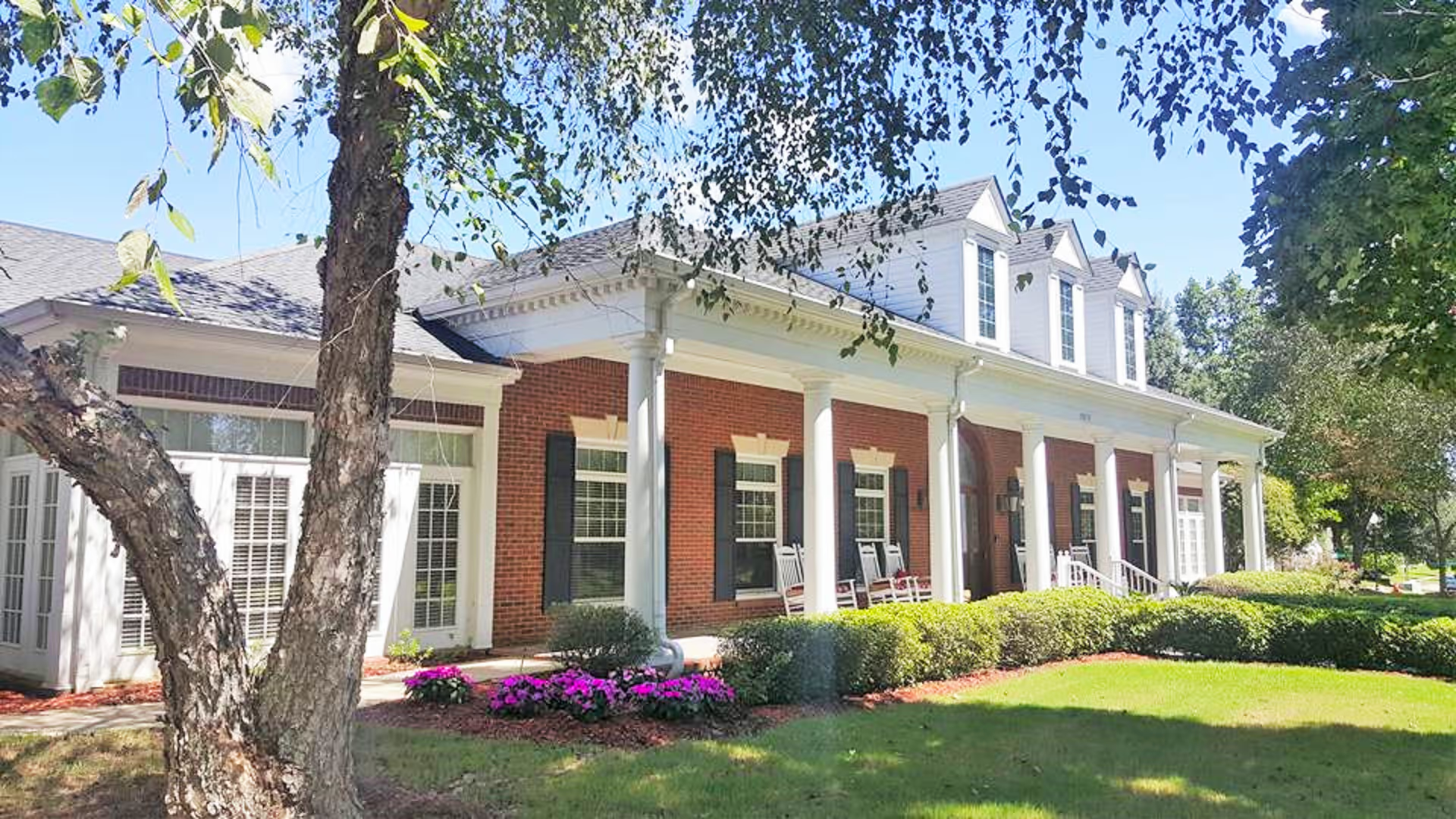
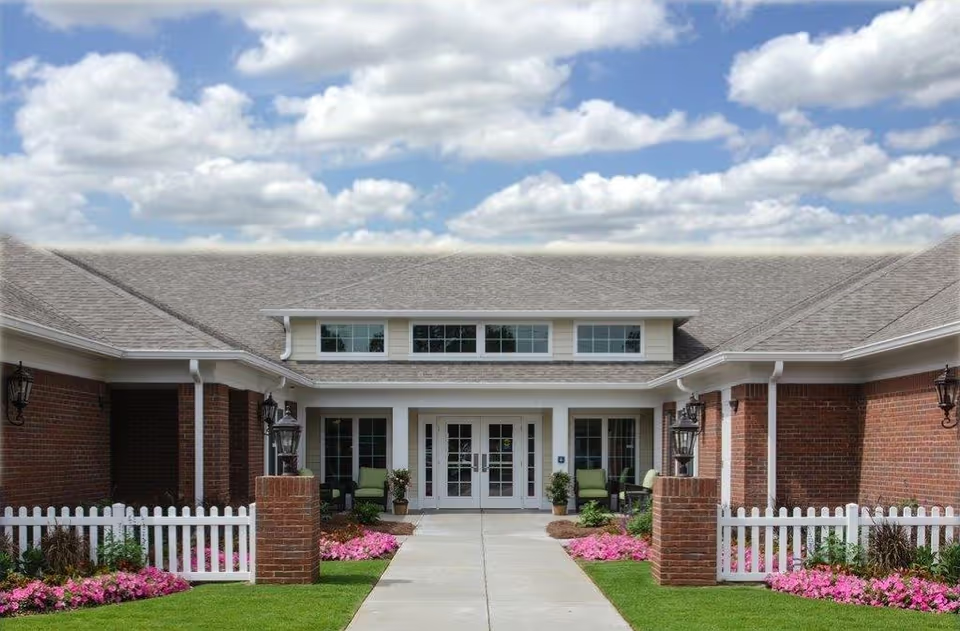
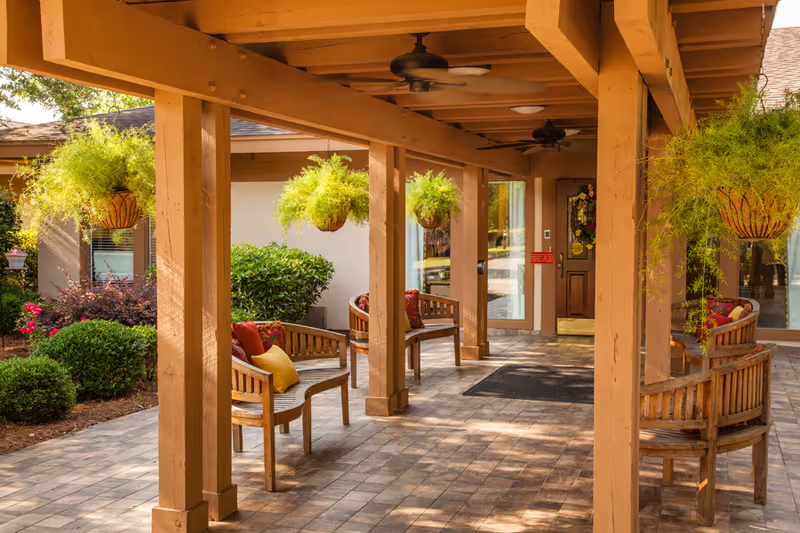
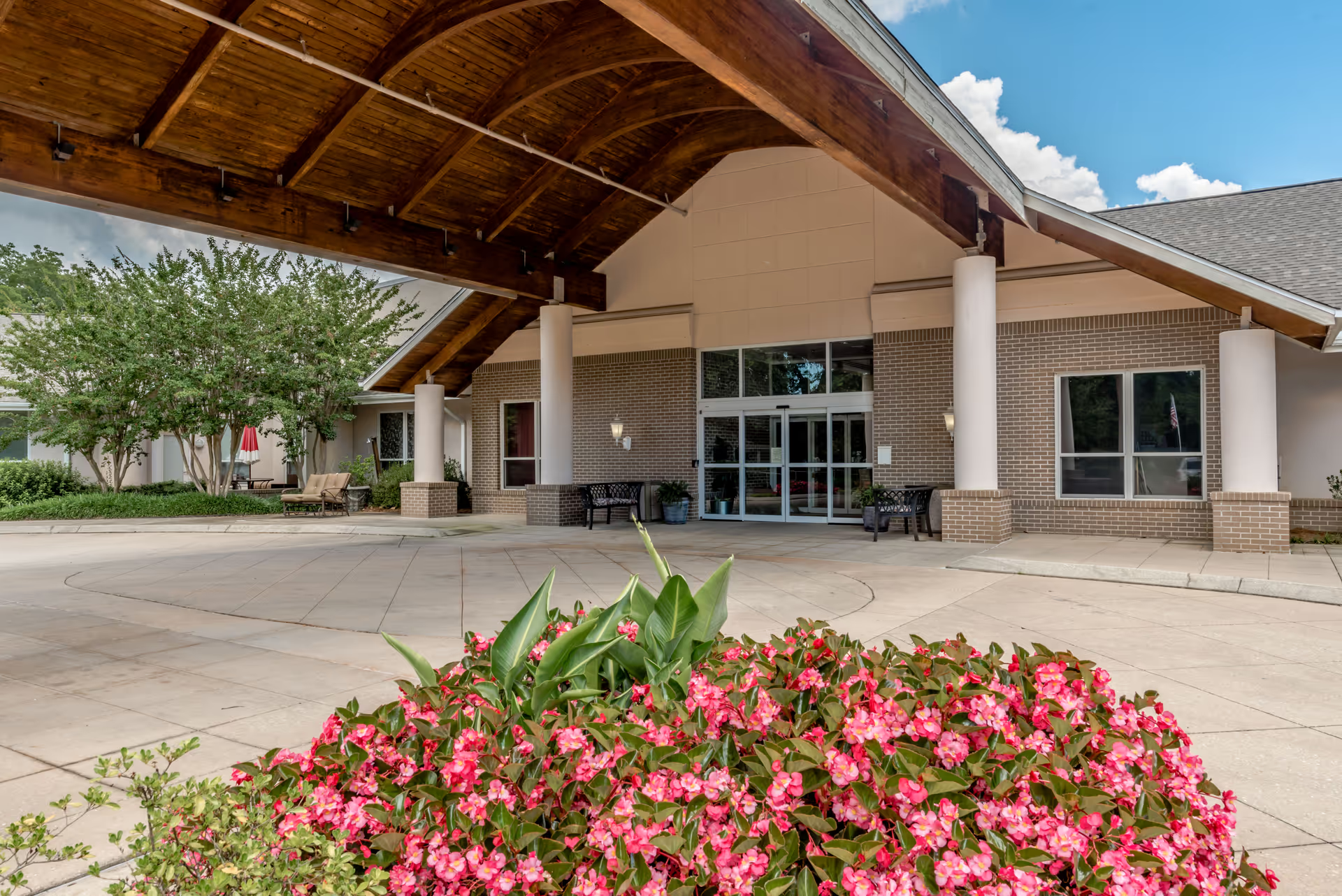
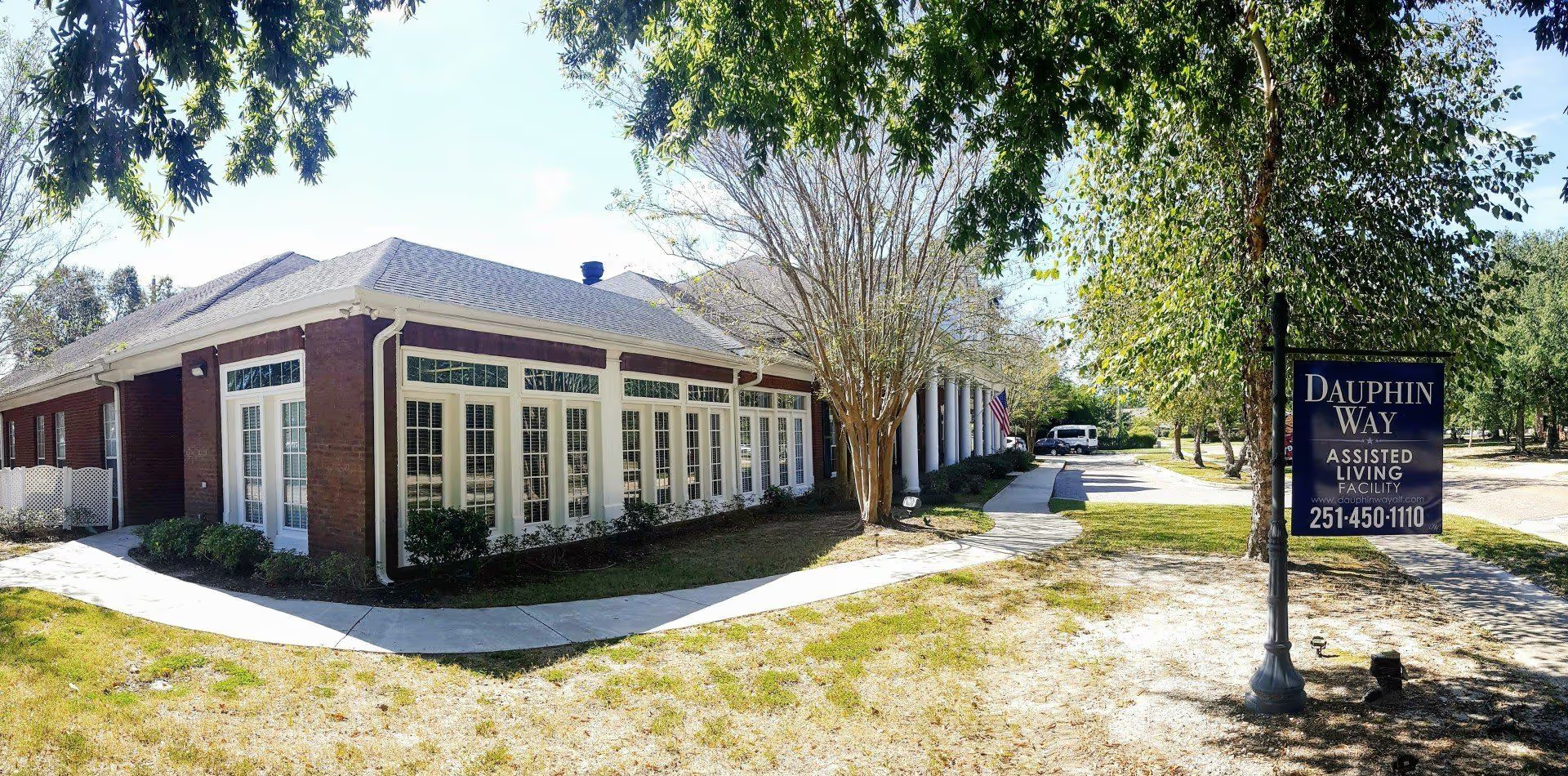
Seabrook Pointe presents as a modern, well-appointed senior living community with several clear strengths alongside consistent operational concerns. Physically the community is frequently described as attractive: new or updated construction, spacious rooms that residents can furnish, ample natural light, outdoor courtyards and home-like common areas. Separate wings for memory care and assisted living, secure access, and visible amenities (salon, movie room, game room) support a campus that many families find comfortable and appealing for social engagement and independence.
Dining and activities are among the facility’s stronger offerings. Multiple reviews praise a varied dining concept, monthly menu specials, and staff pride in meal preparation; others note positive mealtime staff interactions and pleasant lobby aromas. The activities program is active in many areas—regular outings, reading groups, bingo, and community events are frequently cited—and on-site therapies (physical and speech) are repeatedly credited with measurable functional improvement and fall-prevention benefits for some residents.
Staff quality receives mixed but emphatically emotional responses. Numerous accounts highlight compassionate, attentive caregivers, timely illness recognition, seamless coordination to medical care, and staff who build close relationships with residents and families. These positive interactions are often reinforced by praise for individual leaders and activities directors. However, reviewers also describe irregularities in staffing levels, high turnover, and differences between day and night shifts that lead to variable resident experiences. There is a recurring distinction between the supportive bedside staff many families encounter and frustrations with broader clinical oversight or management consistency.
Clinical and operational reliability is the primary area of concern. Across reviews, themes include inconsistent medication administration and tracking, gaps in clinical surveillance, occasional late or missed responses to call lights, and questions about nurse-manager presence on weekends and nights. Memory-care programming and aide competency are noted as uneven: while some families report strong memory-care engagement and training emphasis, others experienced insufficiently trained aides and limited interactive programming. Laundry handling, personal-belongings controls, and housekeeping practices also surface as recurring operational weaknesses that affect family confidence.
Administrative practices and transparency are additional patterns to examine. Families cite problems with billing communication, unexplained or unauthorized charges, and difficulty obtaining refunds or resolving disputes. Some describe lapses in privacy controls and information-sharing processes. Several comments indicate that ownership transitions or management changes have contributed to communication breakdowns and inconsistent policy enforcement. These administrative issues, together with clinical reliability concerns, create a polarizing picture: many families are highly satisfied and would recommend the community, while others felt compelled to move loved ones out.
What this pattern suggests for prospective residents and families: the community offers many elements of a desirable senior living environment—strong amenities, engaging activities, and capable therapy services—but quality appears to depend substantially on unit-level staffing, shift timing, and the current state of management oversight. Visitors should tour in person, observe day and evening staffing, request specific documentation of medication-administration and incident-response protocols, ask about training requirements for memory-care aides, review recent state inspection reports, and clarify billing and personal-belongings policies before admission. Those steps will help determine whether the operational variability aligns with a prospective resident’s clinical needs and family expectations.