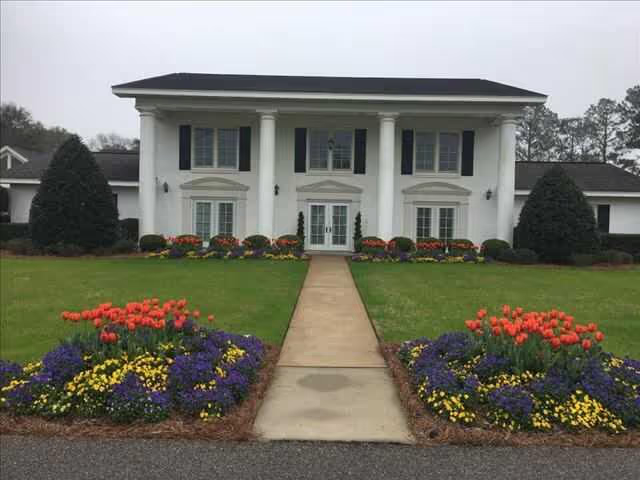
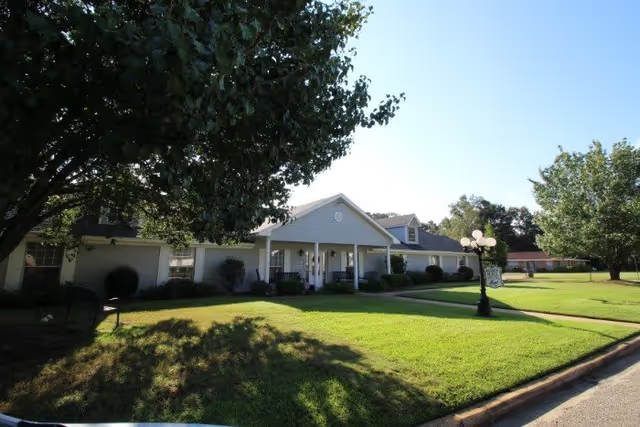
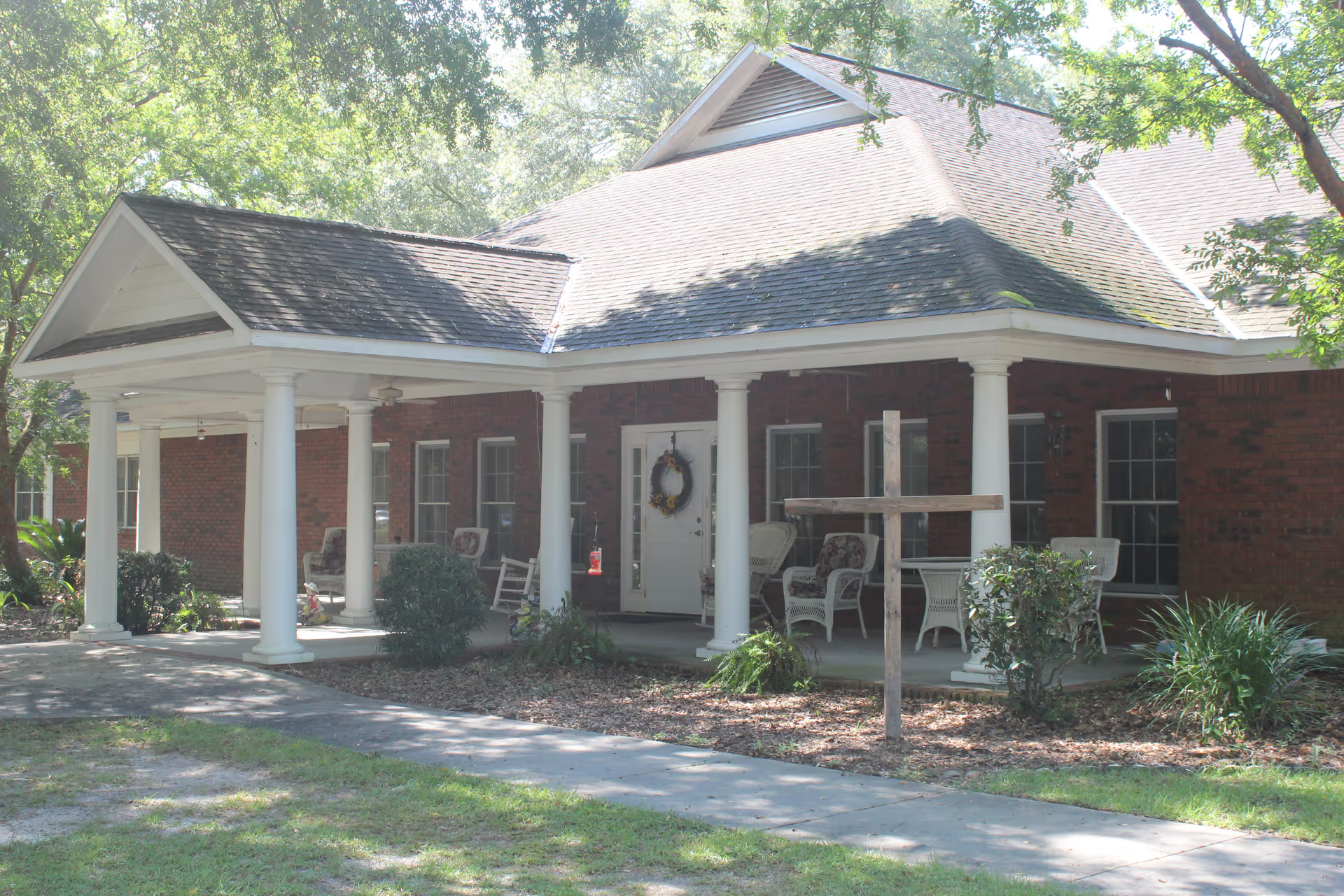
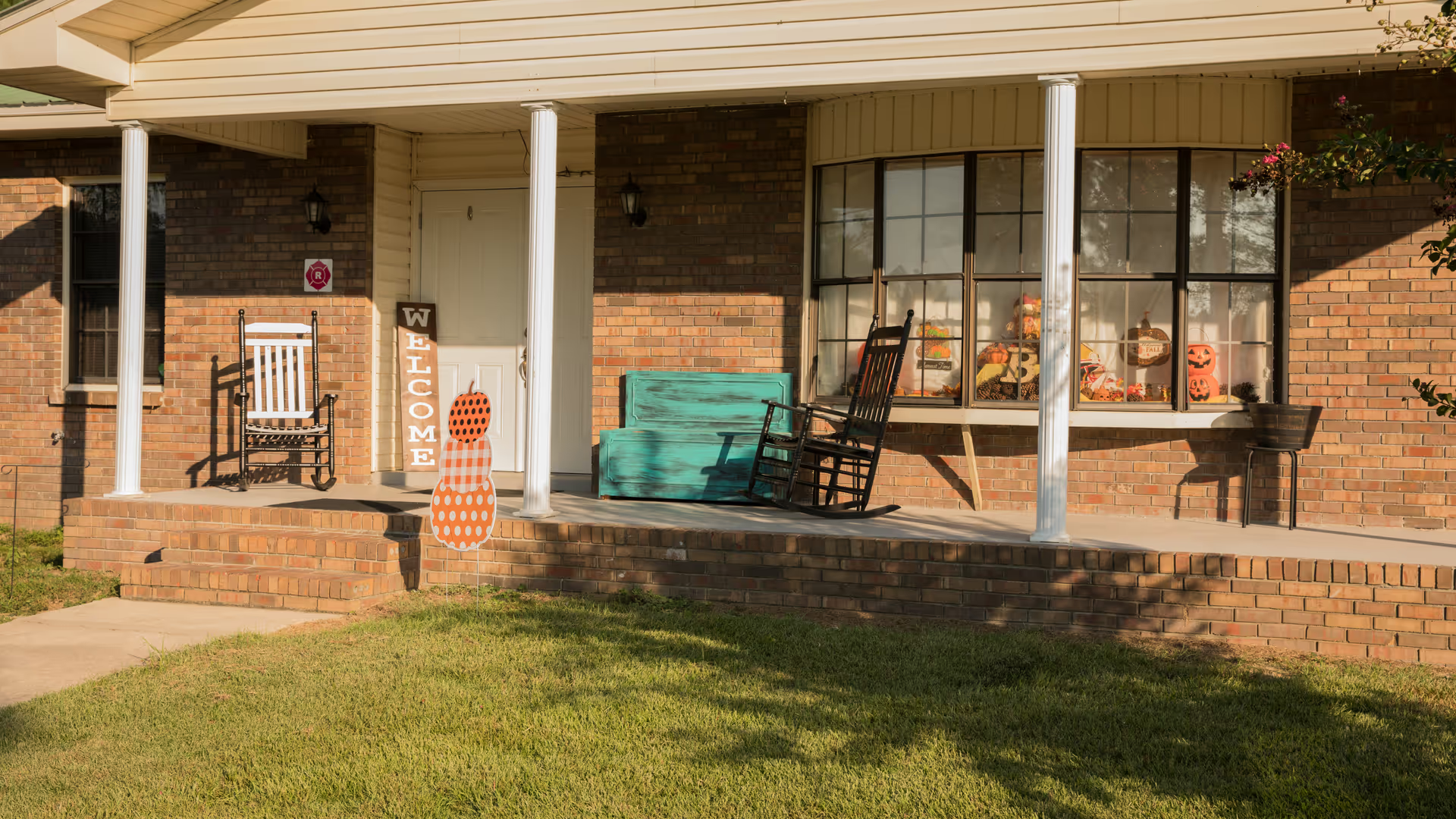
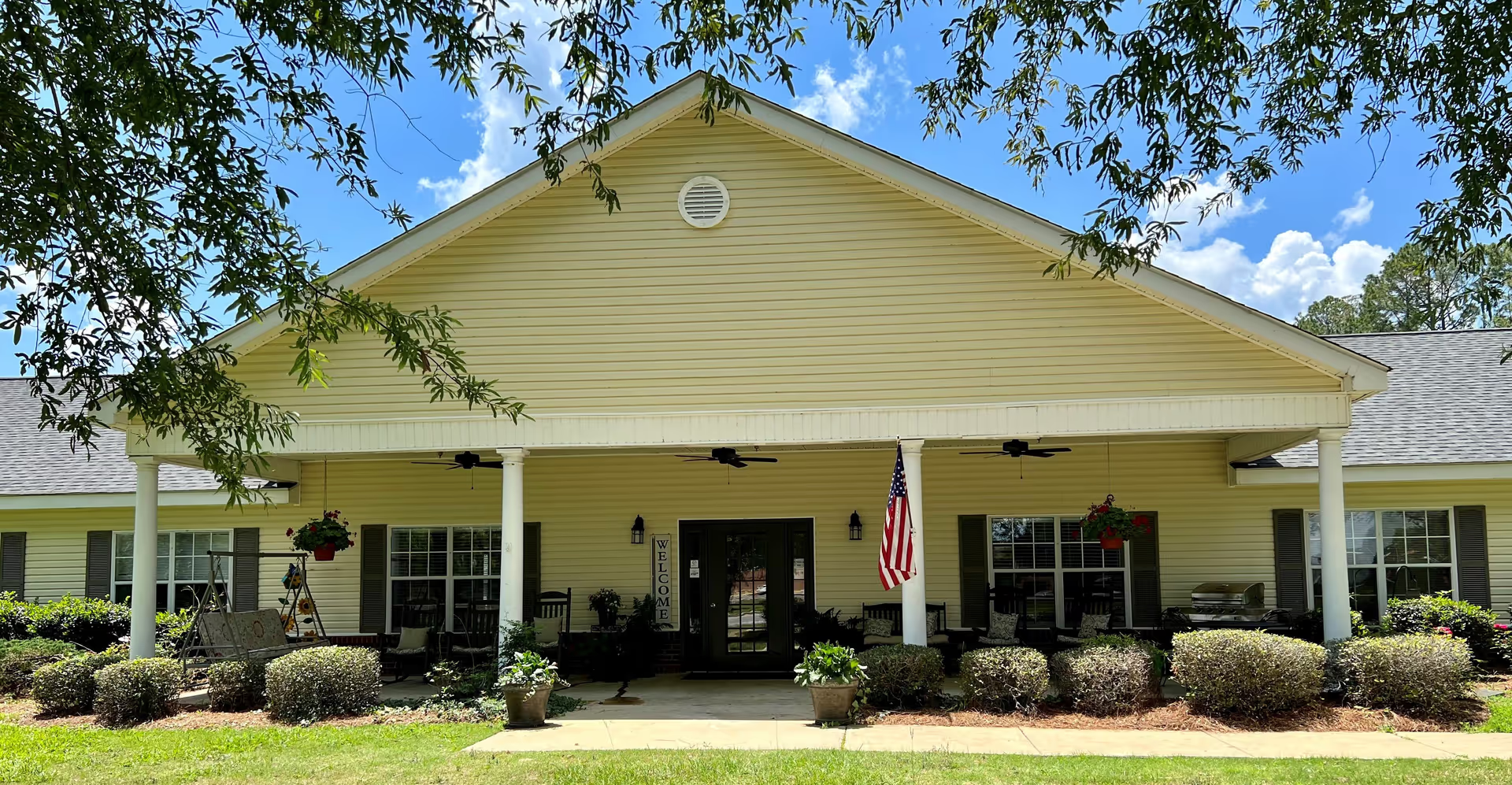
The reviews present a mixed but informative picture. Westside Terrace is repeatedly recognized for its short-stay, rehabilitation-focused care: therapy staff, rehab clinicians, and specific nurses and aides receive strong praise for clinical skill and restorative outcomes. Cleanliness and well-maintained common areas are consistently noted, as are private or large-room options and the facility’s year-round availability. Families and reviewers highlighted several individual staff members for above-and-beyond service, which contributes to an overall perception of compassionate care in many cases.
At the same time, a cluster of operational concerns recurs across accounts. Communication with families is frequently described as inconsistent: phone calls left unanswered, limited progress updates on therapy or care plans, and questions that go unresolved. Administrative responsiveness and access to records have been raised as problems in several instances, including restrictions on documentation access unless a power of attorney is in place. Visitation policy enforcement and perceived inflexibility—especially during infection-control periods—have also been a notable source of tension for visitors.
Clinical-safety and operational issues are another theme. While some reviewers note good attention to fall risk and proactive handling by staff, others describe events that raised concern about fall-prevention practices and the facility’s incident-response procedures. There are also allegations of medication-management lapses and variability in bedside conduct among staff, suggesting inconsistencies in training, supervision, or staffing levels. Reviewers describe workforce strain at times, which families link to slower responsiveness and fewer available activities during high-demand periods.
Dining and programming present another mixed set of observations. The facility’s meals are described as serviceable but often hospital-style with limited breakfast variety and inconsistent temperature/quality; this appears to be an area where expectations are not uniformly met. Programming and activities (for example, church services, bingo, and scheduled daily events) are in place and appreciated, but activity frequency and engagement appeared reduced at times, particularly during pandemic-related restrictions.
Dementia care and accommodations also emerged as a concern for some families. Reviewers indicated that dementia-specific programming and cohorting were limited and that the facility’s levels of memory-care separation sometimes did not align with individual needs. Prospective residents and families should evaluate whether the facility’s dementia capabilities and room/wing configuration match the care complexity required.
In summary, Westside Terrace appears to offer solid rehabilitation services, clean facilities, and several highly regarded staff members, which make it a reasonable option for short-term rehab and stroke recovery for many families. At the same time, recurring issues around communication, administrative responsiveness, visitation policies, meal consistency, dementia programming, and safety oversight warrant careful inquiry. Prospective residents and their families would be well advised to ask targeted questions during a tour: staffing ratios and supervision, fall-prevention protocols and incident reporting, medication-administration safeguards, dementia-cohorting options, sample menus and meal-service procedures, the facility’s communication protocol with families, and how records access is handled when legal proxies are involved.