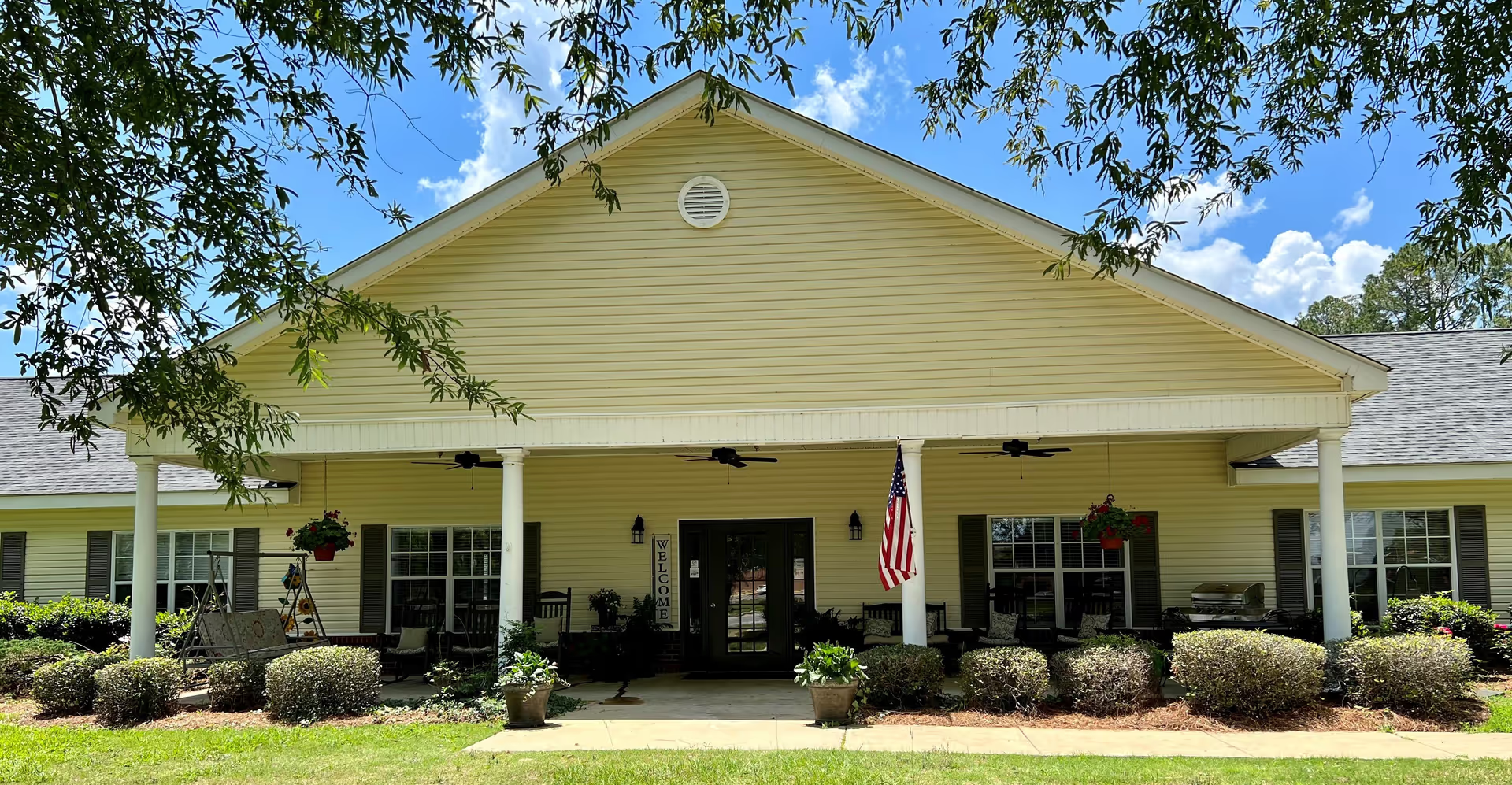
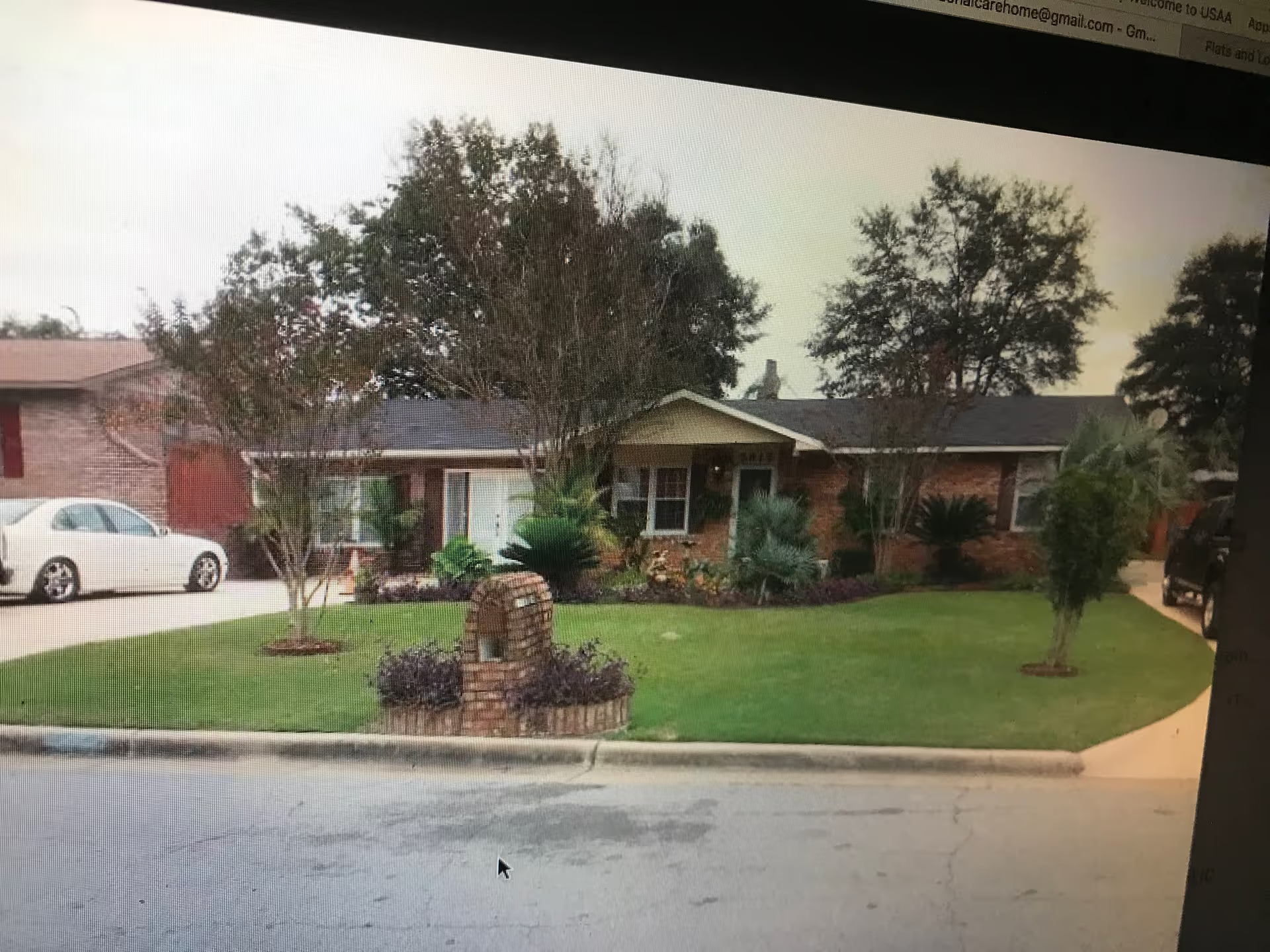
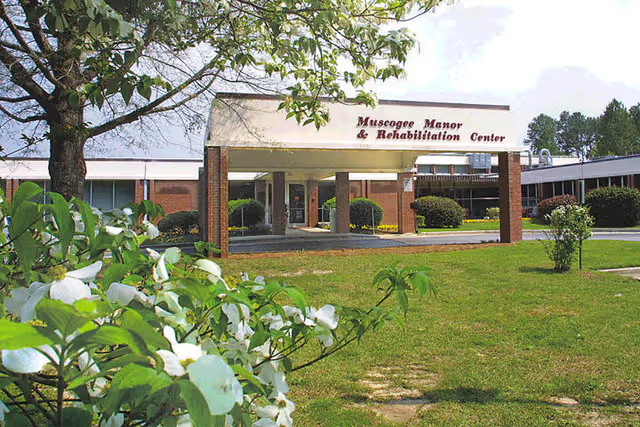
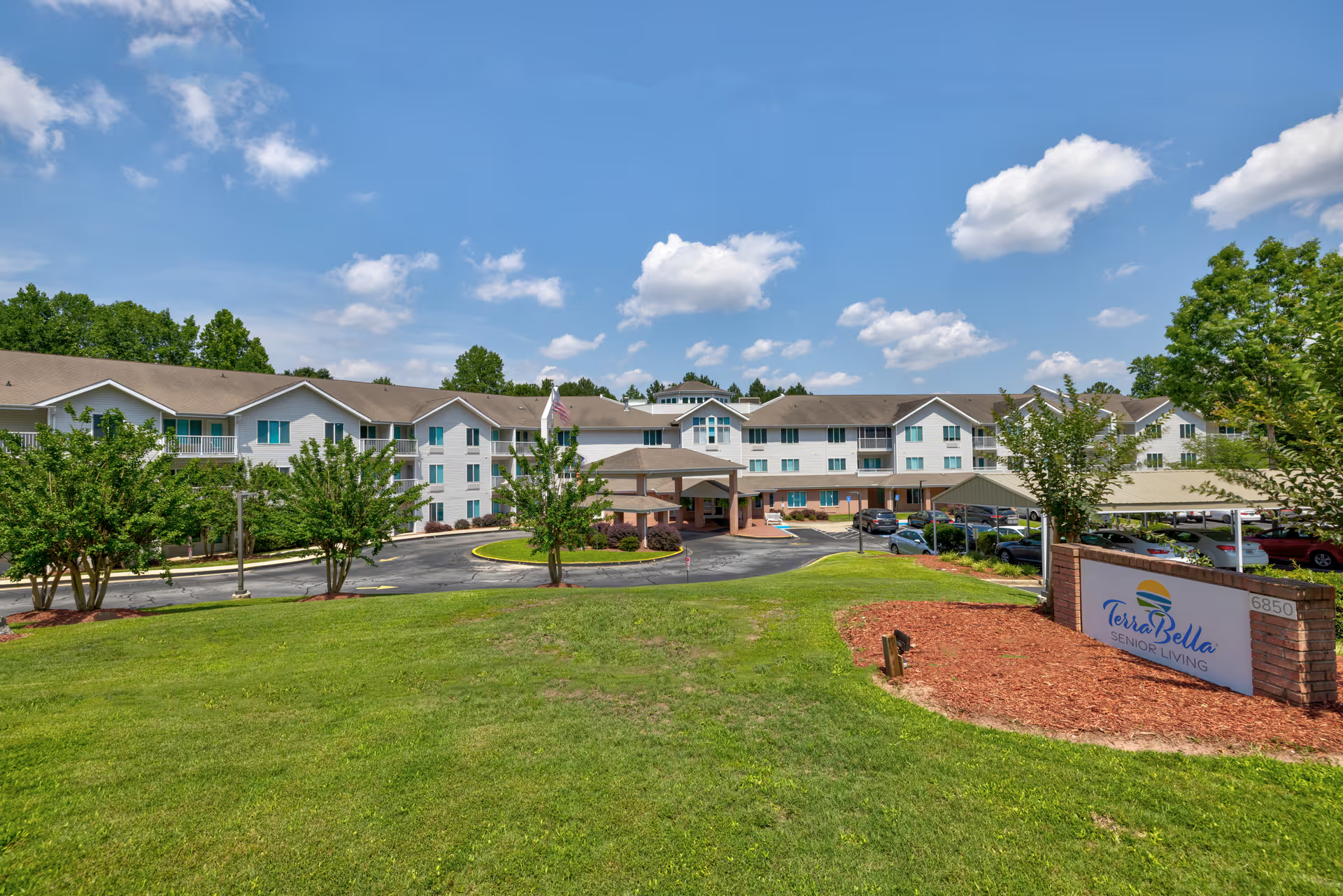
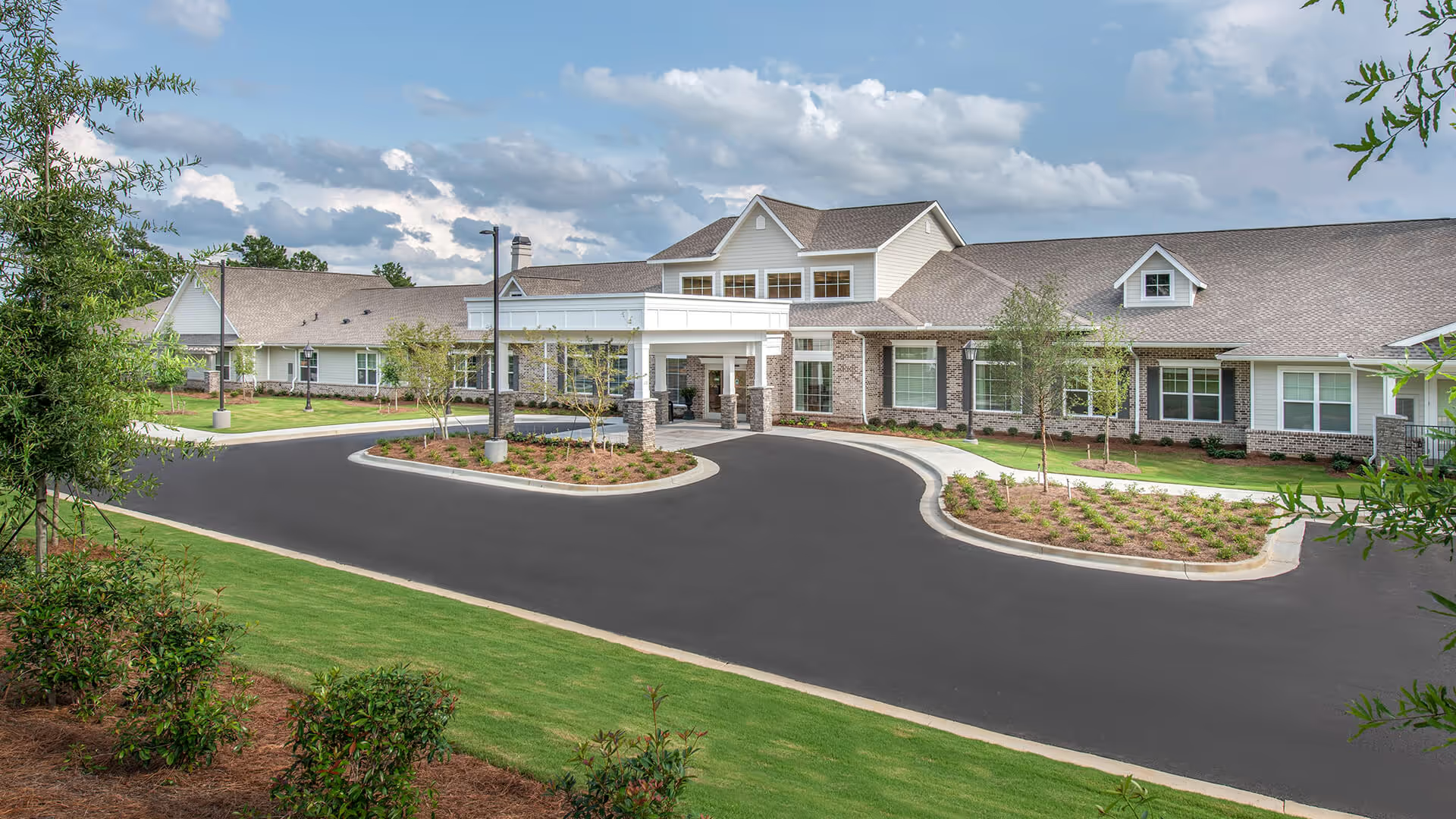
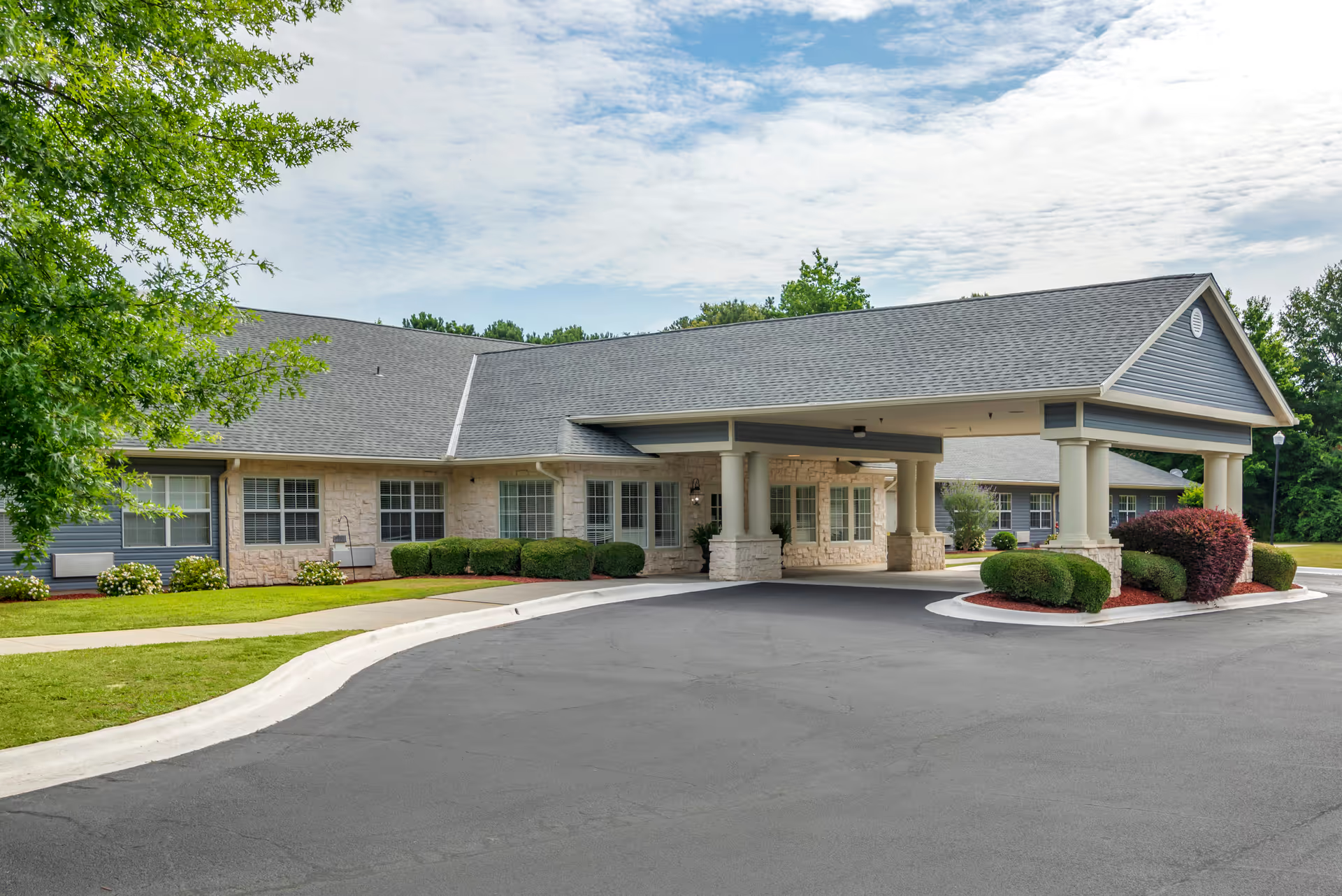
Reviews present a mixed but distinct pattern of strengths and operational weaknesses. On the positive side, families and former residents frequently described compassionate, attentive nurses and caregivers who provided comforting, family-style support. Rehabilitation and therapy services receive consistent praise for facilitating recovery after surgery or hospitalization; several accounts note effective short-term outcomes and skilled therapy personnel. Public spaces and common areas are regularly described as well maintained and welcoming, and the facility appears capable of organizing meaningful social programming — including community events and faith-group visits — that contribute to resident engagement and morale.
Clinical-care impressions are heterogeneous. Many reviewers praised hands-on caregiving, effective rehab coordination, and nursing staff who convey warmth and competence. At the same time, there are repeated concerns about medication practices and pain management, including inconsistent timing and delays in administration. These patterns have clinical implications for comfort and recovery trajectories and suggest a need for standardized medication-administration procedures and improved pain-assessment protocols.
Operational and environmental issues recur across reviews. Housekeeping and room-level sanitation are described inconsistently: while common areas are often clean and presentable, there are repeated remarks indicating room-cleaning lapses and odor-control problems. Food-service and food-safety practices were questioned in a few accounts (including mention of expired items), pointing to the need for stronger kitchen oversight and inventory control. Reviewers also described situations that indicate staffing pressure — staff appearing overworked or stretched thin — which aligns with reports of variable responsiveness, inconsistent encouragement for mobility or meals, and gaps in overnight monitoring.
Staff conduct and management practices emerge as a notable pattern. Many reviews commend individual caregivers and specific supervisors for kindness and dedication; however, other accounts describe unprofessional communication, abrupt interactions with families, and concerns about internal accountability. More serious operational concerns include allegations of theft and statements about inadequate incident follow-up; these items reflect weaknesses in property-security controls and in the facility's incident-investigation processes. Together, these patterns suggest that while frontline caregiving can be strong, systemic improvements in supervision, staff training on communication, and clearer incident-response procedures would address recurring family concerns.
For prospective residents and families: the facility demonstrates clear strengths in rehabilitation, engaged programming, and several dedicated staff members who produce positive recovery experiences. At the same time, prospective families should inquire specifically about housekeeping schedules, medication-administration protocols (including pain management), overnight monitoring practices, food-safety procedures, and the facility's process for handling and investigating complaints. Requesting recent inspection findings, talking with current families, and meeting clinical leaders can help clarify whether the operational concerns noted in reviews have been addressed.