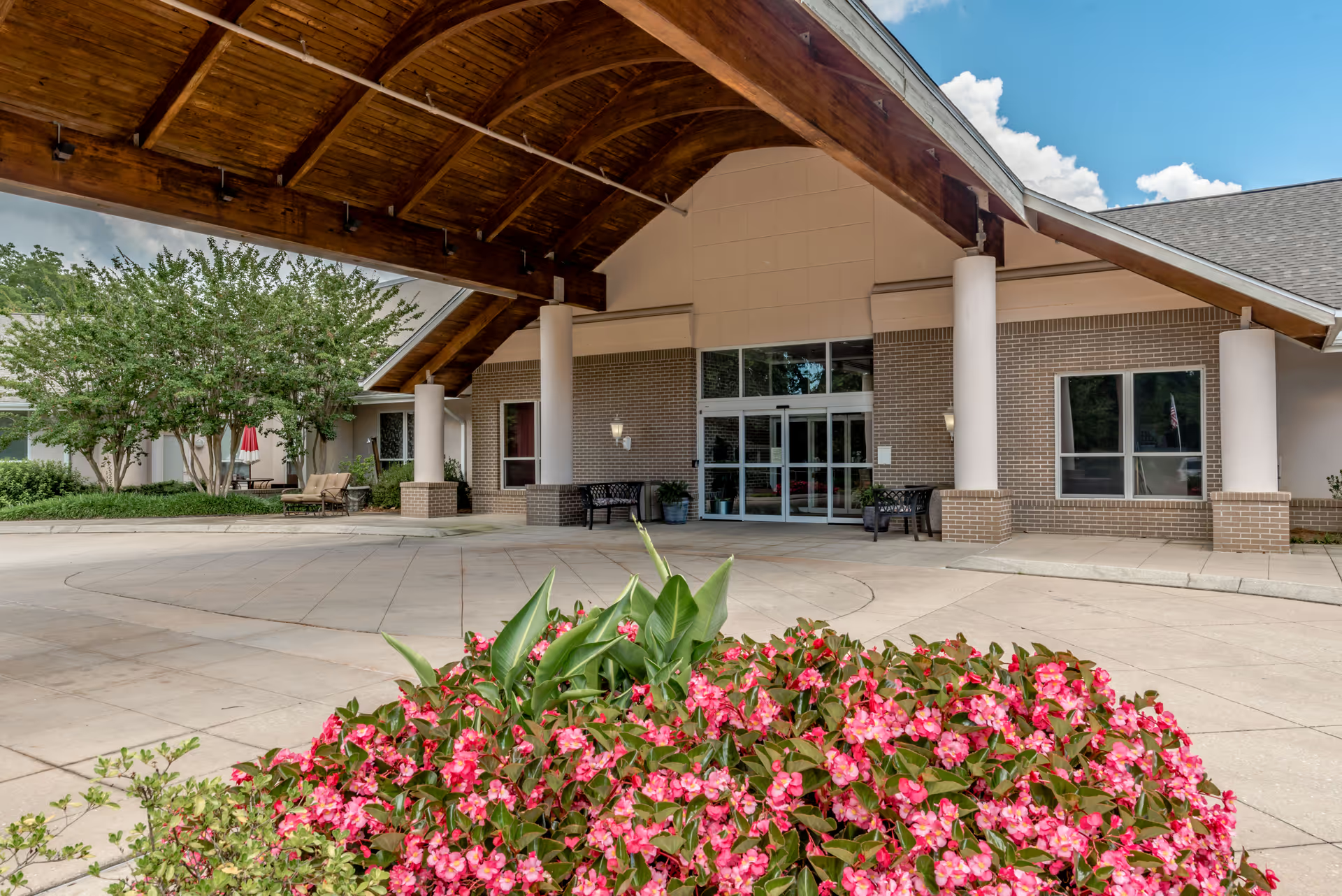
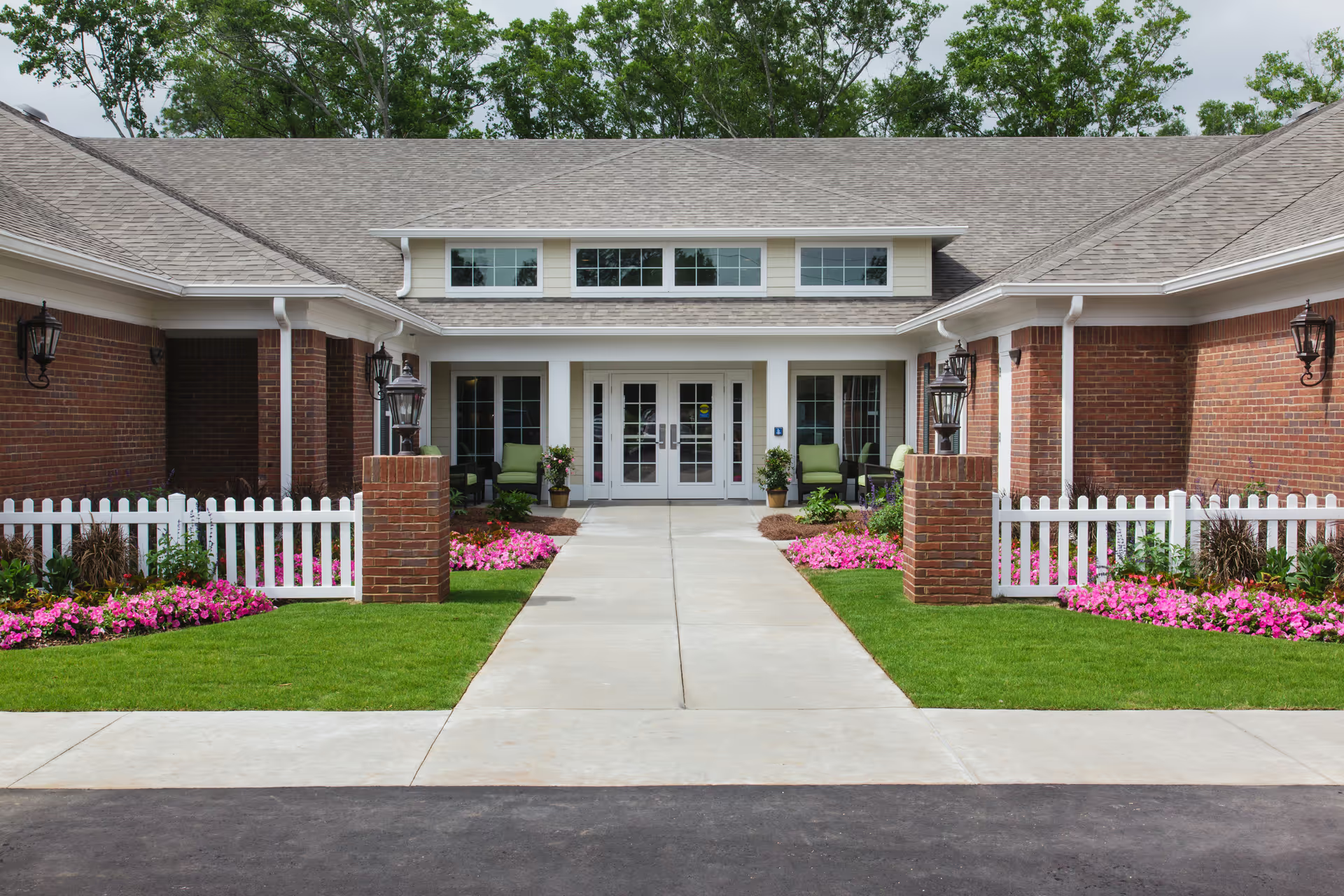
The reviews for Fairhope Health and Rehab describe a facility with highly mixed experiences: many families praise individual caregivers and therapy staff for attentive, personalized care, while other accounts identify significant operational and environment-related shortcomings. Clinical strengths most consistently noted include engagement by nurses and therapists, effective post‑operative rehabilitation when available, continuity with familiar physicians and bedside staff, and thorough discharge or end‑of‑stay planning. Several families described positive interactions with support staff and a willingness by clinicians to adjust care plans to meet resident needs.
Concurrently, reviewers raised multiple concerns about core operational practices. Medication management and documentation were flagged as inconsistent, with some families asserting failures in administration and recordkeeping; there are even allegations relating to falsified medication records that would warrant regulatory attention. Sanitation and odor concerns in both resident rooms and common areas, together with visible maintenance issues (stained carpeting, ceiling discoloration, mold or rust in bathrooms, and torn fixtures), point to infrastructure and housekeeping gaps. The building’s age and uneven remodeling contribute to a mixed physical environment: some units appeared bright and home‑like while others were described as dated and poorly maintained.
Care delivery reliability appears to vary by unit and shift. Reviewers described variability in staffing levels and nighttime coverage, which families associated with delays in response to calls for assistance and missed or inconsistent personal care (bathing, linen changes, and dressing). Privacy and safety limitations were frequently mentioned: double rooms, shared bathrooms without locking doors, and obstructed bathroom access are operational layout issues that affect resident dignity and safety. Therapy services are a clear asset when delivered, but families noted inconsistent availability of scheduled rehab for some residents.
Management and communication were another recurring theme. Some families praised responsive administrators and hands‑on management, while others reported difficulty reaching leadership, delayed responses to emails or phone calls, and gaps in infection‑control communication during COVID‑related events. A small number of reviews raised very serious concerns following a resident’s decline or death and described conduct or supervision issues that merit investigation; these heightened concerns about accountability and oversight. Overall, the pattern is one of pronounced variability: prospective residents and families may find strong, compassionate clinical care in parts of the facility but should also be aware of infrastructure, sanitation, staffing, medication‑management, and communication weaknesses that may affect consistency of care.