The collection of reviews presents a strongly mixed picture of care at the facility. Many families and patients described individual staff—particularly nurses and therapists—as compassionate, skilled, and committed; physical and occupational therapy services received frequent positive mention for effective rehabilitation and measurable functional improvement. Activities and social programming are also consistently praised, with dedicated activity leadership and a social atmosphere that some families found highly beneficial for residents’ engagement and morale. Several reviewers noted strong clinical leadership, frequent medical-director involvement, and effective discharge or transition planning when those elements were present.
At the same time, a recurrent theme is operational inconsistency. Staffing levels appear uneven: reviewers described staff who are attentive and caring when present but also periods of chronic understaffing that produced delays in assistance, medication administration, and personal care. High staff turnover and changes in administration contributed to communication breakdowns and uneven continuity of care. Phone responsiveness and front-desk communication were also cited as unreliable, which compounded family frustration when clinical or billing questions arose.
Clinical and safety patterns raised additional concerns. There are multiple descriptions of inconsistent medication practices and gaps in blood-glucose monitoring and wound or infection management; several accounts describe delays in pain medication and in clinical response to potential infections. Reviews also referenced safety shortcomings such as delayed assistance that may relate to falls or other adverse events. Billing and account-handling problems, including long refund delays and unclear charges, were reported and stand out as a nonclinical operational weakness.
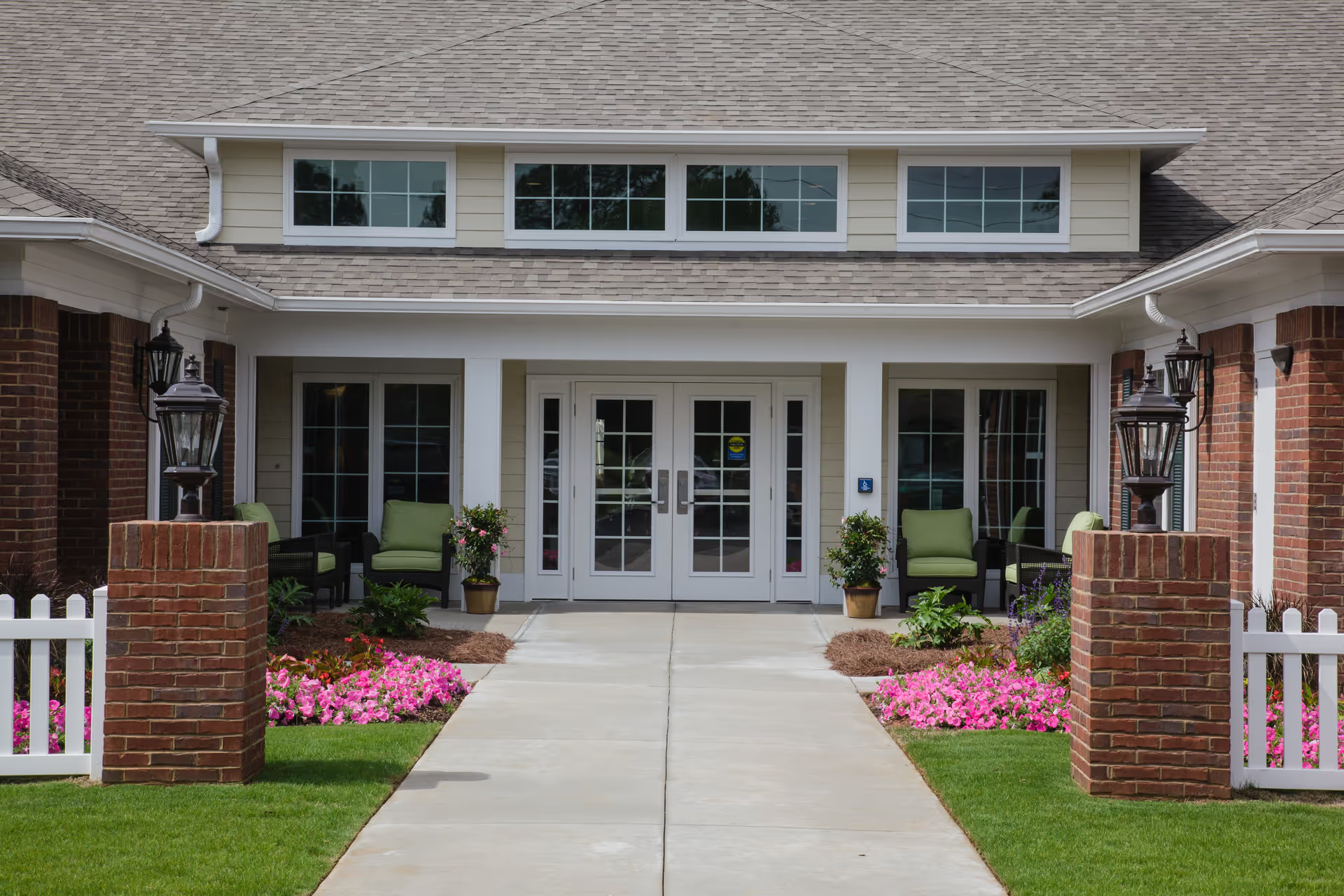
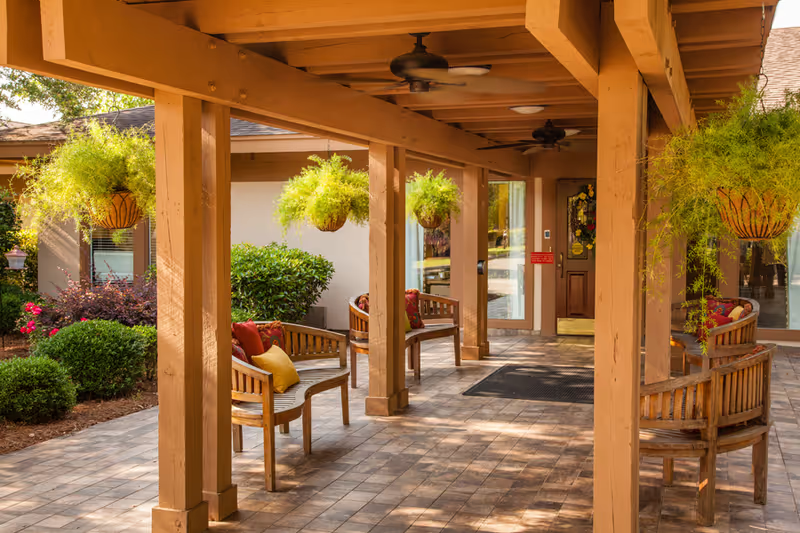
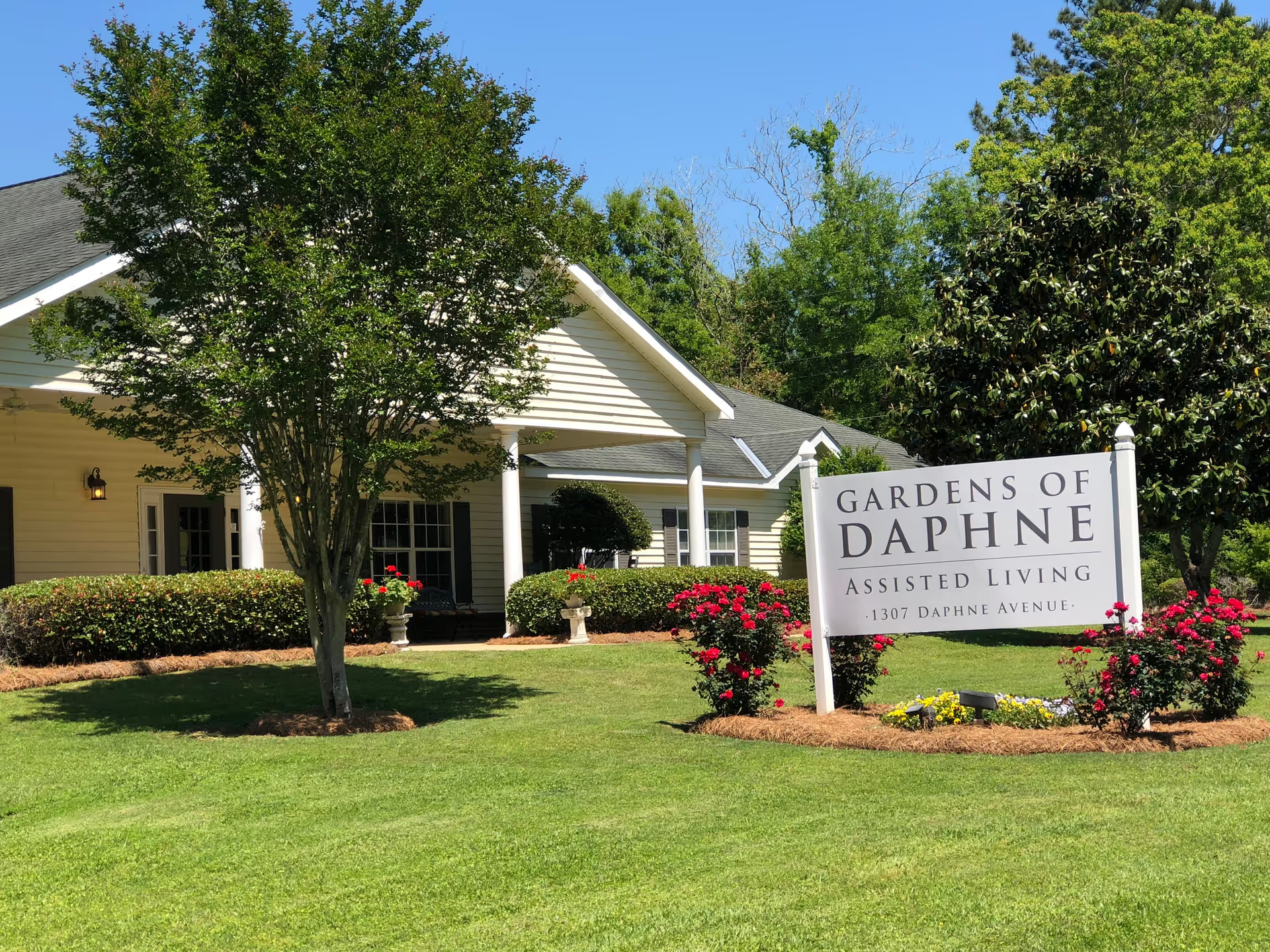
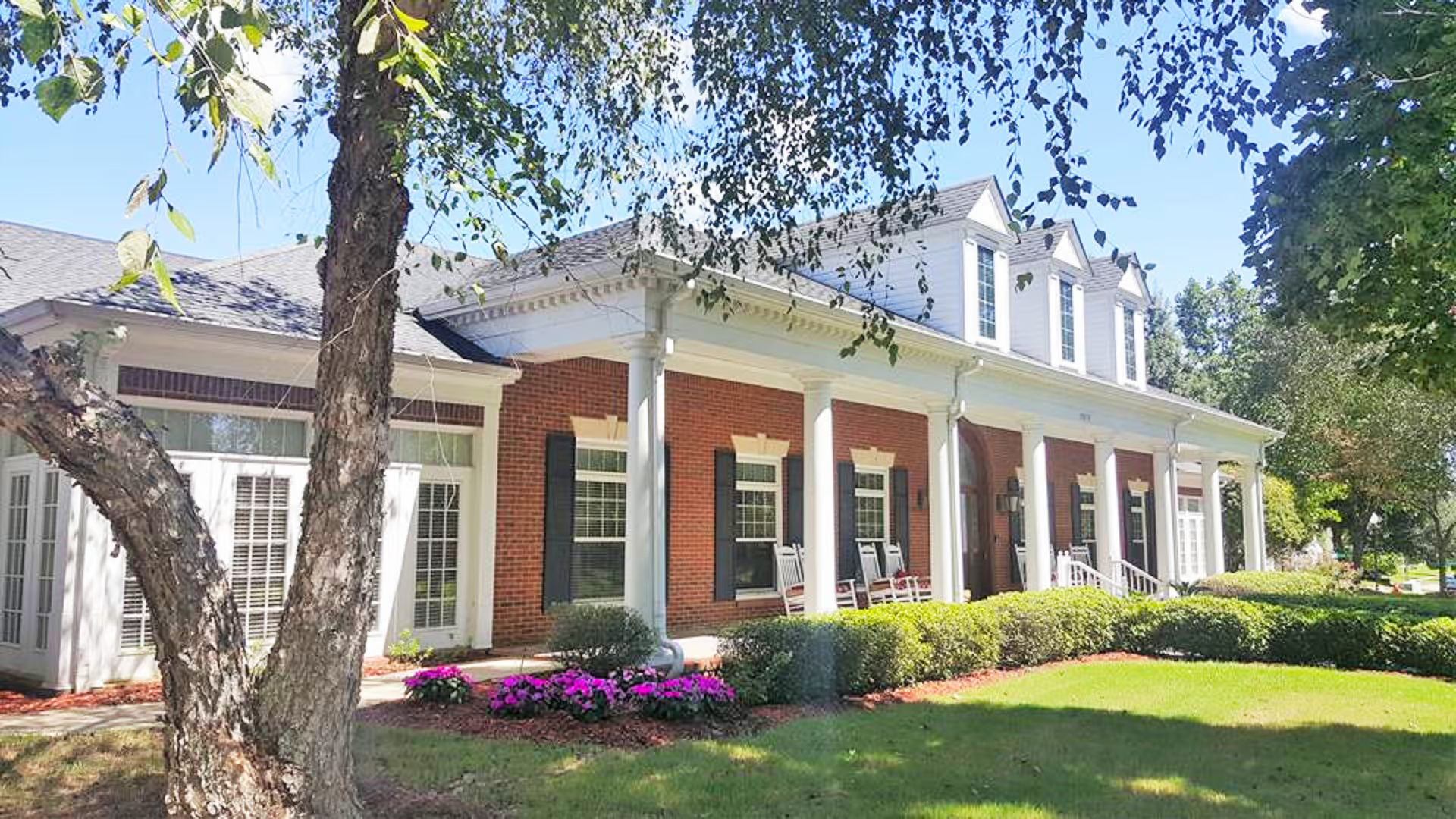
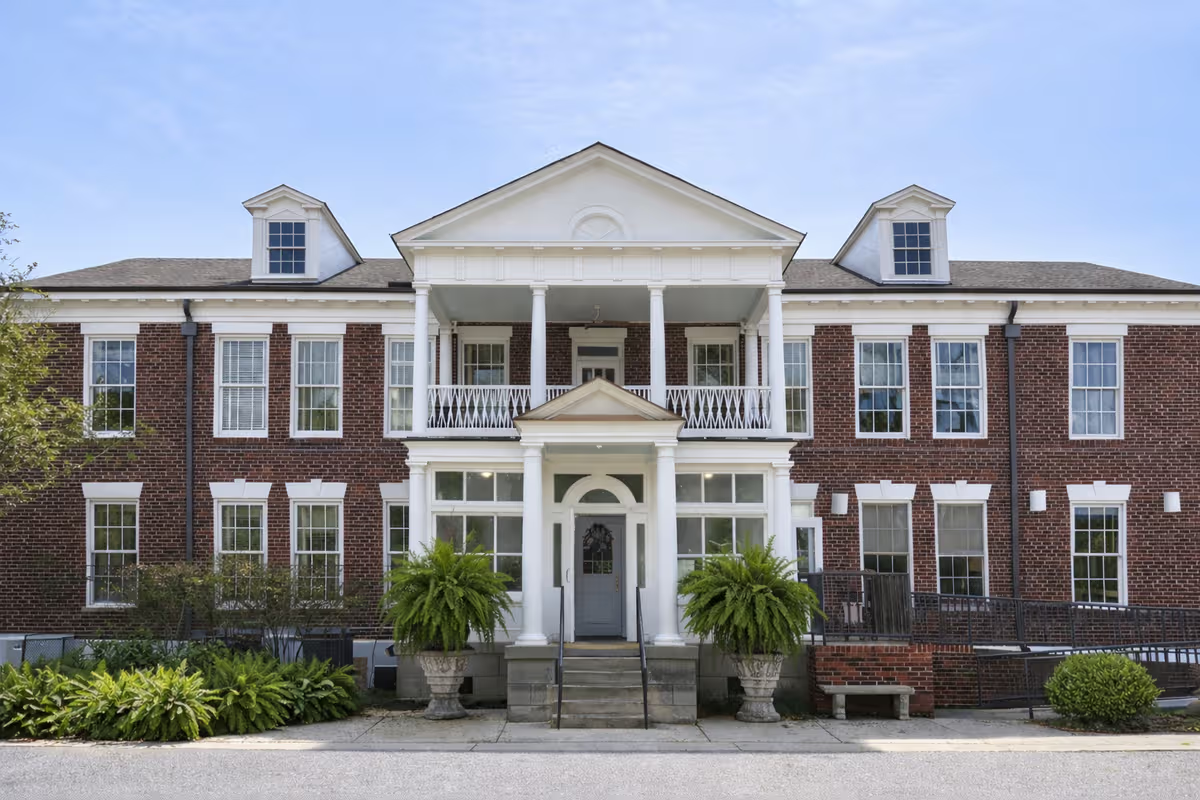
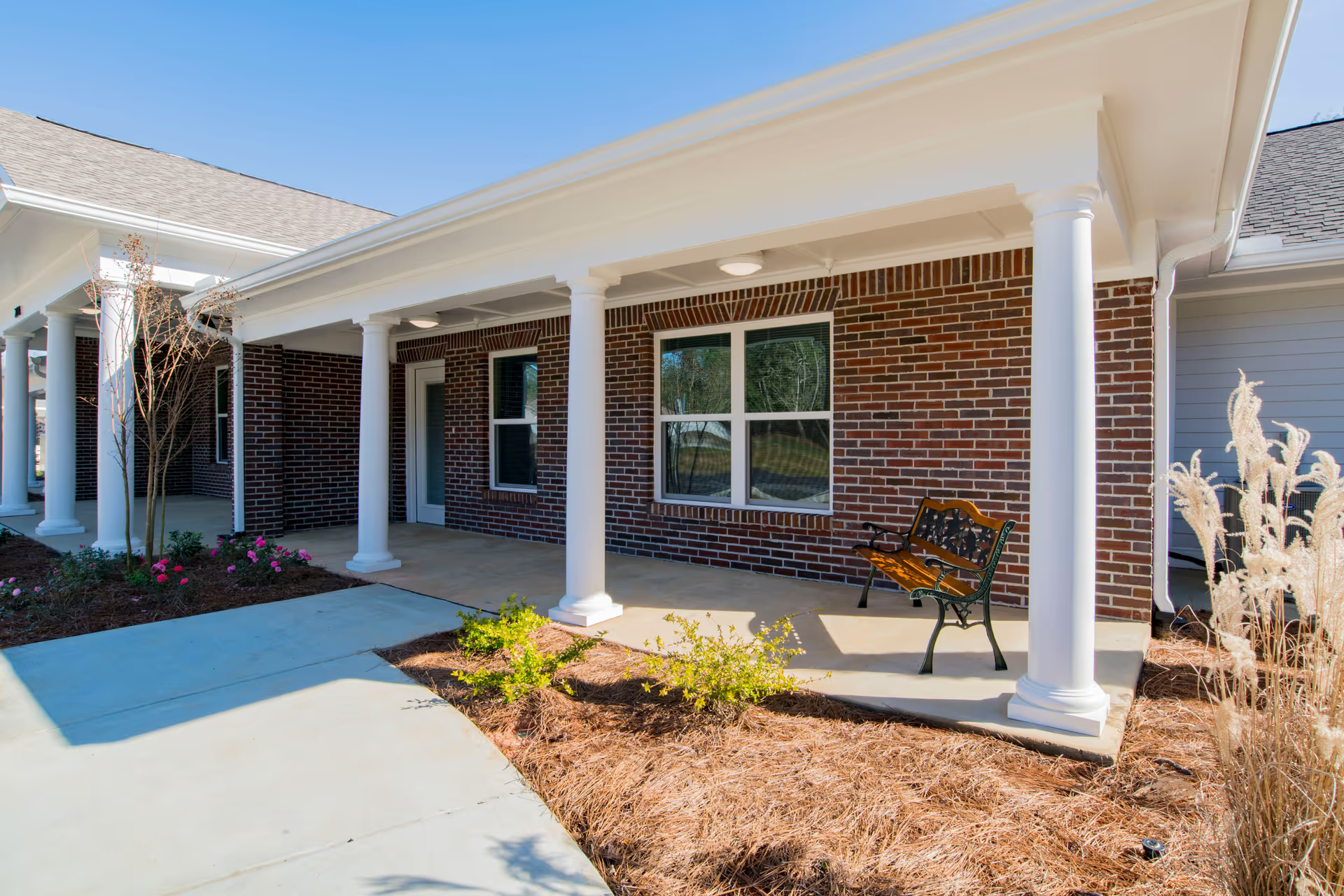
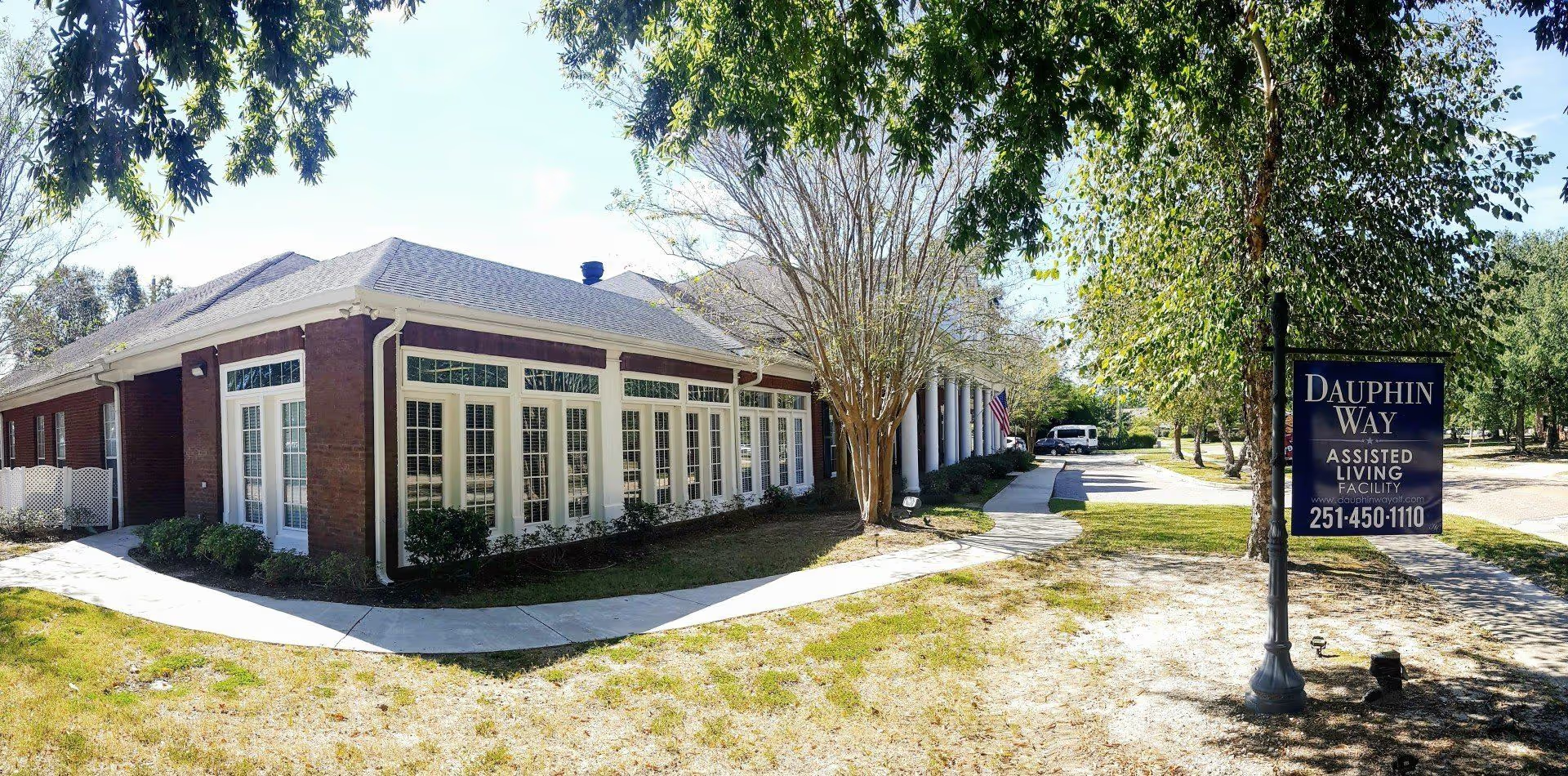
The physical environment is another area of divergence. Some reviewers described clean, well-maintained sections and ongoing renovation efforts, while others noted an aging facility with recurring maintenance issues (leaking ceilings, mildew near vents, broken equipment) and sanitation or pest-control concerns in parts of the building. Room size and shared accommodations were described as limiting for some residents, and there were comments about limited in-room amenities and dated furnishings in some areas.
Dining and basic care delivery were similarly inconsistent: a number of families praised meal quality and assistance at mealtimes, but others cited interrupted meal service, inconsistent portioning, and variable food quality. Personal-care timing (bathing, clothing changes) and incontinence-care scheduling were mentioned as uneven across residents. Activities programming and social engagement were a clear strength where staff capacity allowed them to be delivered consistently.
Overall pattern and recommendation: the facility appears capable of delivering high-quality rehabilitation and compassionate nursing care in many cases, particularly when established clinicians and therapy staff are present. However, the benefits are offset by recurring operational weaknesses—most notably inconsistent staffing, maintenance and sanitation shortcomings, clinical monitoring gaps, and communication and billing problems. Prospective residents and families should weigh the strong therapy and activity resources and the presence of praised individual caregivers against the risk of variability in day-to-day operations. If considering placement, families may want to (1) confirm current staffing and leadership stability, (2) ask about infection-control and pest-control protocols and recent maintenance work, (3) review medication- and wound-care procedures, and (4) get written clarification of billing and account-refund policies before admission.