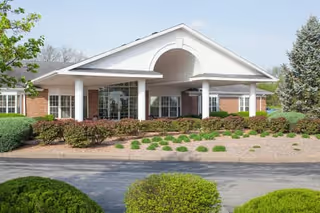
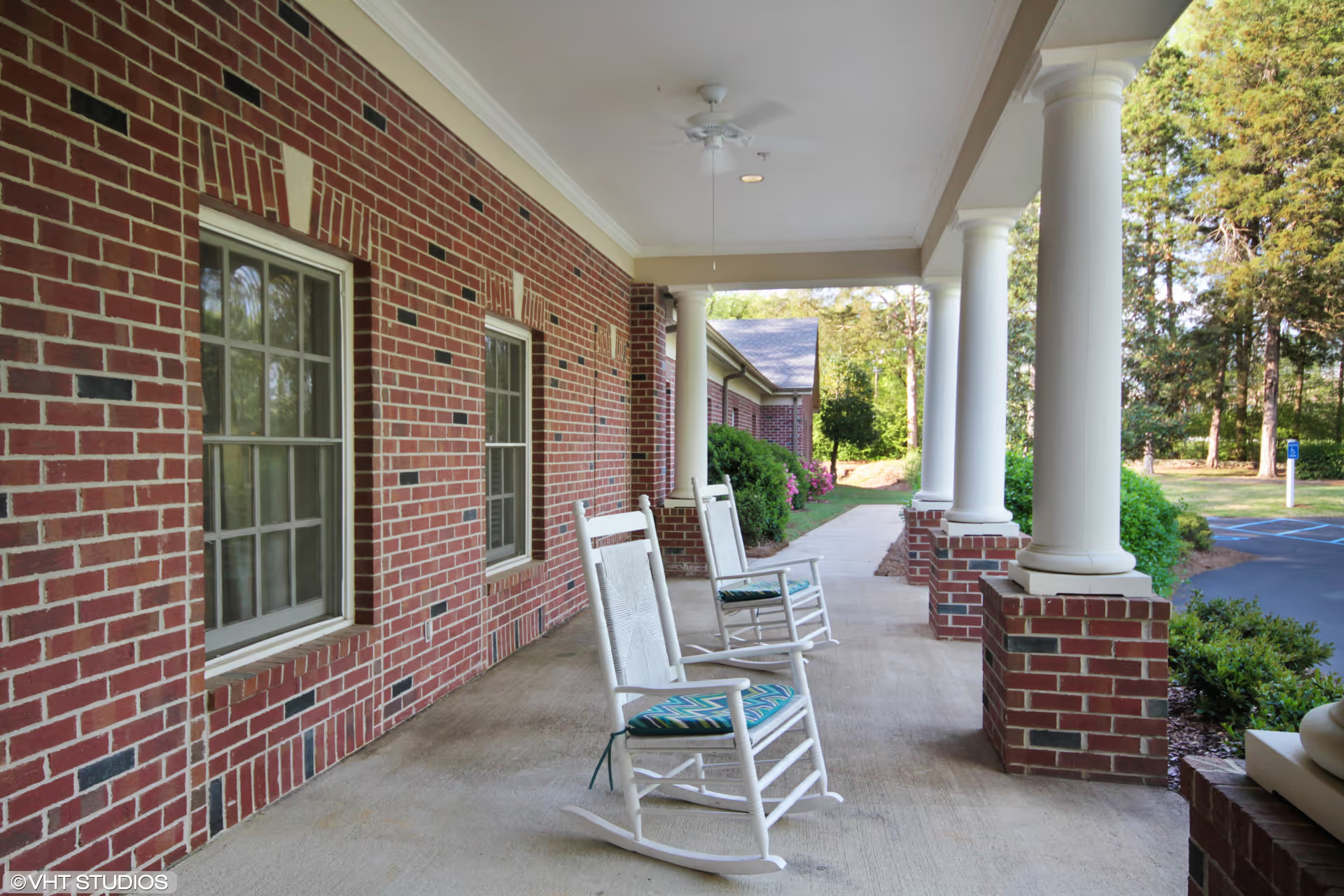
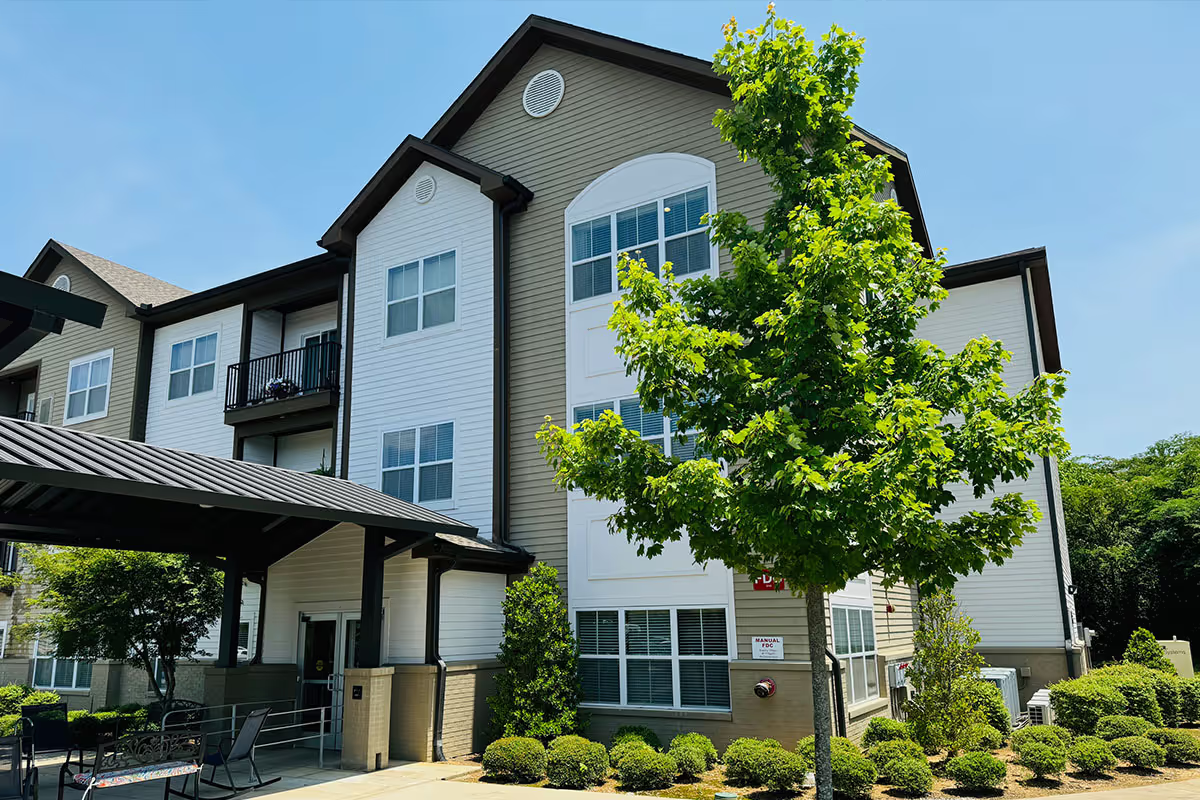
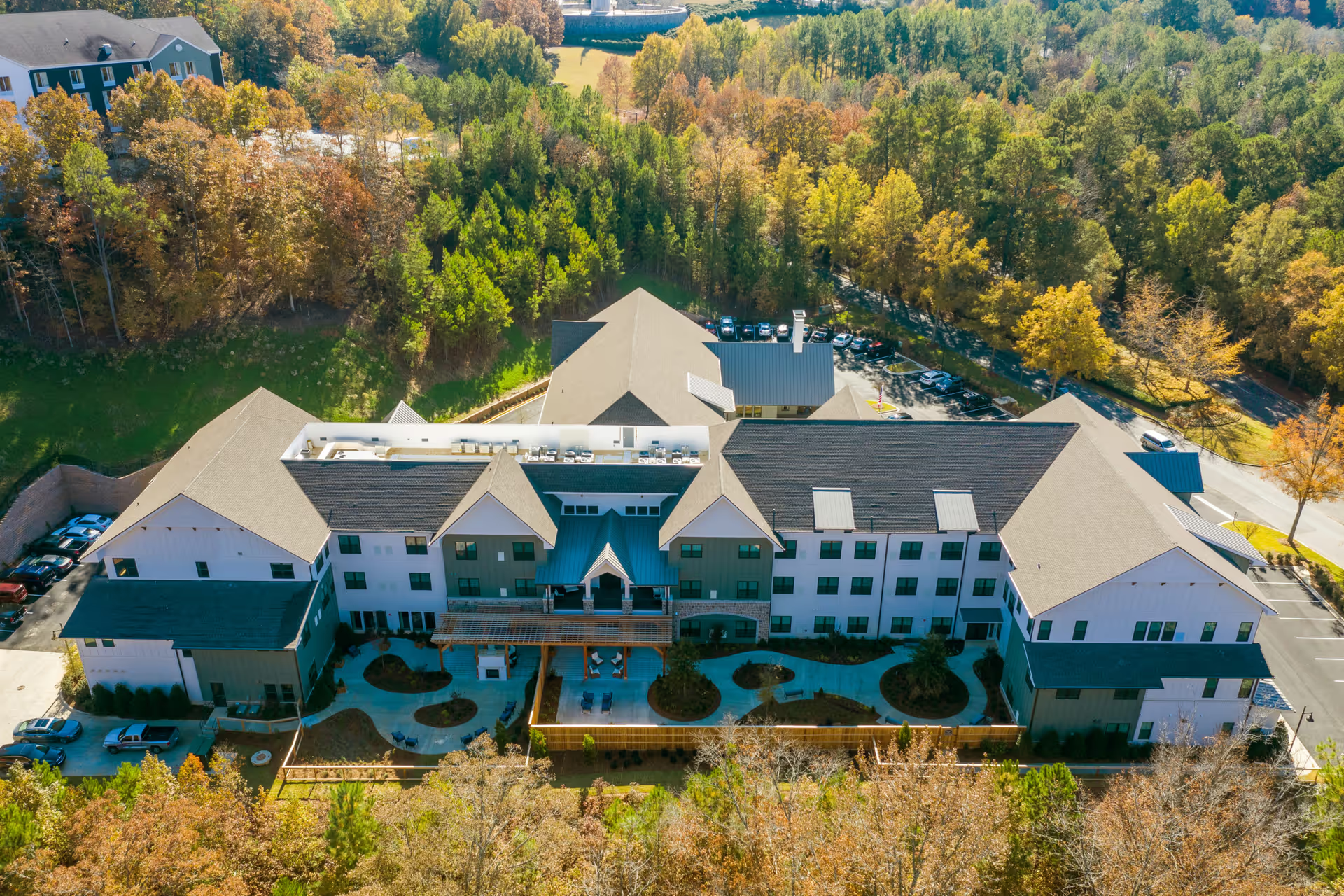
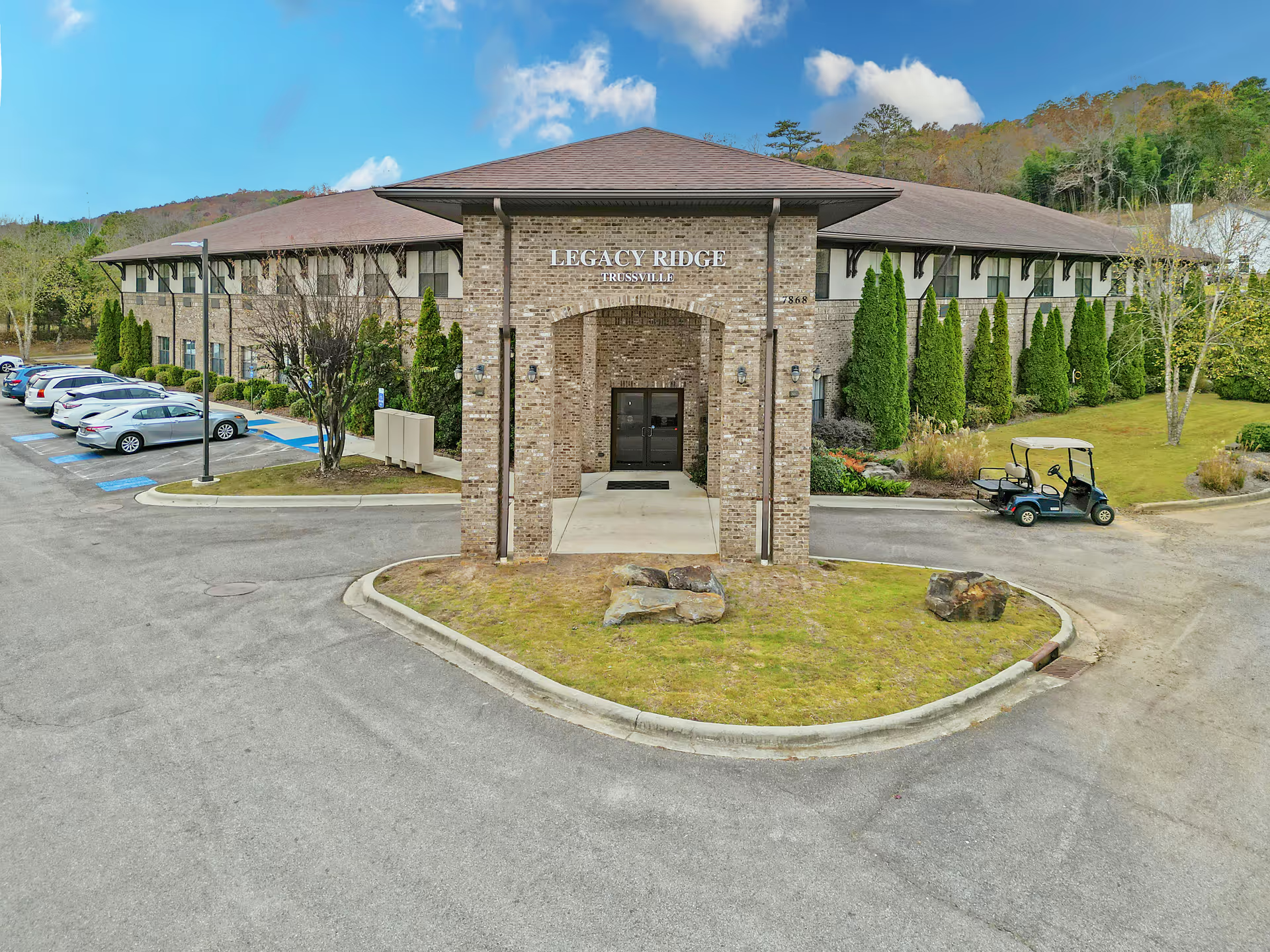
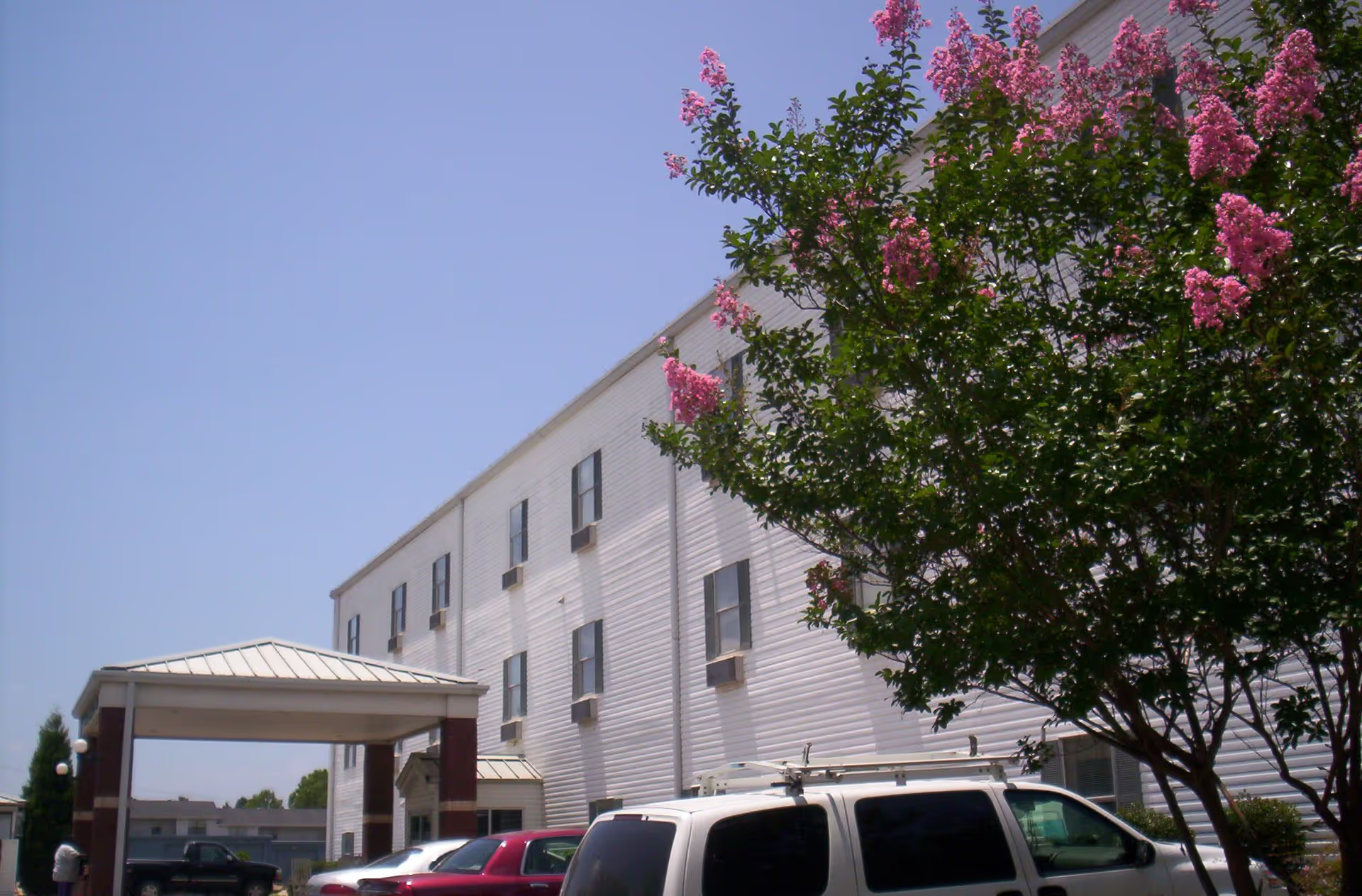
The reviews of Magnolia Ridge describe a facility with a mix of clear strengths and persistent operational weaknesses. Positive accounts emphasize caring, attentive nursing assistants and nurses, a skilled therapy team that produced measurable rehabilitation gains for many residents, and an active activities schedule (bingo, musical and spiritual programming, parties) that contributes to social engagement. Several families highlighted effective admissions communication, responsive leadership in specific instances, and successful restoration of services during outages; others noted well-maintained or recently renovated areas and a generally quiet, garden/patio-oriented campus.
Concurrently, a substantial set of concerns centers on staffing and basic care responsiveness. Multiple reviewers described chronic understaffing and marked variability between shifts; this is associated with delayed responses to call bells, inconsistent assistance with transfers and mobility, and gaps in routine nursing tasks. Medication administration problems, missed or late doses, and medication-handling inconsistencies were reported often enough to indicate systemic risk. Related clinical concerns include inconsistent wound and infection-related care and uneven attention to incontinence-care schedules and bathing frequency.
Operationally, dining and dietary management are recurring pain points. Families described inconsistent meal quality, challenges meeting therapeutic or low-sodium diets, and delays for diabetic or special-diet patients. Facility maintenance and sanitation issues were raised repeatedly: reviewers described odor concerns, pest-control and plumbing problems, and areas that appear in need of repair or deeper cleaning. There are also reports of service interruptions (for example hot water or kitchen outages) that affected resident care and comfort.
Communication, administration, and financial practices present a mixed picture. While some reviewers praised specific administrators and the admissions team for prompt, empathetic communication, others described poor phone accessibility, gaps in discharge and transfer coordination, billing/collection problems, and instances where staff conduct was perceived as dismissive or unprofessional. A small number of reviewers made serious claims, including allegations of employee theft and other financial misconduct; those items suggest the value of reviewing regulatory reports and recent inspections when evaluating the facility.
Taken together, Magnolia Ridge appears to offer meaningful strengths—particularly in therapy, family communication in many cases, and an active social program—alongside recurring operational weaknesses that affect basic daily care and safety. Prospective residents and families should weigh the facility's rehabilitation and engagement offerings against the documented concerns about staffing levels, medication and wound-care consistency, sanitation and maintenance, and administrative reliability. When considering Magnolia Ridge, recommended areas to probe during a tour or conversations with leadership include current staffing ratios by shift, medication administration protocols, infection-control and wound-care processes, dietary accommodations and monitoring, recent state inspection outcomes, and specific plans or evidence of remediation for maintenance and sanitation issues.