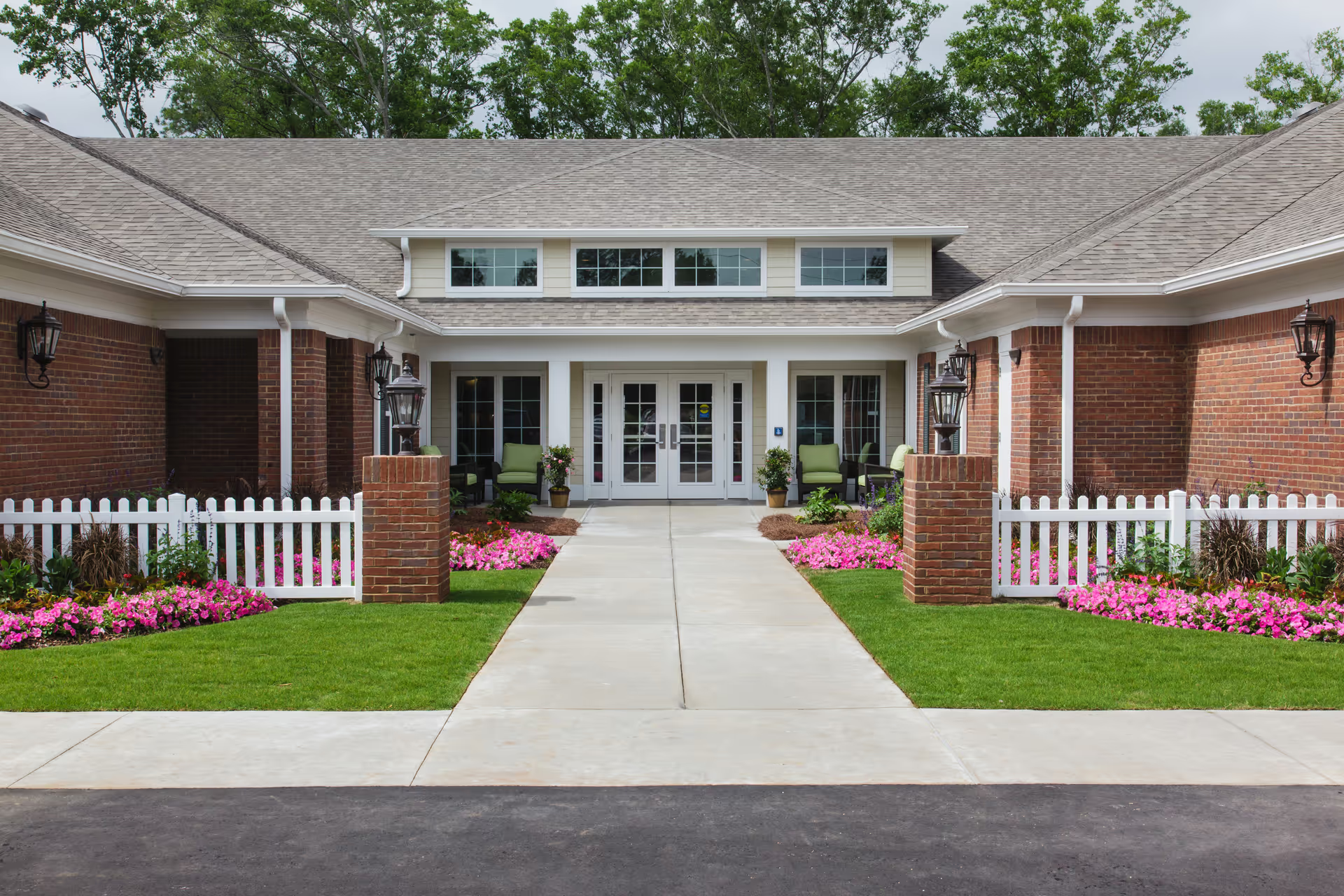
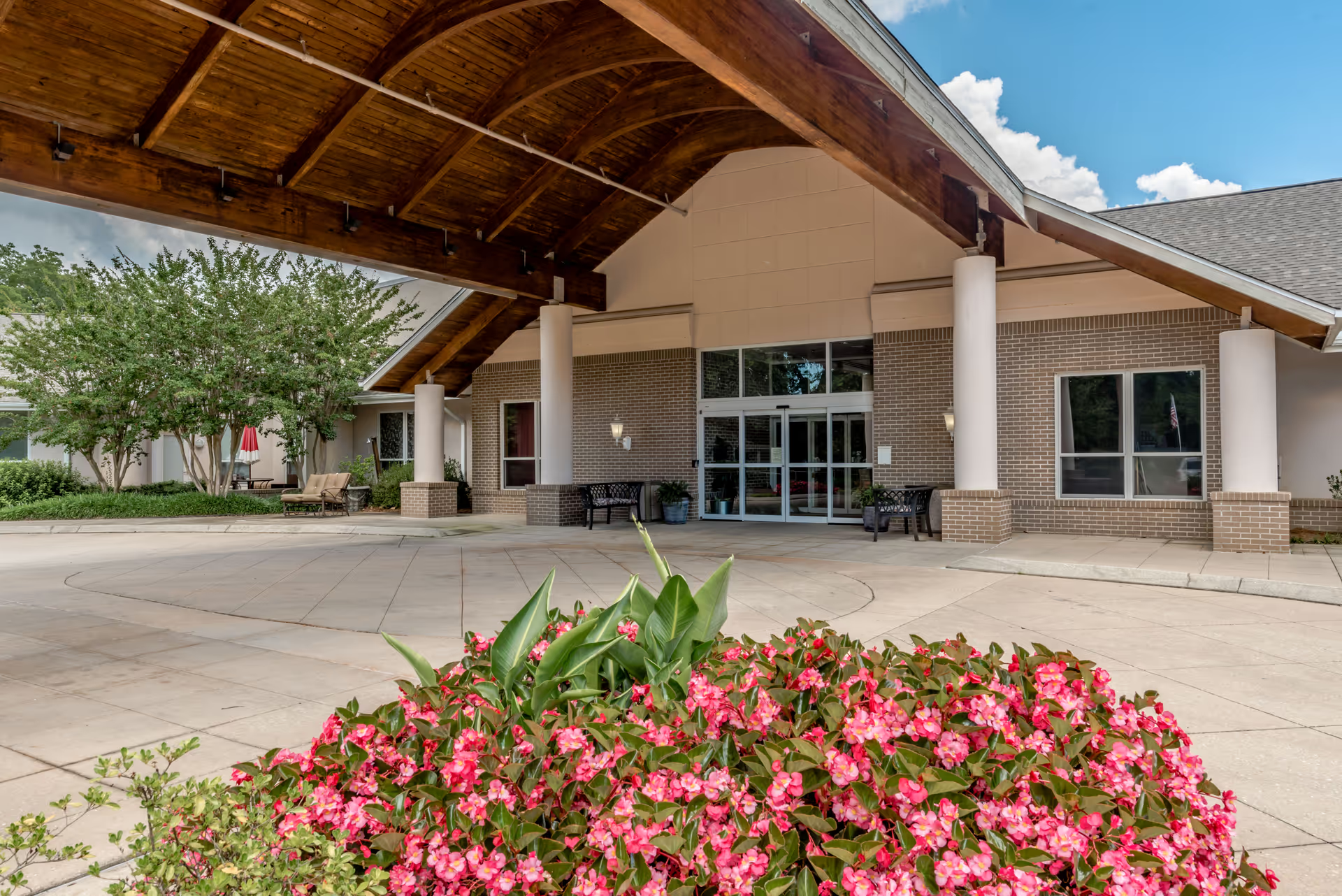
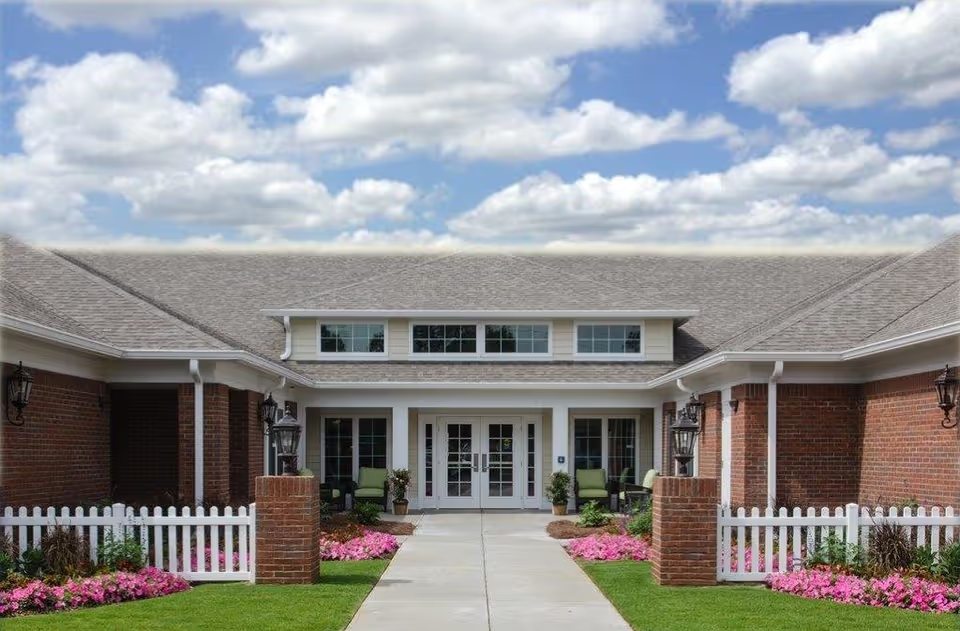
Haven Memory Care elicits strongly polarized impressions. Many families describe a warm, family-like environment staffed by personable caregivers who are experienced in memory care. Strengths repeatedly noted include a robust activities program (movie nights, outings, music groups, crafts and games), a willingness by kitchen staff to accommodate preferences, spacious private rooms, newly renovated interiors and tidy common spaces. The facility's small size is consistently framed as an advantage: it enables individualized attention, close staff–resident relationships, and ease of transition for incoming residents.
Care quality and staffing show a mixed but important pattern. Numerous accounts praise attentive aides, consistent medication timing, and visible nursing involvement that supports resident grooming and daily needs. At the same time, a subset of families raised substantive operational concerns: high staff turnover with frequent use of agency personnel, inconsistent nursing responsiveness, and questions about medication management and potential overuse. These patterns suggest variability in clinical oversight depending on staffing on a given day. Prospective families should ask about current staffing ratios, agency use, and on-site clinical coverage.
Dining and activities are generally seen as positives. Reviewers often describe nutritious, appealing meals and an accommodating chef; activity offerings are varied and socially engaging, with transportation for outings and visiting performers. However, some feedback indicates occasional variability in meal quality and in the consistency of activity staffing or programming intensity, which can affect engagement for residents who need more frequent stimulation.
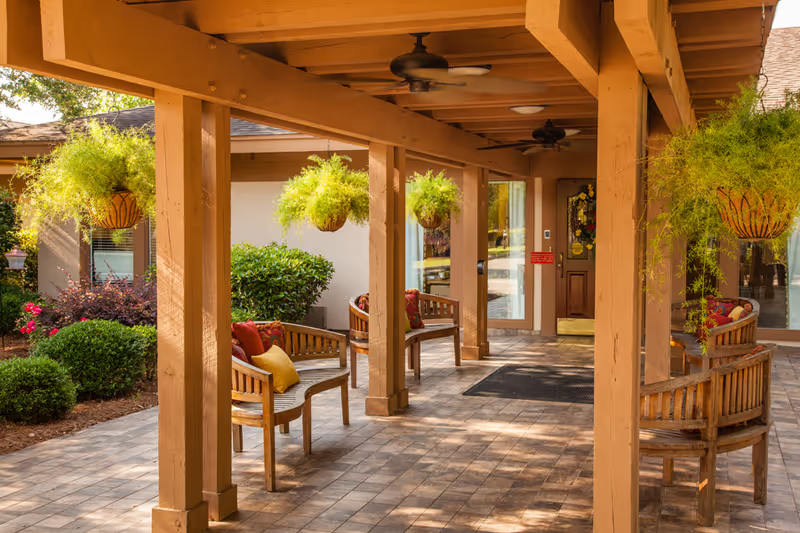
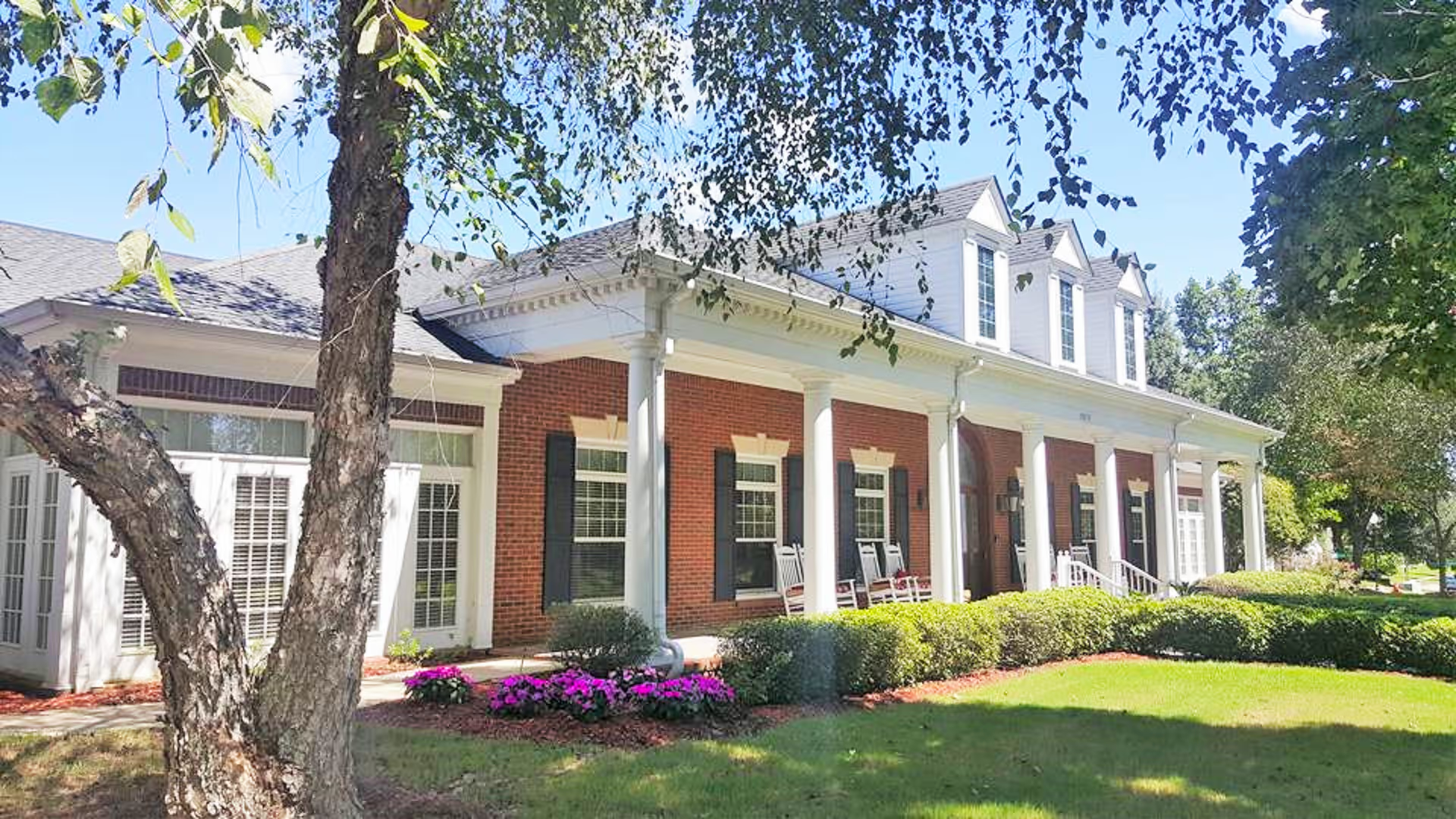
Facilities and operations present strengths and areas for caution. The building is frequently described as clean, modern and tastefully decorated, with comfortable common areas and a pleasant outdoor space. Conversely, there are isolated but concerning comments about sanitation and laundry-handling processes and instances of delayed follow-up after incidents; these point to process gaps in housekeeping, personal-item tracking, and operational follow-up. Additionally, reports of falls and uneven post-fall responses indicate a need to review the facility's fall-prevention protocols and incident communication practices.
Management and organizational stability are recurring themes. Some families credit new management with improvements in cleanliness, activities, and the admission experience; others report inconsistent administration, poor communication, and policy shifts that affected placement decisions. Low occupancy/underutilization was also mentioned, which can reflect local demand or operational transitions. The facility's single-room model and limited higher-level assisted-living offerings may be a mismatch for couples or residents who anticipate needing more intensive non-memory assisted services.
Overall, Haven Memory Care appears to offer many core strengths of a small, modern memory-care community: personable staff, engaging programming, and comfortable living spaces. At the same time, reviewers identify operational vulnerabilities—staffing stability, clinical oversight consistency, communication and housekeeping/laundry processes, and management consistency—that warrant targeted questions during a tour. Recommended topics for families to explore include current staff turnover and agency use, nurse coverage and post-fall procedures, laundry and personal-item protocols, examples of recent management changes, and how the facility individualizes care plans as residents’ needs progress.