Bella Wood Senior Living elicits mixed but distinct themes: many accounts emphasize a marked shift toward more attentive, resident-focused care following a change in leadership, while a smaller set of accounts raises operational and governance concerns that prospective families should verify during a visit.
Care and staff: Numerous comments describe staff as friendly, helpful and attentive, with several families noting a registered nurse in an ownership/administrative role and improved clinical oversight. Positive observations include respectful interactions, individualized attention, and staff who “go above and beyond.” These elements suggest strengths in day-to-day caregiving and clinical supervision when leadership is present and engaged.
Dining and activities: Descriptions of dining are inconsistent. Some residents and families praise the food as tasty and well prepared; others characterize the meals as heavily processed or lacking in freshness. Activity spaces and social amenities are highlighted positively — a day room with puzzles and games, a front porch and communal lounges are noted as usable social areas that support engagement. Prospective residents should sample meals and review menu sourcing and meal-preparation practices.
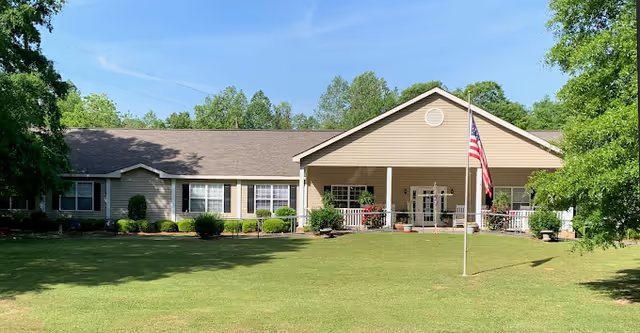
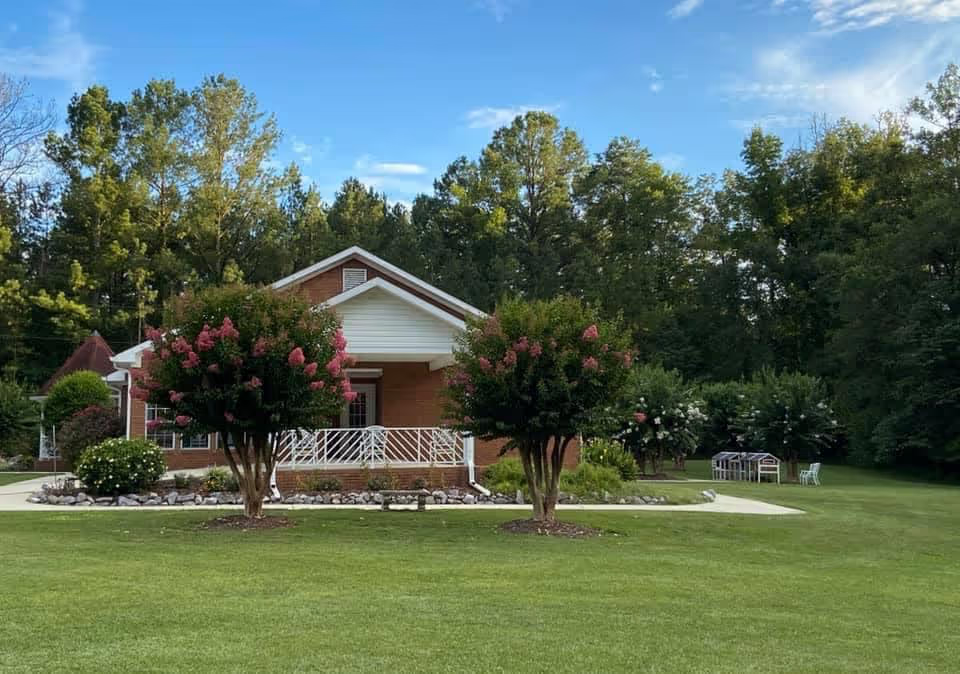
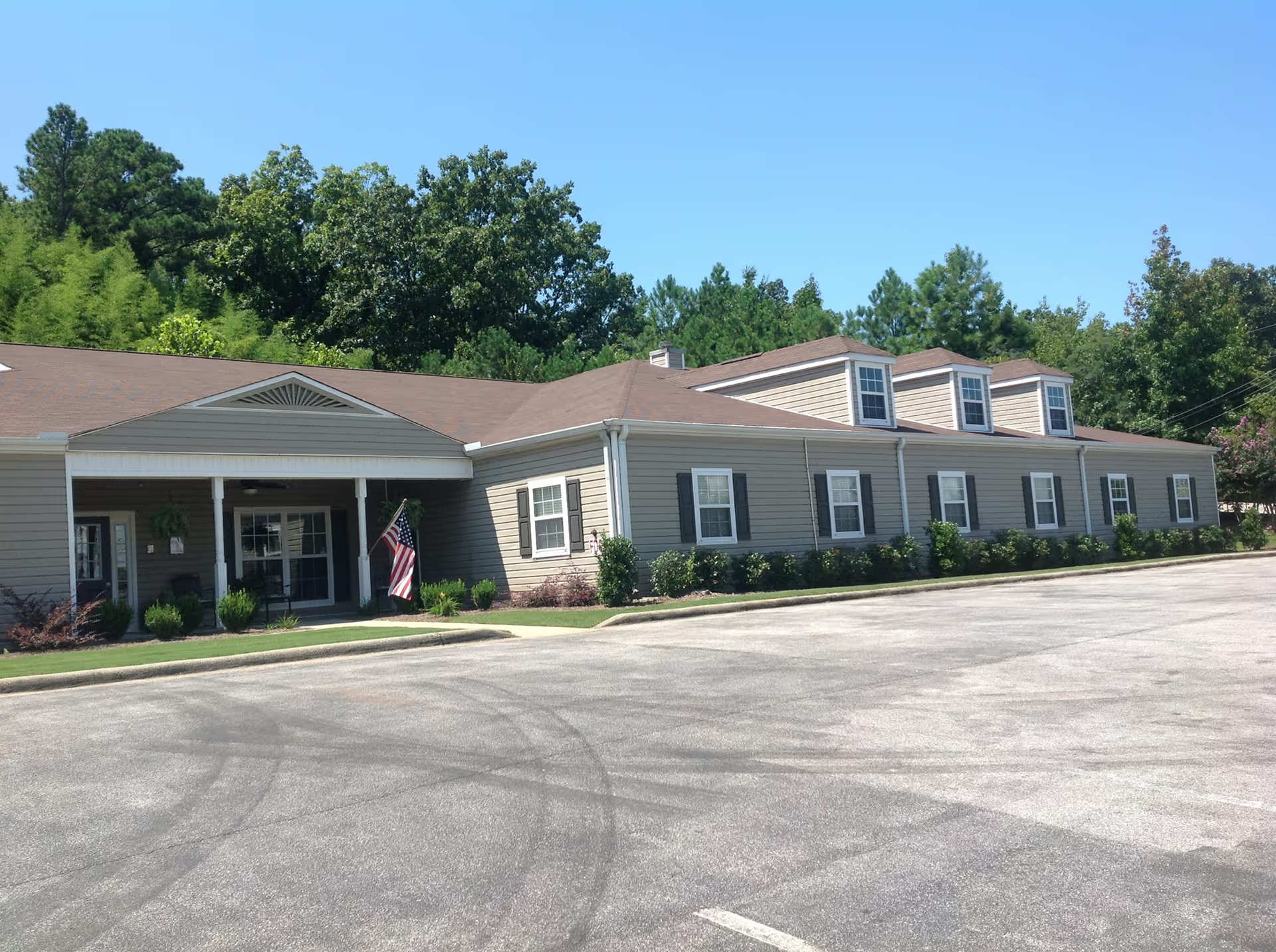
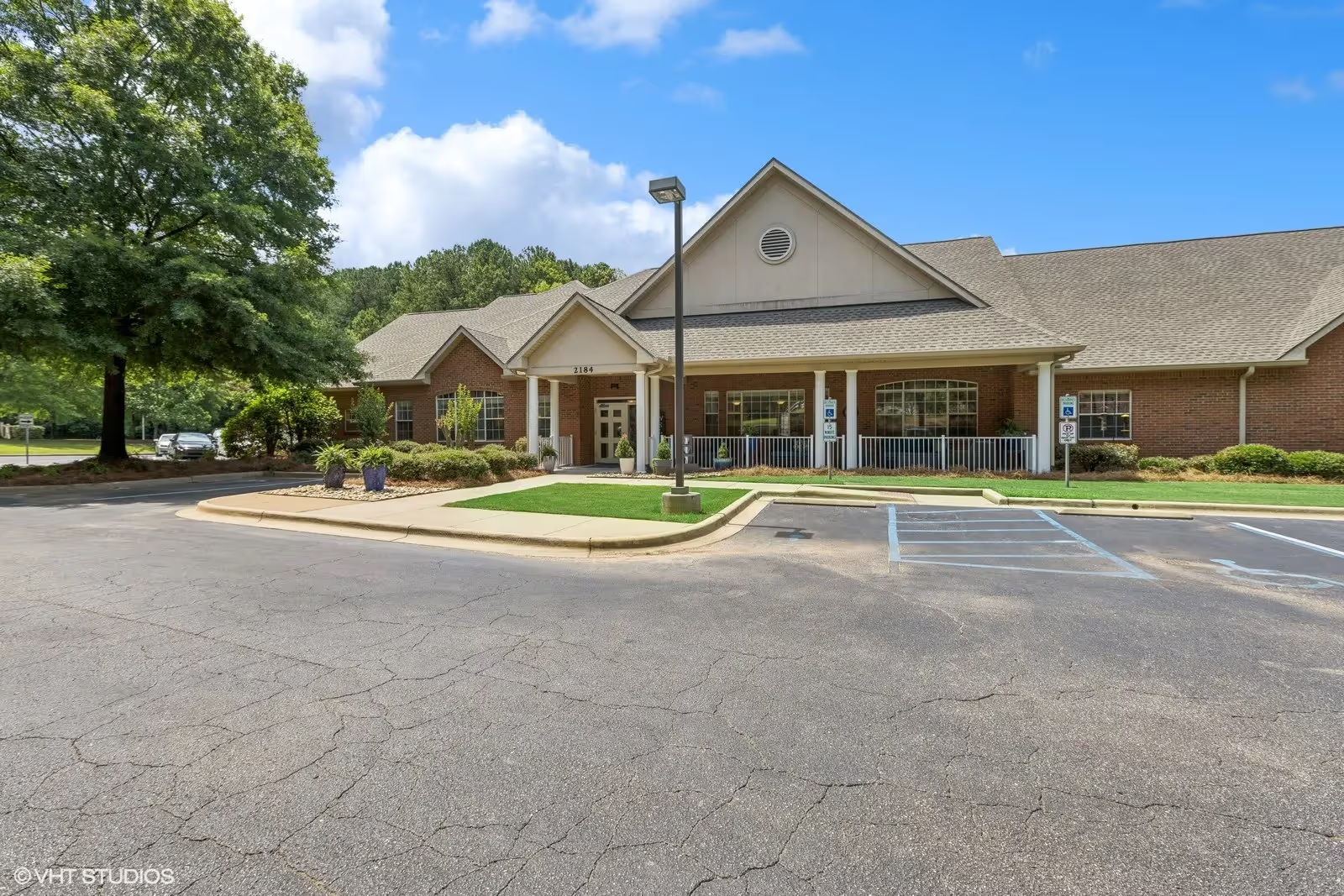
Facilities and maintenance: Several reviewers describe clean common areas, freshly mopped dining rooms, and recently painted rooms, indicating ongoing cleaning and some cosmetic updates. At the same time, the building is characterized as older in places, with carpet and other finishes needing attention. Overall, the physical plant appears maintained in areas but with some deferred cosmetic work.
Management and notable patterns: The most significant area of concern is management consistency and operational policies. Alongside praise for a leadership-led turnaround, there are repeated references to inconsistent responsiveness from ownership, difficulties with deposit/refund handling, and serious allegations of privacy violations and missing personal items. These raise questions about administrative controls, communication practices, and resident-property security. Additionally, variability in meal quality and leadership behavior suggests that experiences may depend on current management practices.
Recommendations for families: Visit the community to meet direct-care staff and the on-site nurse, tour multiple resident rooms and common areas, sample the dining program, and ask for written policies on deposits, refunds, property security, and family communication expectations. Clarify who is currently in the leadership role and how concerns are escalated and documented. These steps will help confirm the positive caregiving elements noted by many while assessing the facility’s responsiveness to the operational issues that others have raised.