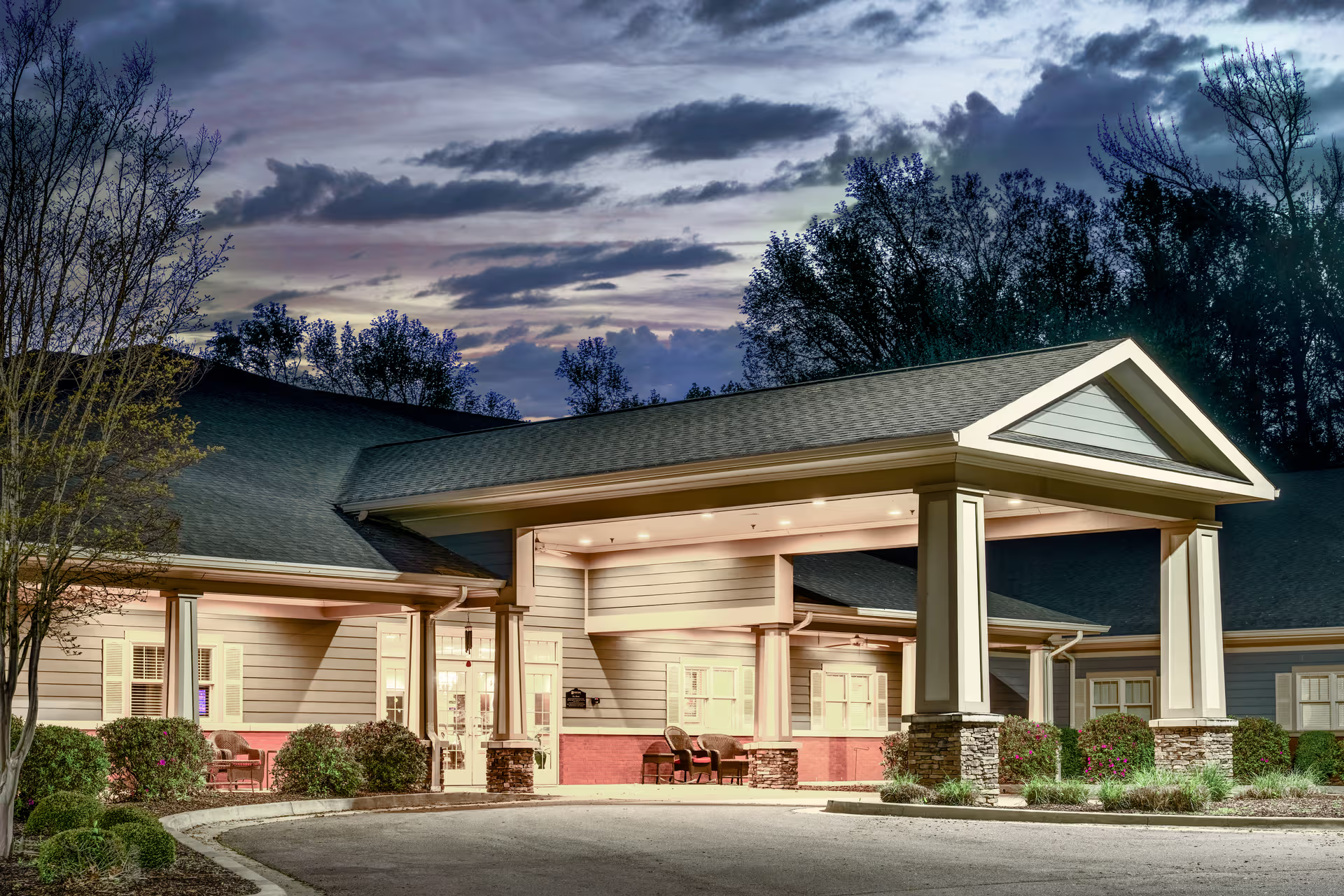
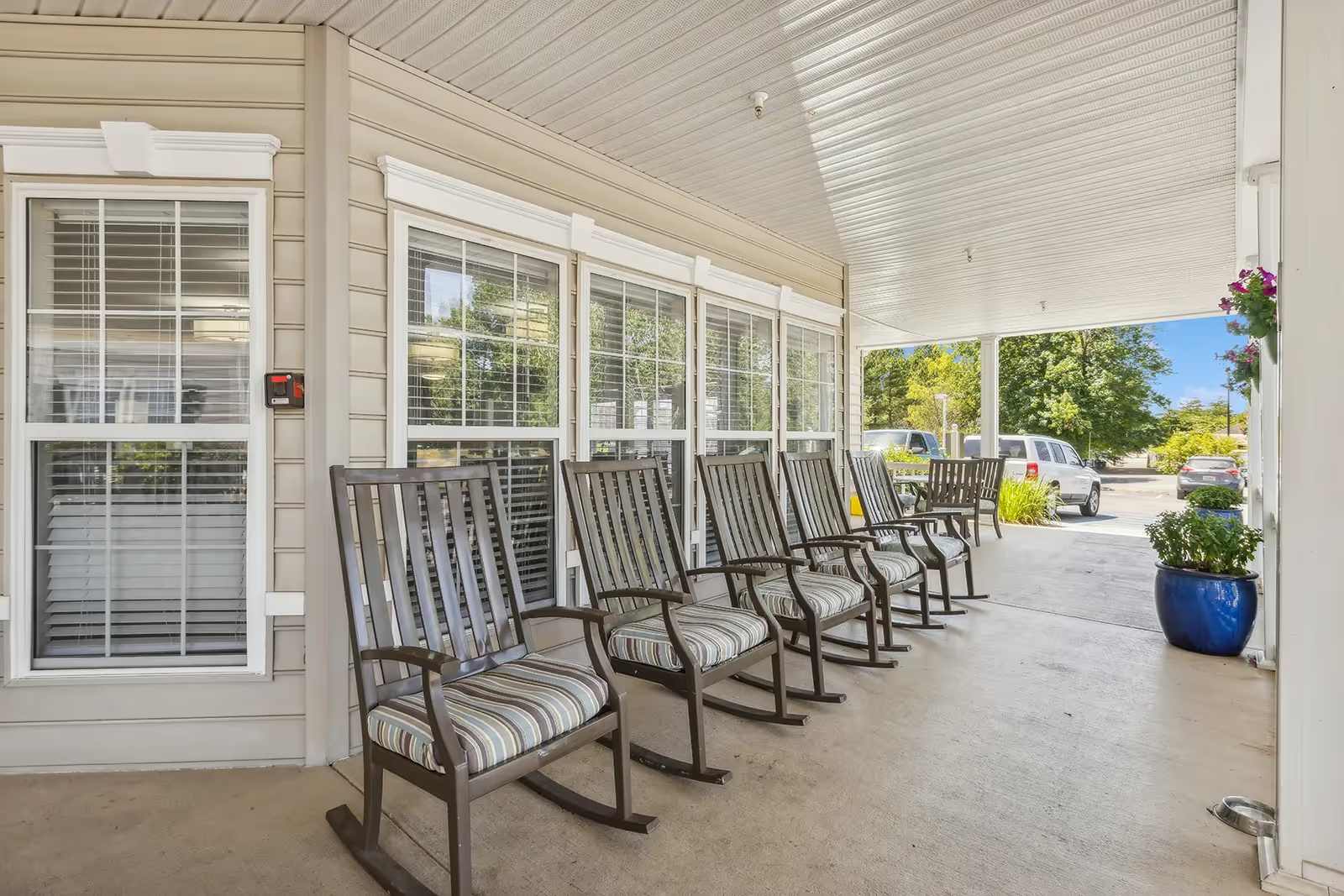
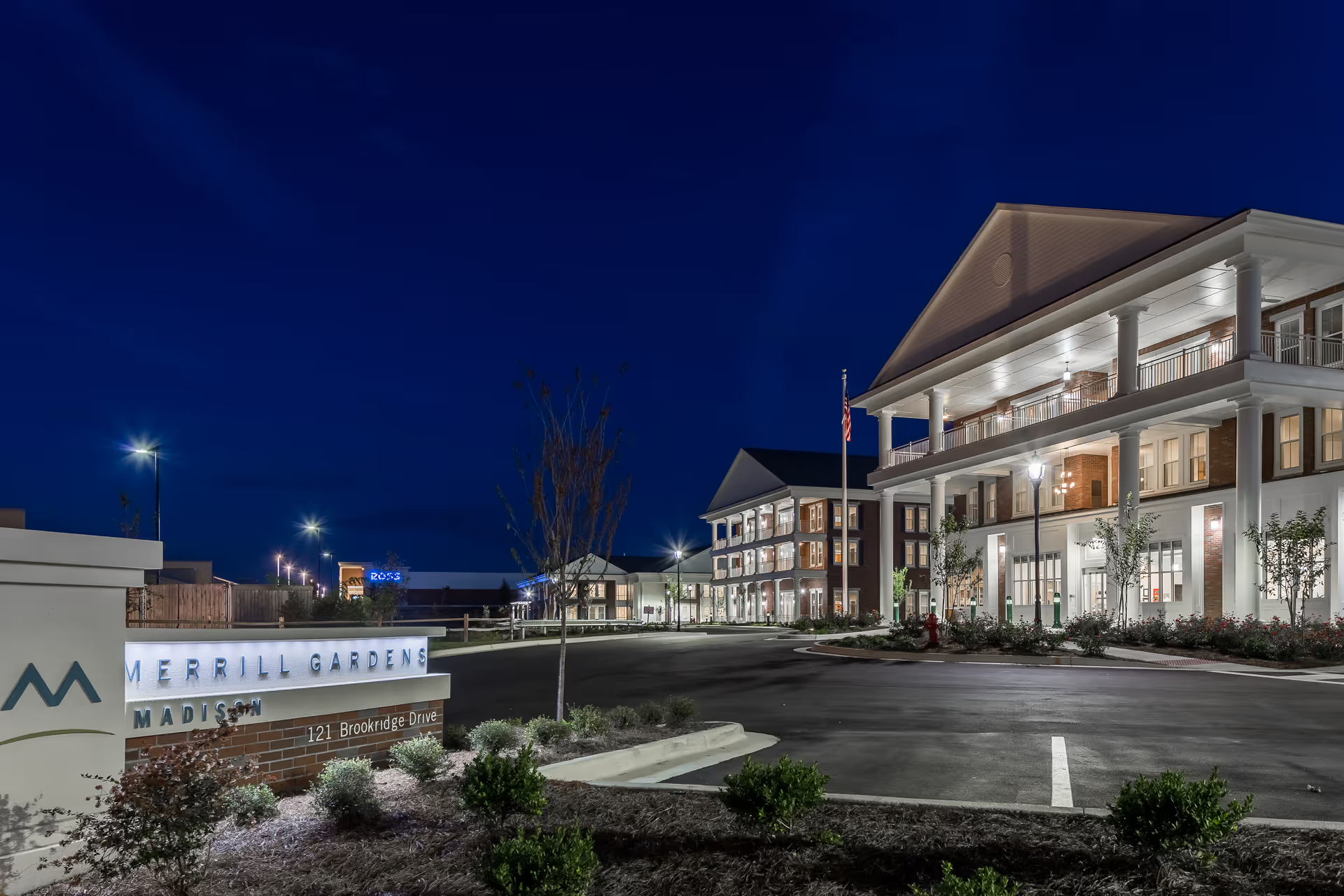
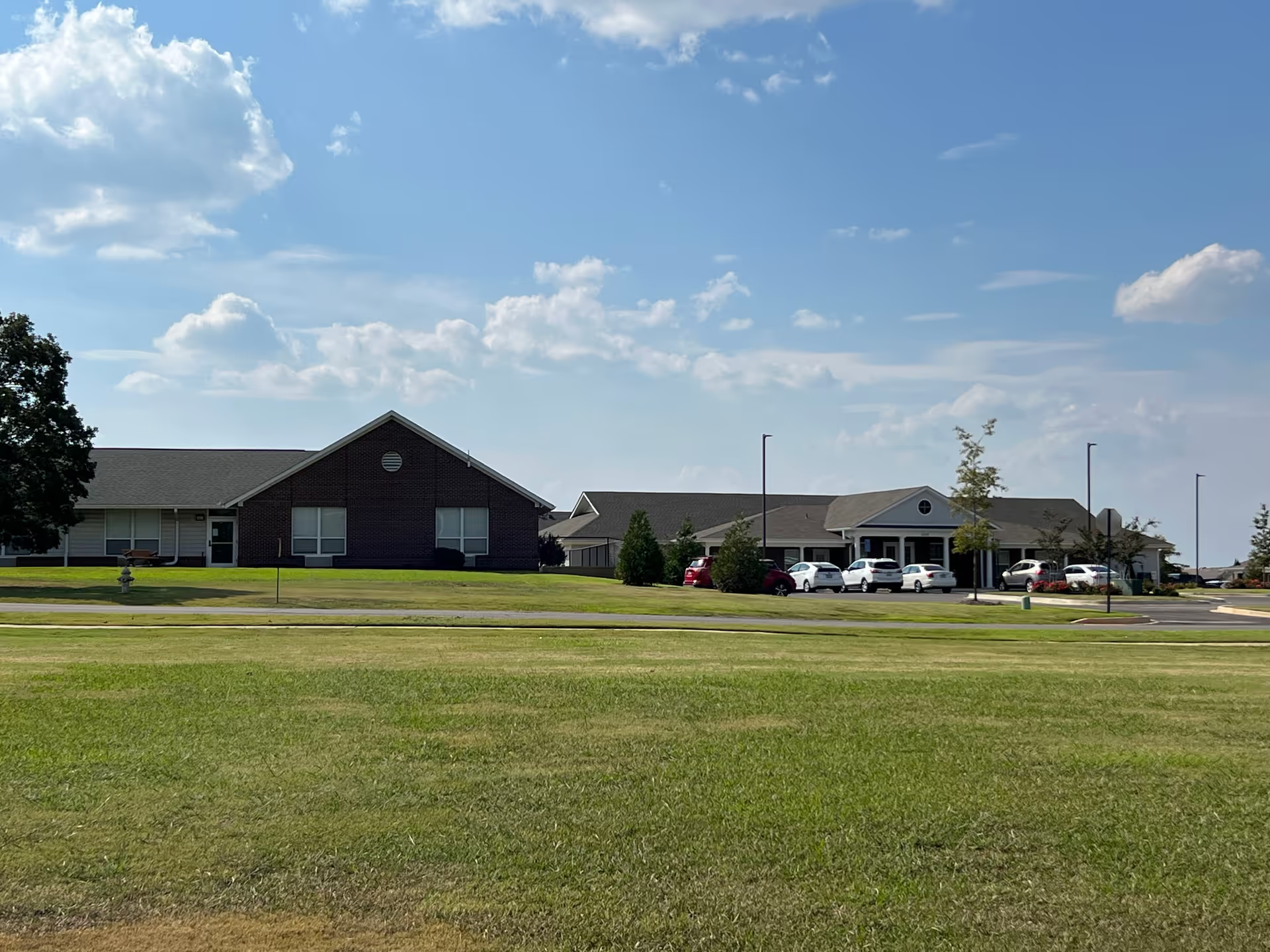
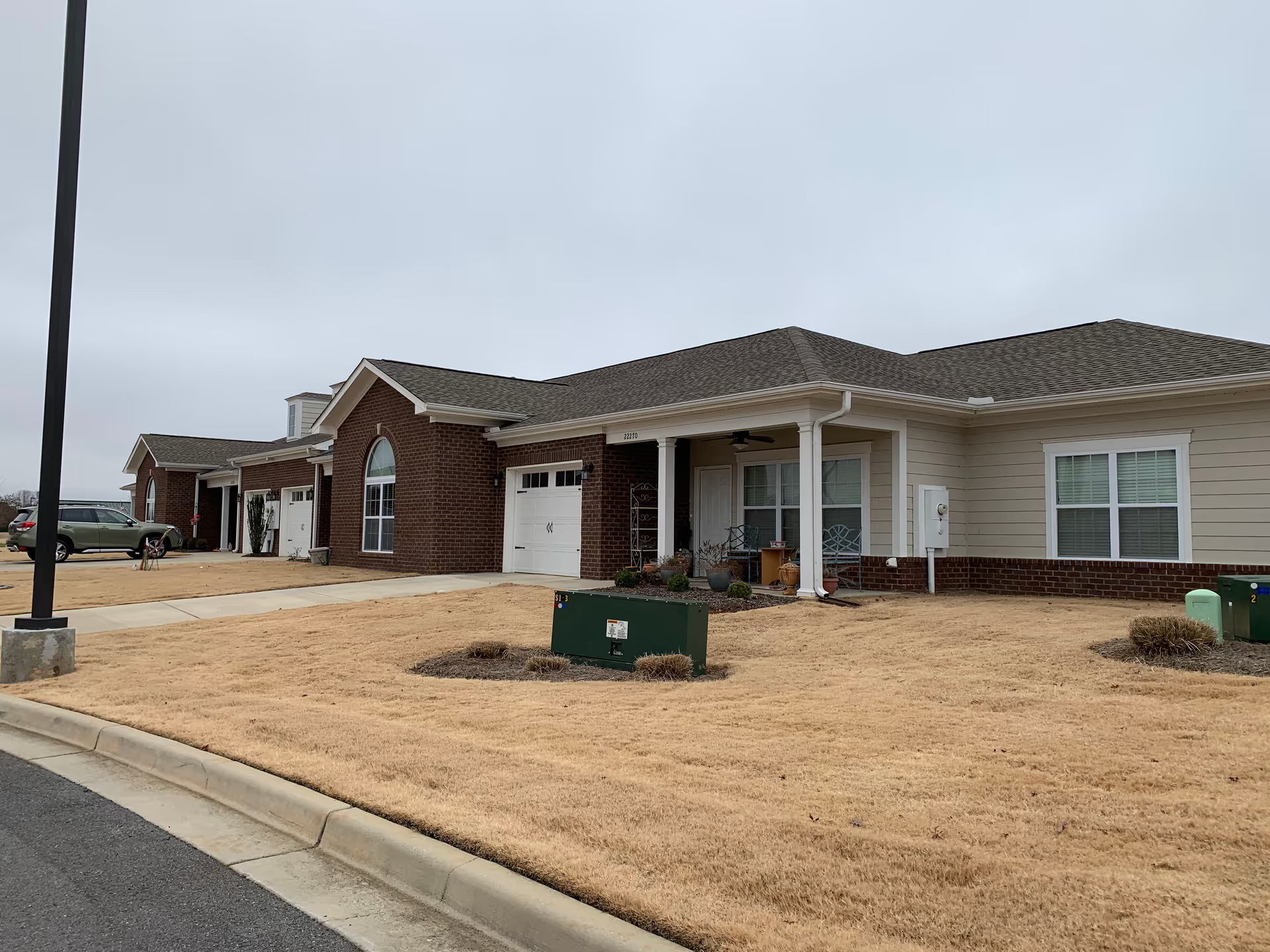
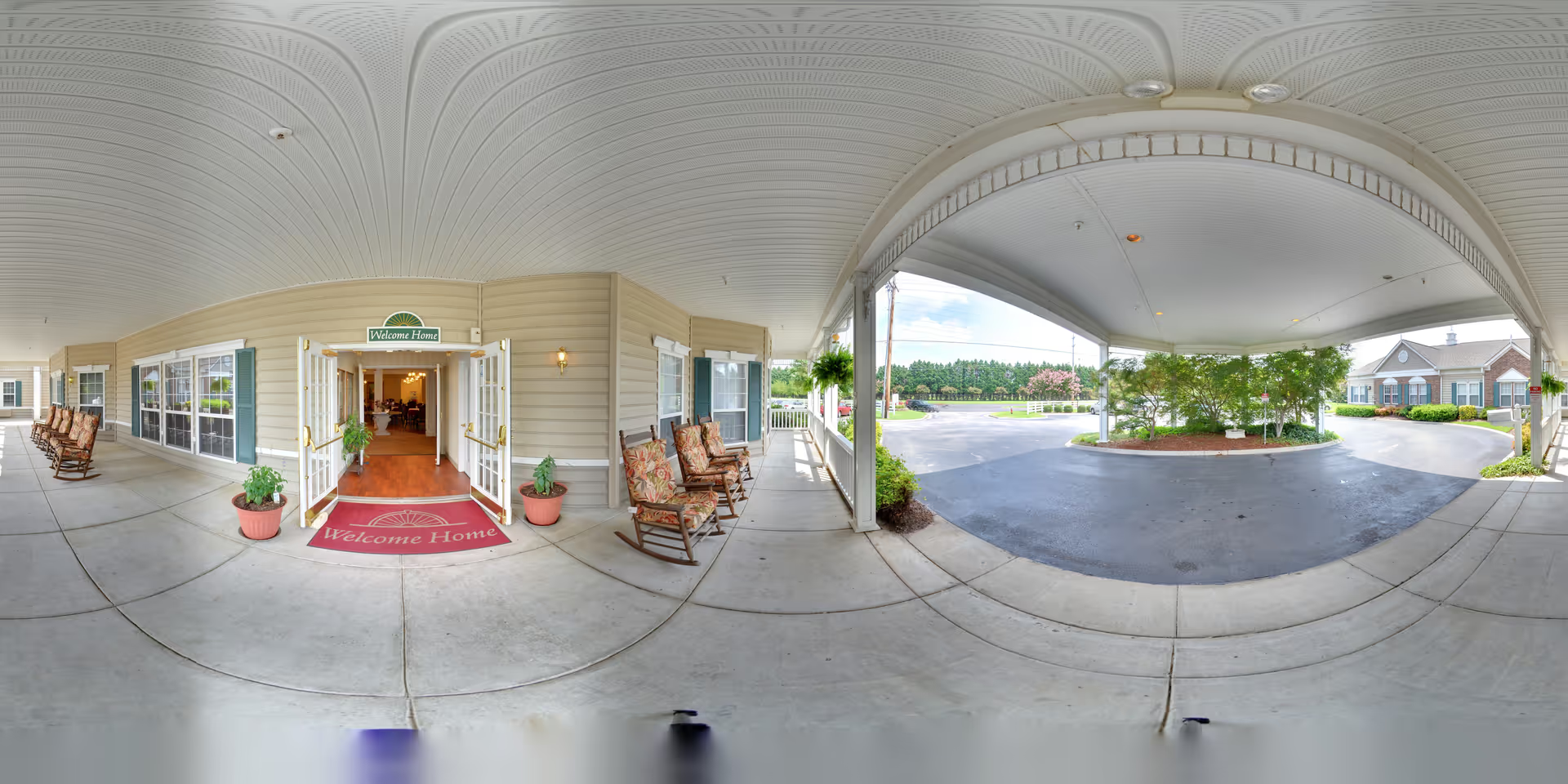
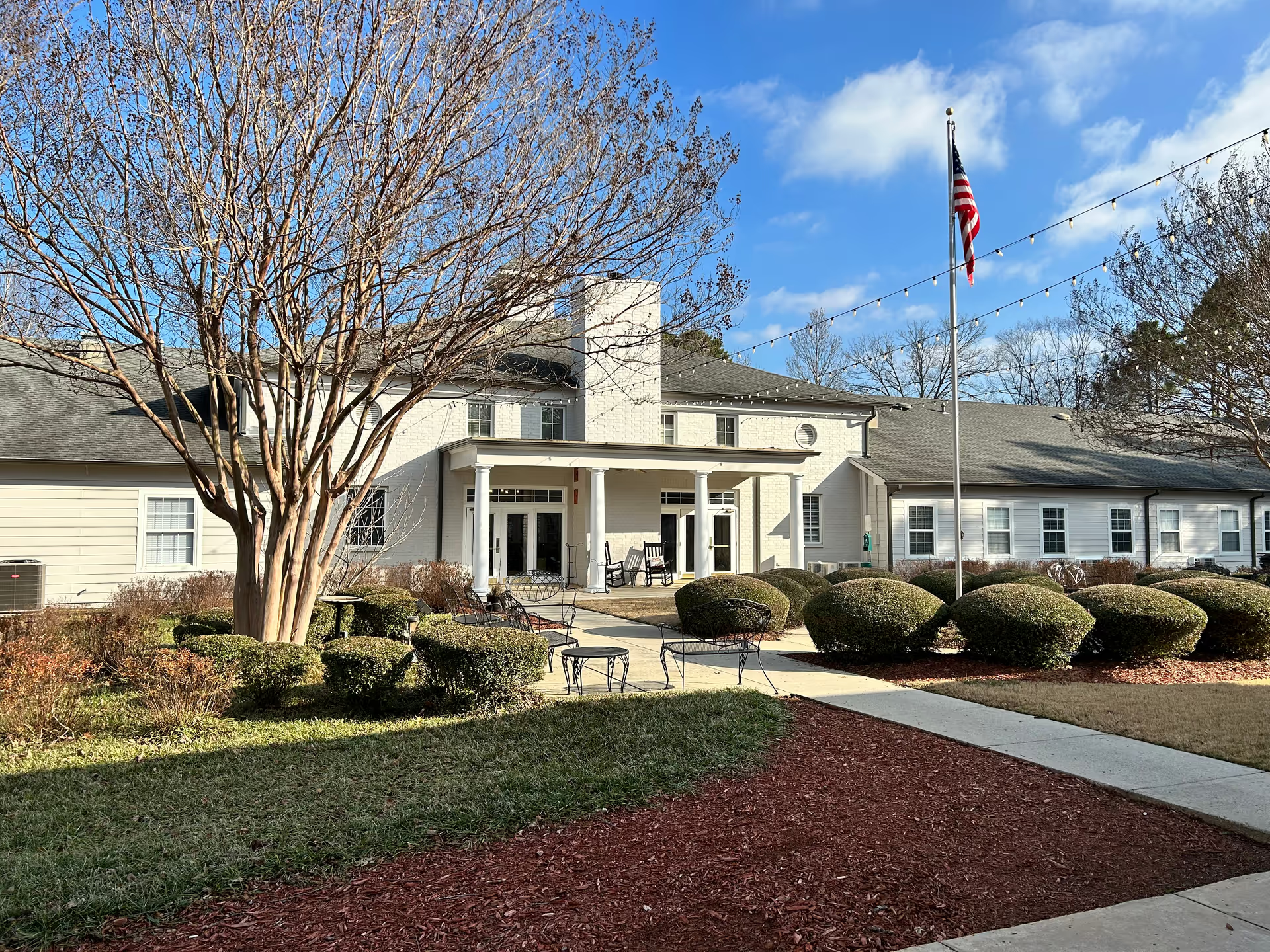
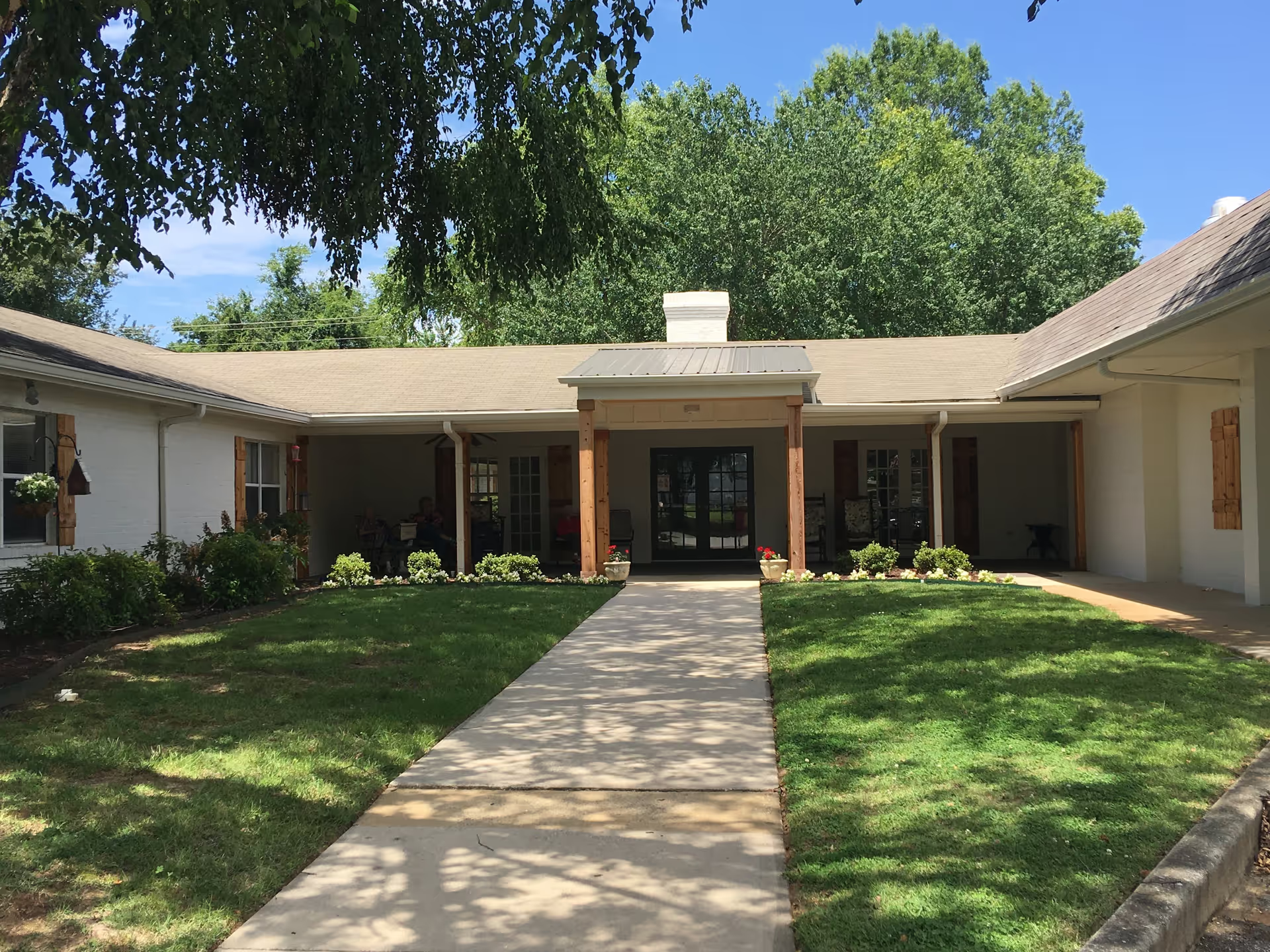
Madison at the Range presents as a modern, well-appointed senior community with many families praising its physical environment, amenities, and social programming. The campus is frequently described as attractive, bright, and clean, with multiple outdoor courtyards, pools, fitness spaces, a tavern/party area, and pet-friendly options. Apartments are noted to be freshly renovated in many instances, and on-site conveniences such as salon services, an on-site pharmacy option, therapy services, and a robust activities calendar contribute to a resort-like atmosphere for many residents.
Staff and care experiences are mixed but contain notable strengths. Numerous accounts highlight compassionate, attentive caregiving staff, engaged activity coordinators, and leadership that some families found supportive during moves and transitions into memory care. Several reviewers emphasized the community’s ability to provide social engagement, frequent activity photos/updates, and a family-oriented feel. Memory-care layout and transition support were called out as positive by multiple families who found the environment calming and professionally managed.
At the same time, recurring operational concerns appear across reviews and warrant careful consideration. The most consistent themes relate to variability in clinical oversight and staffing continuity: families described occasions when nursing availability, response times, and clinical follow-up were inconsistent. Some reviews describe serious clinical escalations and hospitalizations in isolated cases, raising concerns about care for residents with complex medical needs. Related operational issues include inconsistent incontinence-care and laundry processes, room-cleaning or sanitation lapses, and gaps in adherence to individualized dietary or therapeutic instructions.
Communication and administrative consistency are additional areas of divergence. Several families reported clear, helpful communication and partnership with leadership, while others experienced delayed or unclear responses to questions about billing, move-in holds, phone responsiveness, or readmission policies following hospitalization. There are also reports of staff turnover and occasional conflicting information between administrative and clinical personnel, which can reduce continuity for families and residents. Cost perception varies: some families consider the community good value (noting discounts and price-lock options), whereas others feel the price does not always match their experience of services.
Dining and activities are generally seen as strengths but with variability. Many residents enjoy chef-prepared meals, themed events, and a wide range of social and therapeutic activities; however, some families experienced inconsistent meal quality, failure to follow specific dietary restrictions, or late/cold service on occasion. Activity offerings are broad (exercise, games, crafts, outings), but a few reviews mention limited supervised activities for certain levels of care.
In summary, Madison at the Range offers strong physical amenities, engaging social programming, and many instances of compassionate staff and effective leadership. These positive attributes make it an attractive option for independent and assisted residents seeking an active, amenity-rich community. Prospective residents and families should, however, assess clinical staffing levels and protocols for higher-acuity needs, ask specific questions about incontinence and laundry procedures, dietary accommodation processes, readmission and hospitalization coordination, and communication expectations. A focused tour that includes conversations with nursing leadership, a review of emergency and readmission policies, and verification of individualized care plans will help determine whether the community’s strengths align with a particular resident’s medical and supervision needs.