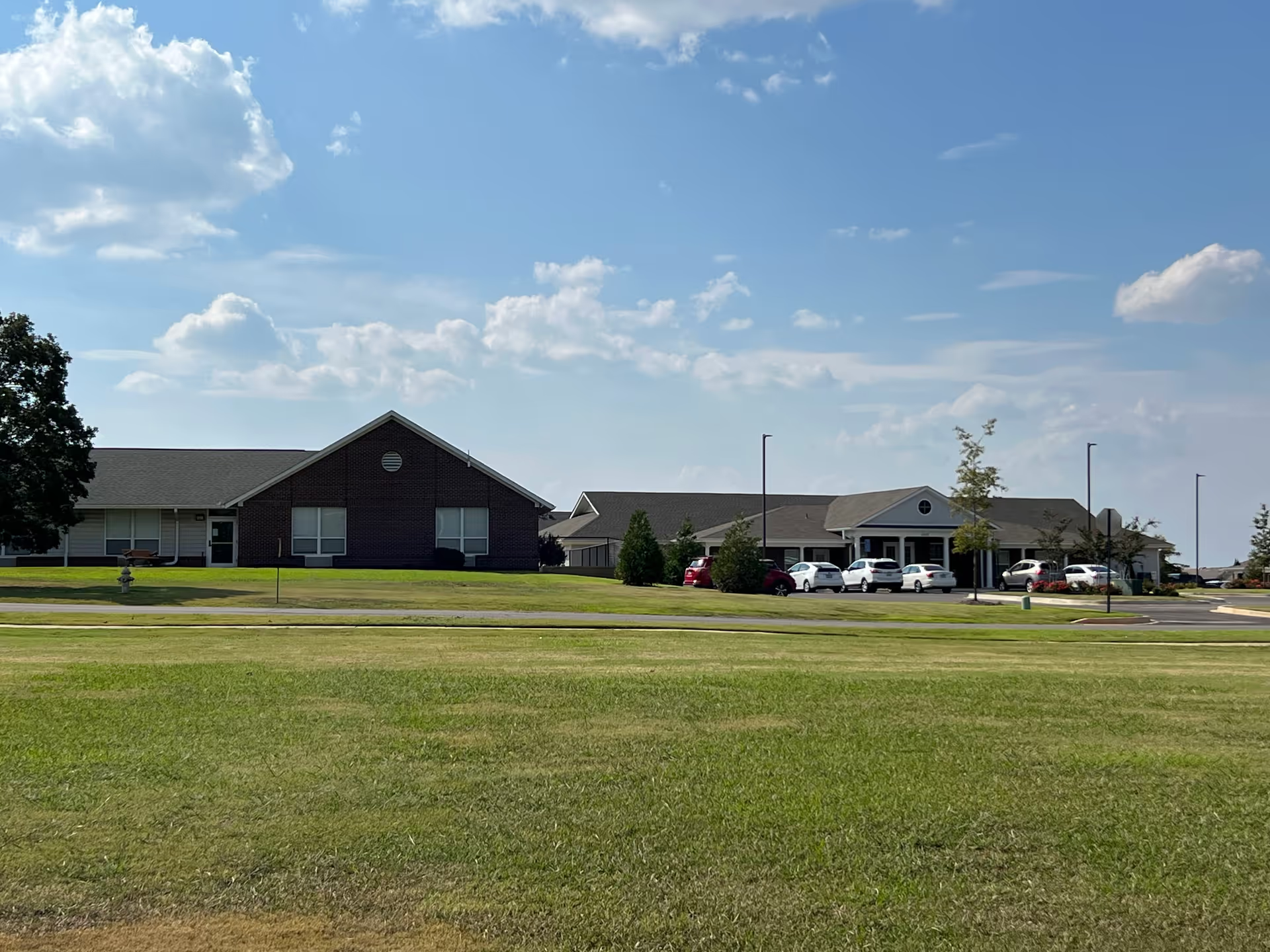
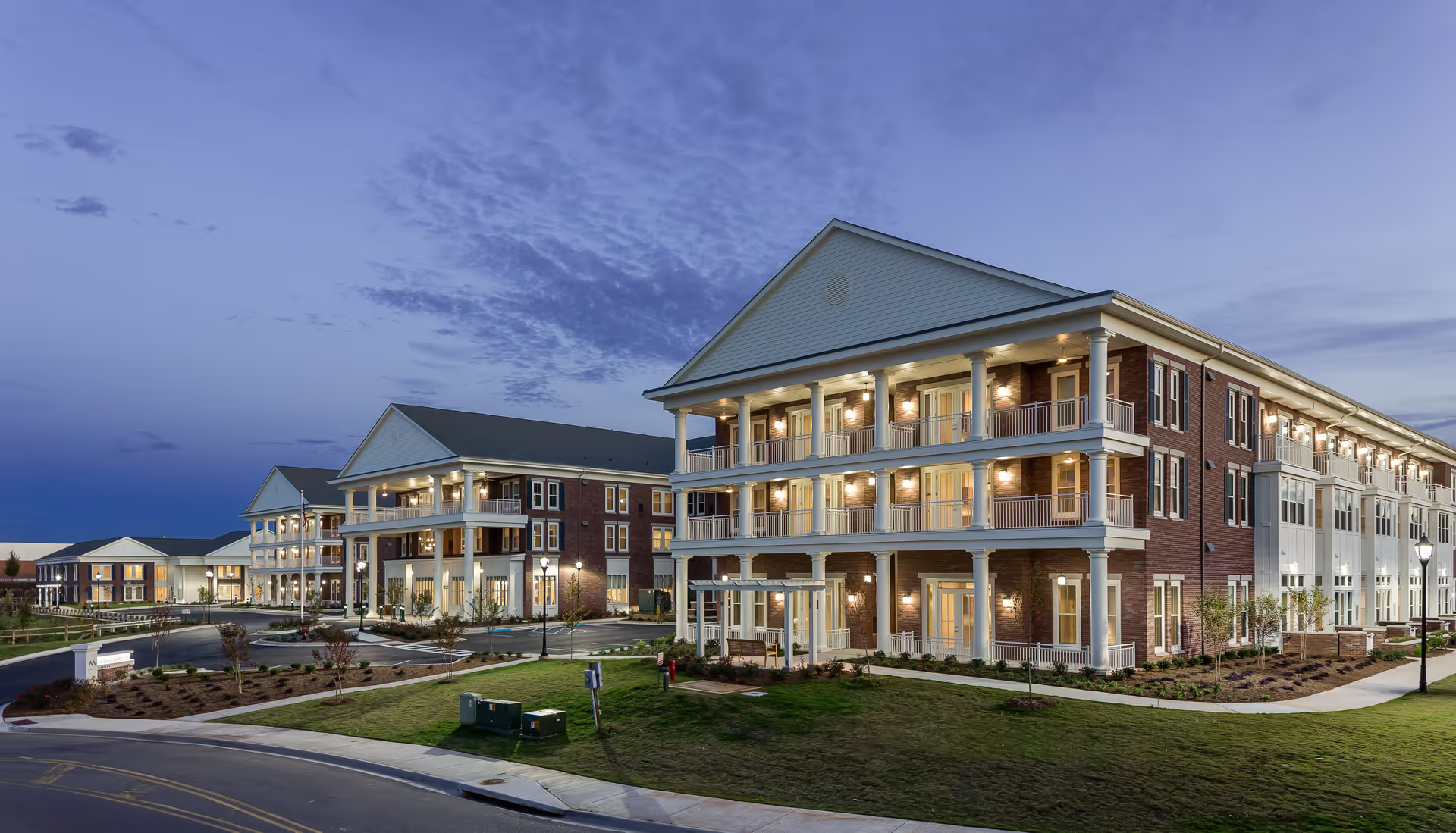
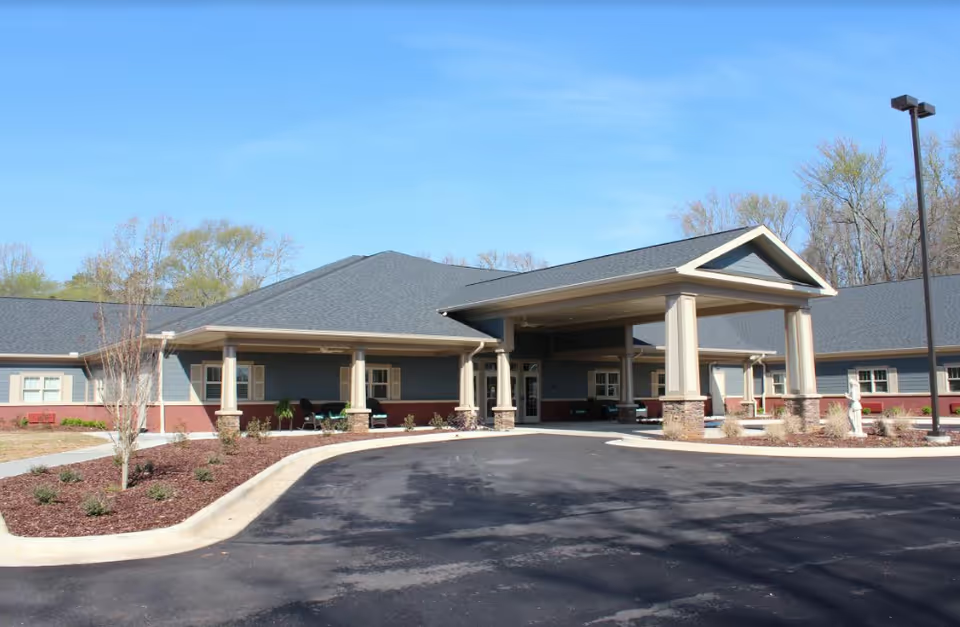
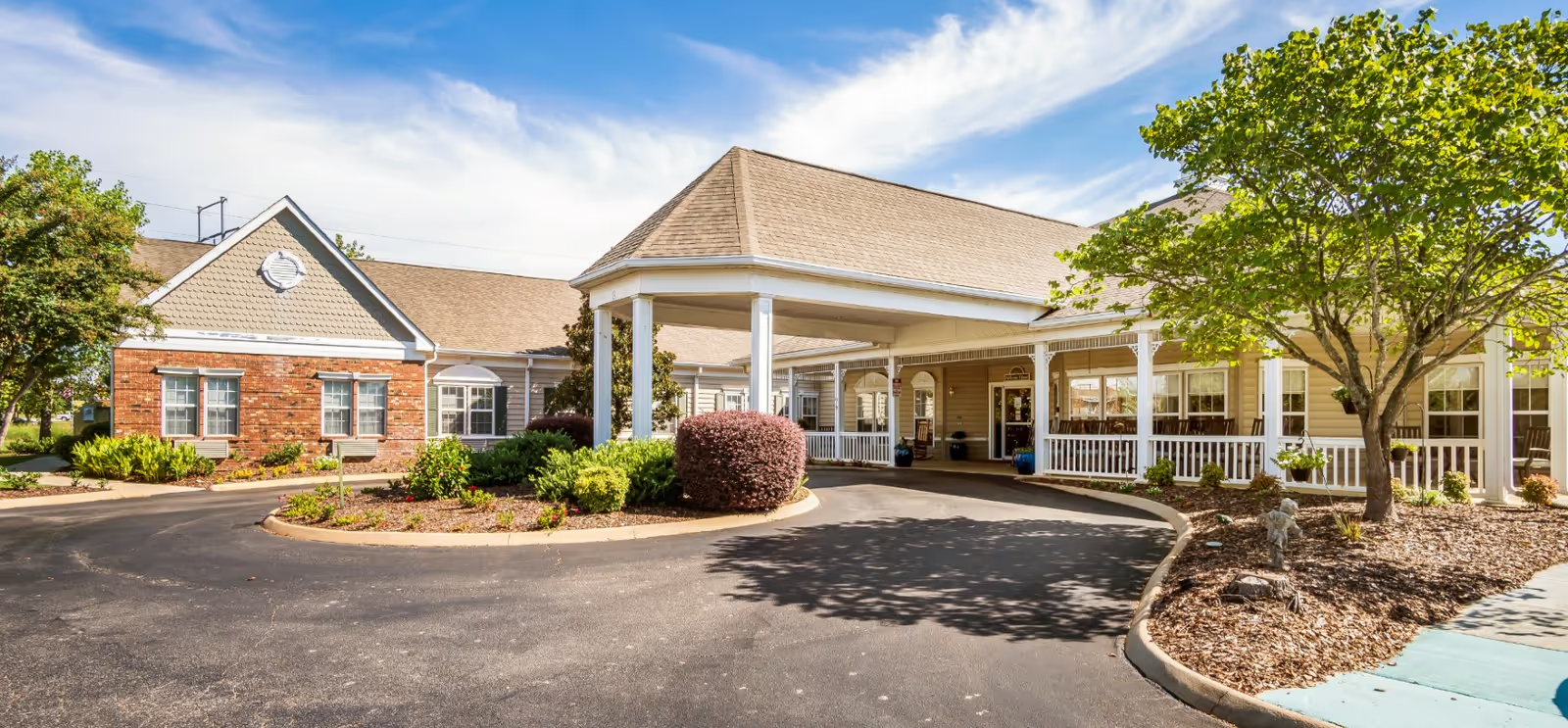
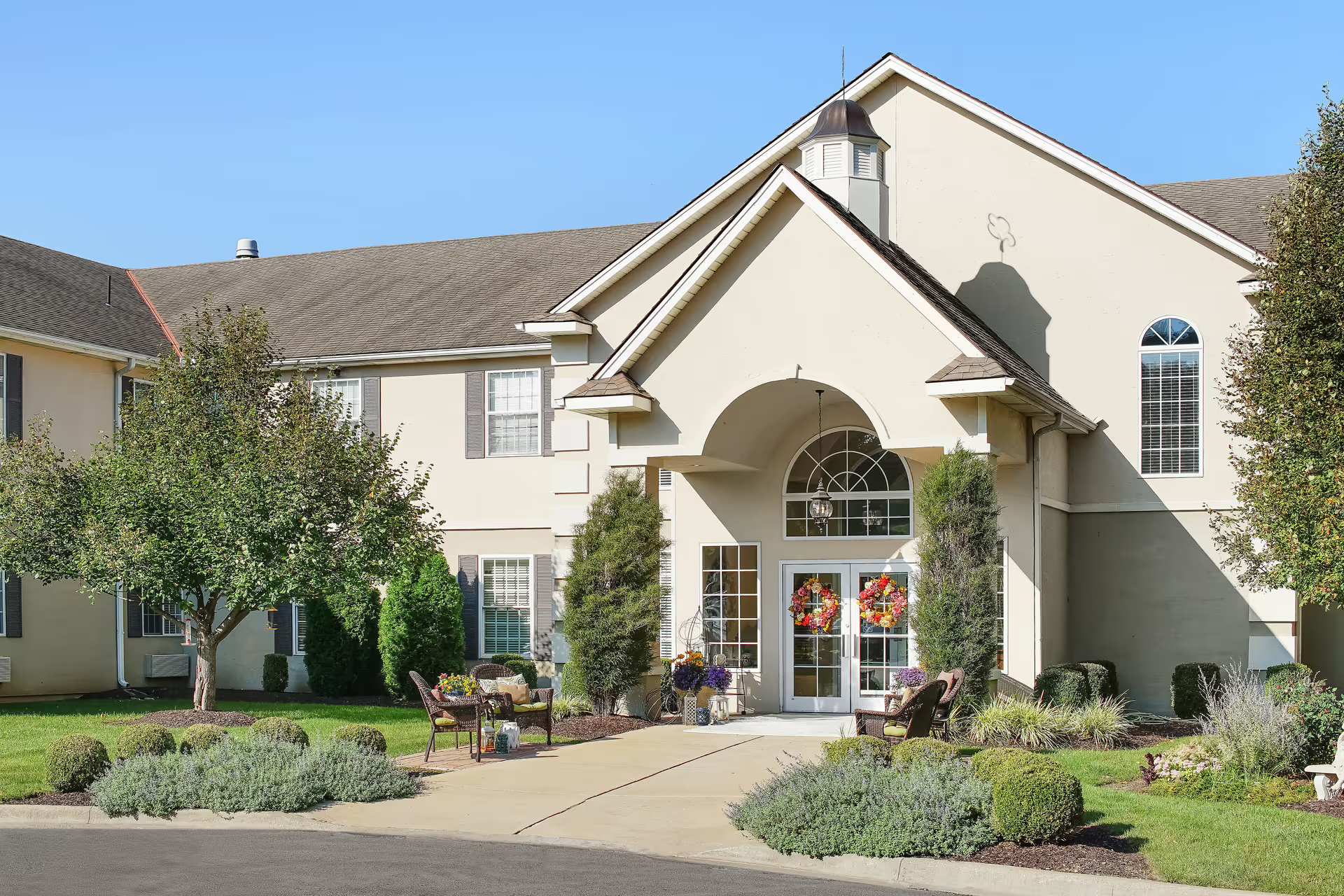
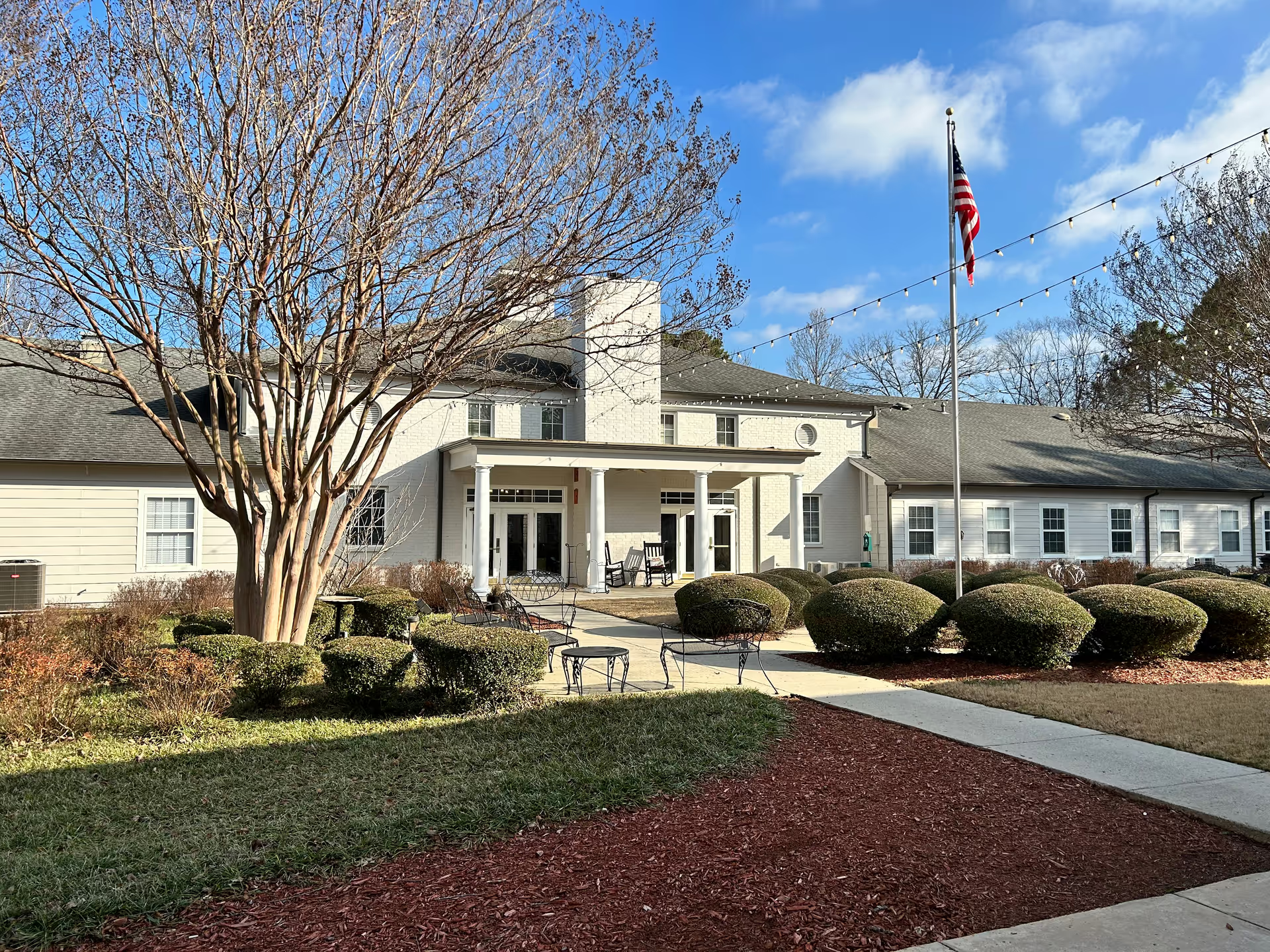
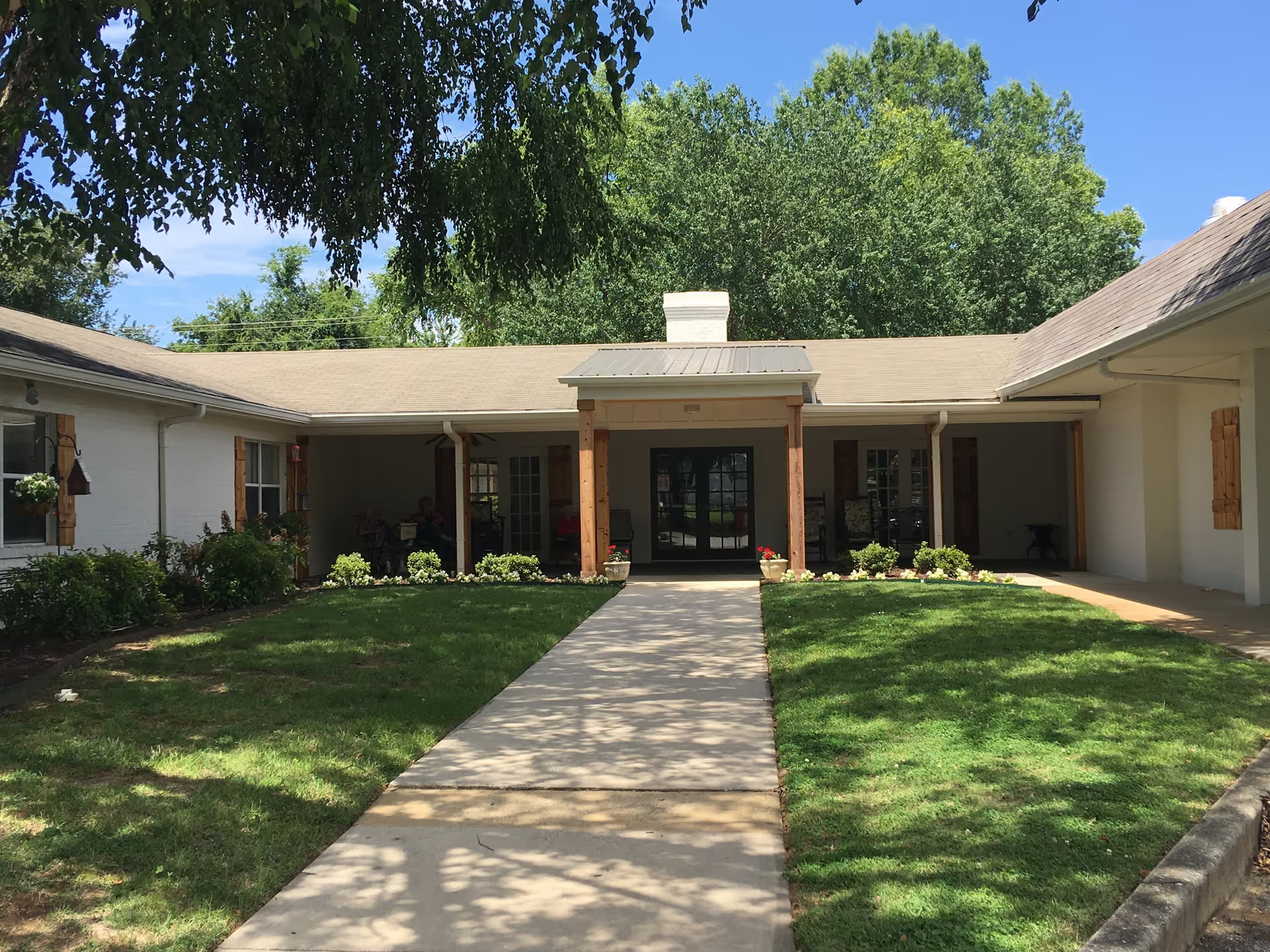
Valley View Health and Rehabilitation presents a mixed performance profile in these reviews. A clear strength across many accounts is the facility’s rehabilitation program: physical, occupational, and speech therapy are frequently described as effective, goal‑oriented, and supported by a well‑equipped therapy gym and private rehab rooms. Short-term post-operative recoveries and mobility improvements are a consistent positive, and families often single out individual therapists and rehabilitation teams for praise. The rehabilitation wing is also commonly described as cleaner and better resourced than other parts of the campus.
Caregiving staff elicit strongly polarized feedback. Many reviewers praise compassionate, attentive CNAs, LPNs, nurses, and a nurse practitioner who provide hands‑on care and family communication. At the same time, a substantial body of feedback documents inconsistent staffing levels, slow call‑light responses, and periods when residents waited for assistance. These operational shortfalls are most often associated with night and weekend shifts. Operational consequences reported include delays in medication administration, lapses in routine personal care (bathing, dressing, toileting assistance), and concerns about pressure‑ulcer prevention and wound management.
Dining and clinical nutrition are another area of variability. Some families appreciate food-service staff and accommodated diets, but others describe poor menu variety, lack of adherence to prescribed therapeutic or diabetic diets, and high carbohydrate/sugar content relative to dietary needs. Housekeeping and sanitation practices also vary by unit: while the rehab side is frequently described as clean and well maintained, long‑term care areas are more likely to be associated with housekeeping lapses, sanitation concerns, and occasional pest‑control issues in reviewer accounts.
Facility management and communication emerge as a key pattern of inconsistency. Several reviewers commend specific administrators and admissions staff for responsiveness and quick issue resolution; conversely, numerous accounts describe difficulty reaching front‑desk staff, unanswered phones, billing confusion, and slow responses from leadership — particularly over weekends. There are also serious, isolated claims that go beyond routine quality concerns, including allegations related to payroll, billing, and promotional activity; these allegations merit direct inquiry and, if relevant, regulatory follow‑up.
Safety processes show variability. Reports include delayed incident reporting, problems during transfers (including an instance of a resident drop), and inconsistent documentation that affected timely family notification and hospital transfers. These are tied to the broader staffing and communication issues and underline the importance of clarifying transfer‑safety protocols, incident‑reporting timelines, and weekend coverage before placement.
In summary, Valley View appears to offer robust rehabilitation services and several examples of engaged, skilled staff and supportive administrators. However, the facility also shows recurrent operational weaknesses: inconsistent staffing and responsiveness, variable cleanliness and dining practices, gaps in wound and incontinence care, and uneven management communication. Prospective residents and families should balance the facility’s rehabilitation strengths against these variable patterns, ask specific questions about weekend/night staffing, pressure‑ulcer prevention, therapeutic-diet management, incident‑reporting procedures, and avenues for escalating concerns prior to admission.