Angels for the Elderly elicits a mixed but clearly patterned set of impressions. Many families emphasize warm, compassionate caregiving, an active social environment and well-maintained common spaces. Positive accounts highlight prompt, hot meals served in a communal dining room, a range of group activities (singing, holiday events, exercises, devotional time), and purposeful offerings such as physical therapy and outdoor time on a patio or Florida room. Reviewers who are satisfied describe a family-like culture, staff who are trusted to manage moods and daily care, and a secure environment appropriate for residents with memory impairment.
Care quality and staffing show a bifurcated picture. On the positive side, families frequently cite attentive, caring aides and compassionate nurses and physicians, with examples of around-the-clock monitoring and supportive hands-on care. At the same time, there are recurring operational concerns: inconsistent nursing coverage on some shifts, reliance on sitters, and perceptions of understaffing. Several families described delays in clinical follow-up and missed or inconsistent health monitoring (for example, weight tracking and urinary tract care) and expressed worries about how staffing patterns affect continuity of care.
Dining and activities are commonly identified strengths. The facility’s meals are described as appetizing and served promptly in a central dining room, and staff-run activities keep many residents engaged and socially active. However, reviewers also asked for a broader variety of programming; while music, parties and group exercises are well executed, some families would like more diverse or individualized activity options.
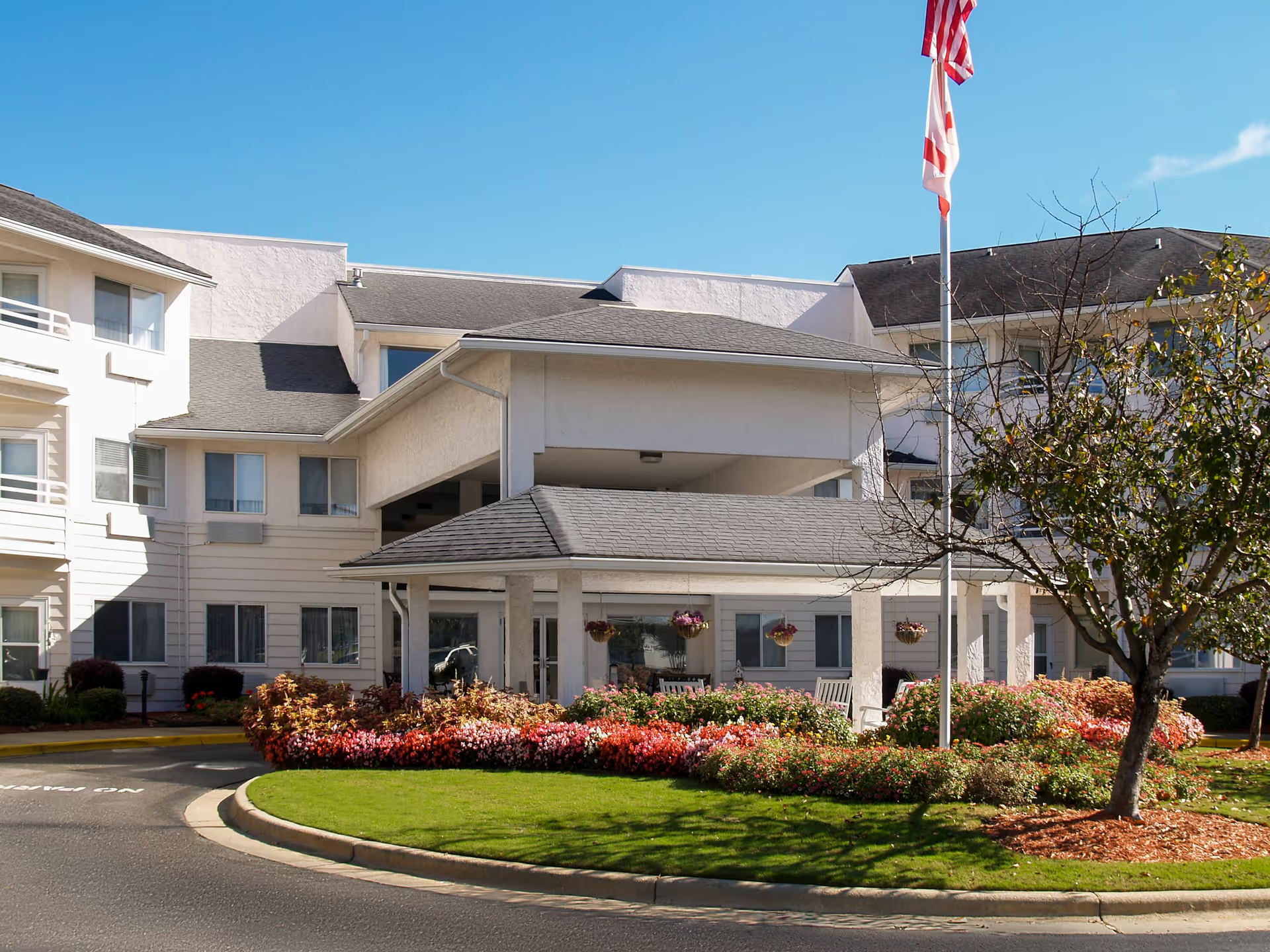
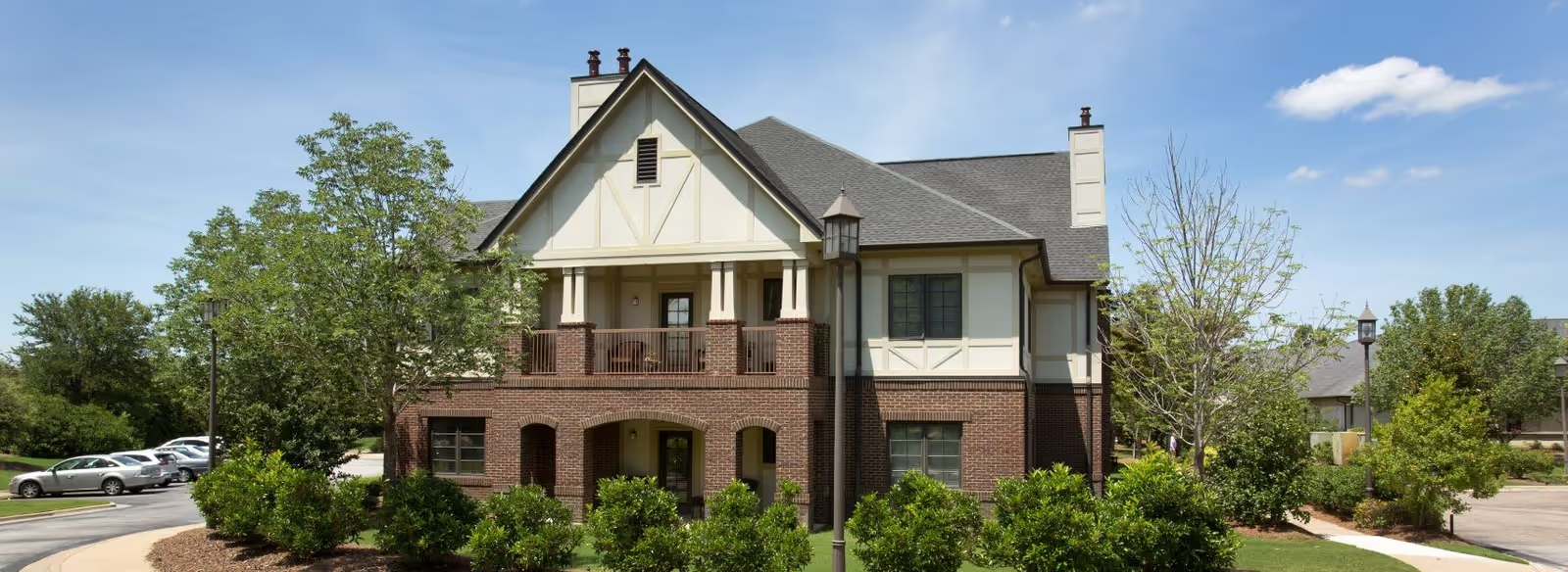
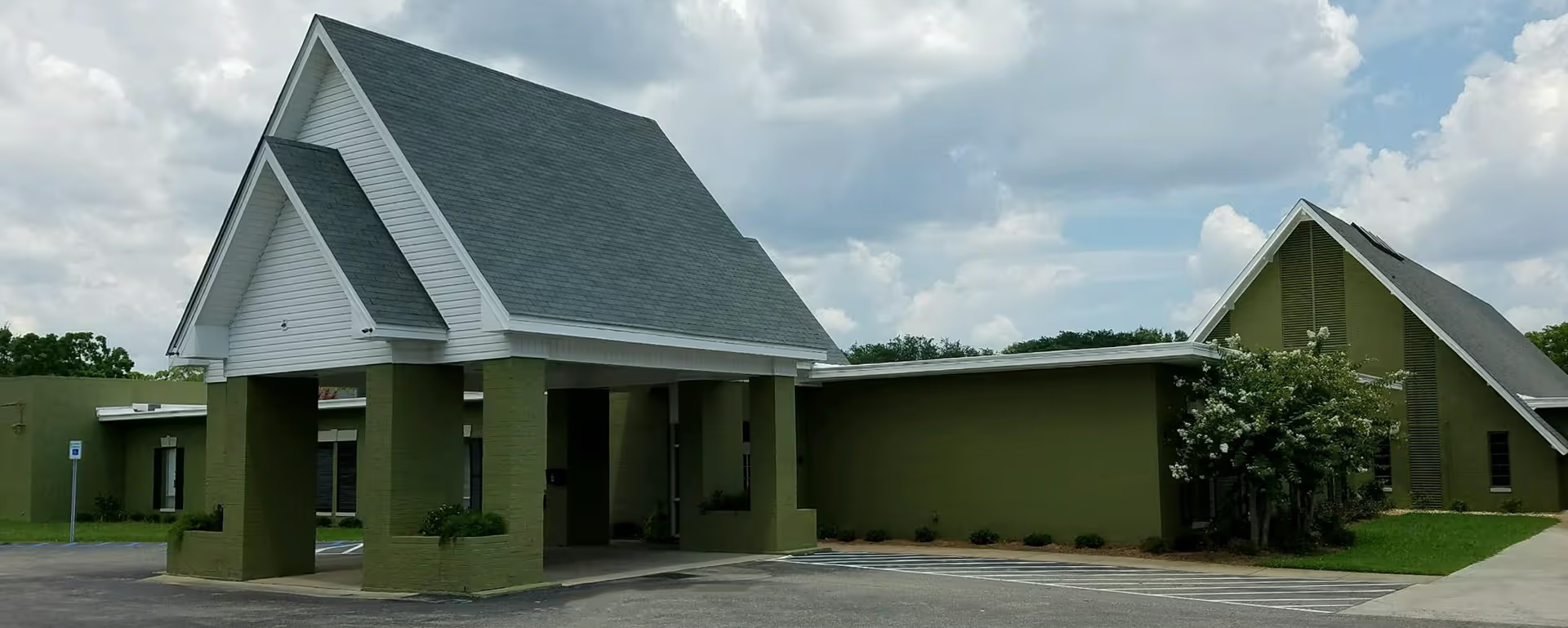
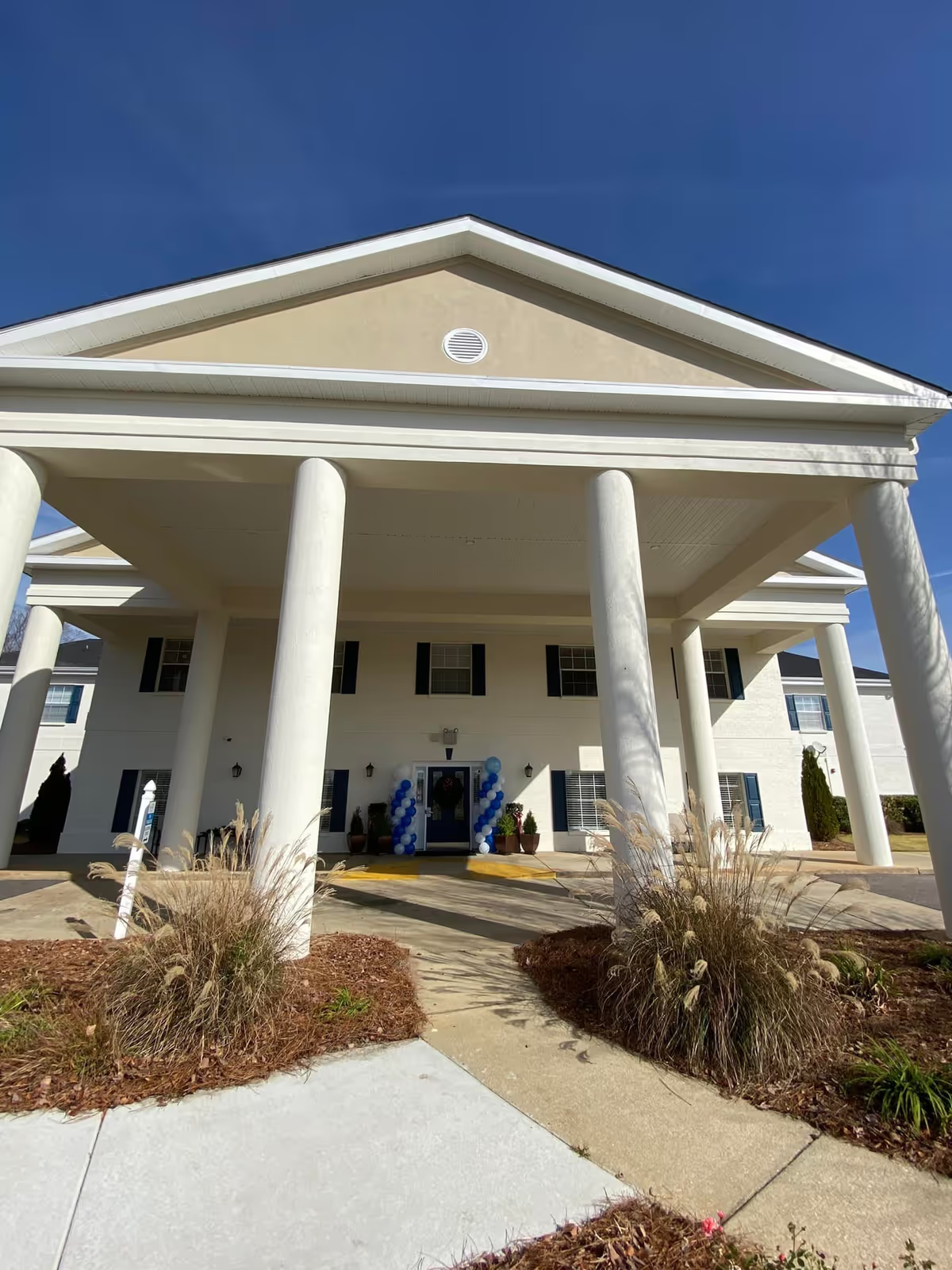
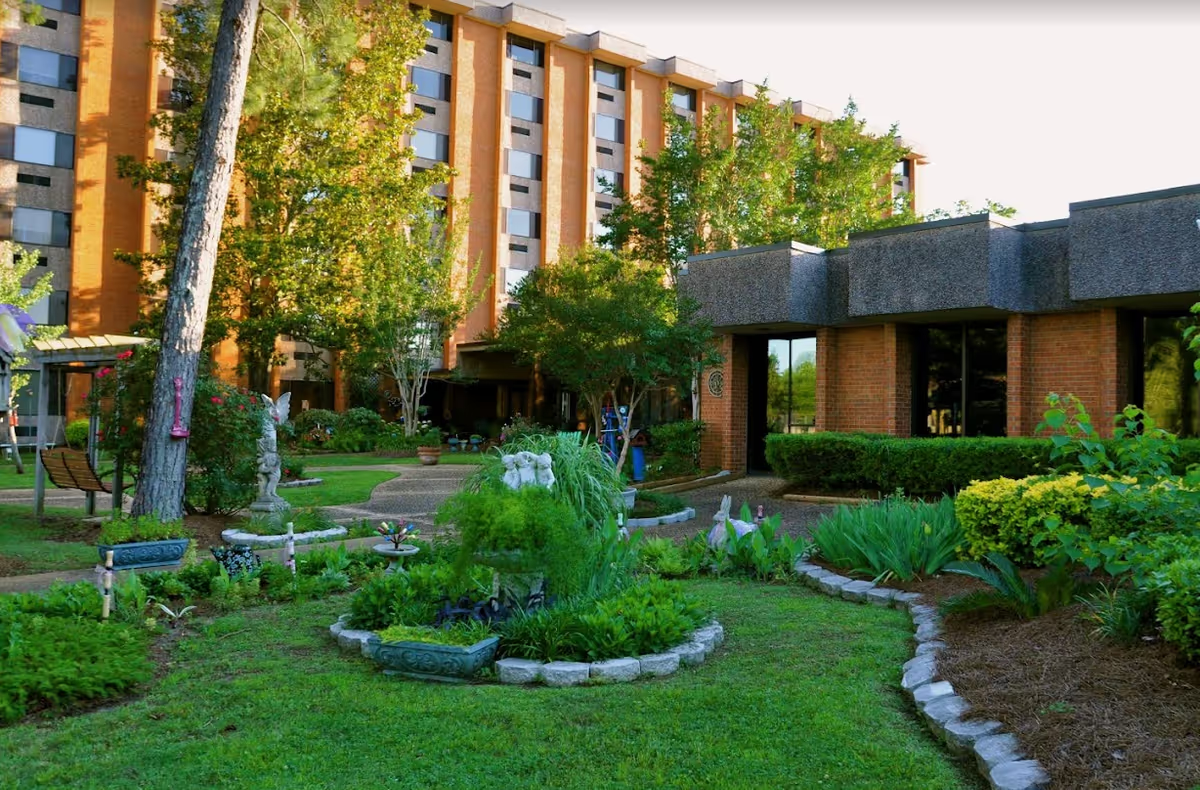
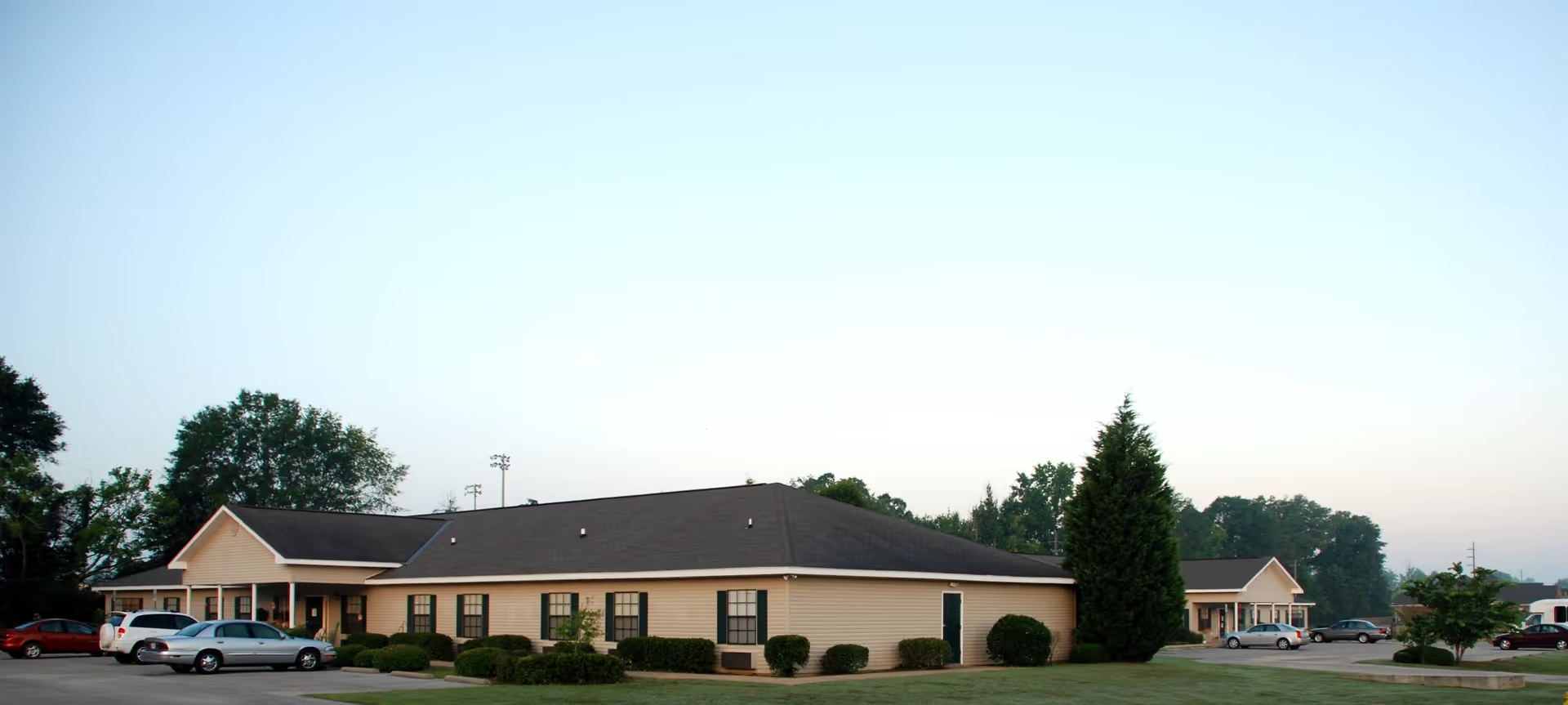
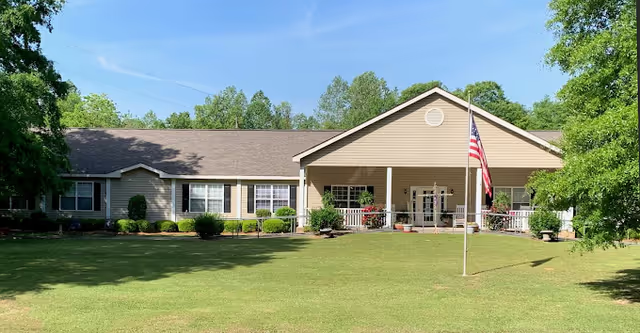
Facilities receive generally favorable remarks for cleanliness and maintenance, with pleasant outdoor and communal areas that support socialization. Criticisms cluster around living-unit size and feel: some residents occupy small, dated one-room apartments with narrow hallways, and common areas have been described by a few as less warm or dated. These comments suggest prospective residents review sample rooms and circulation spaces in person to assess fit.
Administration and communication represent the most consistent area of concern. Multiple families reported an unresponsive phone system, slow callbacks, and inconsistent communication about residents’ changing health status. There are also several operational complaints about medication management and pharmacy coordination, billing transparency, and administrative documentation (for example, receipt handling). A number of reviewers described a change in tone or service after a corporate ownership transition, expressing distrust about priorities and uneven treatment between caregivers and licensed nursing staff. These patterns point to potential governance and culture issues that can affect day-to-day operations.
Recommendations for prospective families: tour multiple units (including sample rooms and common spaces), ask for written policies on health notifications and medication/pharmacy processes, clarify staffing ratios and typical nurse coverage per shift, and request recent inspection or ownership-change information. Overall, Angels for the Elderly demonstrates clear strengths in caregiving warmth, dining, and social programming, but families should verify administrative practices and clinical coordination to ensure they meet individual expectations and clinical needs.