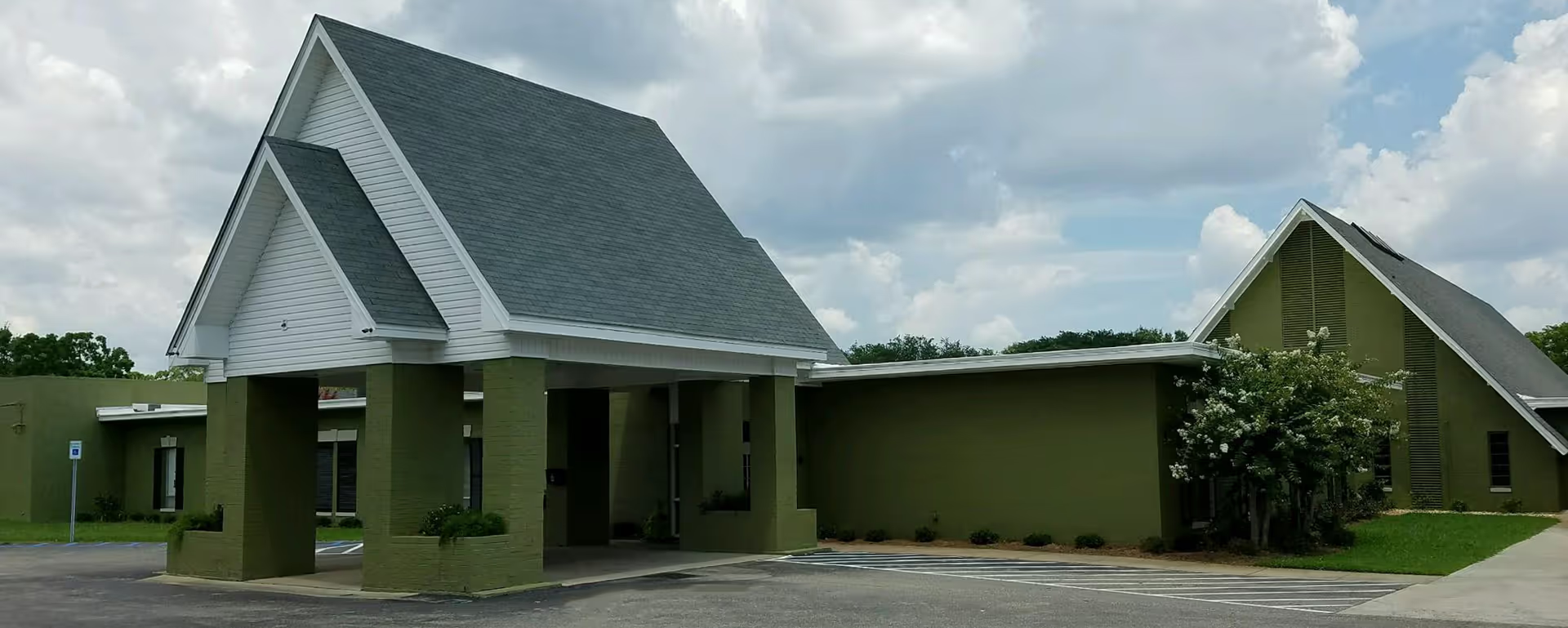
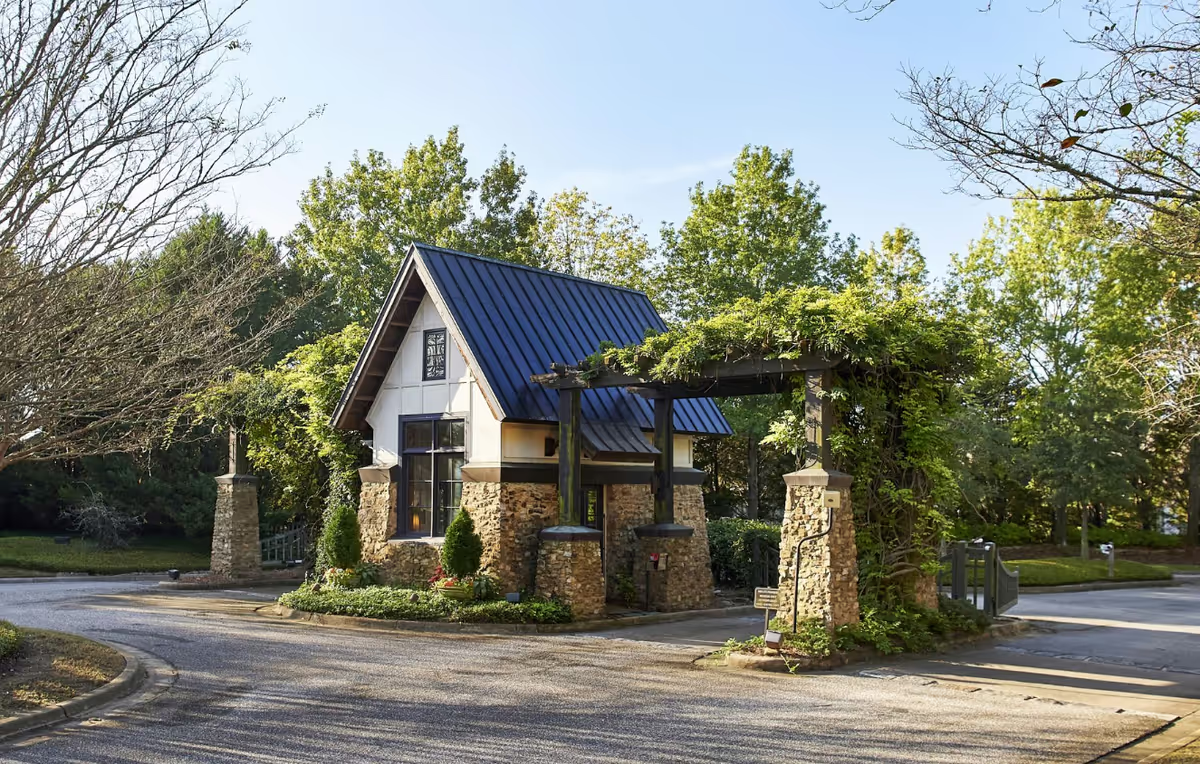
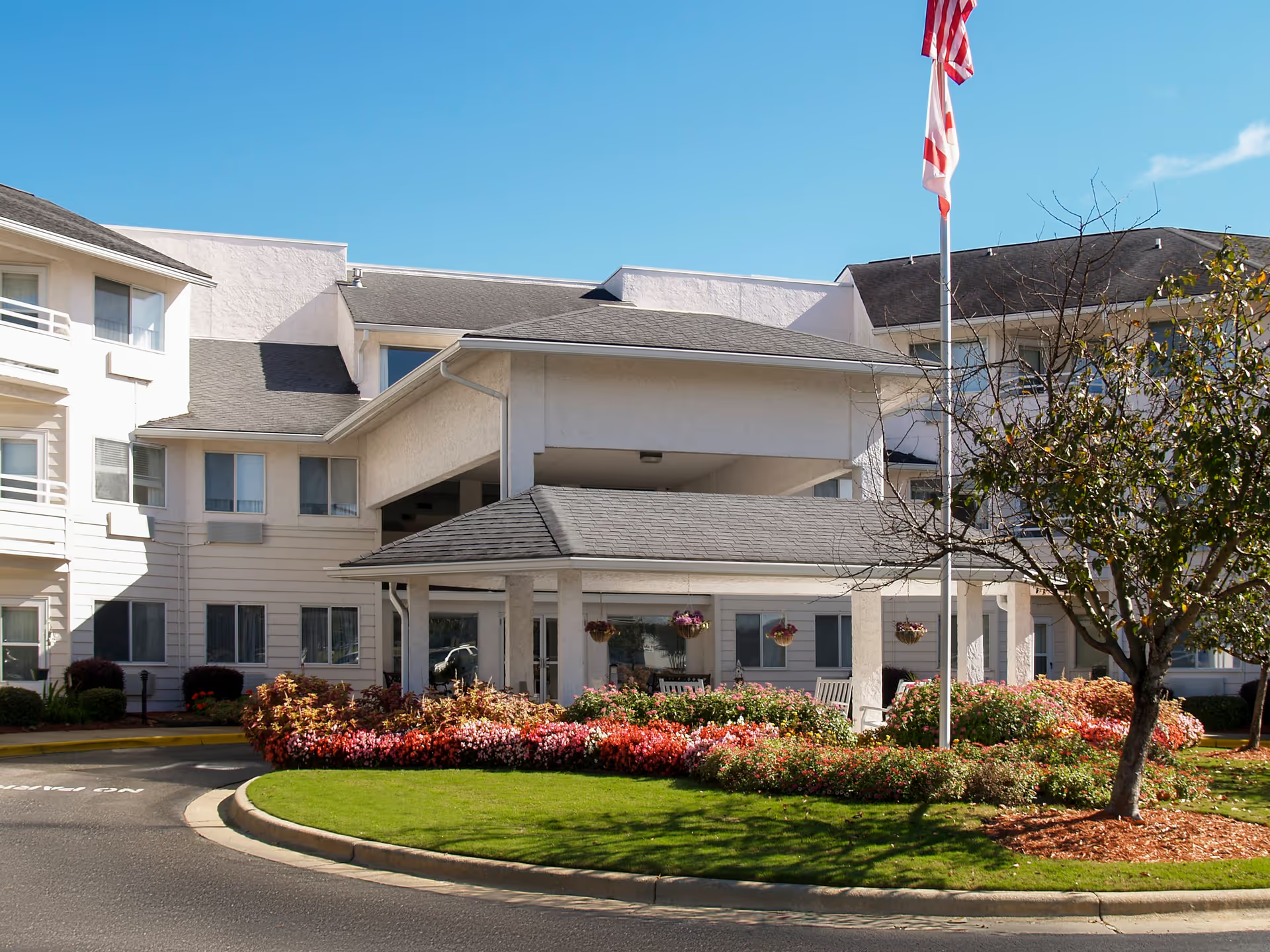
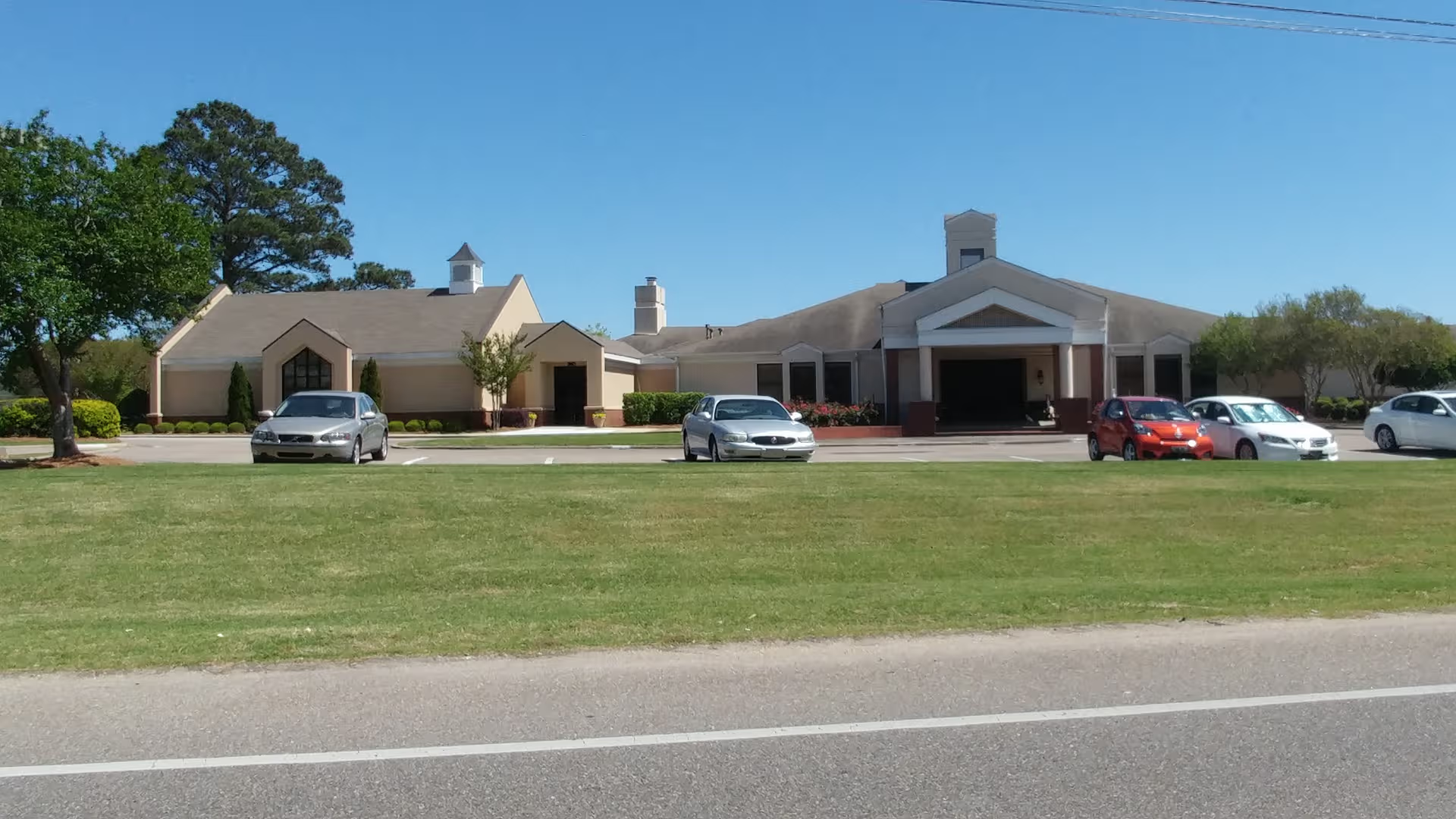
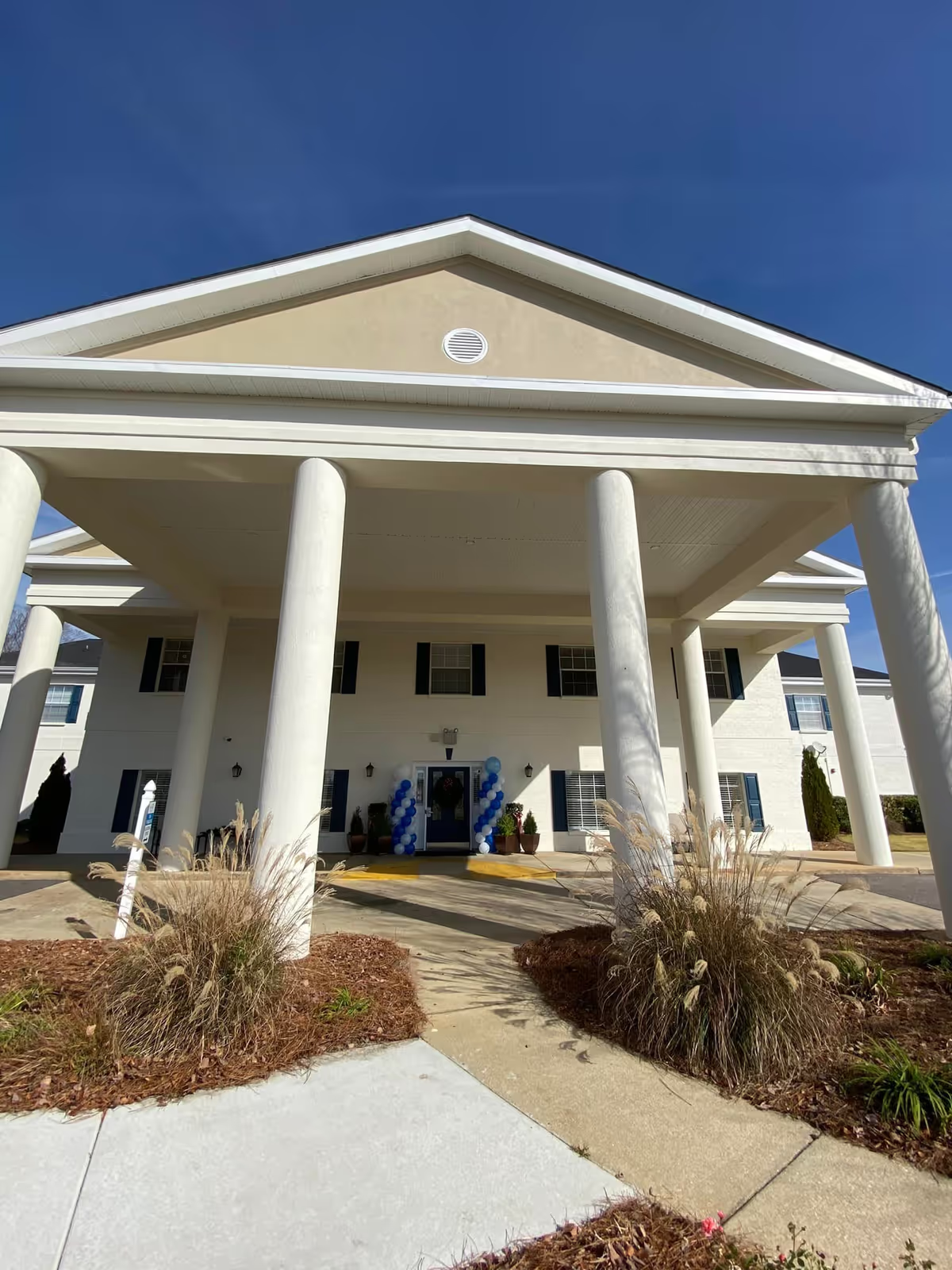
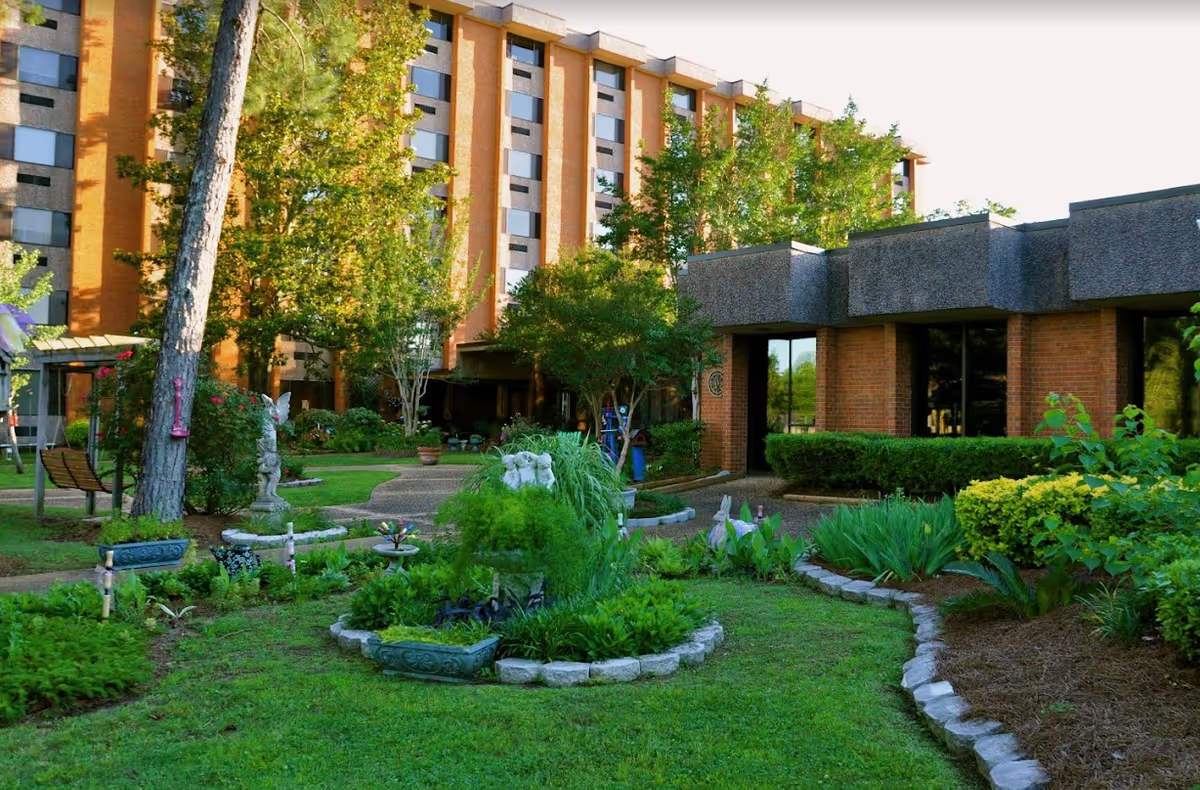
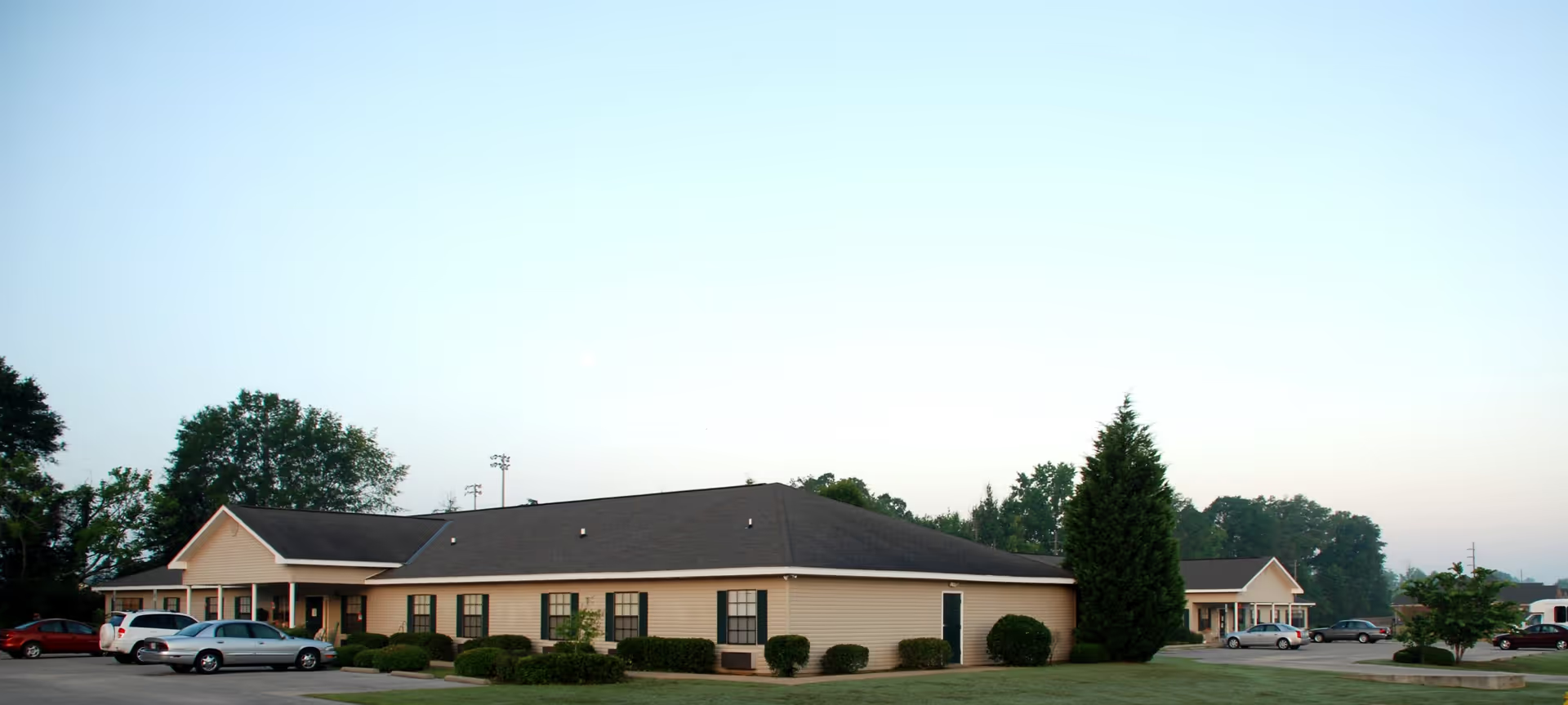
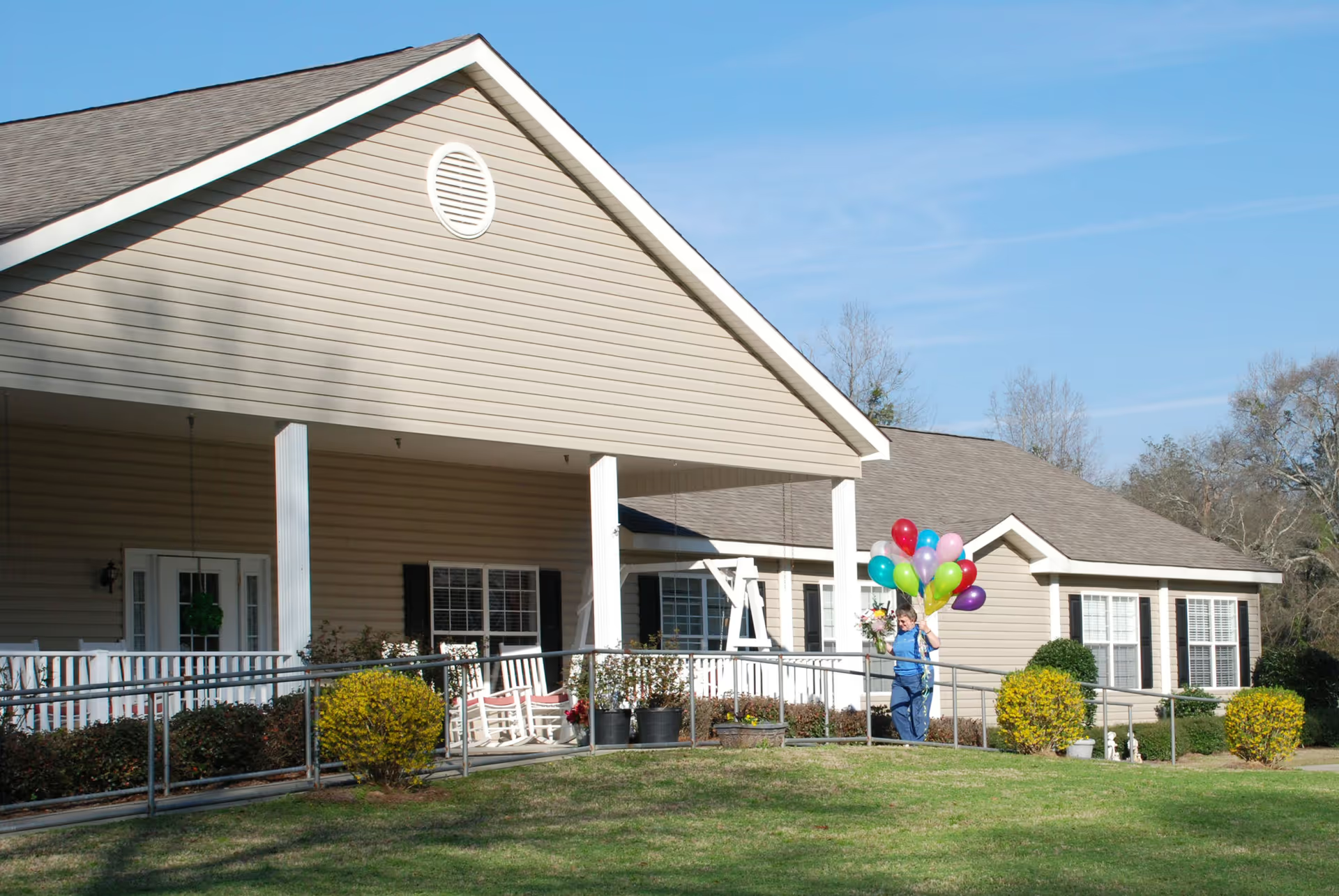
Capitol Hill Healthcare elicits a mixed set of impressions. Many families and former residents praise the facility’s physical environment and therapy services: attractive landscaping, a shaded courtyard, well-kept common areas, and on-site amenities (salon, large lobby features) create a positive setting. Physical and occupational therapy programs, along with wound-care capability, are frequently identified as strengths, and a number of reviewers described good short-term rehabilitation outcomes and individualized therapy attention. When present, direct-care staff and CNAs are described as compassionate and attentive; a smaller facility layout is credited with enabling more personalized interactions.
At the same time, reviewers raise consistent operational concerns that bear on overall care quality. Staffing levels and shift coverage appear uneven: slow responses to call bells and long waits for assistance are recurring themes. Medication administration timing and consistency were frequently questioned, and families described lapses in bathing and incontinence-care processes. Infection-control communication and visitor-policy management during outbreak events were also cited as problematic, contributing to family frustration about transparency and oversight. Additionally, there are reports of pest-control issues in some units and maintenance or equipment problems that affect resident comfort and safety.
Dining and dietary accommodation present variable experiences. Some reviewers praise the meals and menu variety, while others highlight unacceptable meal choices for residents with specific medical needs and inconsistent food quality. Activities and spiritual programming are generally reported as available and appreciated, including religious services and recreational options, but engagement depends on staffing and schedule consistency.
Management and communication patterns are uneven. Several families describe proactive, communicative administrators and business-office staff who supported transitions and addressed concerns. Others describe weak follow-up, delayed incident reporting, security lapses (including missing personal items), and dissatisfaction with how clinical concerns were escalated. A small number of reviews include serious allegations related to financial or clinical misconduct; these statements suggest some families desire stronger external oversight and clearer accountability mechanisms.
Overall, Capitol Hill Healthcare displays notable strengths in environment, therapy services, and compassionate caregiving when staffing and management align. However, recurring operational traits — inconsistent nursing coverage, slow responsiveness, gaps in medication and hygiene processes, pest-control and maintenance issues, and uneven management follow-through — represent risks families should weigh. Prospective residents and family members may want to confirm current staffing patterns, infection-control policies, dietary accommodations, property-security measures, and incident-communication protocols during their evaluation and walk-throughs.