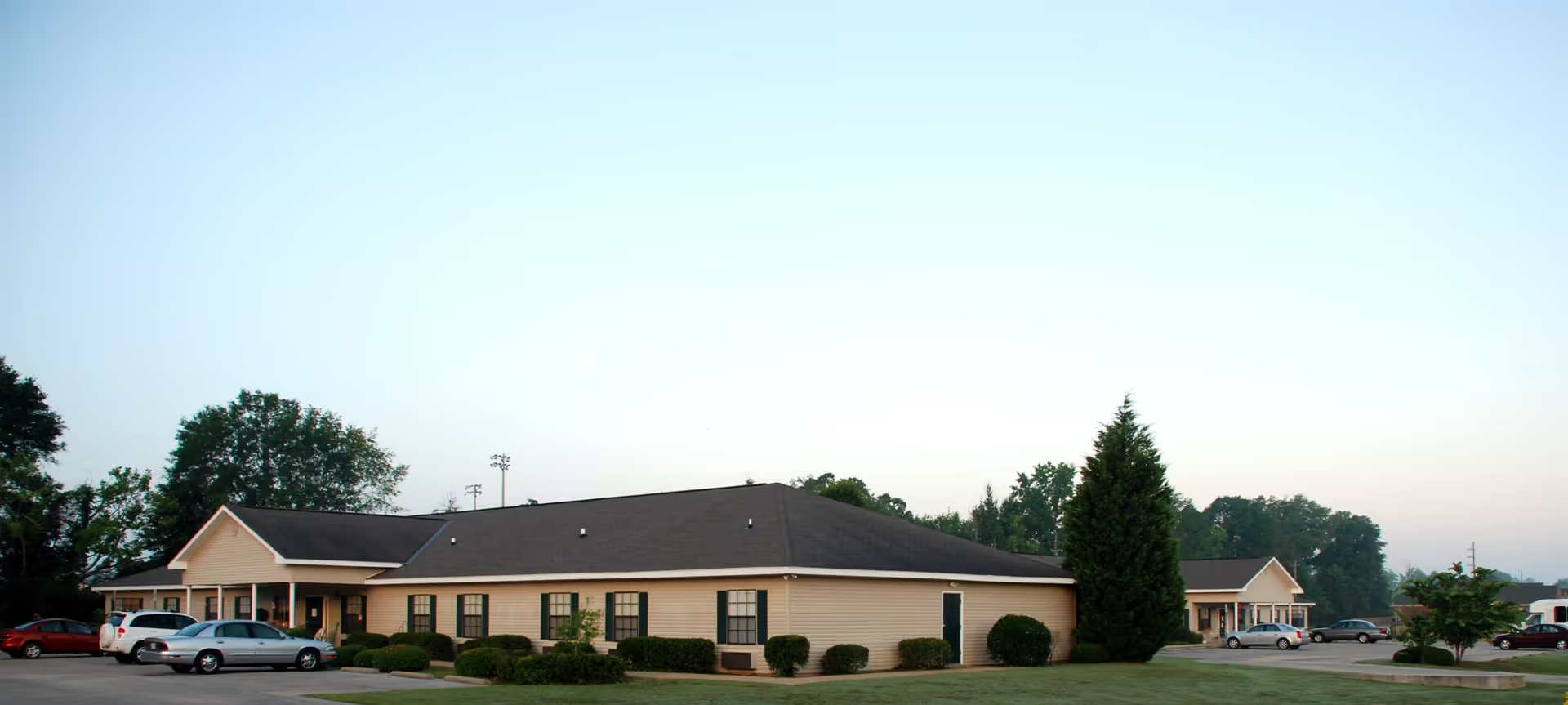
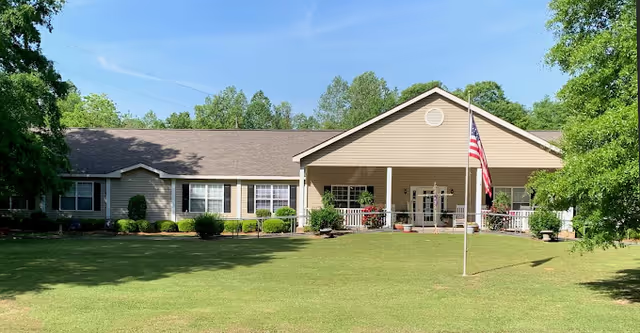
Country Cottage Montgomery elicits strongly mixed impressions. Positive feedback highlights a small, home-like setting with attentive caregivers, clean and recently updated interiors, and pleasant outdoor spaces. Families commonly praise an on-site chef and restaurant-style dining, organized activities and outings, available physical therapy, and a generally responsive nursing or administrative presence. The community's secure courtyards, single-level accessibility, and private-room options for memory care are described as helpful features for many residents.
At the same time, a recurring pattern across reviews is variability in day-to-day operations. Care quality appears uneven: while some staff are described as compassionate and diligent, other shifts or aides are perceived as less attentive. Specific operational weaknesses implied across reviews include gaps in medication administration and tracking, inconsistent assistance with bathing and basic ADLs, and instances of staffing shortages that can leave a single staff member covering multiple needs. These patterns suggest that performance may depend heavily on the particular team on duty.
Dining and activities are another area of contrast. The facility offers an on-site chef, appealing lunch offerings, and a range of group activities and off-site trips that many residents enjoy. However, reviewers also note inconsistent meal temperature and variety, a lighter emphasis on evening/dinner options, and a desire for more frequent or interactive programming—particularly within the memory-care cottages, where enrichment opportunities appear limited at times. Entertainment infrastructure (in-unit TV/DirectTV) and evening options were also described as unreliable by some families.
Facility condition and safety receive generally positive remarks: common areas, dining spaces, and outdoor gardens are frequently described as clean and well-maintained, and security measures are in place. Counterbalancing this, several comments indicate sanitation or cleanliness inconsistencies in specific situations and that private rooms can be small. There are also reports that the community’s access controls and lockdown-style procedures can feel restrictive to some families.
Management and communication show a similar split. Multiple families commend administrators and placement staff for being helpful and communicative; specific staff members are named positively for their responsiveness. Conversely, there are noted gaps in proactive communication around changes in resident condition, billing issues, and policy inflexibility (for example, contract notice terms). High staff turnover and uneven training are recurring concerns that families say affect continuity of care and the overall resident experience.
In summary, Country Cottage Montgomery offers several strengths attractive to families seeking a homelike, activity-oriented assisted living option with on-site therapy services and secure outdoor space. Prospective residents and families should ask targeted questions during tours about medication-management procedures, staffing ratios by shift, dementia-programming specifics, dining schedules and menu variety (especially dinner), in-room entertainment reliability, and visitor/access policies. Given the variability described, an informed comparison of current staffing, clinical capabilities, and written policies will help determine whether this community consistently matches a specific resident’s needs.