Reviewer feedback for this facility is strongly polarized: many families highlight effective rehabilitation services, a number of caring and professional staff members, and a welcoming community environment, while other accounts raise substantive operational and safety concerns. Overall impressions cluster around two themes — a core of positive, rehab-focused care and staff who engage residents warmly, and recurring operational weaknesses that produce inconsistent experiences.
Care quality: Rehabilitation services receive repeated praise — therapy teams are described as skilled and successful in restoring function for some residents. At the same time, clinical-care concerns appear across reviews and include delayed response to assistance requests, lapses in incontinence-related care processes, equipment and alarm reliability problems, and inconsistencies in medication and procedural adherence (for example, glove use and dressing of IV sites). A small number of accounts raise serious post-discharge and end-of-life concerns; these are described as individual incidents and have prompted questions about clinical oversight and family communication.
Staff and conduct: Many reviewers describe compassionate, patient-centered caregivers, specific staff members who go above and beyond, and effective leadership that is visible and responsive. Conversely, others report instances of unprofessional or disrespectful staff behavior, concerns about discriminatory conduct, and at least a few allegations of personal-property issues. These contrasts suggest variable staff performance and inconsistent application of professional standards across shifts or units.
Dining and activities: Comments about dining are mixed — some families find the food acceptable and the kitchen cooperative, while others note cold meals, limited menu variety, and pest-control concerns that affected meal experience. Activity programming receives both praise (engaged activity staff, meaningful games and social interaction) and criticism (limited outings and sparse offerings for some residents), indicating uneven activity availability depending on timing or unit.
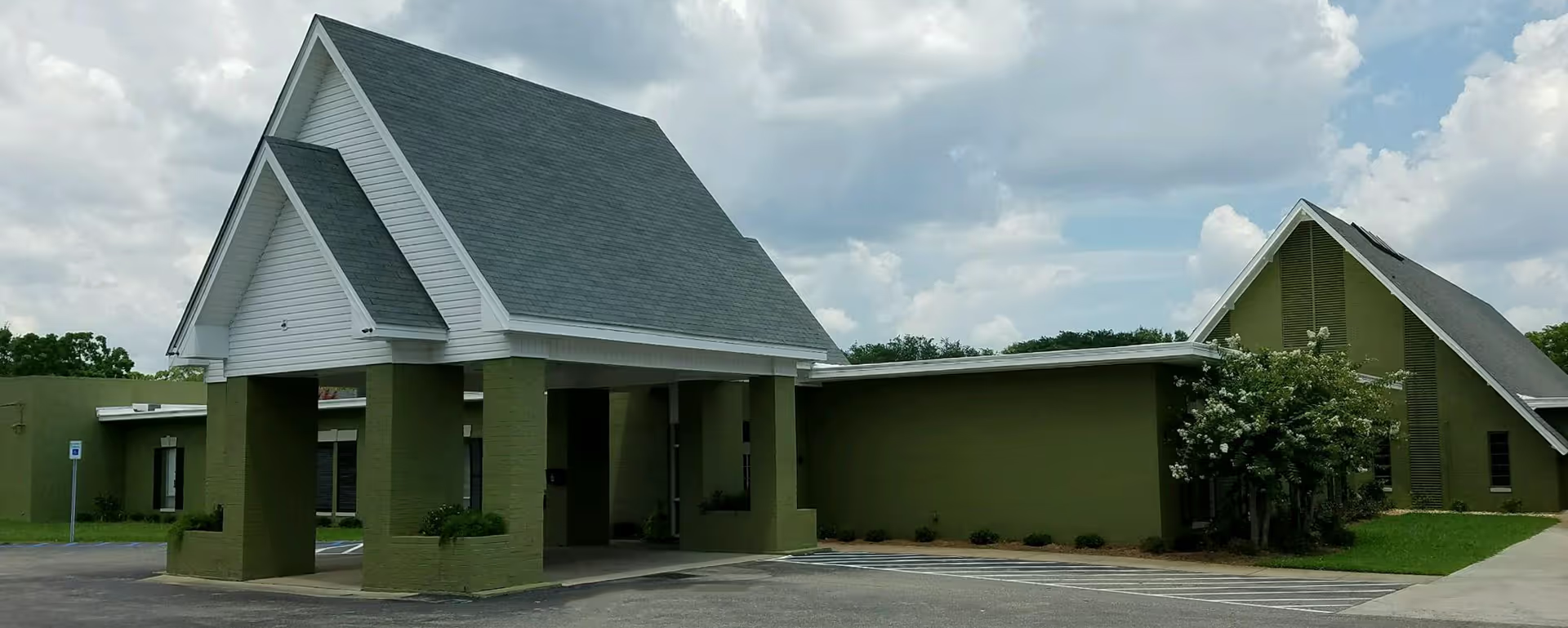
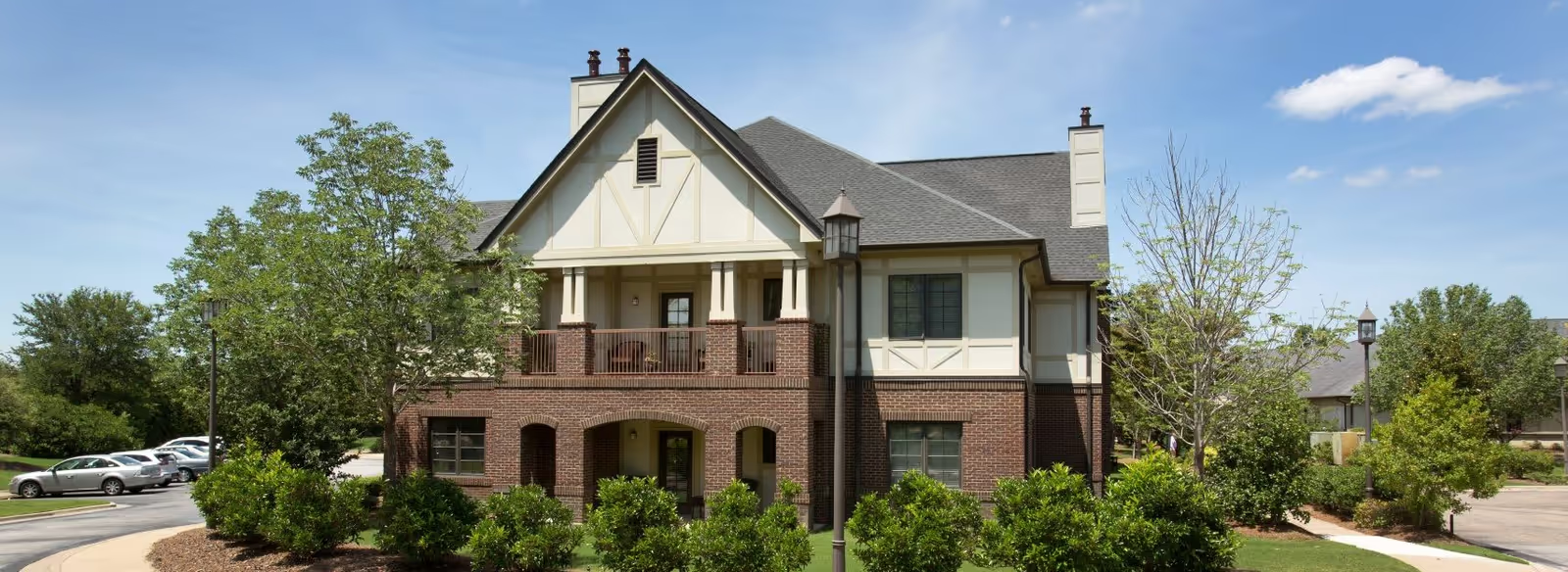
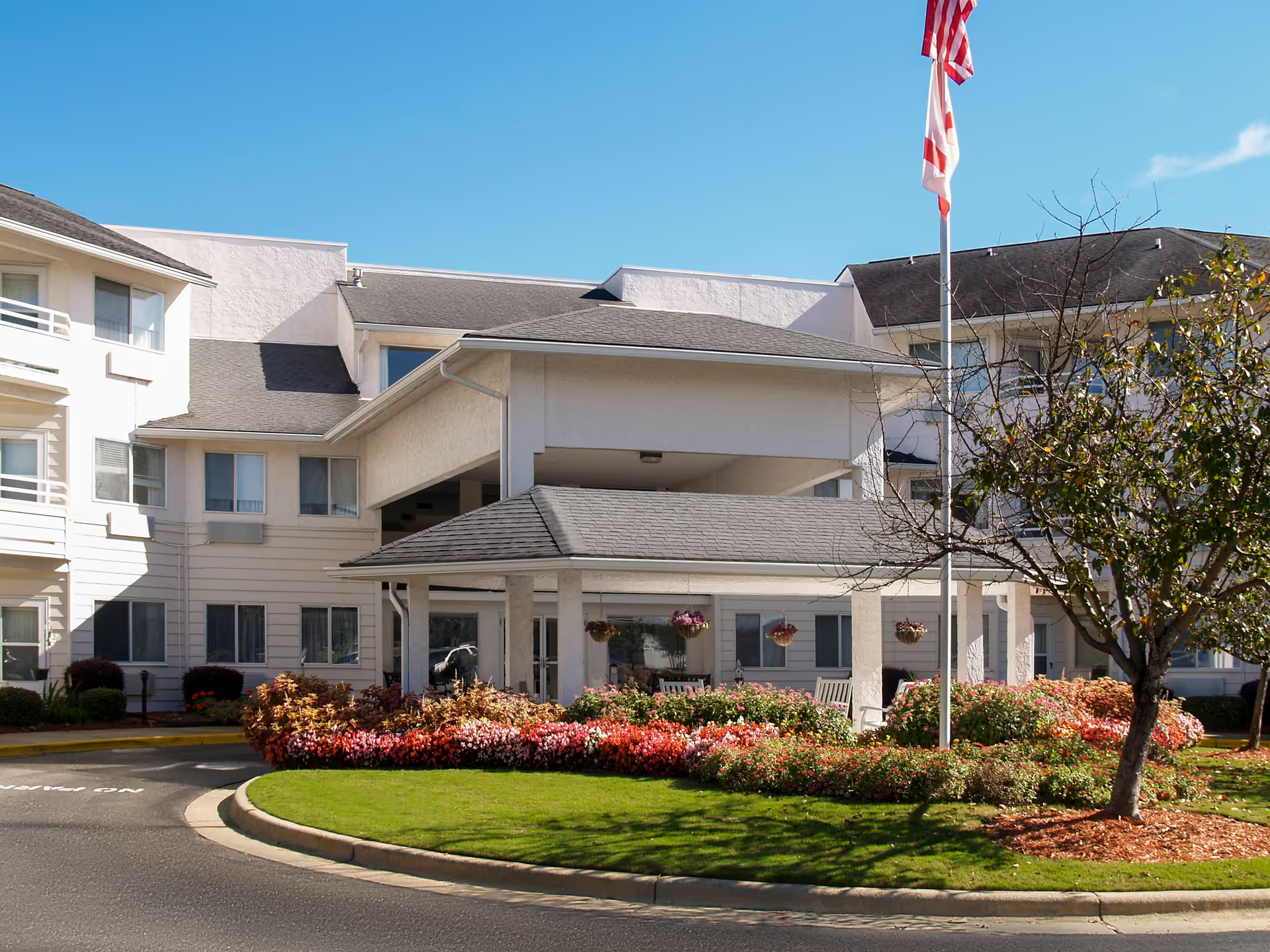
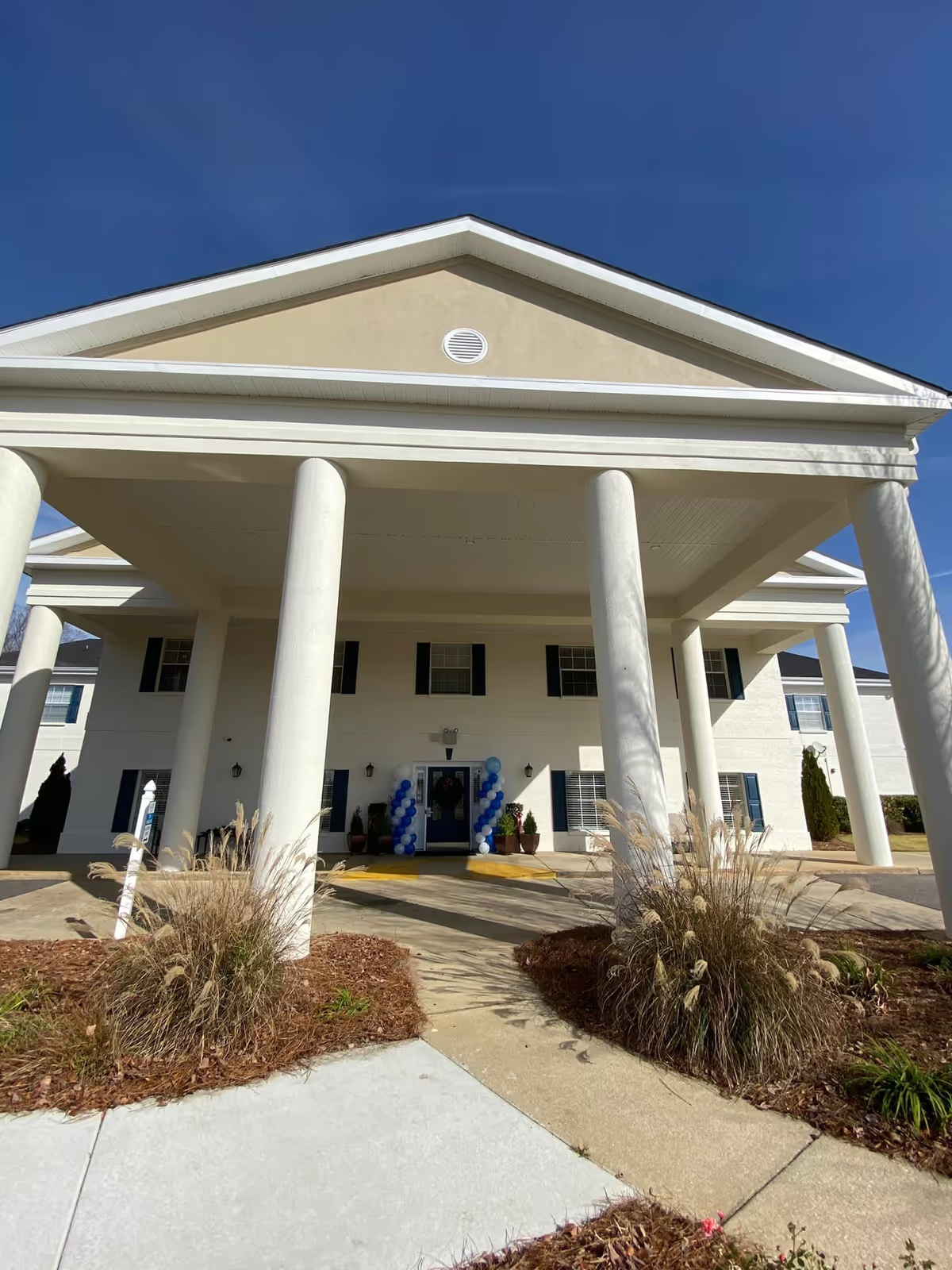
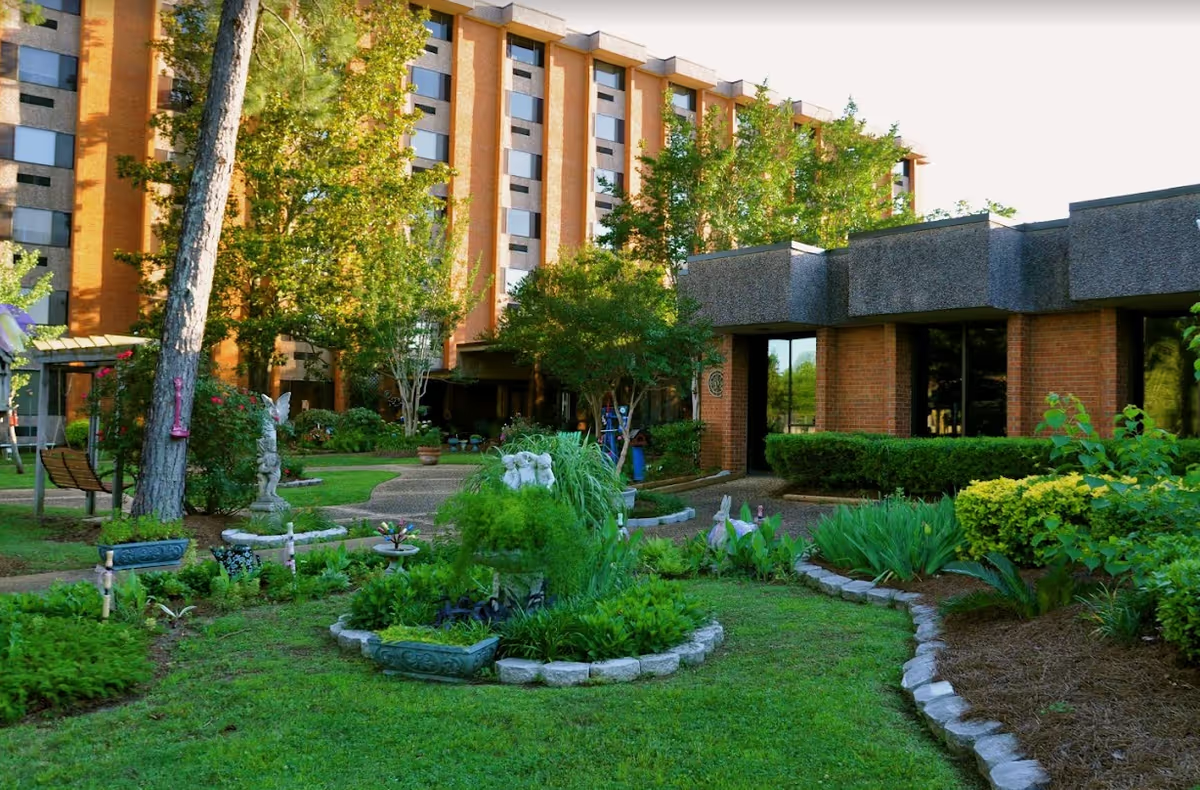
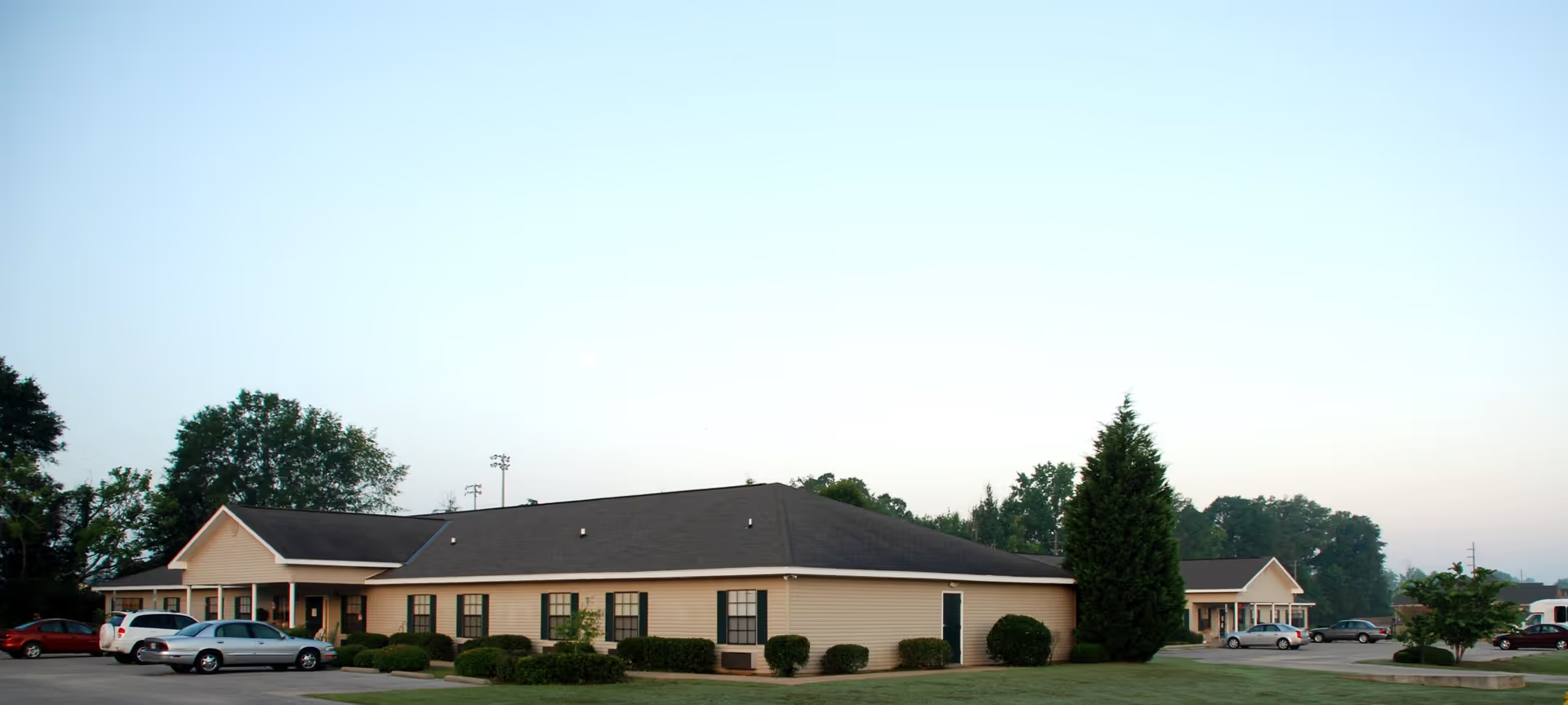
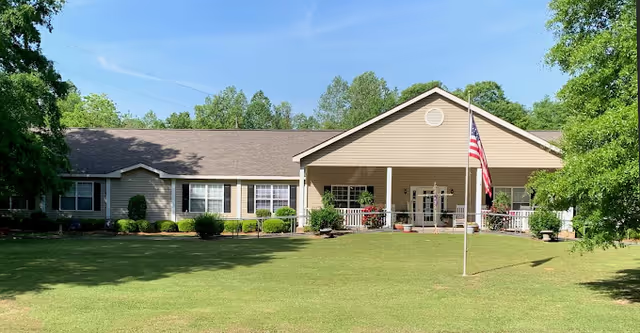
Facilities and environment: Several reviewers praise clean, well-maintained common areas and private rehab rooms; others describe specific maintenance problems such as peeling paint, broken fixtures, inadequate room furnishings, and low room temperatures. Sanitation and linen-handling issues are recurring operational themes; these have direct implications for resident comfort and dignity. Pest-control concerns appear in relation to both resident rooms and dining.
Management and communication: Administration is frequently named as a strength by families who experienced positive outcomes and clear communication, with some leaders and departments singled out for praise. Yet other reviewers cite weak management oversight, unanswered phone calls, poor responsiveness to family concerns, and inadequate communication during infection-control events. These divergent accounts point to variability in managerial follow-through and unit-level supervision.
Notable patterns and guidance for families: The overall pattern is one of significant variability — excellent care and strong rehabilitation for some residents coexists with operational lapses that have safety and dignity implications for others. Prospective families should plan an in-person visit, observe staff interaction and call-light responsiveness, review recent state inspection results, ask about staffing ratios and night coverage, inquire about infection-control and pest-management procedures, and verify procedures for medication administration and incident reporting. Speaking directly with the therapy team, nursing leadership, and activity staff during a tour can help assess whether the facility’s strengths align with an individual resident’s needs.