Overall impression: Reviews describe a facility with a clear strength in rehabilitative care but notable operational and communication weaknesses. Therapy services — including physical therapy, occupational therapy, and speech therapy — receive consistent positive mentions for professionalism and effectiveness, and some residents achieved measurable gains in independence. Admissions and tour experiences are often described as friendly, and parts of the physical plant are well maintained.
Care quality and clinical oversight: Clinical rehabilitation appears to be a strong point, with families and residents citing skilled therapists and good short-term outcomes. Outside of structured therapy, however, there are recurring concerns about inconsistent nursing coverage and oversight. Reviewers describe delays in responding to calls, irregular checks on higher-dependency residents, and instances where families say they were not notified promptly about clinical changes or eating/weight issues. Several comments indicate readmission to hospital after a rehab episode, suggesting opportunities for improvement in transitional care planning and discharge coordination.
Staff and communication: Feedback about staff is mixed. Individual staff members and some nurses are praised for helpfulness and effective care, but there are repeated notes about inconsistent conduct, occasional negative attitudes, and slow responsiveness during certain shifts. Communication gaps include poor callback practices and limited notification to families about health events; such gaps have led some families to consider external advocacy or regulatory escalation. Management responsiveness is also flagged as inconsistent, with some families describing difficulty getting sustained action when they raise concerns.
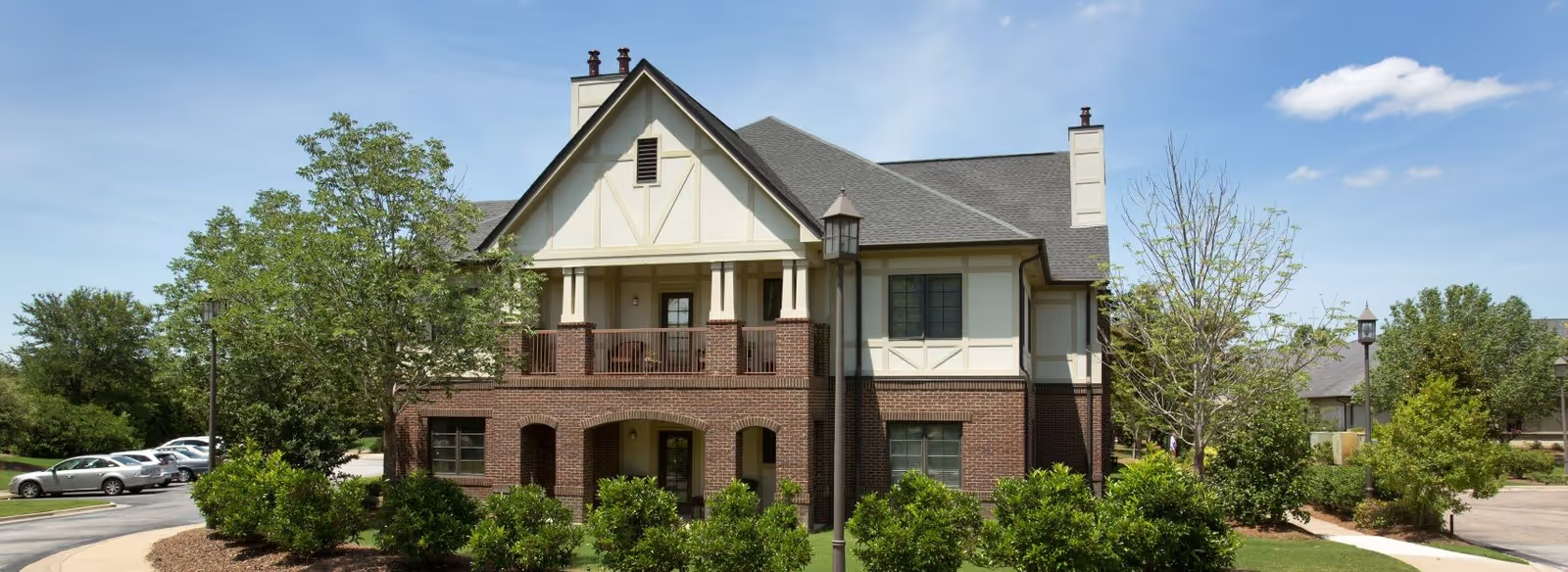
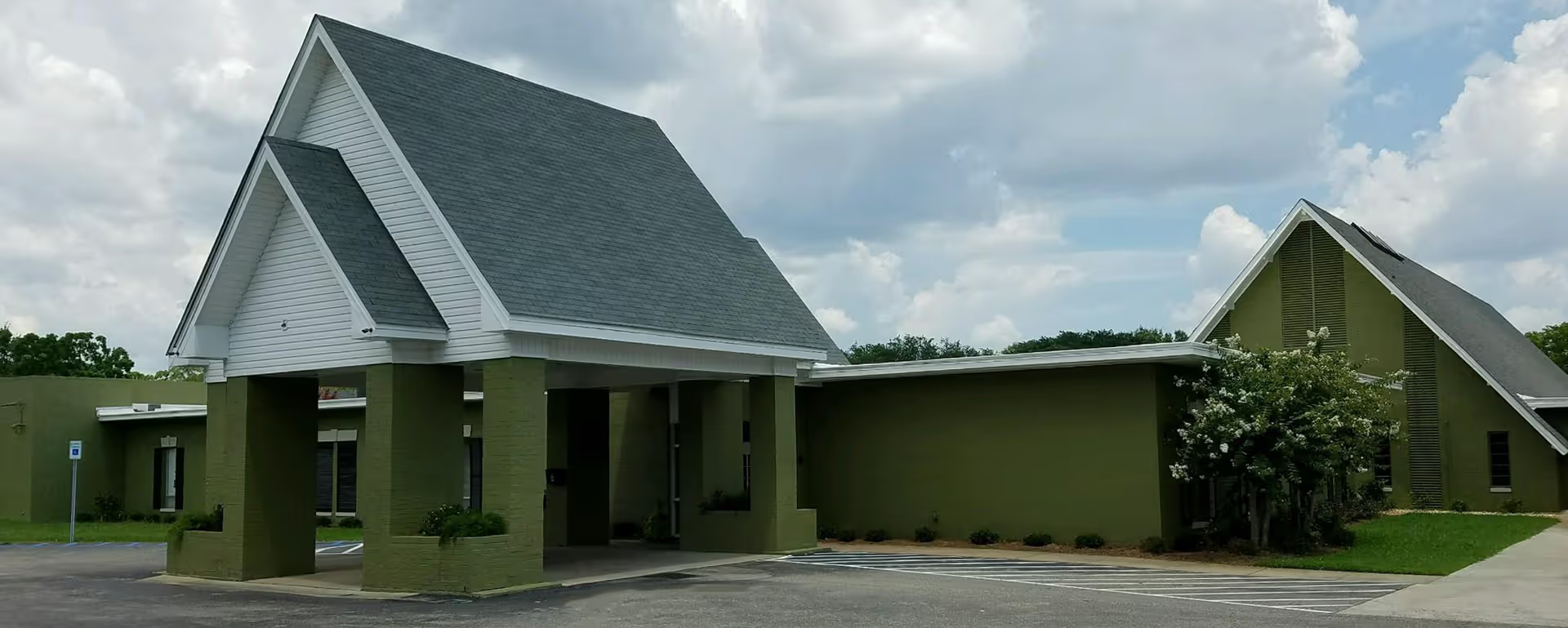
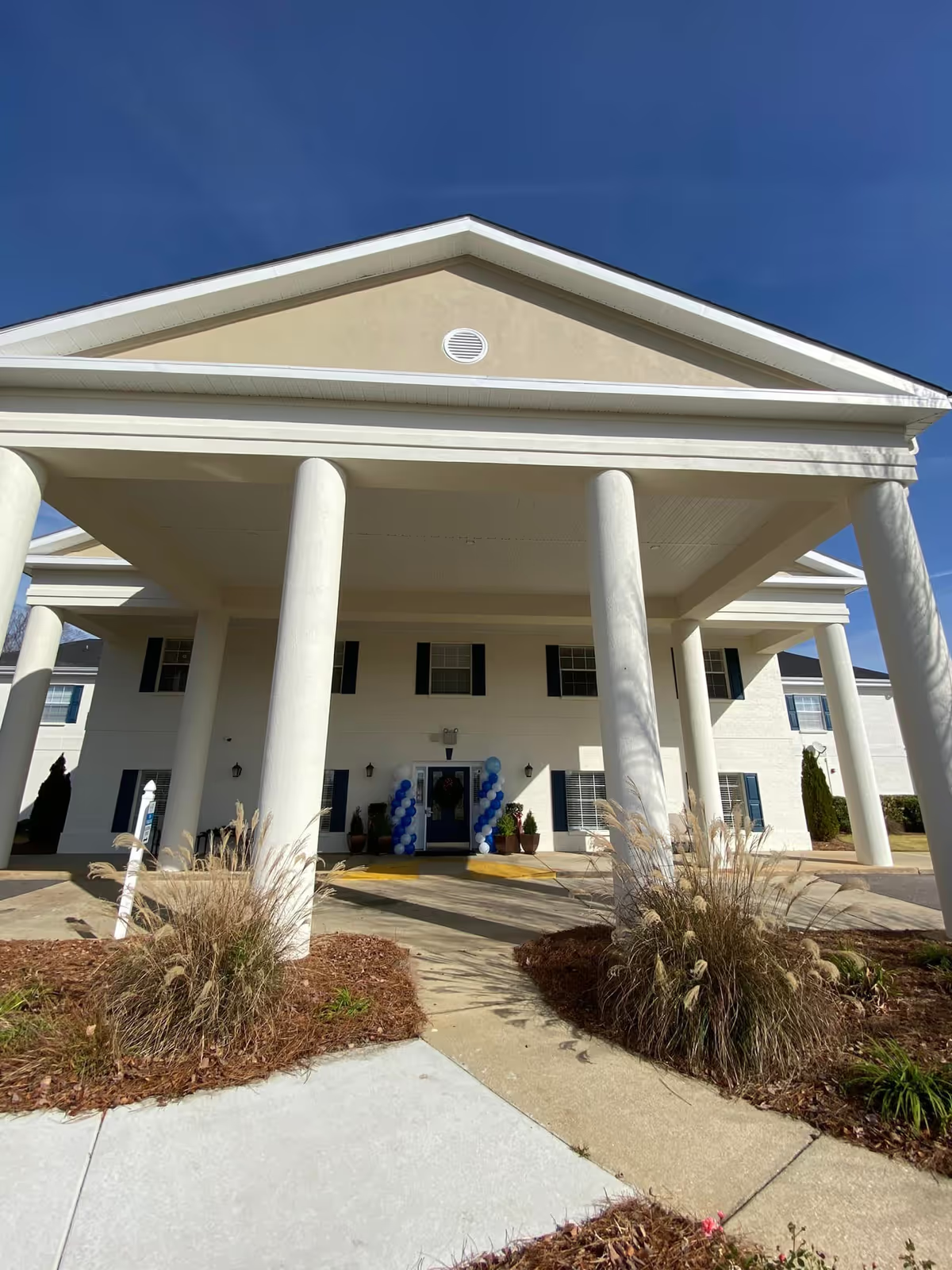
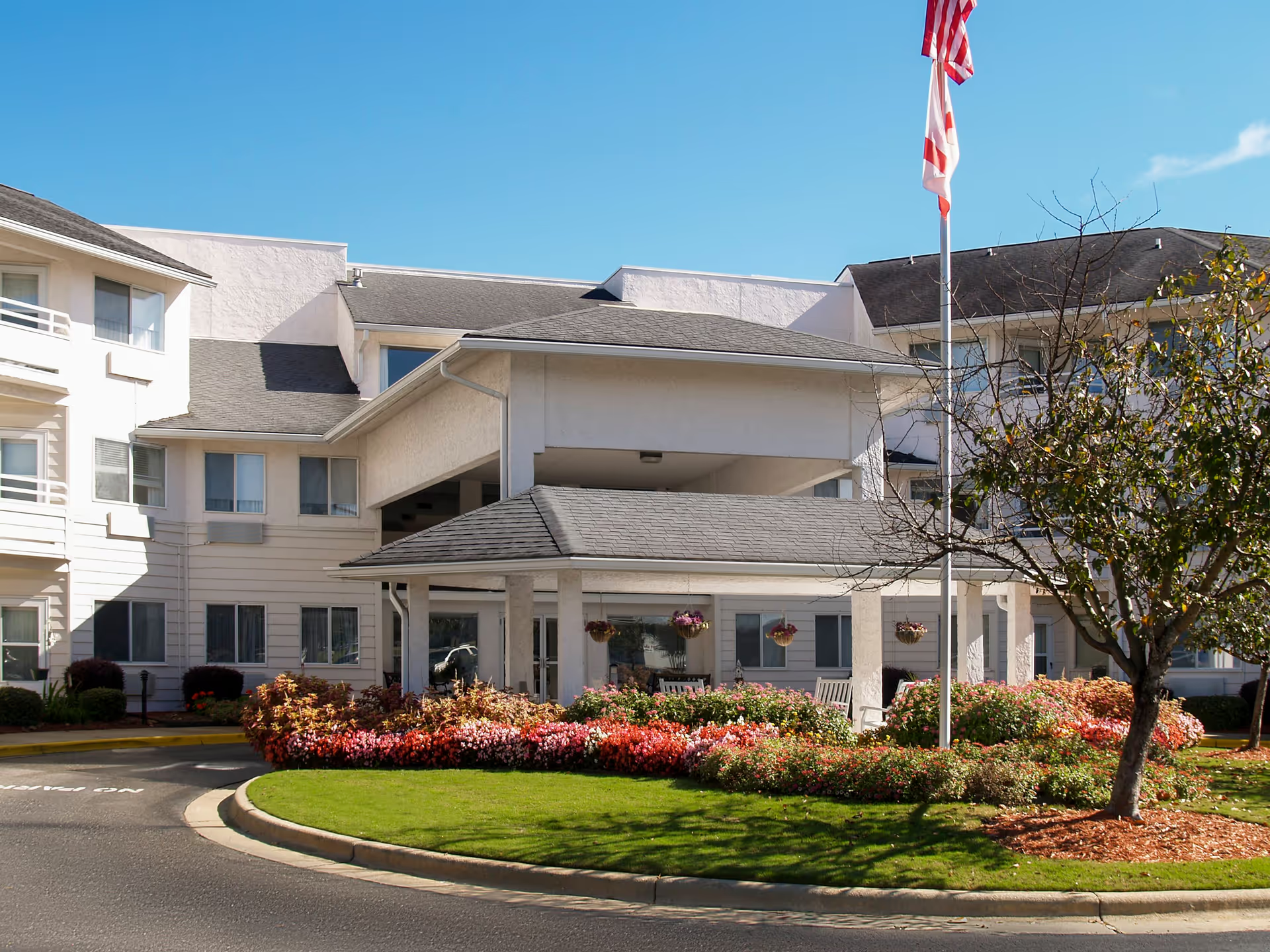
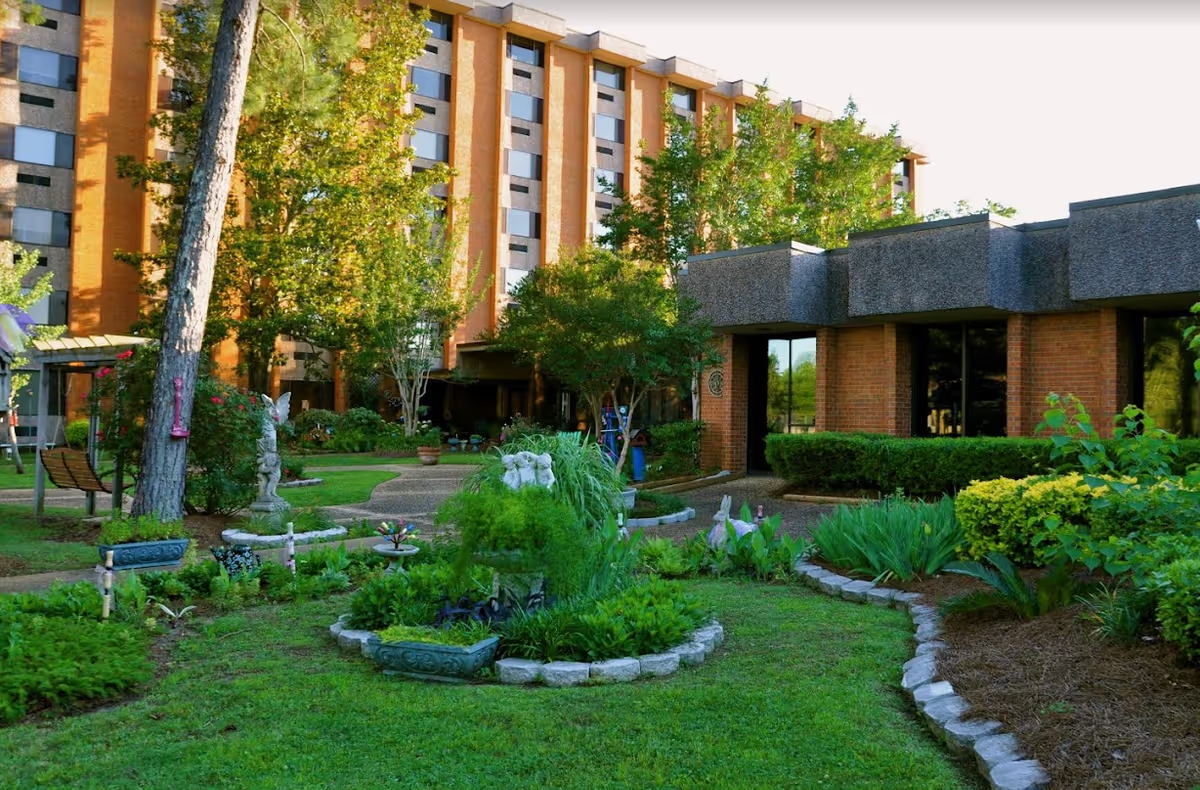
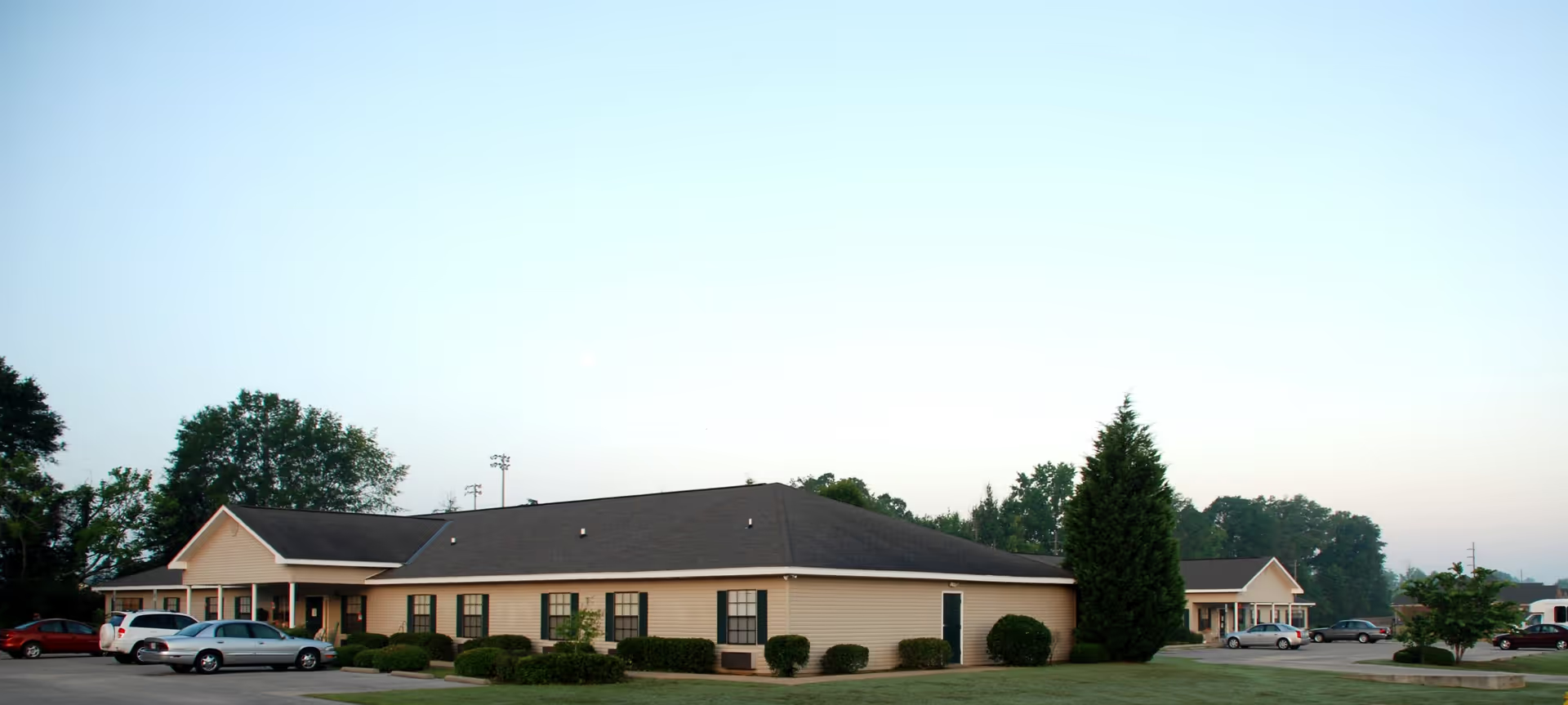
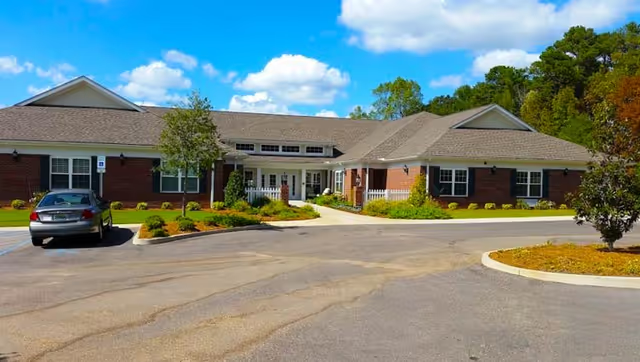
Facilities, cleanliness and safety: The facility is described as generally well maintained in some areas, yet reviewers also note odor and sanitation concerns in particular spaces and temperature-control problems (rooms being uncomfortably warm when air-conditioning is off). There are comments about inadequate foot-care practices and at least one mention of fungal issues, indicating a need for more consistent personal-care protocols. Allegations of theft by staff appear in the feedback; this is a serious claim that families have raised and that warrants administrative investigation.
Dining, activities and daily living: There is limited specific commentary on dining quality or organized activities in the available summaries. What is noted centers on daily-care processes — monitoring of intake, assistance with mobility, and the routine checks residents receive — areas where reviewers identified inconsistencies. Therapy schedules and individualized rehab plans are cited positively where present, contributing to functional gains for some residents.
Management and patterns to monitor: Persistent themes are understaffing (especially evenings), delayed responsiveness to resident needs, inconsistent family communication, and variable management follow-through on complaints. These operational patterns appear to drive much of the negative sentiment even when therapy services are strong. Positive reports about individual staff members and successful rehabilitation outcomes indicate that care quality can be high; however, the variability across shifts and the seriousness of allegations such as theft make it advisable for prospective residents and families to seek recent inspection reports, ask about staffing ratios by shift, clarify communication and escalation procedures, and tour care units during different times of day before making placement decisions.