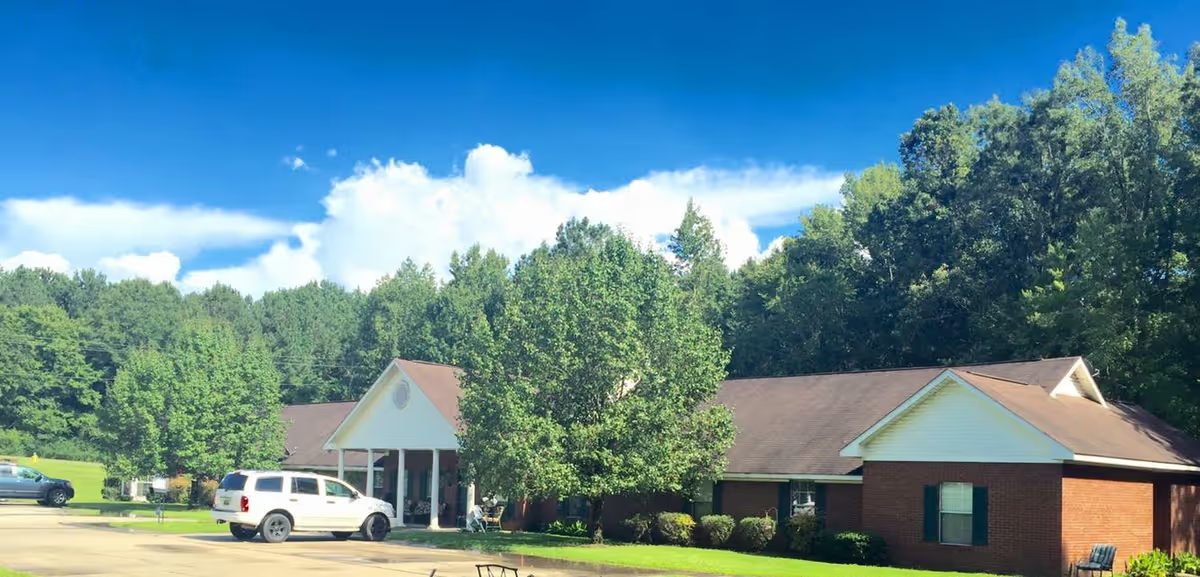
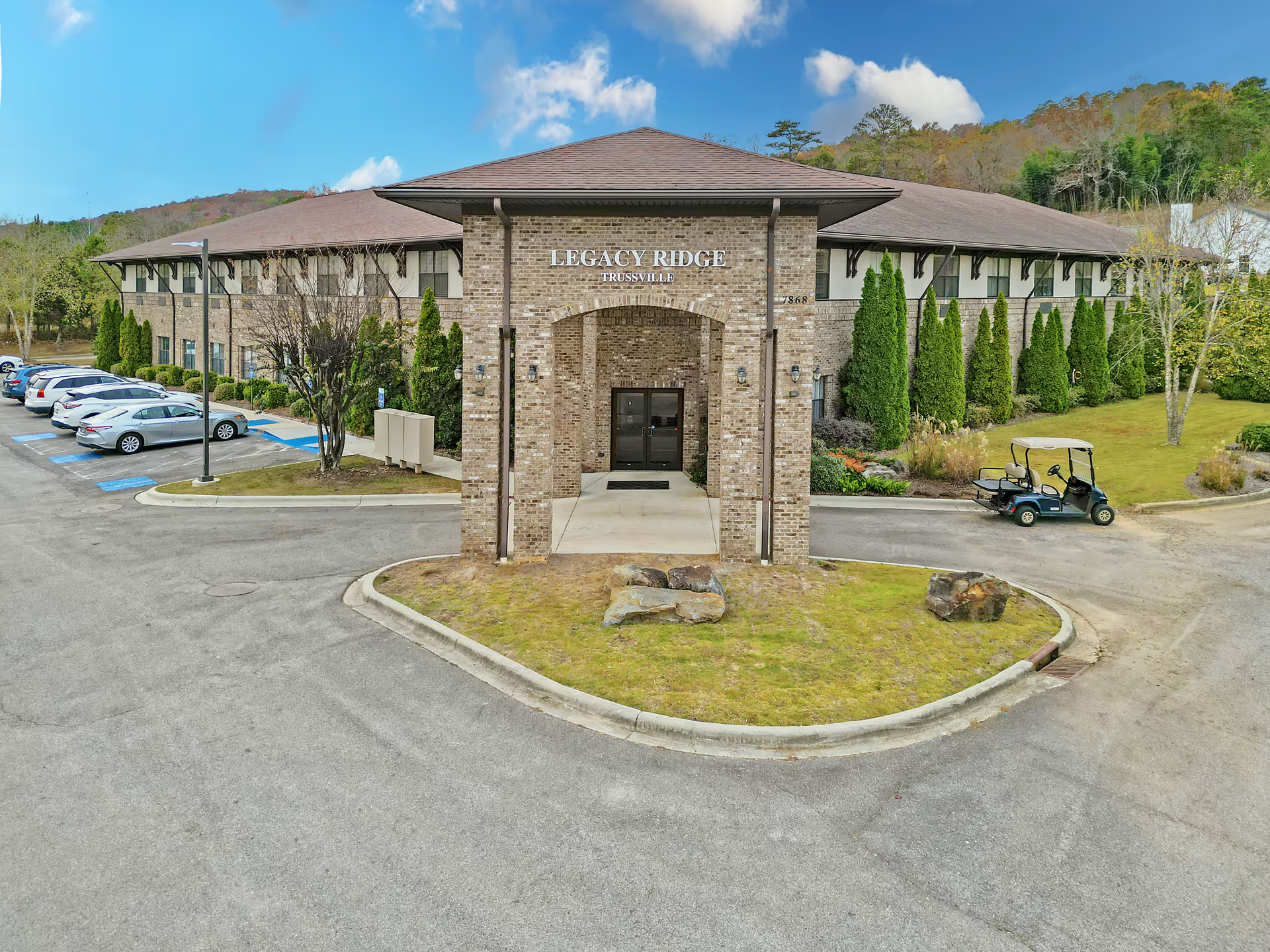
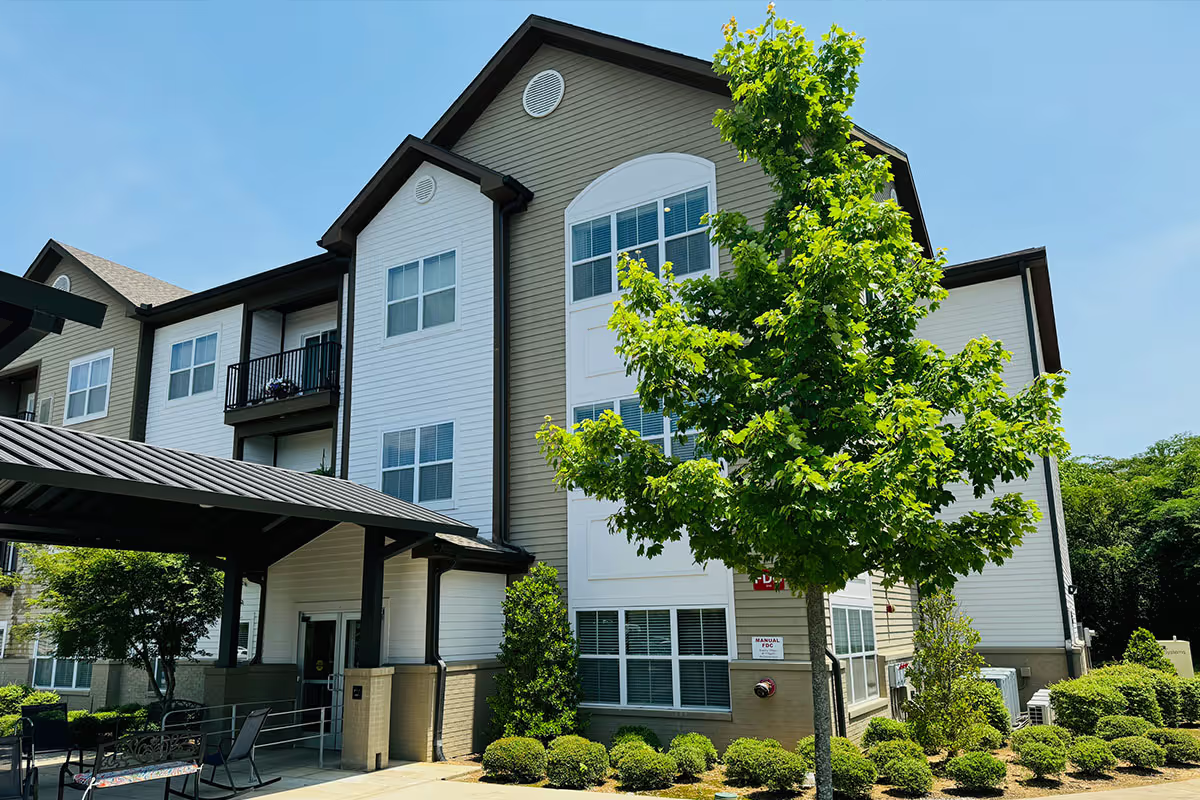
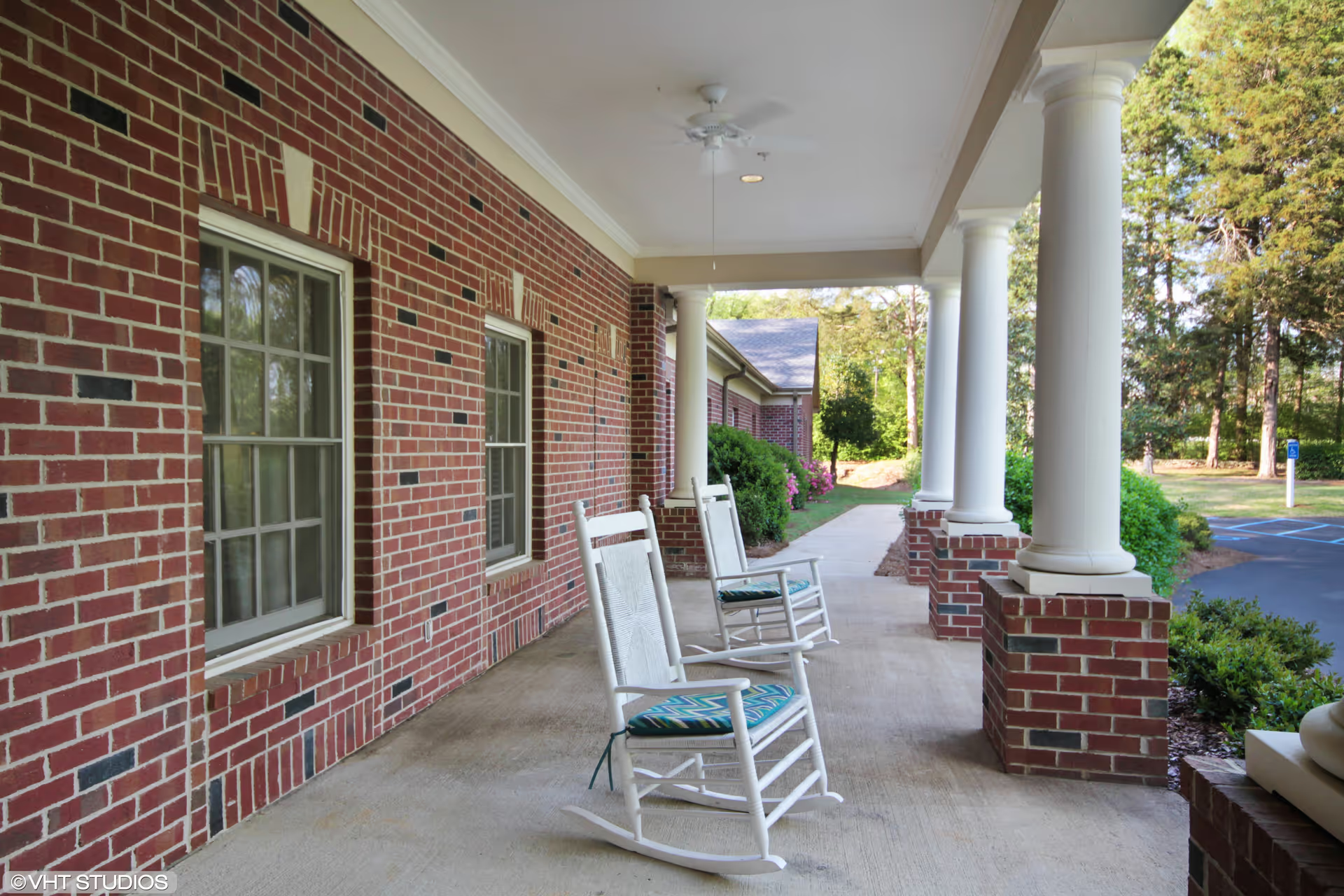
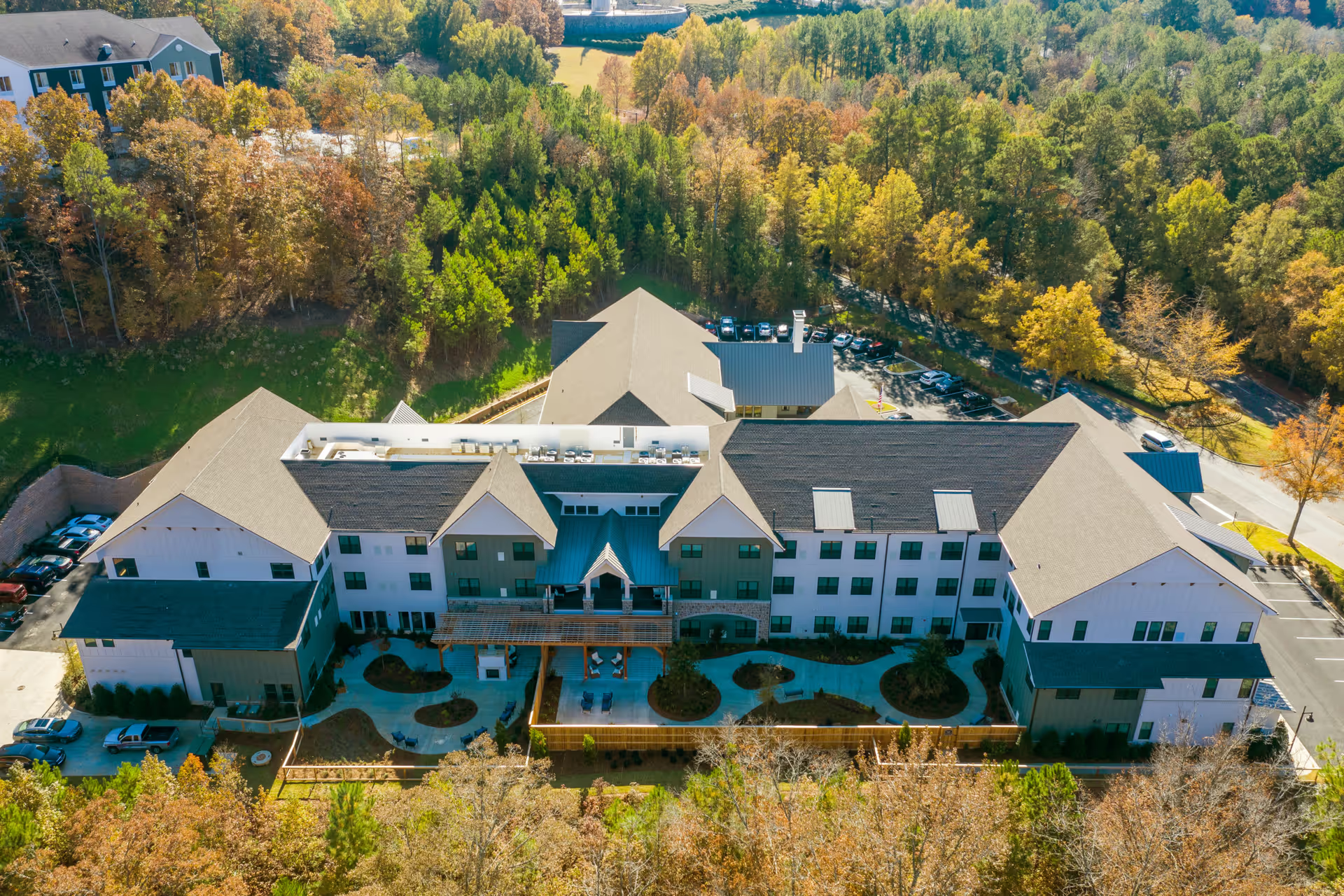
Village at Cook Springs presents a mixed but discernible profile. Many families and residents praise the staff for being compassionate, attentive, and personally engaged; multiple accounts highlight caregivers and nursing staff who know residents by name, provide personalized transition support (especially in memory care), and communicate health changes to families. The campus is frequently described as attractive and homey, with a pond, courtyard, walking paths, a red barn and farm animals that contribute to a country-style atmosphere. Private rooms with en-suite bathrooms, on-site amenities (salon, library, laundry, maintenance), and accessible transportation for shopping and outings are commonly noted advantages.
Clinical and care-quality observations are more variable. Several reviewers point to strong on-site clinical resources — nurses, physicians, lab and X‑ray availability — and examples of improved health after admission. At the same time, there are recurrent operational concerns that families should weigh: inconsistent staffing levels (including higher turnover and differences between weekday and weekend coverage), gaps in medication administration and treatment oversight, and instances of delayed attention to resident needs. These pattern-level issues suggest the facility can deliver good clinical care when staffing and oversight are consistent, but performance may vary by unit and shift.
Dining and activities are generally strengths, with many residents enjoying generous, well-seasoned meals and a varied activities calendar (bingo, cards, crafts, cooking classes, exercise, excursions, movies, and chapel services). Nonetheless, some families describe bland or inconsistent meal quality and occasions when activities were limited (for example, during infection-control periods). Memory-care programming receives positive remarks for individualized transition support and engagement, though questions about formal dementia-care certification and staff training consistency are raised.
Facility condition and cleanliness commentary is mixed. Numerous reviewers describe clean, updated rooms and pleasant grounds; others raise sanitation concerns and variability in housekeeping across units. Reviewers also contrast the assisted-living side (often described more favorably) with the long-term care/rehab side, where some families perceived lower standards and slower responsiveness. Safety supervision issues — including falls and delayed assistance — are noted frequently enough to be a clear area to evaluate during a tour.
Management and communication show both strengths and weaknesses. Several families praise accessible administration and hands-on directors who facilitate transitions and address billing or Medicaid navigation. Conversely, other accounts describe inconsistent communication, slow callbacks, and broader recordkeeping and regulatory-control concerns; a few serious allegations were raised by families, which merit direct inquiry with facility leadership and review of regulatory history. Cost and affordability also appear variable depending on payer source and level of care; Medicaid navigation assistance is available but billing clarity should be confirmed.
Overall, Village at Cook Springs offers many of the amenities and social opportunities prospective residents seek — a pleasant campus, active programming, and a base of caring staff — but also exhibits meaningful operational variability. Prospective residents and families should schedule multiple visits (including evenings and weekends), review staffing and clinical protocols, ask about dementia-care credentials and medication-safety procedures, and verify housekeeping and incident-reporting practices before making a placement decision.