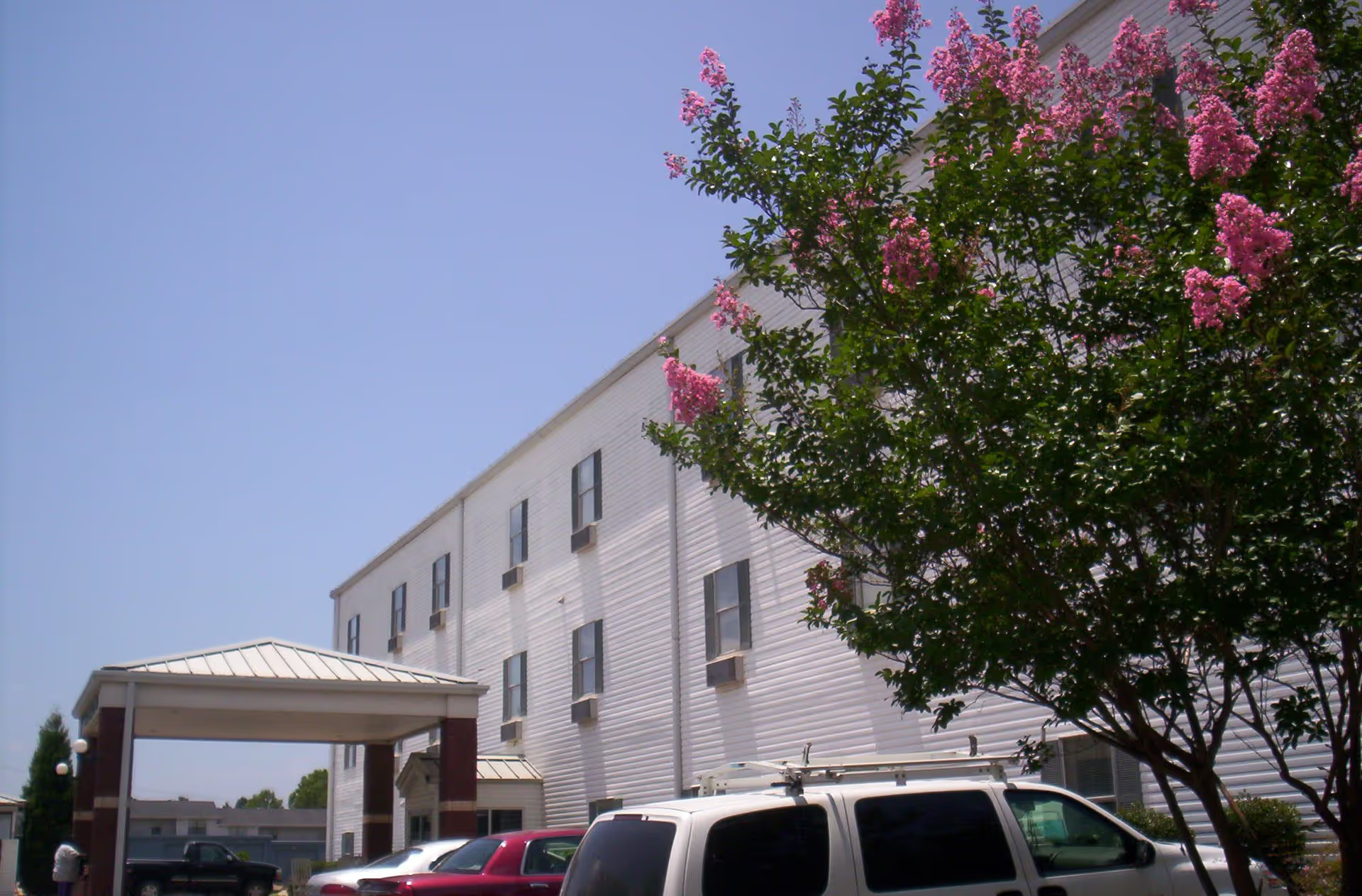
Legacy Health and Rehabilitation of Pleasant Grove presents a mixed profile across reviewer feedback. Strengths commonly cited include a caring bedside presence from many nursing and caregiving staff, a well-regarded therapy department (physical and occupational therapy), and an orientation toward rehabilitation and discharge planning. Several families highlighted clear explanations of care plans, coordinated discharge activities, positive interactions with activity staff, and meaningful end-of-life or spiritual support. Facility appearance, housekeeping, and the availability of three hot meals were also positively described by multiple reviewers.
Conversely, a number of operational patterns raised concerns. Medication administration and documentation practices were described as inconsistent, with delays, missing entries, and difficulties locating prescriptions on medication carts. Personal-care scheduling was uneven for some residents, with reports of irregular bathing frequency and inadequate hydration or basic-care follow-through. Transport coordination and appointment management were also cited as unreliable, producing missed or rescheduled specialist visits for some residents. Reviewers described variability in staff professionalism and conduct, particularly during evening and night shifts, and noted staffing and supervision gaps on nights and weekends that affected responsiveness and safety.
Several reviewers expressed concerns about management-level processes: slow or unreturned communications, telephone responsiveness problems, lack of receipts or clear billing documentation, and instances of missing personal property. There were also recurring references to fall-related events and insufficient transfer-safety practices, prompting hospital transfers in some cases. Meal quality and temperature were inconsistent across accounts—while some praised the dietary team, others described cold or weak-tasting food. These operational issues were frequently tied to perceived gaps in clinical monitoring and timely escalation when a resident’s condition changed.
For prospective residents and families, the patterns suggest targeted areas to assess during a tour and intake: ask about medication-administration protocols and auditing; inquire about bathing and hydration schedules; verify transport and appointment coordination procedures; meet the evening/night shift leaders; request documentation and receipts for payments; and ask about property safeguards and fall-prevention programs. The facility shows clear strengths in rehabilitation services and several examples of compassionate, family-focused care, but families should seek specific, documented assurances about medication controls, staffing coverage, communication commitments, and safety processes before placement.