Reviews for Prattville Health and Rehabilitation describe a facility with significant variability in performance: several areas are frequently praised while others show recurring operational shortcomings. Rehabilitation services — including physical, occupational, and speech therapy — are a clear strength for many residents, with staff frequently credited for helping patients regain mobility and return home. Families also highlight compassionate CNAs, select nurses, and a dementia-care unit that some describe as high quality. Admissions and finance staff receive commendations for assistance with insurance and placement logistics, and community faith visits and family-friendly visitation practices are noted as positive elements.
At the same time, workforce and clinical-consistency issues are a dominant theme. Many accounts describe chronic understaffing that leaves CNAs and licensed staff managing large caseloads, contributing to delays in assistance, extended response times to call lights, and inconsistent bathing and incontinence-care schedules. Night and weekend nursing coverage is reported as inconsistent, and reviewers raised repeated concerns about gaps in medication administration and clinical oversight (missed or delayed doses, inconsistent injection administration, and documentation problems). These operational weaknesses have contributed to family anxiety about timely clinical intervention and continuity of care.
Communication and administrative processes present another mixed picture. While particular admissions, finance, and therapy staff are praised for responsiveness and individualized planning, other reviewers report poor phone responsiveness, difficulty obtaining charts or discharge instructions, inconsistent written care plans, and problems with room assignments. Financial and billing issues — including at least one account of billing after a resident’s death and other contested charges — appear in the feedback; there are even allegations of theft and related misconduct raised by families. Several reviewers advised obtaining written confirmation of arrangements and tracking insurance and personal funds closely.
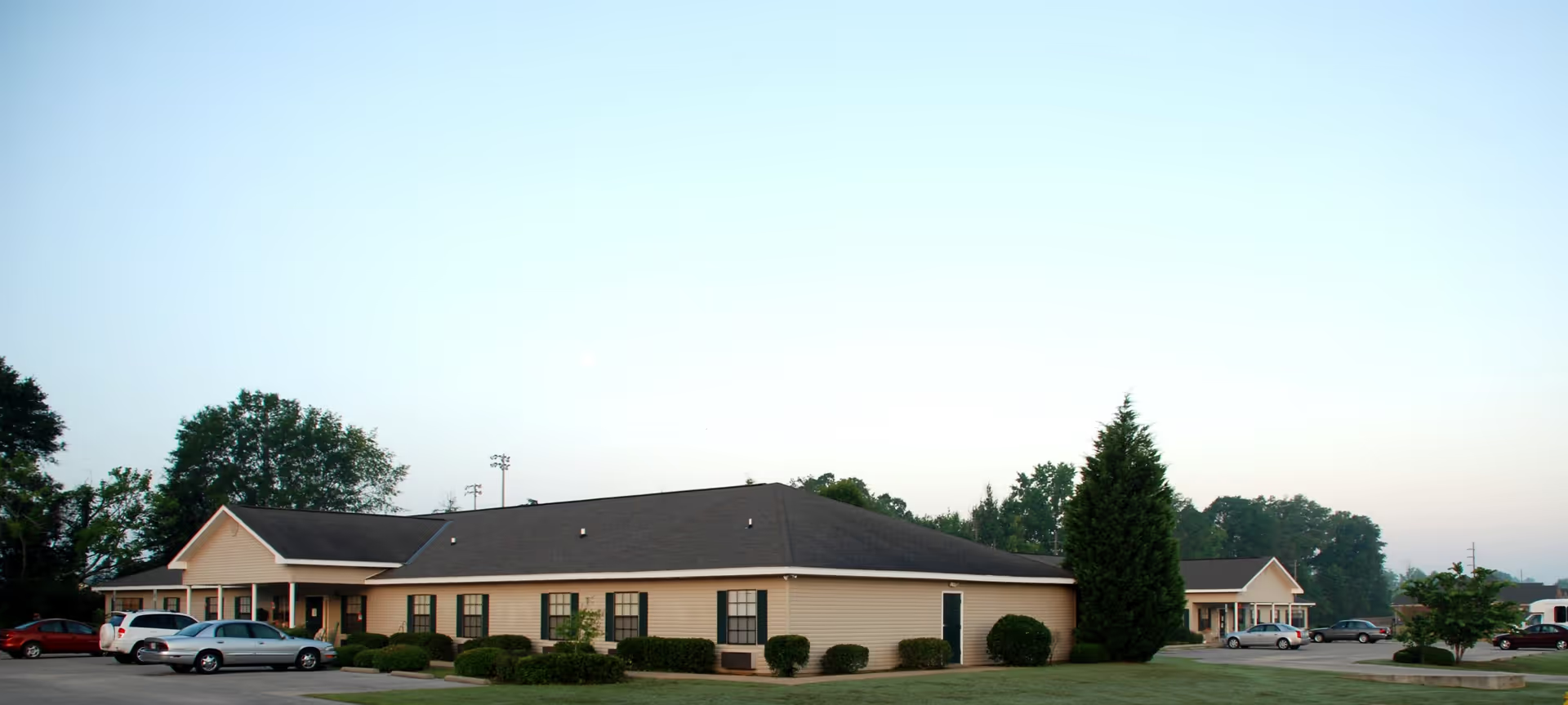
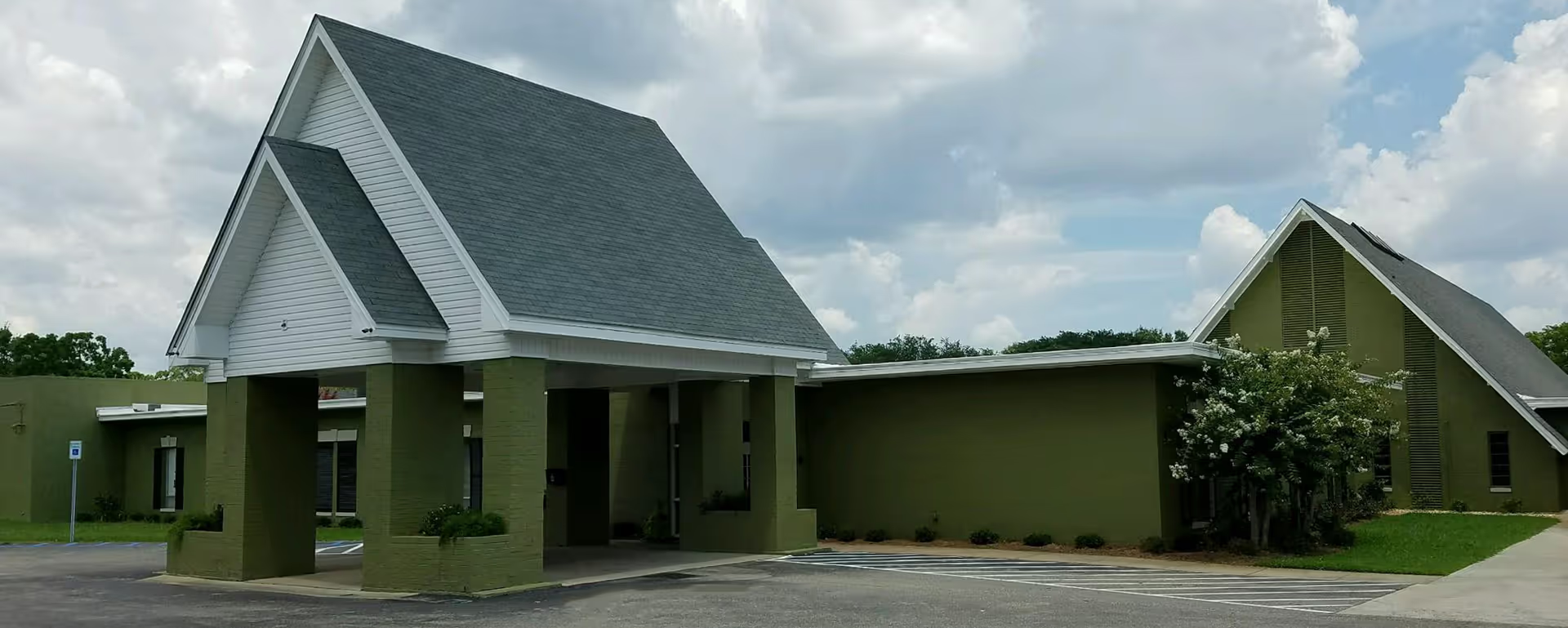
Facility-related feedback ranges from praise for a new rehabilitation wing with private rooms and showers to concerns about general maintenance and sanitation in some units. Comments include odor concerns and inconsistencies in cleanliness or laundry practices. Activity programming receives both positive and negative remarks: restorative therapy and social programs are viewed as beneficial by many, while others report minimal activity engagement on certain units or shifts. Dining impressions vary from adequate to unsatisfactory, with isolated accounts of small portions or cold meals but other reviewers noting pleasant dietary staff and acceptable food.
Management and leadership are described as inconsistent. Some families encountered engaged, problem-solving administrators and care managers who improved communication and care when involved; others experienced unresponsive or dismissive administrative interactions. Because of the polarized experiences, prospective residents and families should plan a detailed, in-person assessment: observe staffing levels at different times of day, ask for written care-plan and medication-administration protocols, verify weekend and night nursing coverage, review billing and payment procedures, and confirm security measures. The pattern in the reviews suggests the facility can provide strong rehabilitation and supportive care under optimal staffing and management, but persistent operational gaps in staffing, medication oversight, communication, and facility maintenance warrant close inquiry before placement.