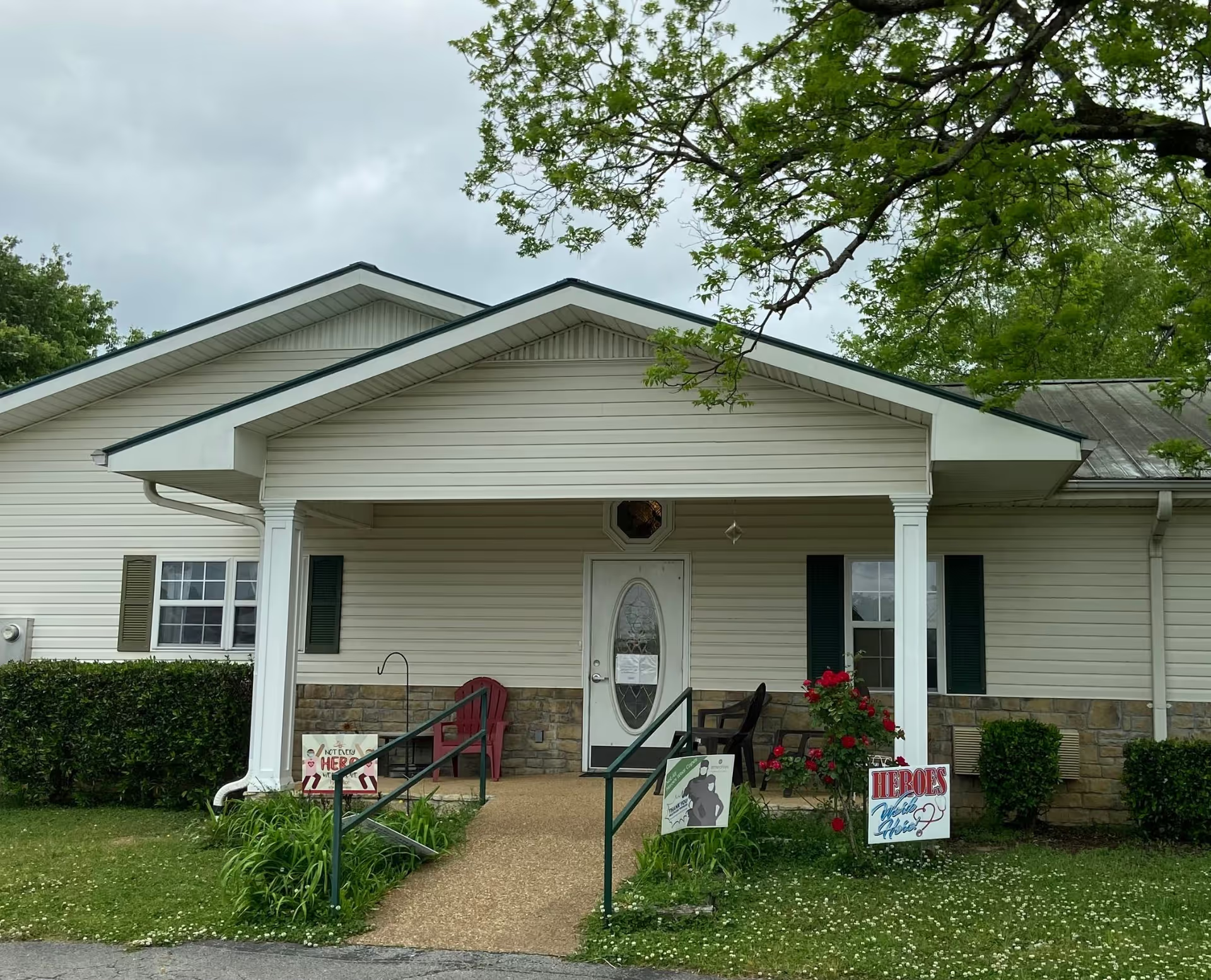
Overall impression: The facility generates consistently strong praise for day-to-day caregiving, rehabilitation outcomes, cleanliness, and community programming, but is also associated with serious governance and administrative concerns. Many families and residents highlight empathetic, attentive staff and a rehabilitation program that achieves good functional outcomes; at the same time, there are allegations related to billing, regulatory compliance, and administrative processes that warrant careful inquiry by prospective residents and their families.
Care and staff: Review content emphasizes a workforce that is skilled, compassionate, and relationship-oriented. Nurses, CNAs, therapists, and support staff are repeatedly described as attentive, personable, and willing to go beyond routine duties. Rehabilitation and physical therapy are frequently called out for positive outcomes and effective therapy. Long-term care, including dementia support for some residents, is described as respectful and stabilizing by many families. That said, some feedback points to variability in responsiveness and care continuity across shifts, with specific concerns framed as delays in attending to residents or inconsistencies in certain aspects of personal care.
Dining and activities: Meal service receives generally favorable comments about portion size and taste, and several specific menu items and events were praised. At the same time, there are consistent suggestions for broader vegetable choices and more salad-dressing variety. Activities and community events (Fall Festival, trunk-or-treat and other programming) are strengths during daytime hours; reviewers also noted the evenings can be quieter with fewer after-dinner engagement options.
Facilities and operations: Physically the building is described as clean, cheerful, and well maintained despite an older structure. Housekeeping and maintenance staff earn repeated commendation. Contrasting accounts include sanitation and infection-control outcomes in certain situations, and at least one reference to COVID-related illness; these suggest variability in clinical-event outcomes rather than a uniform pattern of excellence. Transportation and logistical supports (drivers, admissions/check-in) are frequently described as reliable and efficient.
Management and governance: Leadership presence and hands-on administrative involvement are recurring positives; reviewers name administrators and describe visible engagement with staff and families. However, the review set also contains serious governance-related concerns: allegations of financial irregularities, billing issues, state agency and payer-level compliance matters (Medicare/Medicaid), and questions about Power-of-Attorney and guardianship processes. Administrative process weaknesses are reflected in isolated but meaningful operational problems such as payroll delays, billing confusion, and privacy/documentation lapses. These governance-level issues are distinct from the day-to-day caregiving strengths and are important considerations for family decision-making.
Notable patterns and recommendation: The dominant themes are a strong, caring frontline staff and effective rehab capability paired with administrative and compliance risks that merit direct vetting. Prospective residents and families should weigh the facility’s high marks for hands-on care, cleanliness, and programming against the governance concerns. Practical next steps when evaluating this facility include asking for current regulatory and inspection summaries, documentation of corrective actions (if any), clarification of billing practices, infection-control policies and outcomes, staffing levels by shift, and a sample activities schedule for evenings. These targeted questions can help separate the operational strengths from the administrative and compliance issues reflected in the reviews.