Reviews of Wetumpka Health and Rehabilitation present a mixed picture: many families and residents praise compassionate clinical caregivers and positive rehabilitation outcomes, while others describe operational shortcomings that have affected care consistency. The facility receives recurrent recognition for individual staff members and teams who provide attentive, knowledgeable care, along with specific praise for hospice and end-of-life support. Admissions and financial-assistance staff are also noted as helpful by several families, and the facility offers an active calendar of social programming and communal dining events that many residents enjoy.
Care quality appears variable and closely tied to staffing levels. Numerous accounts describe dedicated nurses and CNAs who provide attentive care, but several reviewers also cite workload strain and staffing shortages that result in delayed responses to assistance requests, reduced therapy time, and uneven staff conduct. There are documented concerns about medication-management processes and communication when medication changes occur, as well as instances where families experienced delays or lack of notification about clinical changes. While some residents show measurable improvement with therapy, others report inconsistencies in therapy frequency and effectiveness.
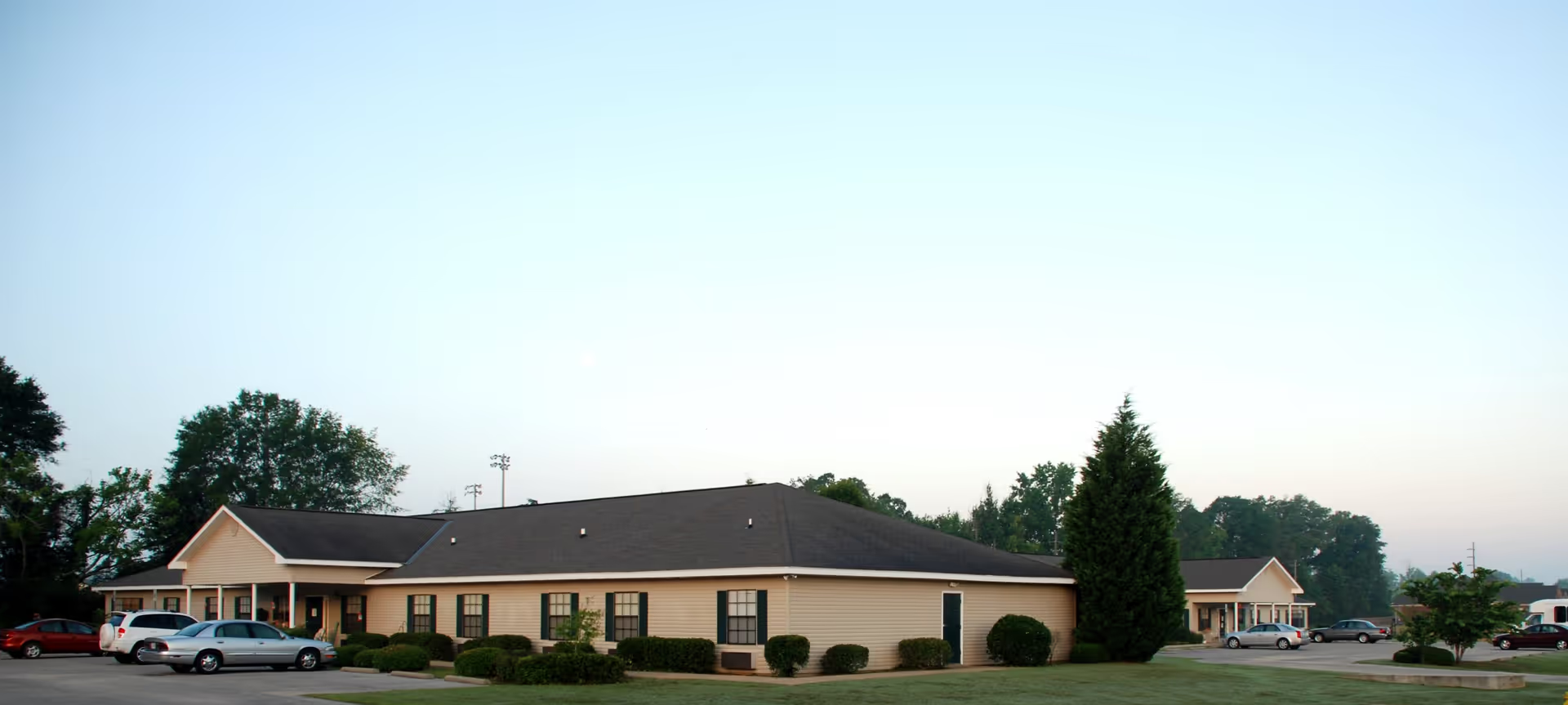
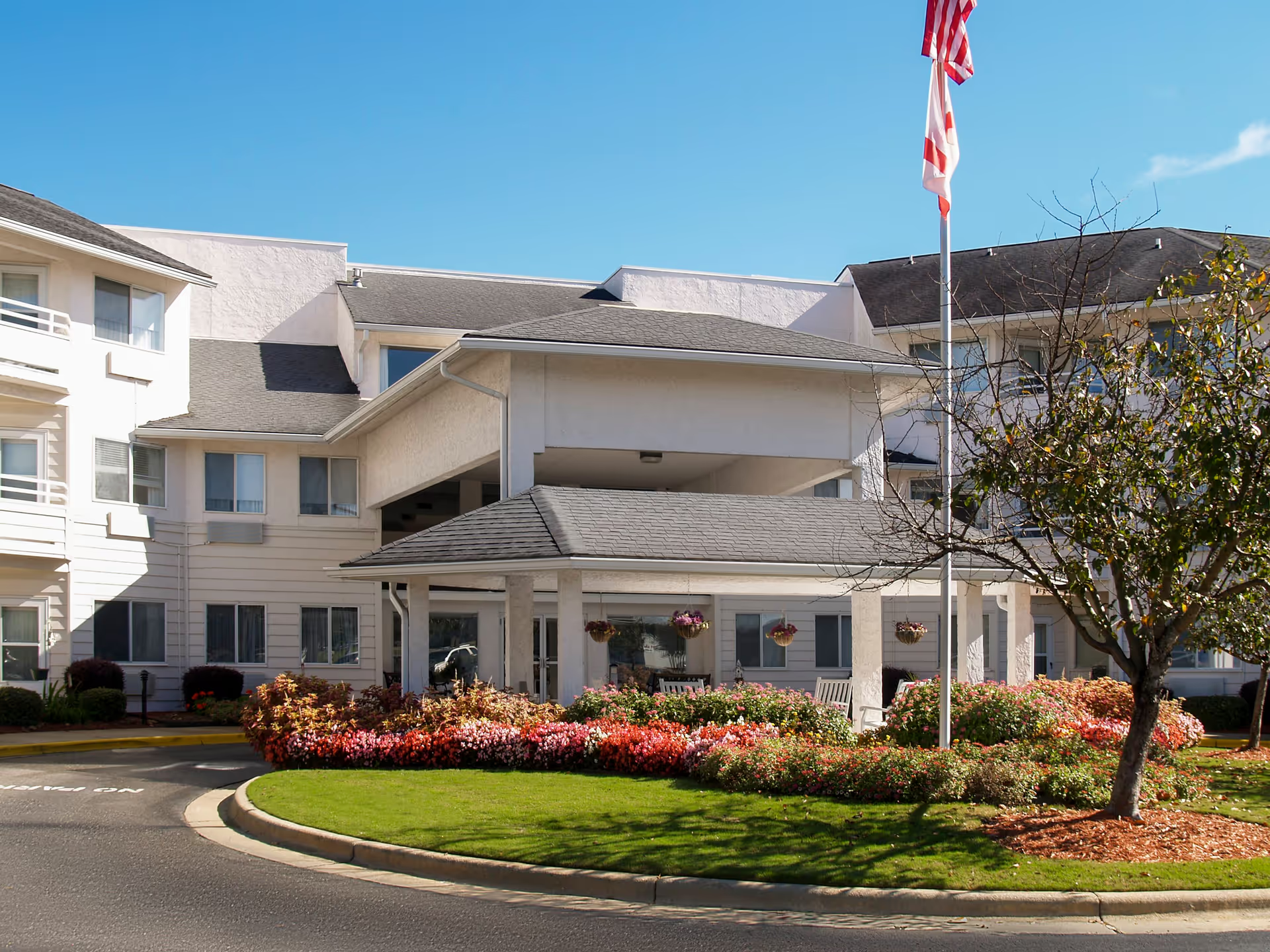
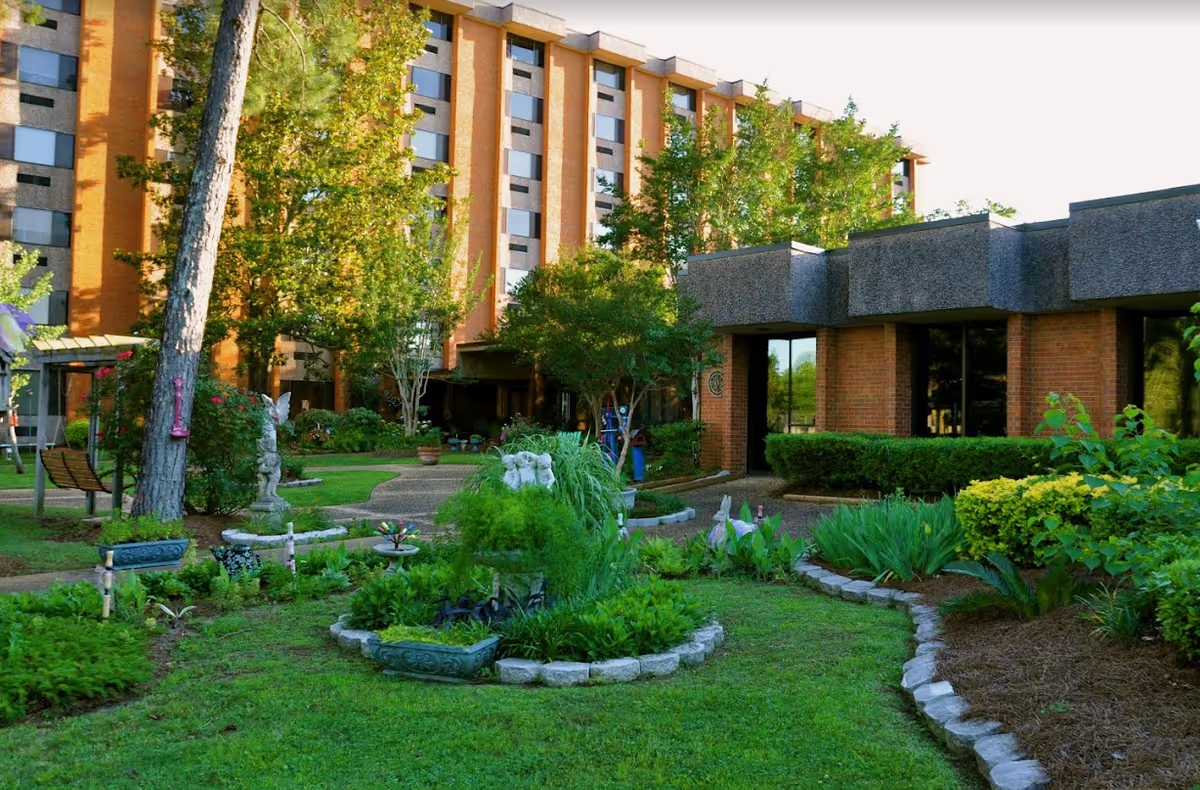
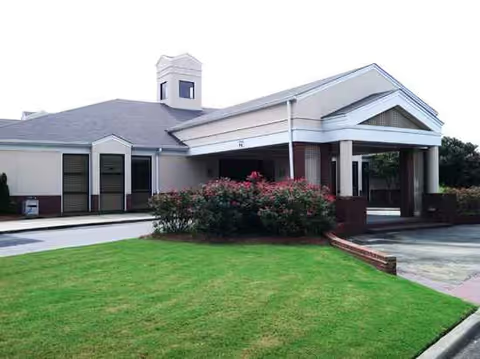
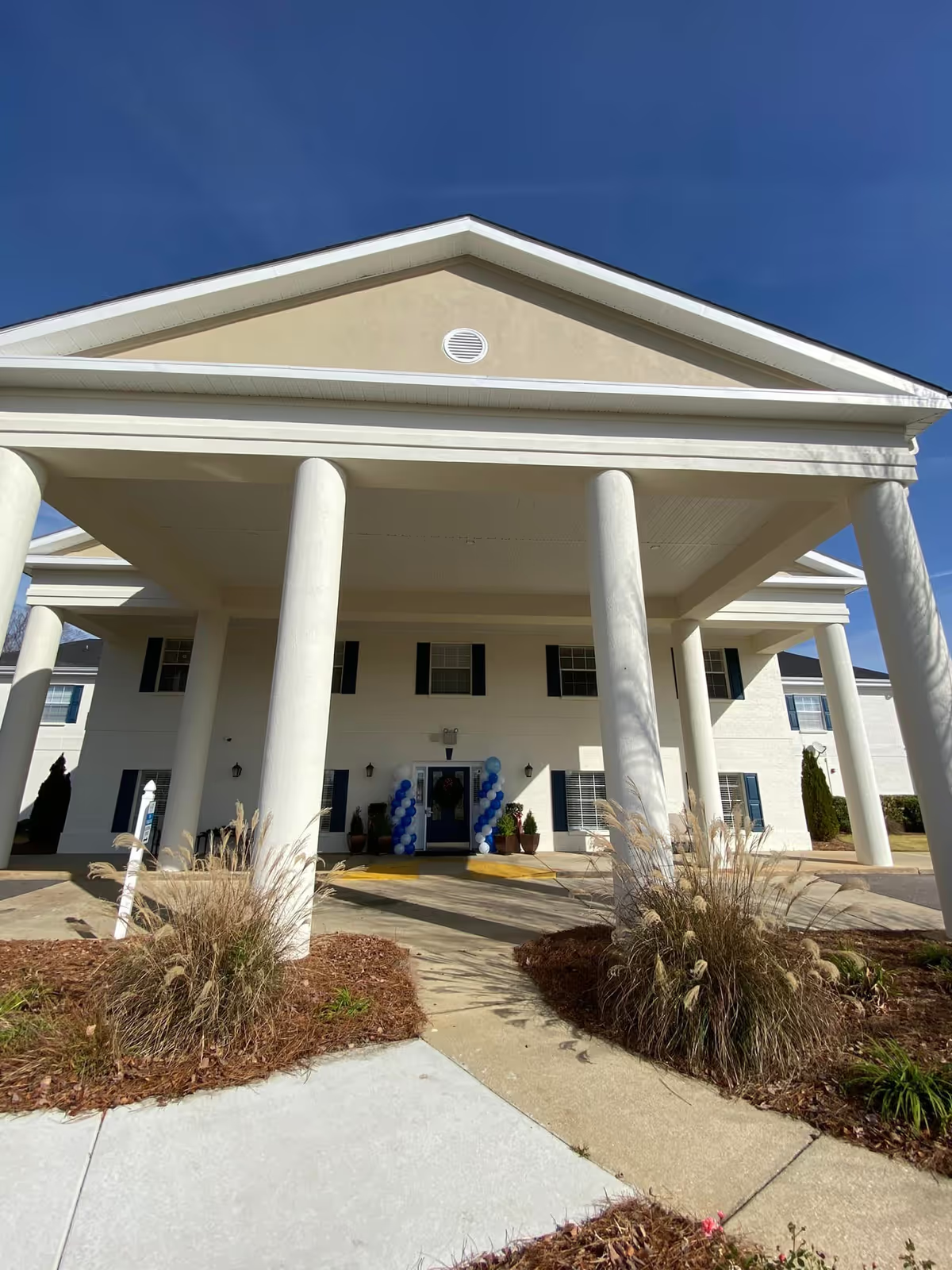
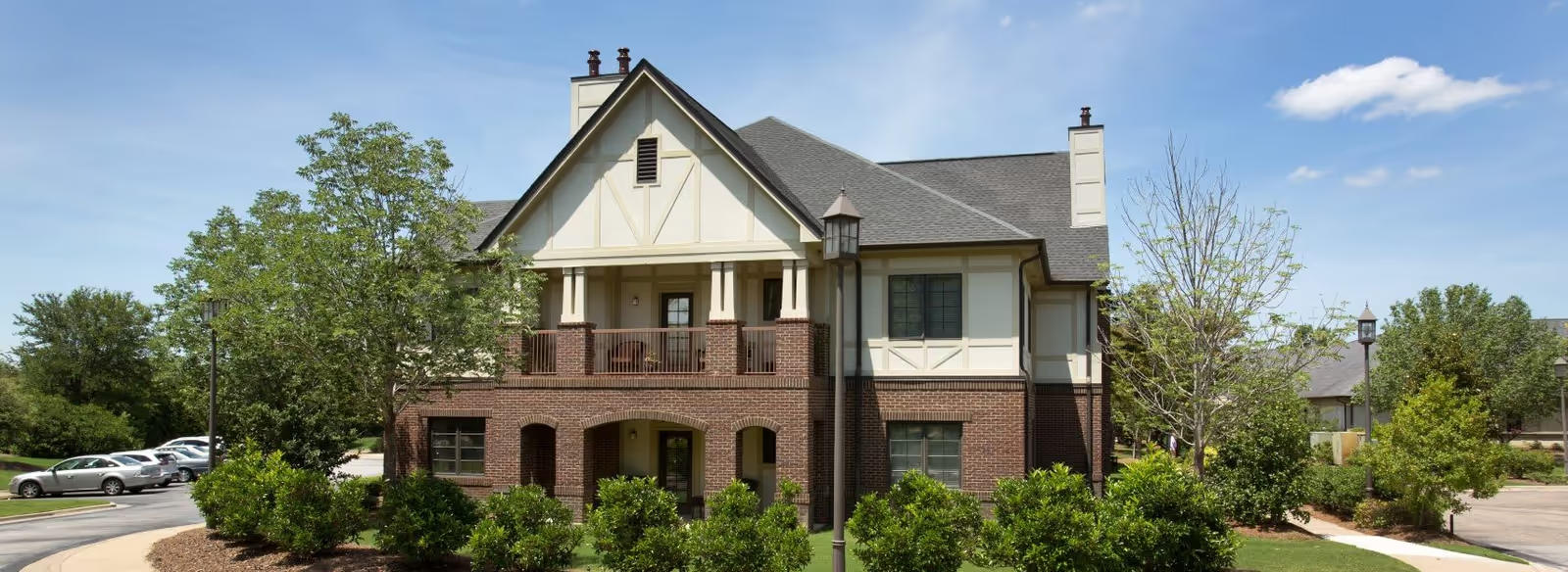
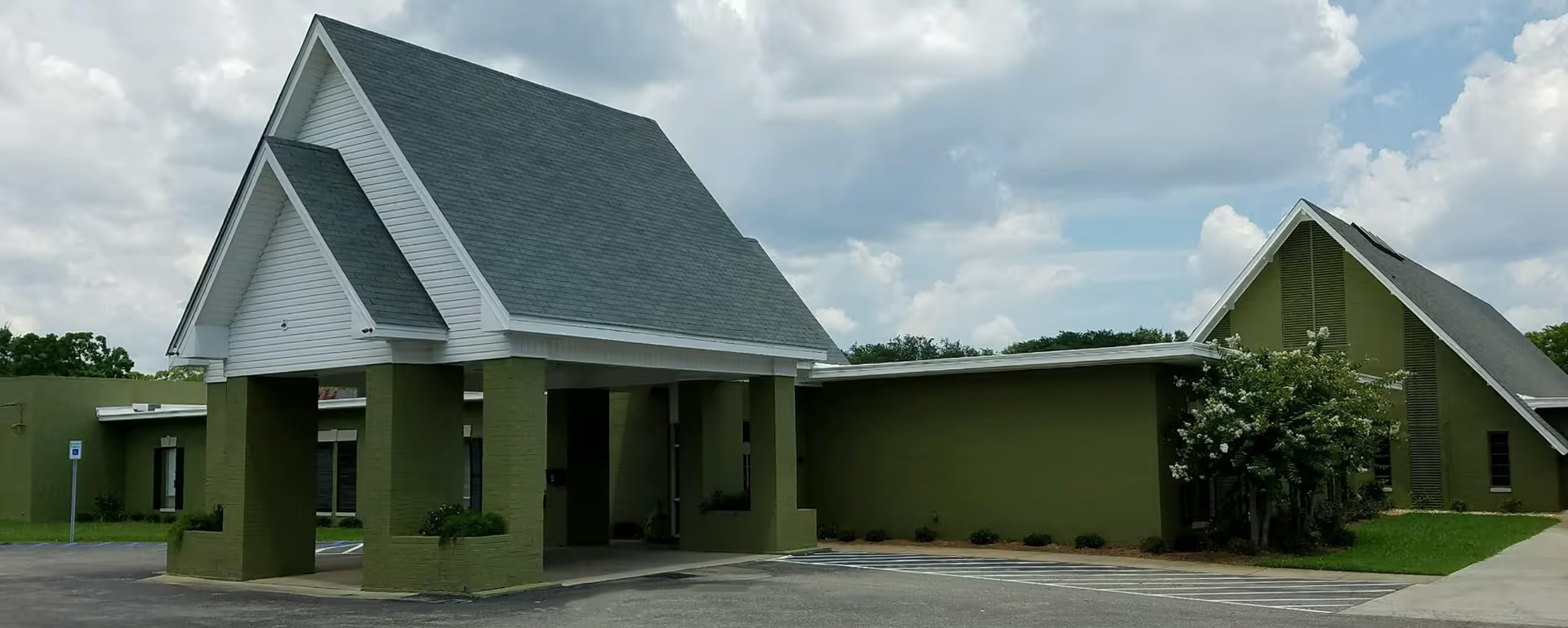
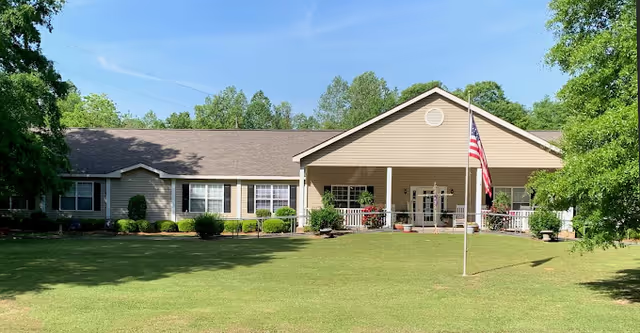
Facility environment and dining receive mixed feedback. The common areas and lobby are frequently described as well maintained, and some rooms offer individual climate control that residents appreciate. At the same time, multiple reviews raise sanitation and pest-control concerns in resident areas and note maintenance needs in bathrooms and other spaces. Food service and meal quality are described variably—some families appreciate dining activities and certain meals, while others report inconsistent food quality and concerns about food handling.
Management and communication are recurring themes. Positive experiences include helpful admissions support and proactive family updates in some cases. Conversely, many reviewers describe difficulty contacting administration or billing, missed care-plan meetings, unclear insurance or eligibility communications, and what some families perceived as pressured or unclear discharge conversations. Several reviews call out a need for stronger oversight, clearer documentation practices, and more reliable channels for escalating concerns to leadership.
Notable patterns for prospective residents and families: staffing variability appears to drive much of the experience gap—when staffing is adequate and engaged, clinical care, therapy, and family communication are rated highly; when staffing is strained, delays, inconsistent therapy, and sanitation/maintenance issues are more likely to appear. Practical questions to ask during a visit include current staffing ratios and turnover, documented infection-control and pest-control protocols, medication-change notification procedures, therapy schedules and minutes per discipline, property-management policies, and escalation routes for unresolved concerns. These checks can help families determine whether the facility’s current operations align with their expectations for safety, cleanliness, and consistent clinical oversight.