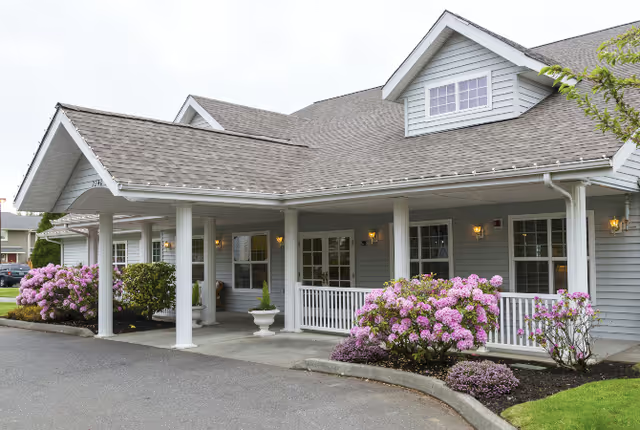
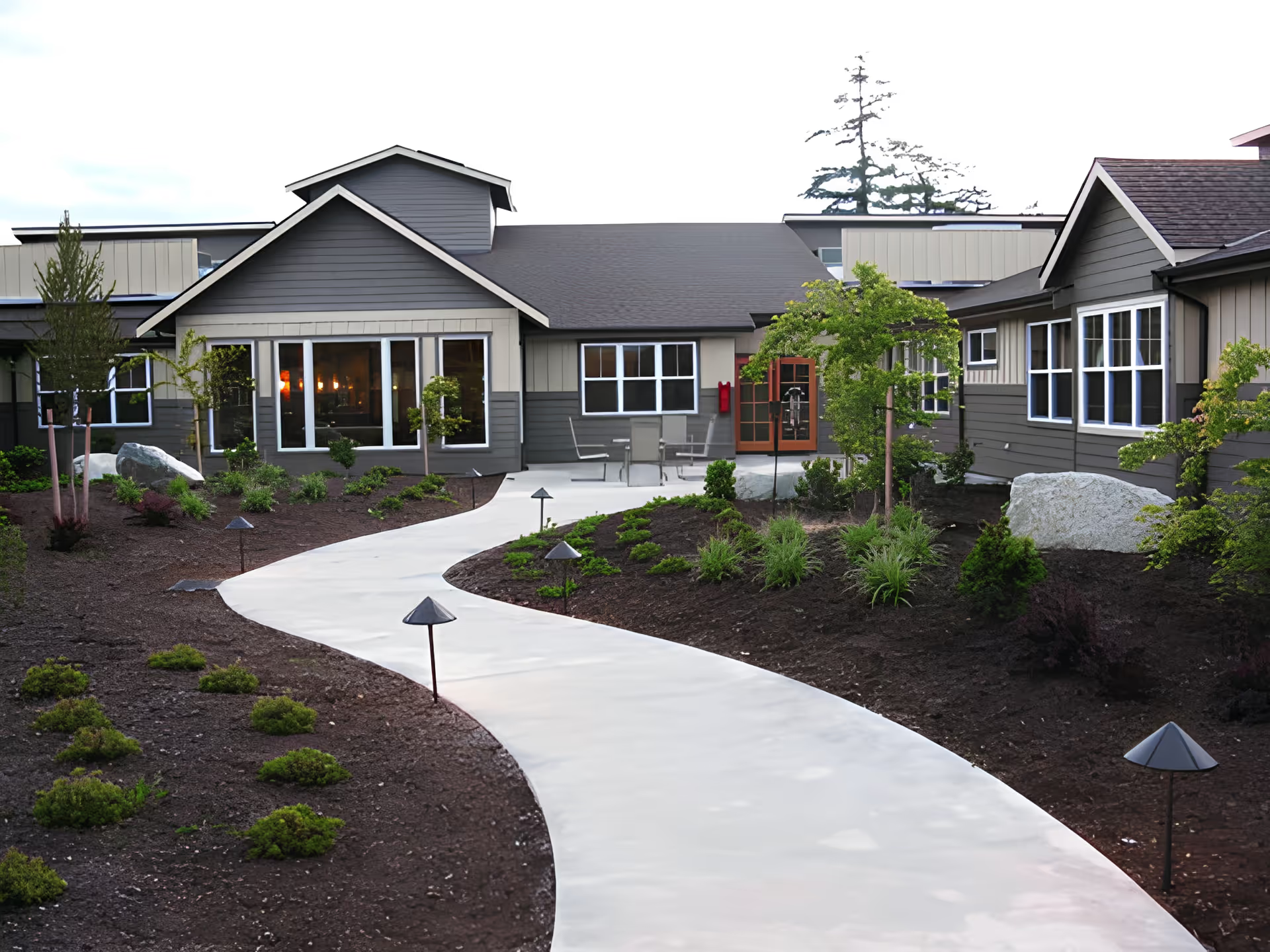
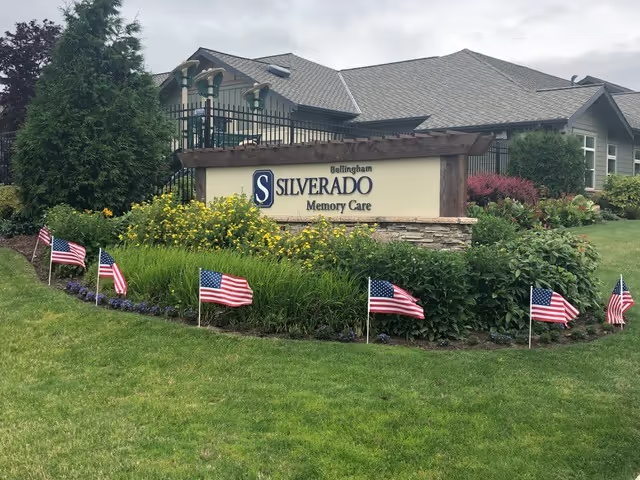
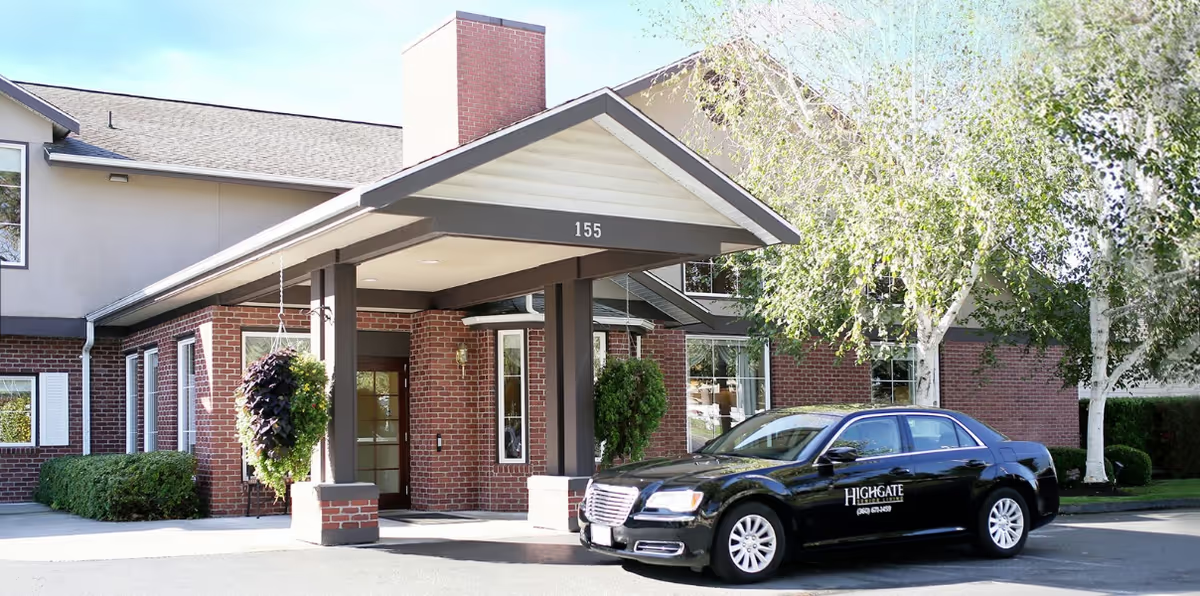
Reviews describe a facility with a mixed performance profile: several operational strengths at the frontline level coexisting with systemic weaknesses that affect clinical reliability and family confidence. Strengths most often cited include robust rehabilitation services (onsite PT/OT), a committed group of CNAs and nurses, an engaging activities program supported by volunteers, and regular religious/spiritual offerings such as Bible study and rosary. Many families and visitors describe the activities director as energetic and the communal spaces as clean, home-like, and festive; Wi‑Fi access and family-oriented events are also noted positively.
Care-quality concerns are recurrent and significant. Reviewers describe delays in responding to clinical needs and service requests, inconsistent administration of medications, and lapses in clinical oversight. Several accounts indicate problems with discharge planning and post-discharge follow-up, and there are references to emergency-room transfers and hospital readmissions following care incidents. There are also mentions of regulatory complaints and allegations of criminal conduct involving past staff; these items indicate the importance of reviewing inspection records and complaint histories when evaluating the facility.
Staff behavior and culture are characterized as uneven. Many reviewers praise individual caregivers as compassionate, attentive, and professionally skilled—particularly therapy teams who are credited with positive rehabilitation outcomes. At the same time, there are repeated notes about understaffing, communication delays (including unresponsive phone lines), and occasions where interactions with management or clinicians were perceived as dismissive or defensive. This pattern suggests that while frontline staff can provide high-quality personal care, systemic understaffing and management processes sometimes undermine consistent performance.
Dining and activities present a mixed picture. The therapy and activities offerings receive favorable mention for engagement and resident morale, and spiritual programming is a clear strength for residents seeking religious services. Dining feedback is more mixed: reviewers note high sodium content, limited fresh-fruit availability, and a lack of consistently heart‑healthy or plant‑based menu options; concerns about meal preparation consistency and protein quality were also raised.
Facility infrastructure and safety practices were highlighted as areas needing attention. Reports indicate potential gaps in emergency-preparedness (older fire-safety systems and limited evacuation drills), inconsistent use of fall-prevention measures (including bed‑alarm practices), and maintenance-staff training shortfalls for technical systems. Infection‑control and hygiene practices were questioned in several accounts, and there are mentions of incontinence‑care and dignity concerns tied to how personal assistance and feeding are managed.
Taken together, the pattern is one of variability: clear strengths in therapy, individual caregiver compassion, and resident programming, contrasted with recurring operational weaknesses in staffing, clinical oversight, communication, safety systems, and meal consistency. For prospective residents and families, recommended due diligence includes reviewing recent state inspection reports, asking for current staffing ratios and turnover data, clarifying medication‑administration and discharge protocols, verifying emergency-preparedness and fall‑prevention policies, and requesting sample menus and therapy schedules to confirm consistency with the resident’s clinical needs and preferences.