Polaris Extended Care presents a generally favorable clinical and environmental profile alongside some notable operational weaknesses that prospective residents and families should evaluate. Across many accounts, the facility is praised for compassionate, attentive nursing and caregiving, an effective therapy and rehabilitation team, and a consistently clean, well-maintained environment. Reviewers emphasize a welcoming, home-like atmosphere and a strong sense of community; several describe positive short-term rehabilitation outcomes and dignified, respectful care from nursing and CNA staff.
Clinical care and staff behavior emerge as clear strengths in many accounts: reviewers cite empathetic caregivers, an upbeat staff culture, and competent medical and therapy teams. Rehabilitation services and therapy are frequently singled out for producing timely, measurable improvements. At the same time, some families raised concerns about staff conduct and the tone of communication, and a subset reported difficulties obtaining timely responses from staff or management when trying to contact residents or raise concerns.
Dining and social life are presented positively. Meal quality is described as good, and the facility atmosphere supports social engagement and a sense of community. Specific activity programming is not extensively detailed in the available summaries, but the overall impression is of an environment where residents feel at home and engaged.
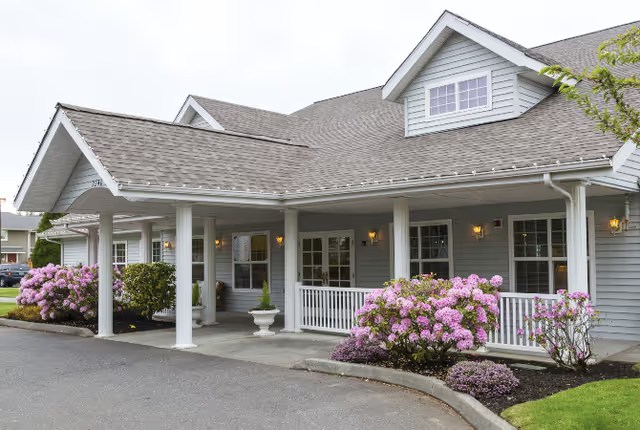
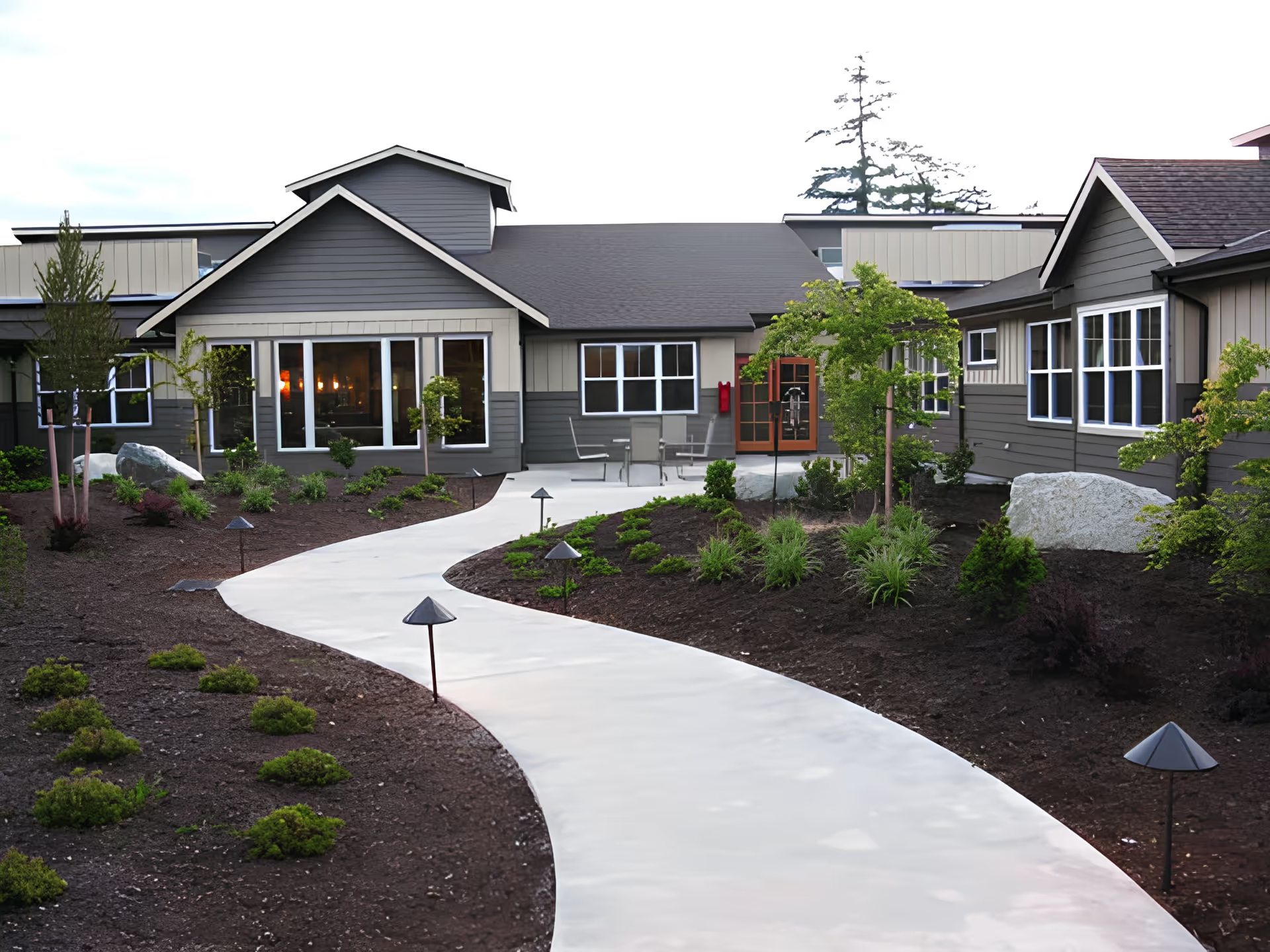
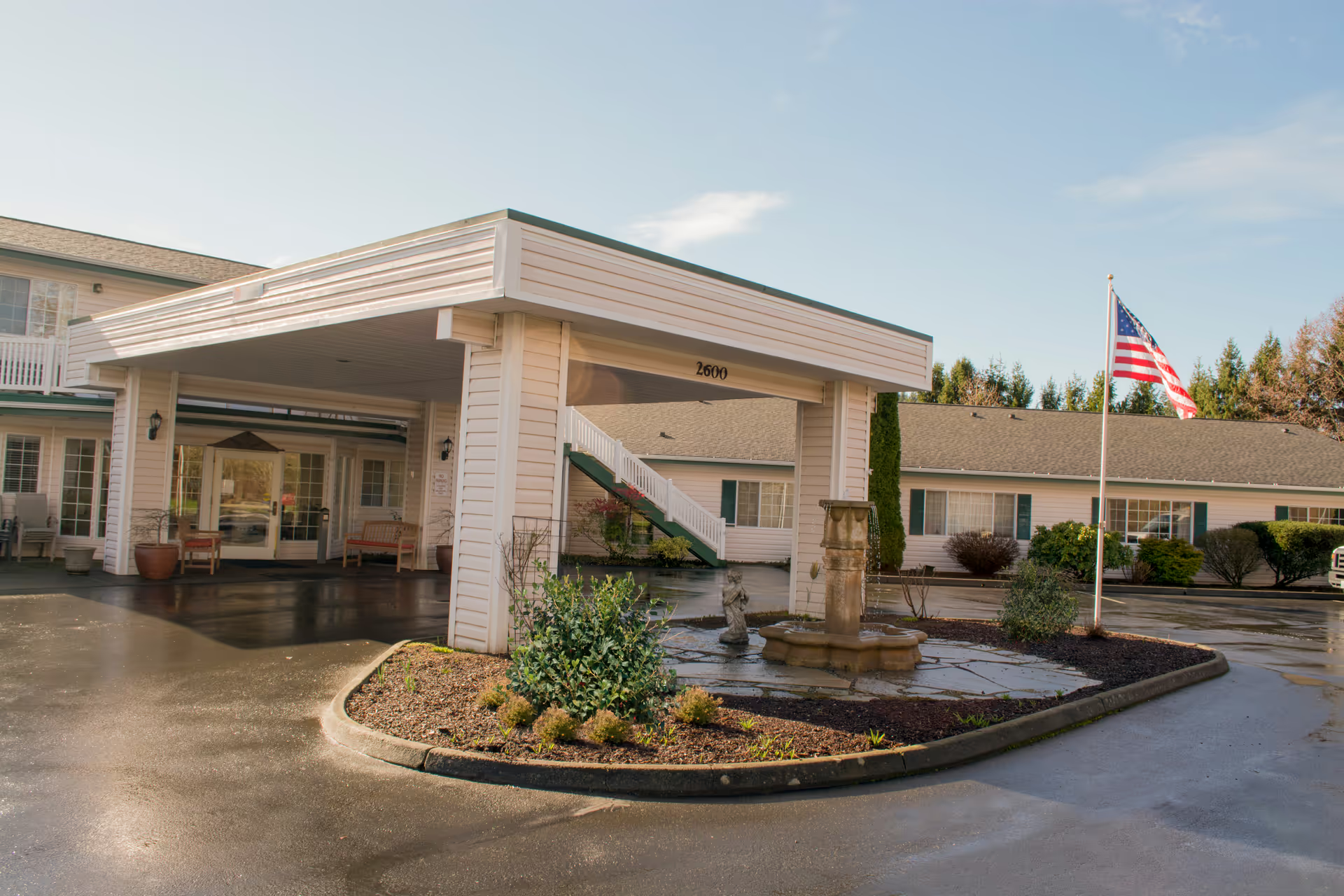
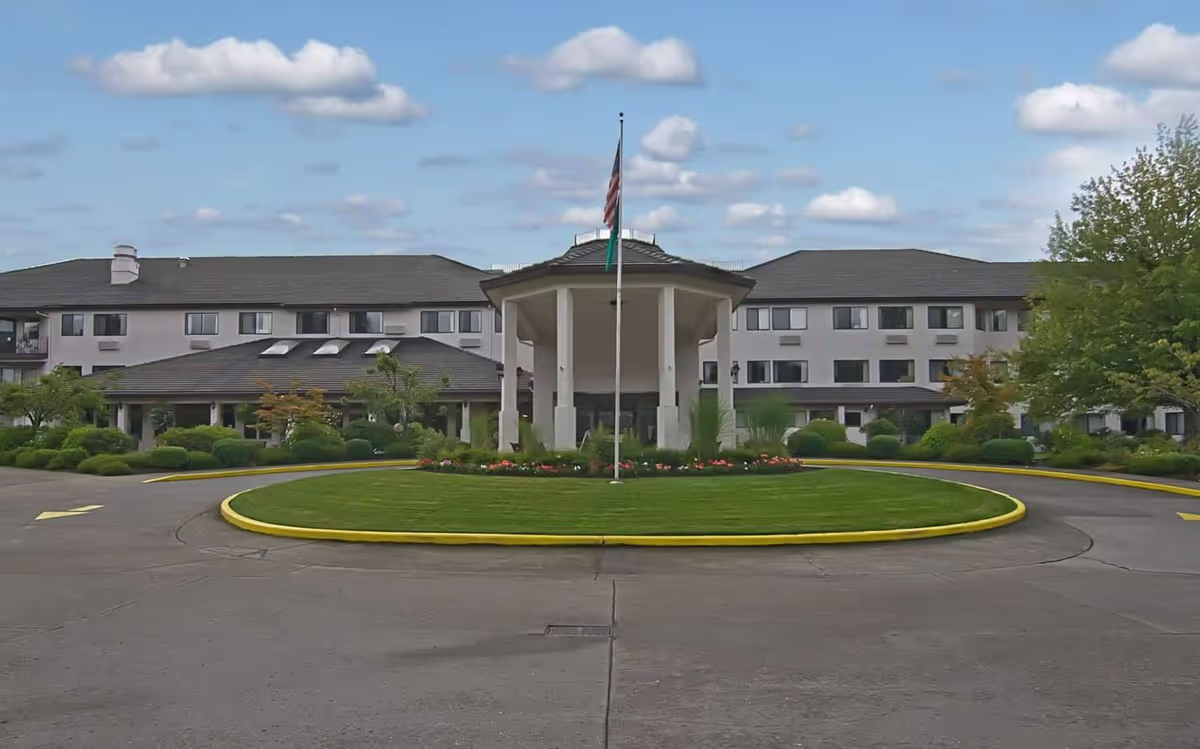
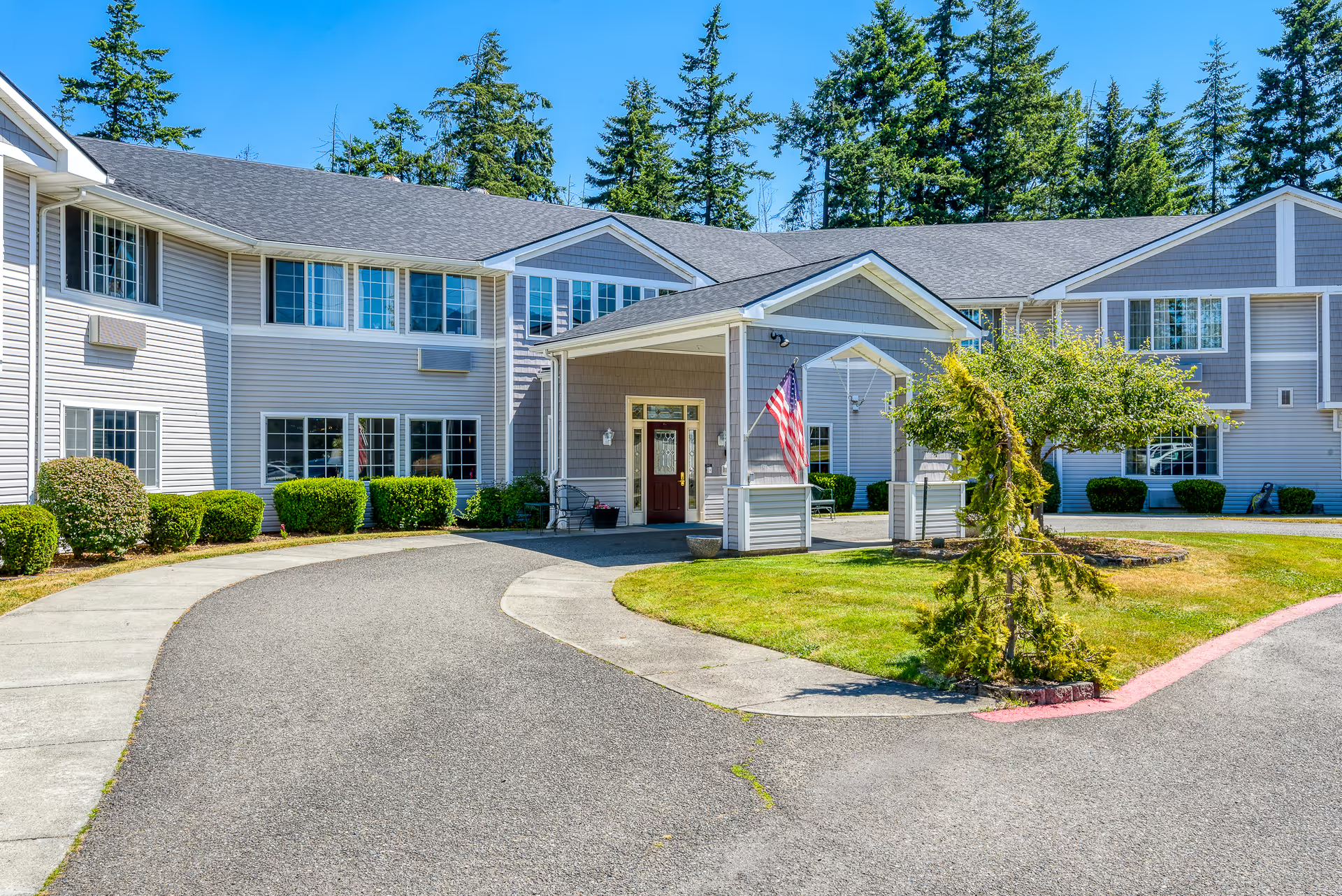
Facility amenities and cleanliness are consistent strengths: the building layout, cleanliness, and general upkeep are commonly noted as attractive and well-managed. Multiple descriptions highlight a neat, welcoming interior and well-kept common areas that contribute to resident comfort and the perception of good environmental standards.
Management and operational patterns are mixed. Some accounts describe responsive, empathetic management that resolves initial communication issues, while others describe poor communication, unresponsiveness, and restrictive or inconsistently applied visitation policies. There is an additional pattern of concern associated with an ownership/management change (now operating as Polaris Transitional and Extended Care) — some families perceived a decline in service quality following that transition. A few accounts referenced escalation of visitation disputes that caused distress; these point to gaps in incident-handling and escalation procedures that may affect family experience.
In summary, Polaris offers many of the attributes families commonly seek — compassionate caregiving, strong rehabilitation services, and a clean, community-oriented setting — but there are operational areas that merit careful inquiry. Prospective families should ask about current visitation policies and how exceptions are handled, the facility’s family-communication protocols (including phone access to residents), recent staffing stability, how management handles escalations, and any changes implemented since the ownership transition. Observing a therapy session, touring common areas, and requesting recent inspection or quality metrics can help confirm whether the positive aspects described in many accounts are present and whether the operational concerns have been addressed.