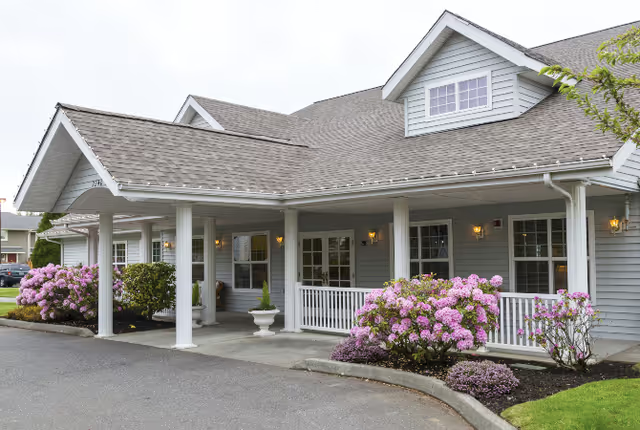
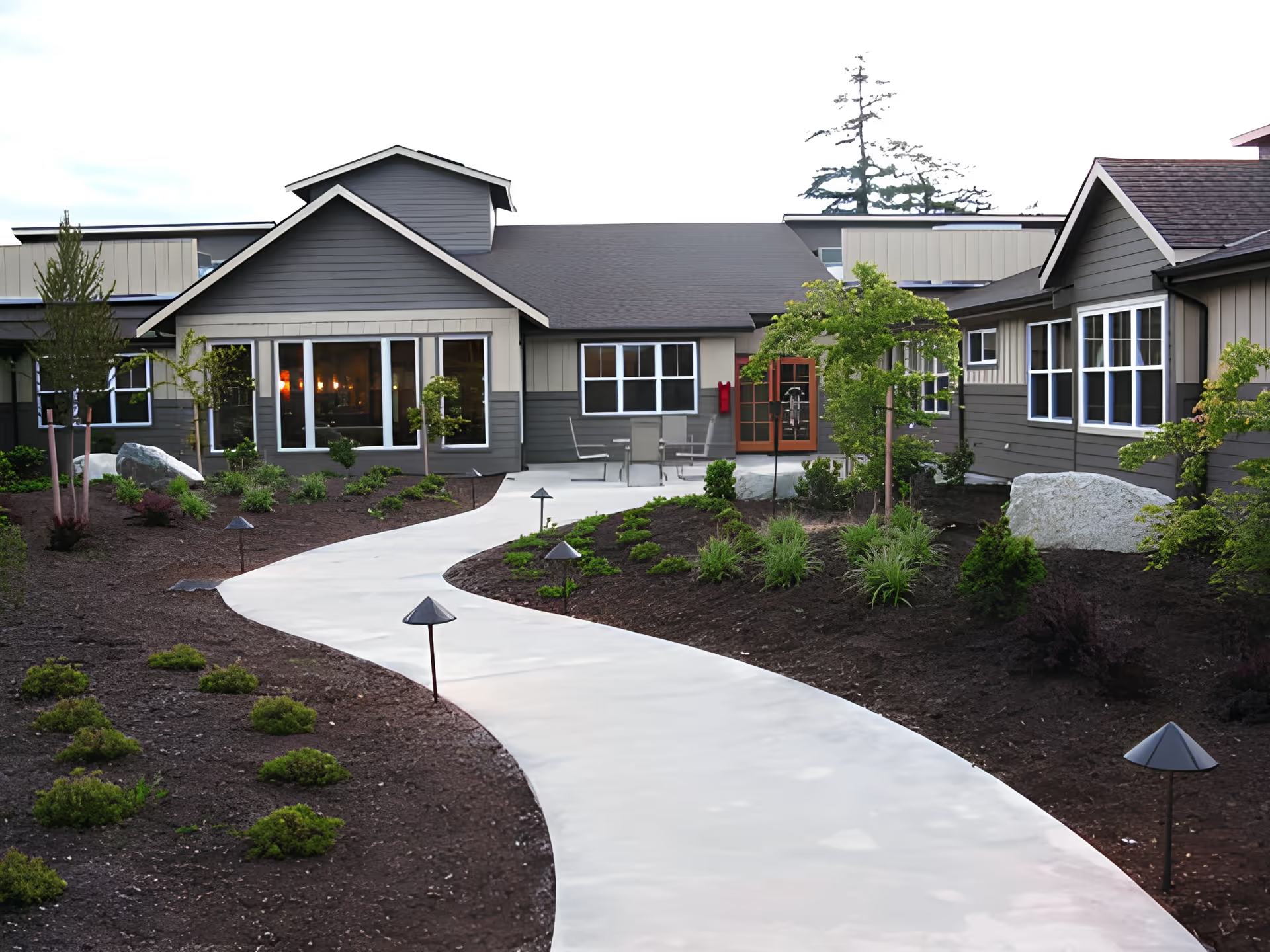
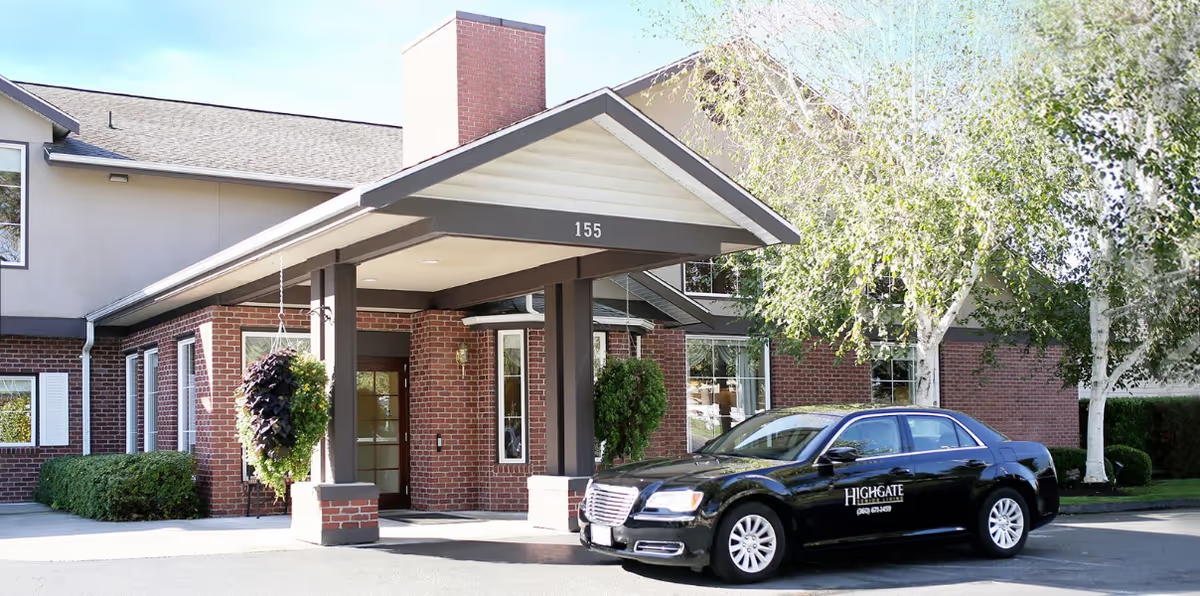
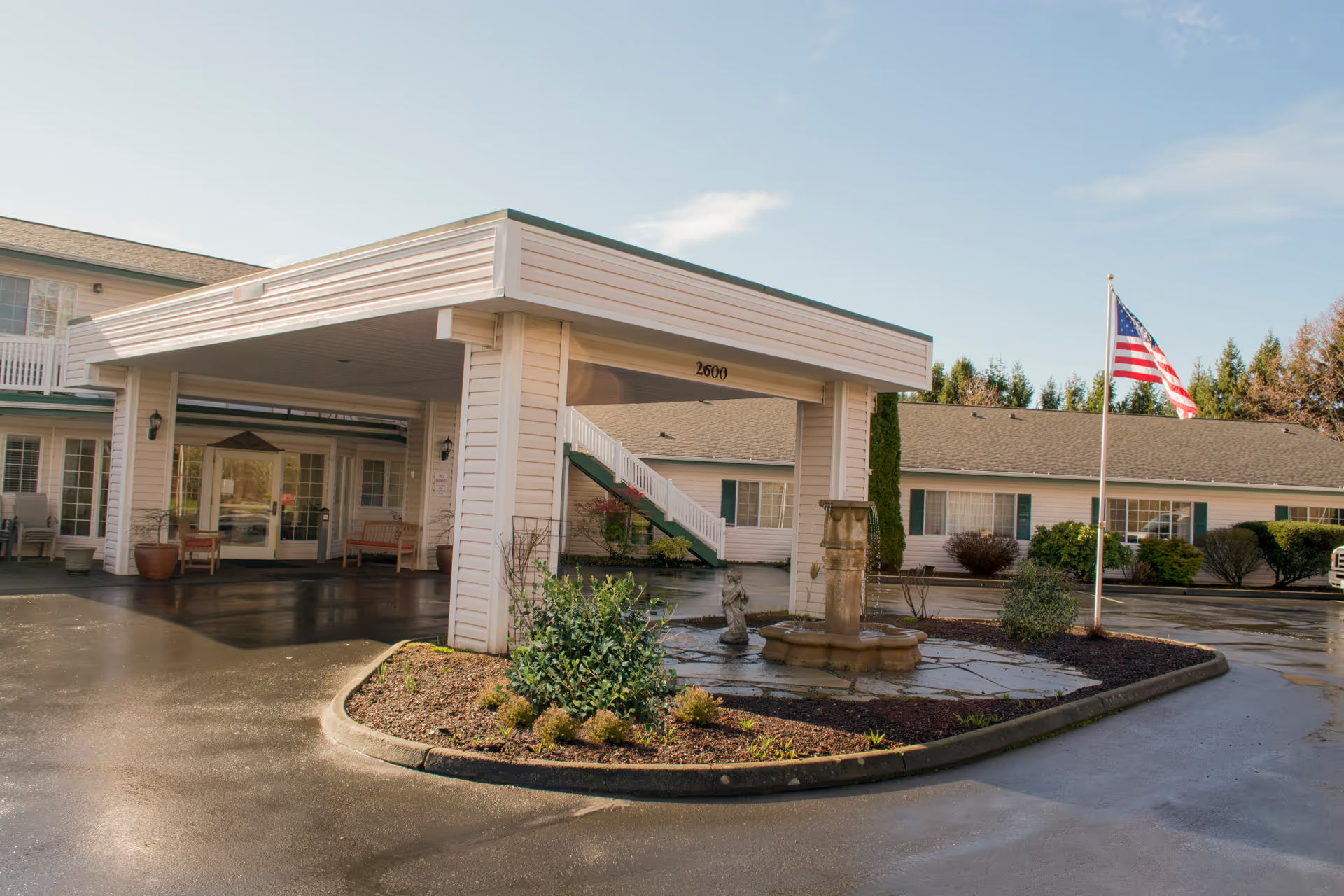
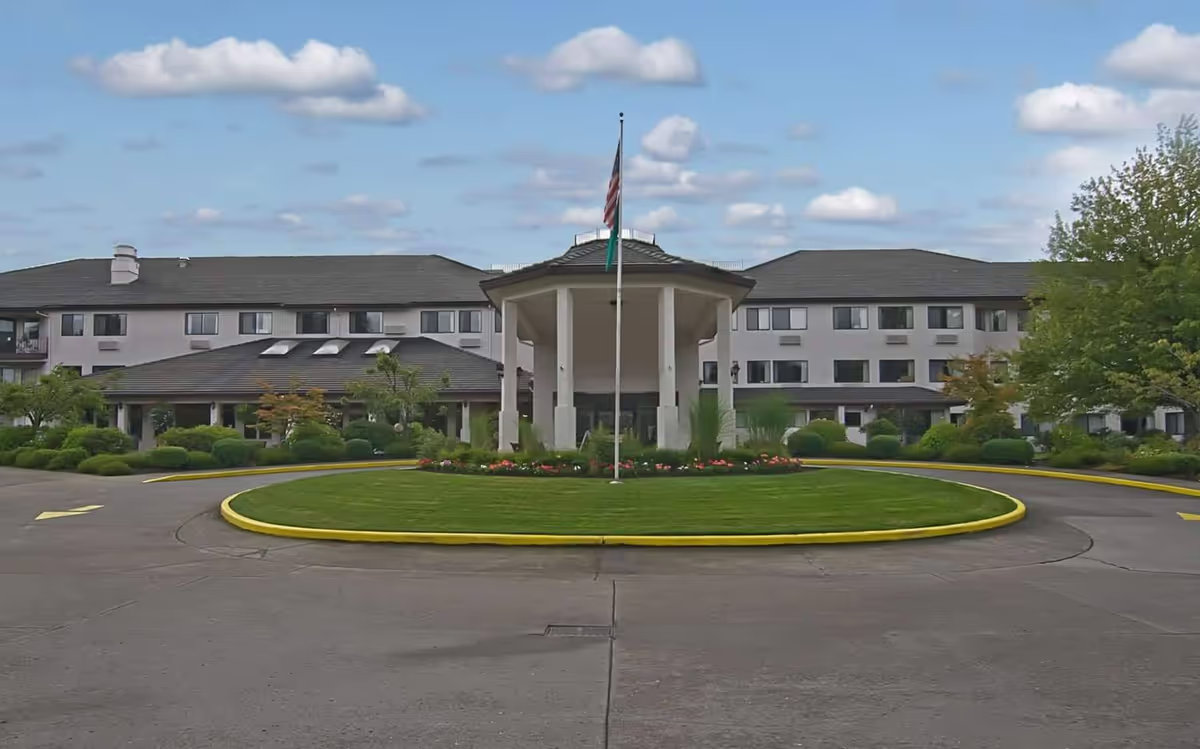
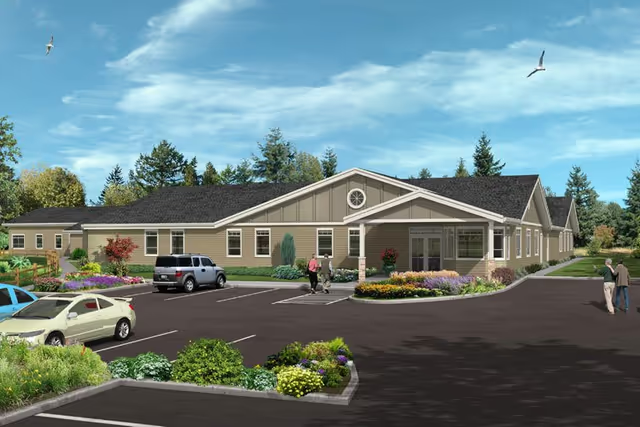
Aspen Creek - Riverside Assisted Living elicits a mixed but instructive pattern of feedback. Many families and visitors describe a pleasant physical environment — a secure building with buzzed entry, an attractive lobby, bay windows with river views, a fish tank, and dedicated visiting and performance areas. Activity programming and social opportunities are frequently highlighted, including live music, karaoke, and other events that contribute to an upbeat resident atmosphere. Several comments emphasize that residents often appear happy and engaged during visits.
Staff and management perceptions are polarized. A number of reviewers praise caregivers and managers as diligent, caring, and responsive; named staff were described as prompt and personable, and leadership was characterized by some as effective and engaged. Those positive accounts point to strong relationship-based caregiving and leadership that supports visible staff engagement. However, other families report substantive concerns about staff behavior, accessibility, and consistency. Themes include difficulty reaching staff by phone, variable conduct and tone in staff–resident interactions, and what families describe as inconsistent responsiveness at times. Understaffing or staffing variability was a recurring operational concern that reviewers linked to reduced timeliness and availability of assistance.
Dining and direct-care practices show important areas for improvement. Reviewers described inconsistencies in meal assistance (for example, inadequate cutting or portion assistance) and identified meal planning that did not meet diabetic dietary needs, with reports of high-carbohydrate options leading to blood-sugar instability. Separate notes reference hygiene and food-handling lapses in some contexts. There are also reports suggesting weaknesses in transfer and lift practices that have resulted in resident injury or bruising, and concerns about pressure-area care for some residents. Collectively, these items point to gaps in clinical-safety protocols, transfer training, and nutrition management for residents with specific medical needs.
Administrative and policy issues were also raised. Some families reported problems with mail handling and raised questions about administrative transparency; these were framed by reviewers as serious enough to warrant scrutiny. Additionally, enforcement of smoking policies near the facility entrance was noted as a recurring issue affecting the front-door area. These administrative and policy items, combined with communication challenges, suggest operational areas where clearer processes and oversight could improve family trust.
In summary, Aspen Creek - Riverside offers several clear strengths: a secure, attractive facility with active programming and many caregivers and managers who receive high praise. At the same time, there are consistent patterns of concern around staffing levels and consistency, communication accessibility, clinical-safety practices (transfers and pressure-area care), dining and nutrition management for residents with medical dietary needs, and certain hygiene/admin processes. Prospective residents and families should weigh the facility’s favorable environment and strong activity offerings against these operational shortcomings, and consider asking targeted questions about staffing ratios, staff training on transfers and infection-control practices, diabetes meal planning, communication protocols, and mail/administrative procedures during the touring and placement process.