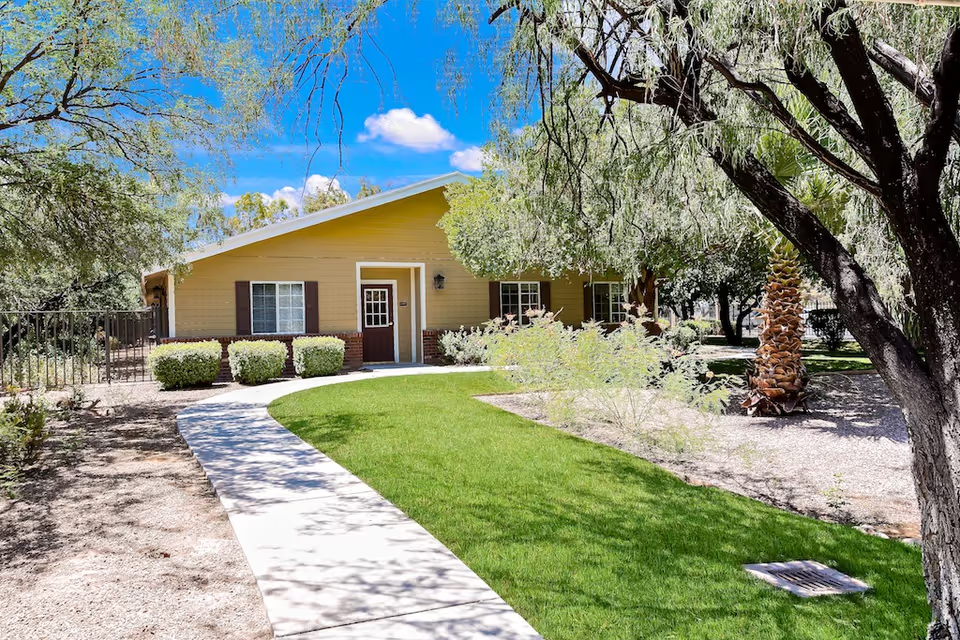
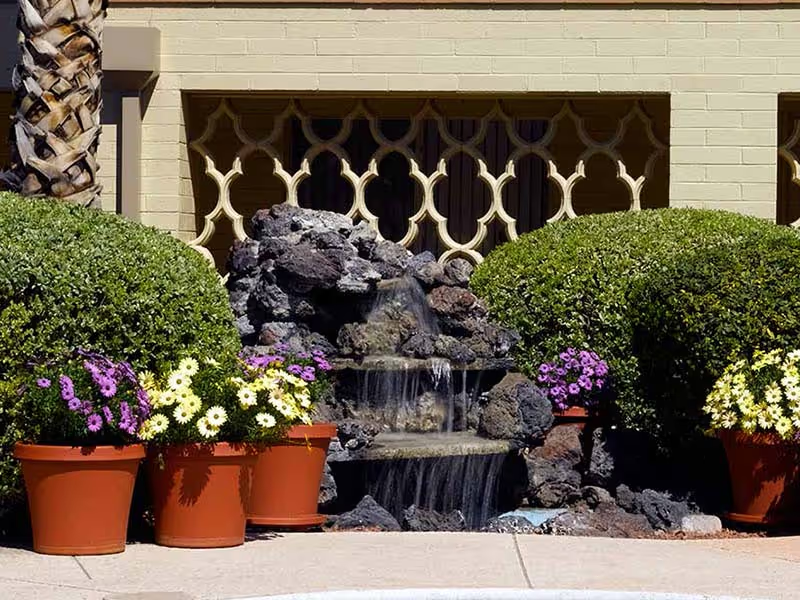
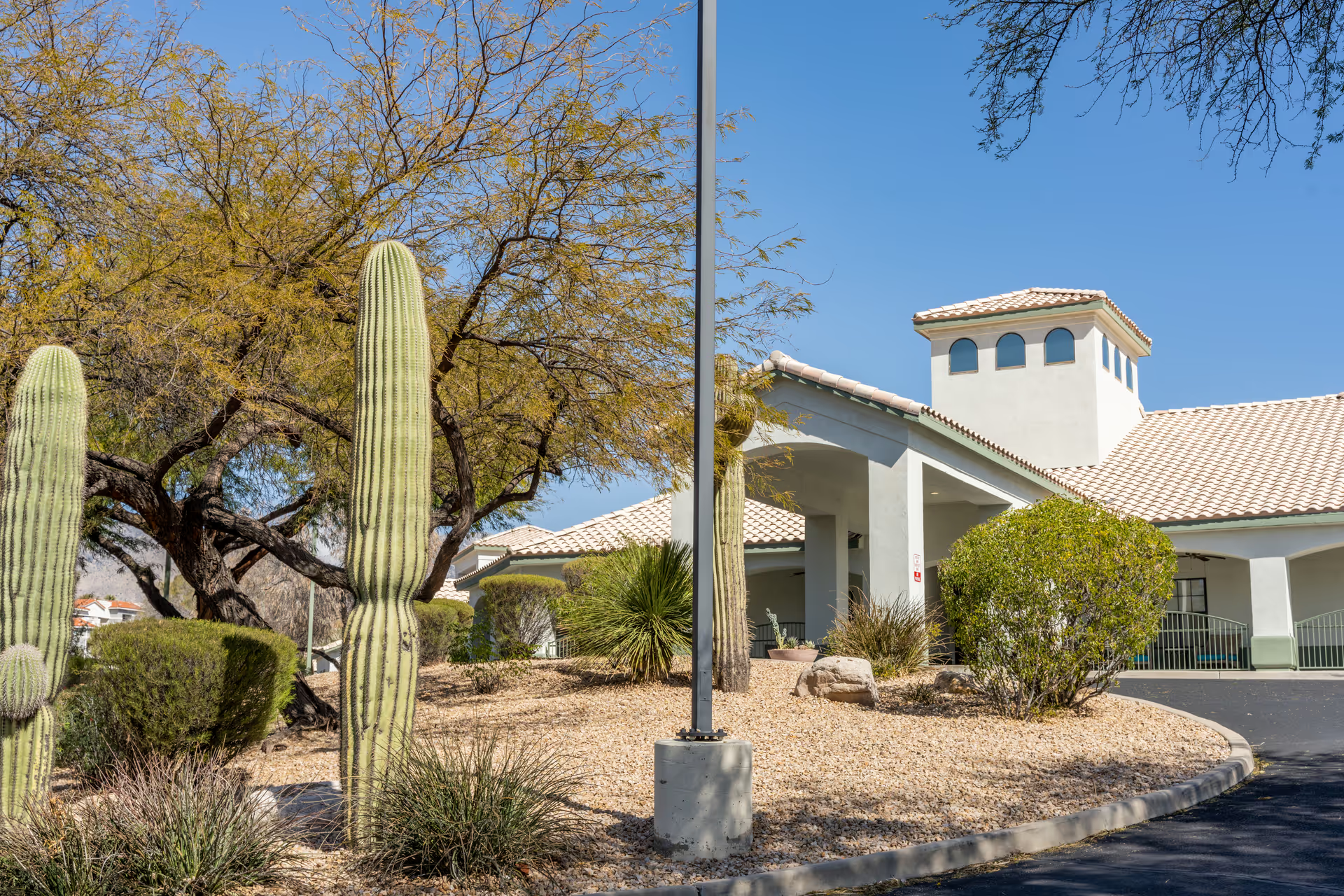
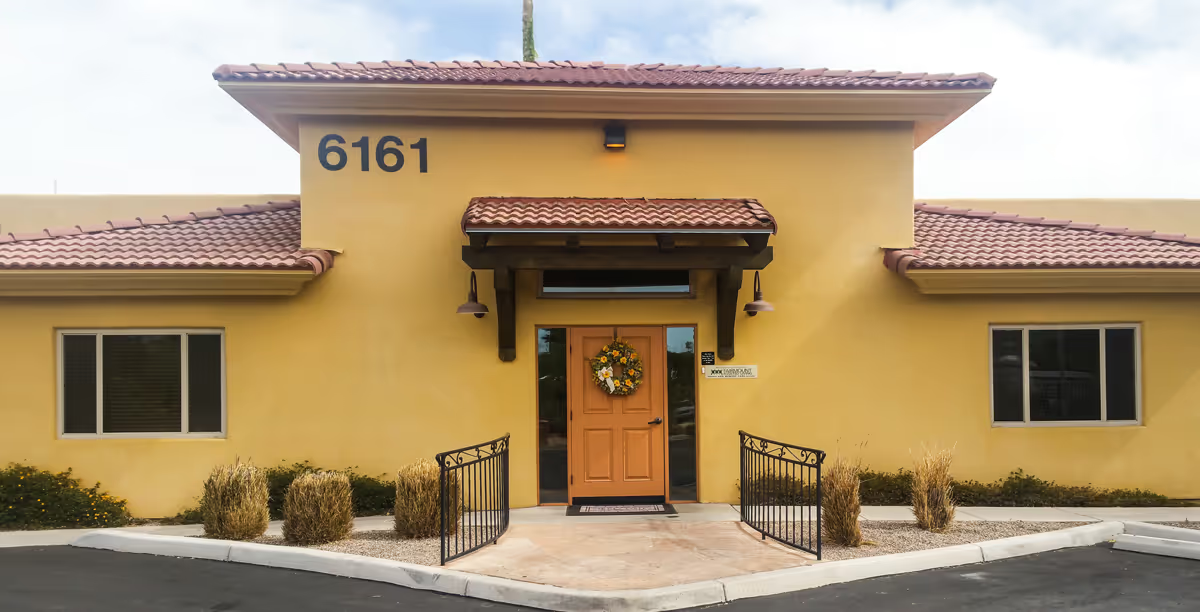
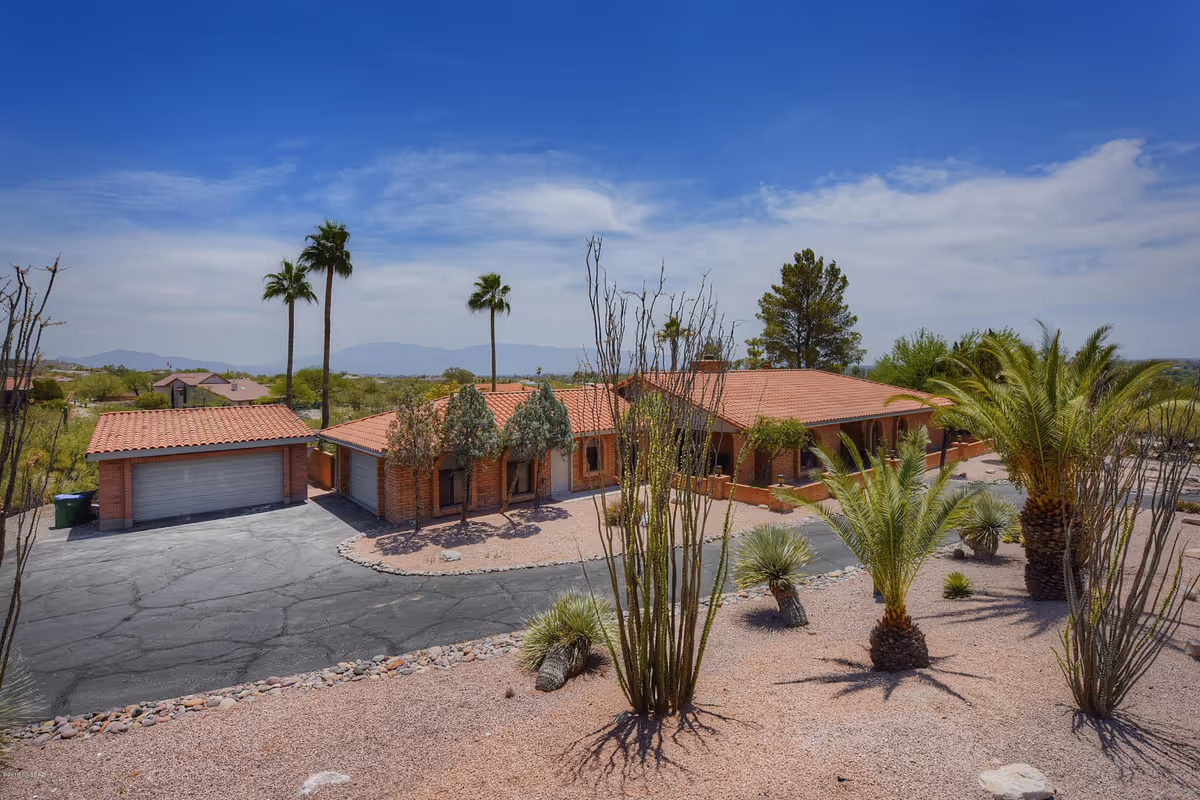
The Center at Tucson presents a well-appointed, hotel-like physical environment with private rooms, en-suite bathrooms, bright public spaces and a range of on-site amenities such as a dining room, hair salon and dedicated therapy gym. Many reviewers praised the facility’s appearance and comfort, and noted that overnight visiting is allowed and that Medicare quality indicators are favorable. The environment and amenities are a clear strength for families prioritizing comfort and rehabilitation-focused infrastructure.
Clinical and rehabilitative services receive largely positive remarks. Several families described proactive, effective physical therapy programs and strong wound-care expertise that produced measurable recovery for some residents. Case management and discharge planning were also highlighted as strengths; rehabilitation teams, physical therapists and wound specialists were frequently cited as contributing to positive clinical outcomes and improved mobility for residents.
Staffing and day-to-day care show mixed signals. Numerous reviews describe compassionate, attentive nurses and CNAs who provide supportive, empathetic care; however, other accounts indicate inconsistent staffing levels and episodes of delayed personal-care tasks such as bathing, mouth care and grooming. There are recurring concerns about variability in staff responsiveness, the tone of staff–family communication, and uneven supervision that can affect care consistency. Families should expect variability in individual caregiver performance.
Dining and activities are a mixed area. The activities program is generally seen as well-run and flexible, with good social engagement opportunities. Dining feedback is inconsistent: some reviewers praised the food and dining environment, while others cited late meal service or issues with meal preparation and cutting for residents who require assistance. These contrasts suggest that meal-service continuity and resident-specific meal accommodations can vary by shift.
Safety, sanitation and management patterns warrant attention. While the facility’s overall cleanliness and public-area maintenance are positive, there are isolated sanitation and housekeeping inconsistencies reported in resident rooms. Safety concerns raised include fall incidents and transfer-monitoring gaps, and some families described problems with skin care and turning practices that can affect wound outcomes. A small number of accounts referenced medication-management lapses and regulatory survey activity; these indicate the need for close oversight of clinical protocols and family communication. Management and supervisory consistency were noted as uneven, which appears to amplify variability in frontline care.
In sum, The Center at Tucson offers strong rehabilitation resources, wound-care expertise and a comfortable physical setting that many families find highly beneficial. At the same time, prospective residents and families should evaluate staffing consistency, personal-care schedules, meal-service protocols and safety/skin-monitoring practices during tours and care-planning conversations. Asking specific questions about staff ratios, shift coverage, wound-turning protocols, fall-prevention measures, medication-administration checks and how the facility communicates with families can help determine whether the facility’s strengths align with an individual resident’s needs.