Overall impression: Reviews portray Under Angel Wings Care Home as a small, family-run residence with a consistently warm, person-centered approach to caregiving. Families and some former residents describe compassionate, engaged staff who create a home-like environment and provide individualized attention. Positive outcomes noted include improved resident mood, successful settling-in periods for newcomers, and continuity for residents with dementia or higher-acuity needs.
Care quality and clinical supports: Multiple accounts highlight effective dementia-care strategies such as redirection and routine memory prompts, reliable medication administration, and hands-on assistance with activities of daily living (ADLs) including bathing, dressing, toileting and grooming. The facility is also described as able to manage bedbound residents and provide rehabilitative supports; families emphasize the staff’s patience and one-on-one focus when clinical needs are present.
Dining and activities: Dining is frequently characterized as home-cooked and adaptable to preferences, with explicit mention of vegetarian options and tailored meals. Activity programming appears oriented toward meaningful engagement—arts and crafts, chores, group interaction, and companionable visits with a resident dog are all noted as contributors to a family-like social atmosphere. Reviewers point to regular socialization and outings that help reduce anxiety and improve participation.
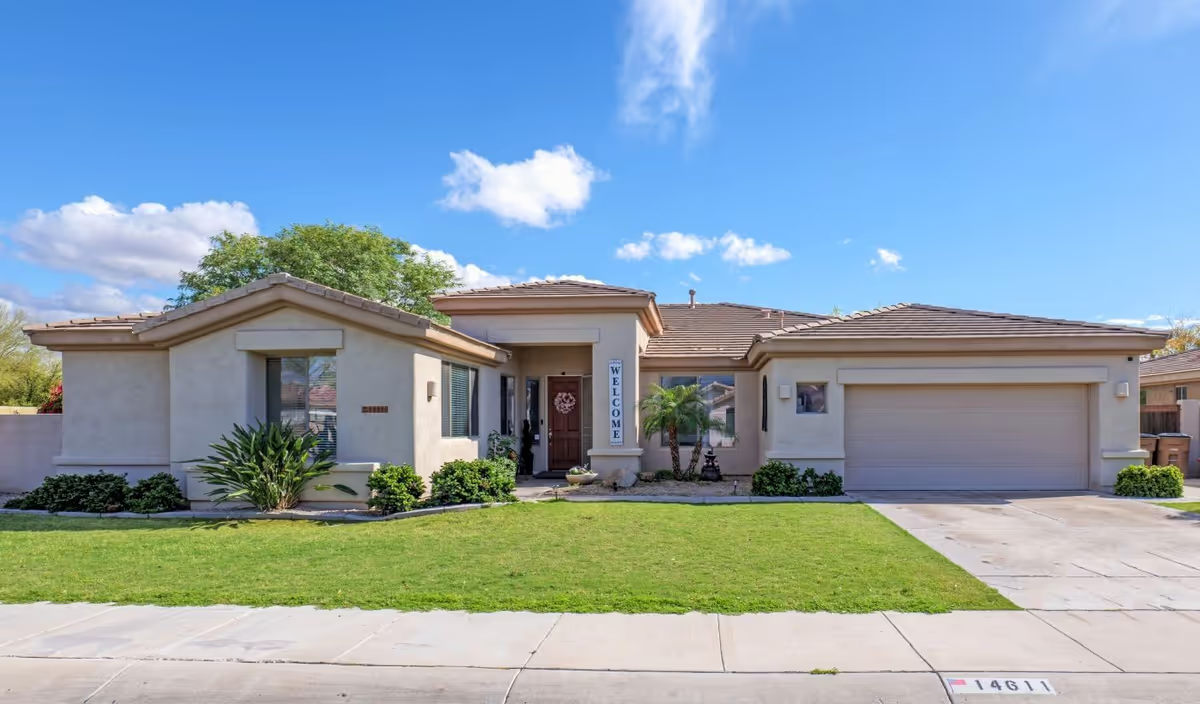
Facilities and operations: The home is described as intimate and family-oriented, with hands-on ownership and responsive communication with families, including flexibility around benefits administration. However, several operational concerns emerge: housekeeping and interior maintenance standards appear variable, and there are indications of lapses in environmental safety and hazard mitigation. Staffing consistency and supervisory oversight are uneven at times, which can translate into variability in daily care routines. A few comments also suggest challenges in managing resident-to-resident behavioral dynamics and ensuring compatibility among residents.
Notable patterns and considerations: The strongest, recurring themes are compassionate staff, effective dementia approaches, individualized ADL support, and a homelike culture that many families find reassuring. Areas to probe on a visit include current staffing ratios and supervision practices, maintenance and sanitation protocols, safety-hazard prevention measures, and behavioral-management plans for residents with difficult interactions. Prospective families may benefit from requesting recent inspection or incident-handling policies, observing mealtimes and activities, and discussing how transitions and higher-acuity needs are staffed and documented.