The reviews for this facility describe a highly mixed performance profile. Many accounts highlight strong clinical capabilities in targeted areas—particularly physical therapy, wound care (with seven-day attention), and respiratory therapy—and several families credit the facility with measurable rehabilitation gains. The facility also offers in-house medical providers and a range of specialty services, which some reviewers found convenient for complex needs. Activity programming and some communal amenities (outings, social events, short-term room space) were noted as positive contributors to resident engagement.
Clinical care quality appears uneven. While therapy teams and certain wound/respiratory clinicians are repeatedly praised for expertise and outcomes, there are repeated concerns about inconsistent nursing care, delayed medication administration, and variability in documentation and clinical practices across shifts. Several reviews described delays responding to call lights and prolonged waits for basic assistance. These problems were often framed as staffing shortages or inadequate night-shift coverage rather than isolated incidents, and they appear to affect time-sensitive areas such as pain management, toileting assistance, and IV/antibiotic scheduling.
Staff and teamwork show a bifurcated pattern. Individual caregivers, CNAs, therapists, and some unit managers received strong, specific praise for compassion, attentiveness, and leadership. At the same time, reviewers frequently described variability by shift or unit—for example, more responsive day staff and less reliable night coverage—and noted concerns about staff conduct, tone of communication, and cultural sensitivity. Maintenance and housekeeping operations received generally positive notes about keeping the building functional and presentable, though sanitation issues were also reported in particular rooms or closets.
Dining and nutrition were also inconsistent across reviews. Positive comments cite accommodating low-sodium diets and acceptable meals, but a substantial number of reviewers described poor food quality, cold or bland meals, and limited suitable dietary substitutions for specific needs such as diabetes or texture-modified diets. These dining issues were sometimes tied to broader concerns about meal-service continuity and kitchen processes, including food-storage/date-labeling practices.
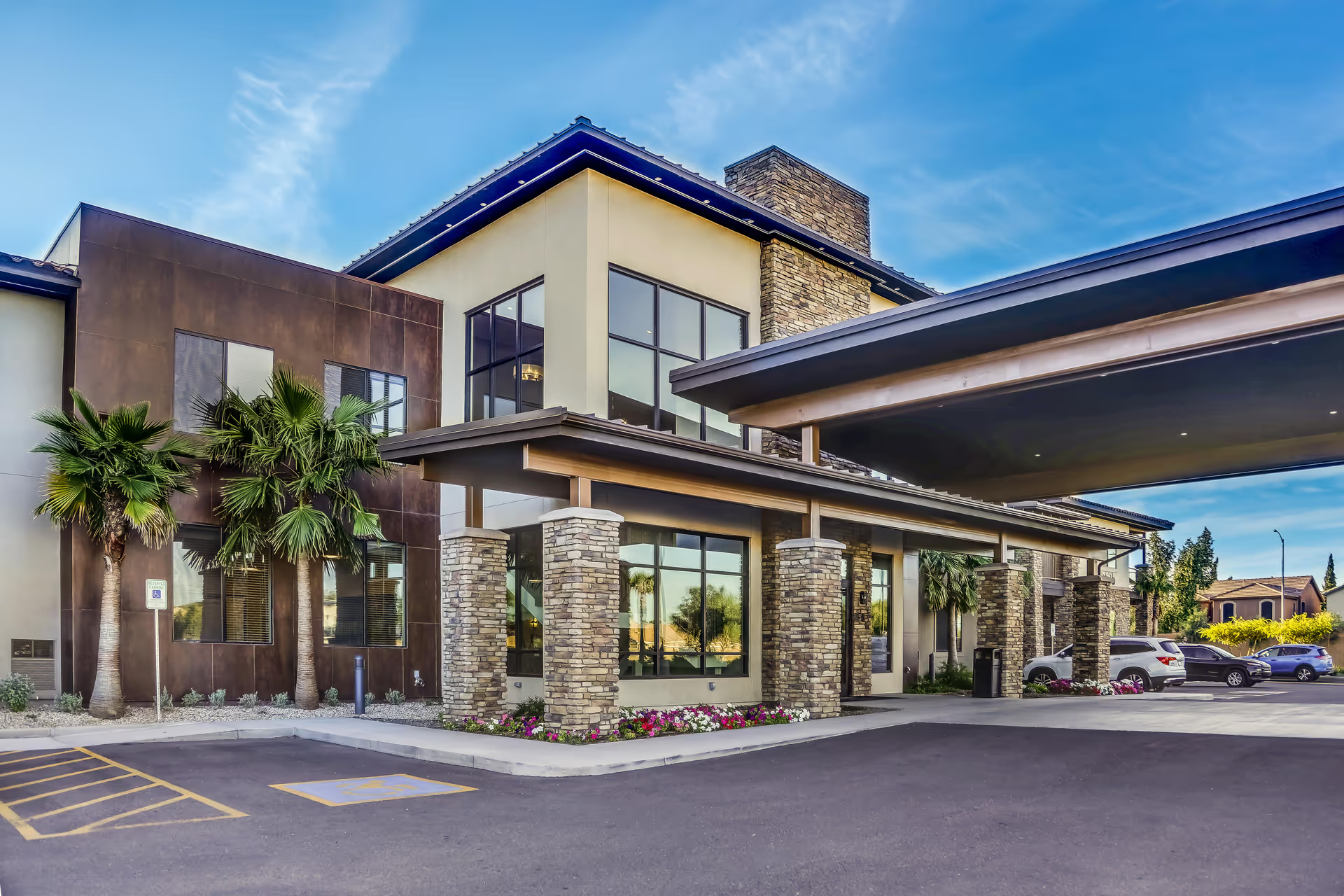
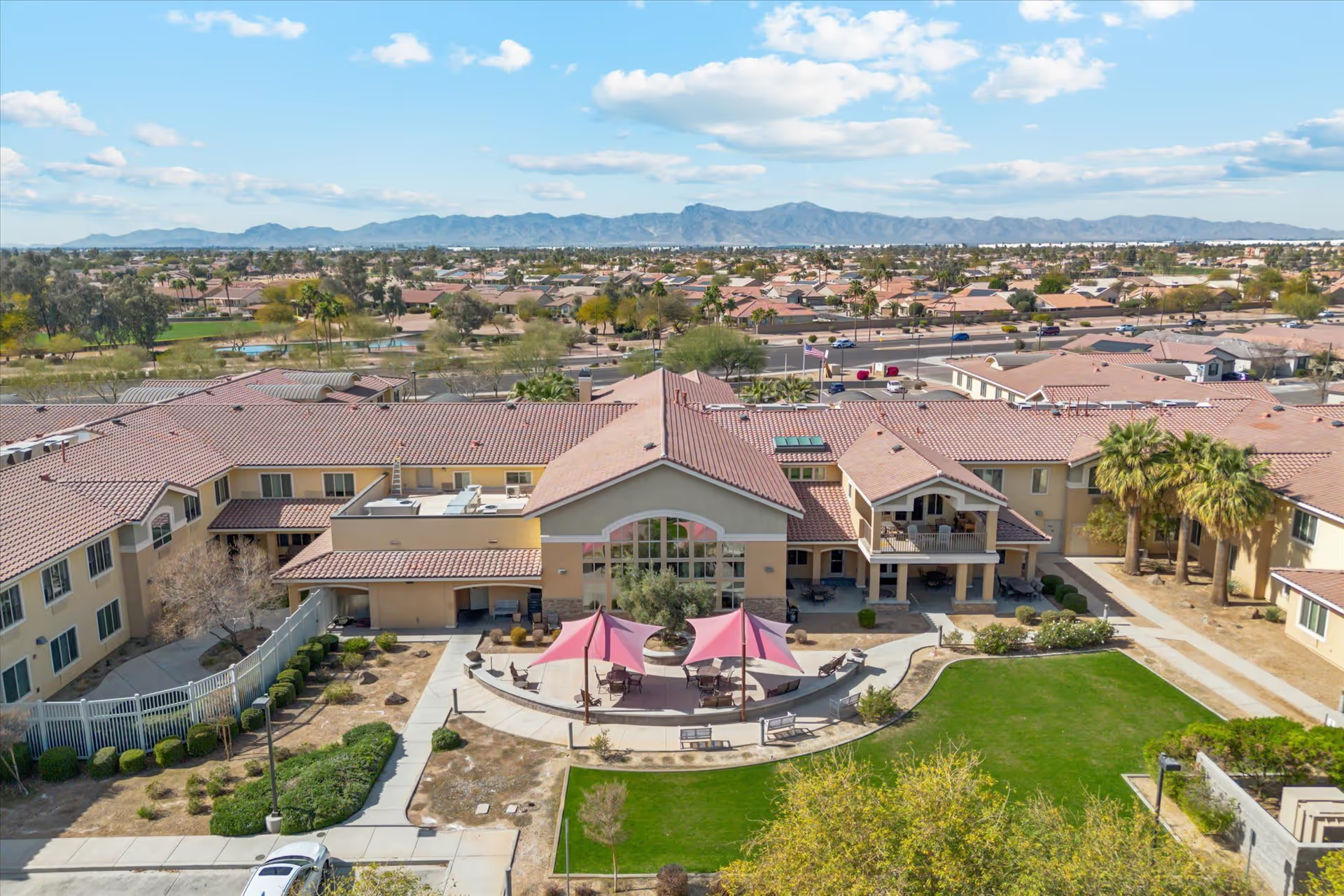
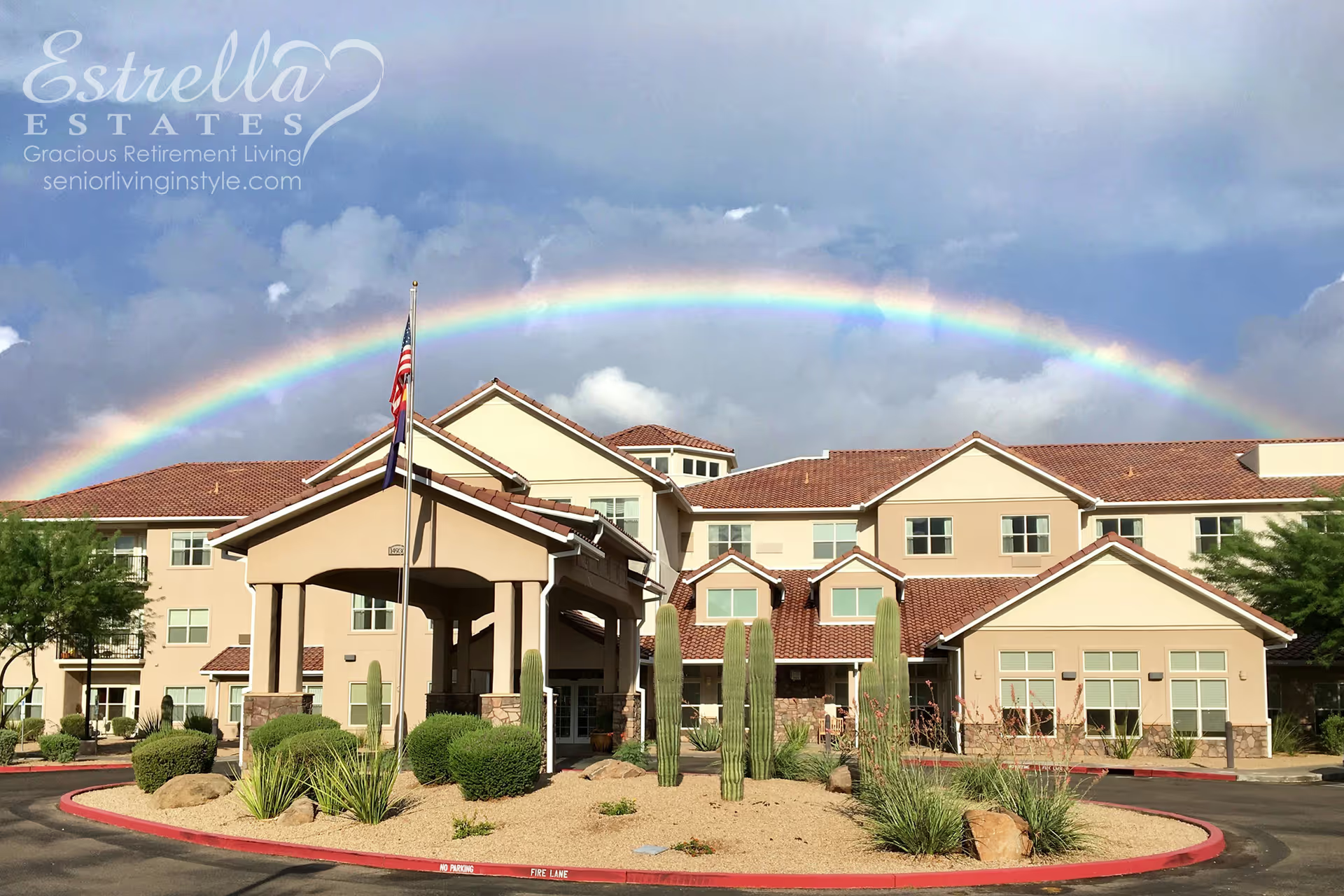
Facility condition and activities present a mixed picture. Many reviewers described a clean, well-maintained interior, active programming, and a welcoming environment; others referenced dated furnishings, worn wings, odor concerns in areas, and isolated pest-control problems. Activity offerings, therapy spaces, and social programming were often called out positively, though a few reviewers noted that advertised amenities (for example, a gym) were not always used for therapy.
Management, communication, and transitions are recurrent themes. Several families praised particular leaders and newer management for improvements, improved morale, and responsive case management. Conversely, a number of reviews stated that administration was slow to respond to concerns, that discharge planning and transportation coordination were unreliable, and that family communication about clinical changes or post-discharge equipment was sometimes deficient. There are also serious, though not universally reported, claims including allegations of medication diversion, missing personal items, and references to regulatory scrutiny; these items warrant direct inquiry during any evaluation of the facility.
Taken together, the pattern suggests a facility with significant clinical strengths—notably in therapy, wound care, and respiratory services—but with operational weaknesses that can affect day-to-day resident experience: inconsistent nursing responsiveness, medication-administration controls, communication and discharge coordination, and episodic sanitation/pest-control issues. Prospective residents and families should prioritize a focused tour and discussion of current staffing ratios (especially night coverage), medication safety protocols, property controls, infection-control and pest remediation practices, dietary accommodations, and the facility’s most recent regulatory or quality outcomes. Asking for names of point people in therapy, wound care, and case management, and requesting documentation of recent corrective actions or staffing changes, will help clarify whether positive elements are consistent and whether the operational gaps described have been effectively addressed.