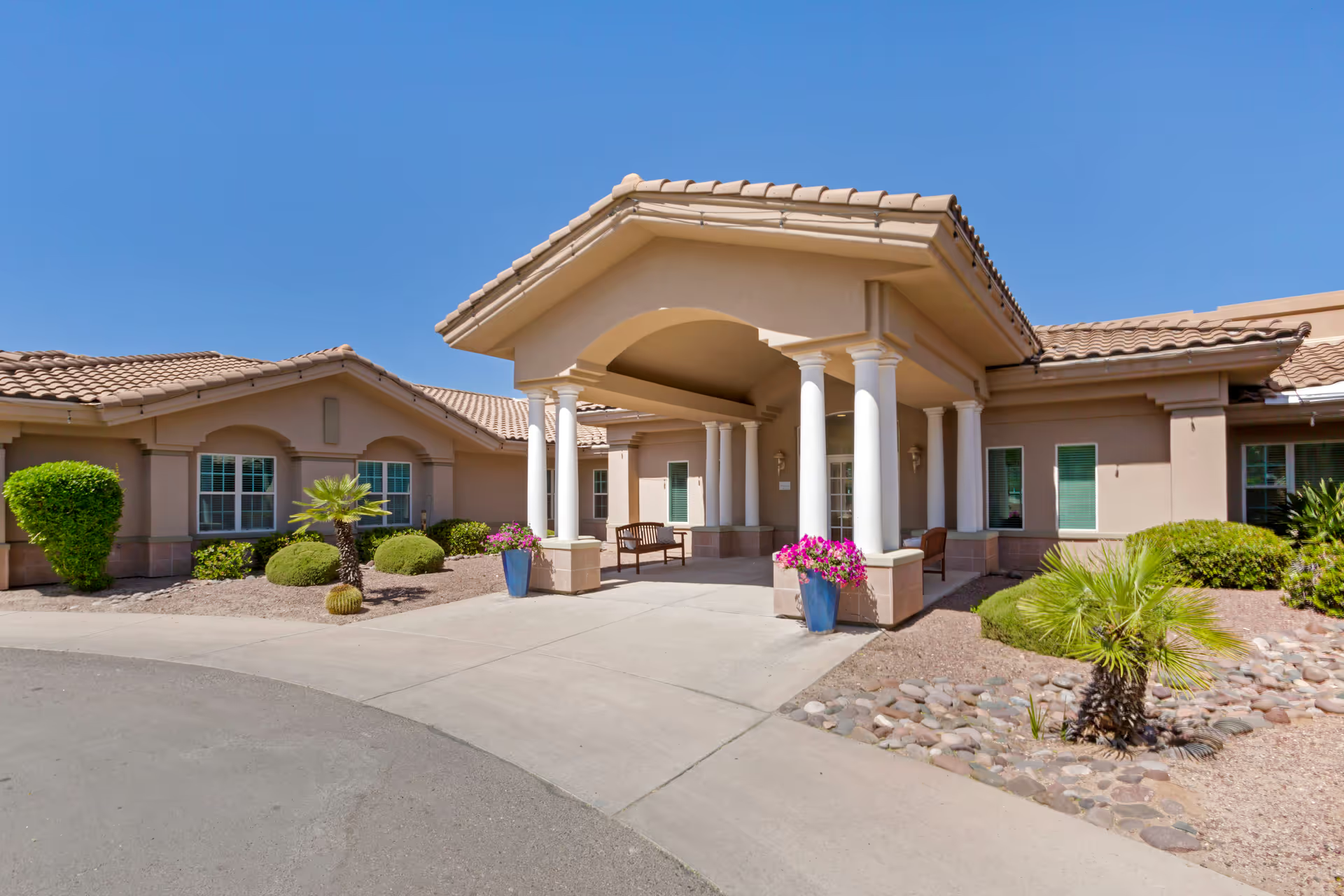
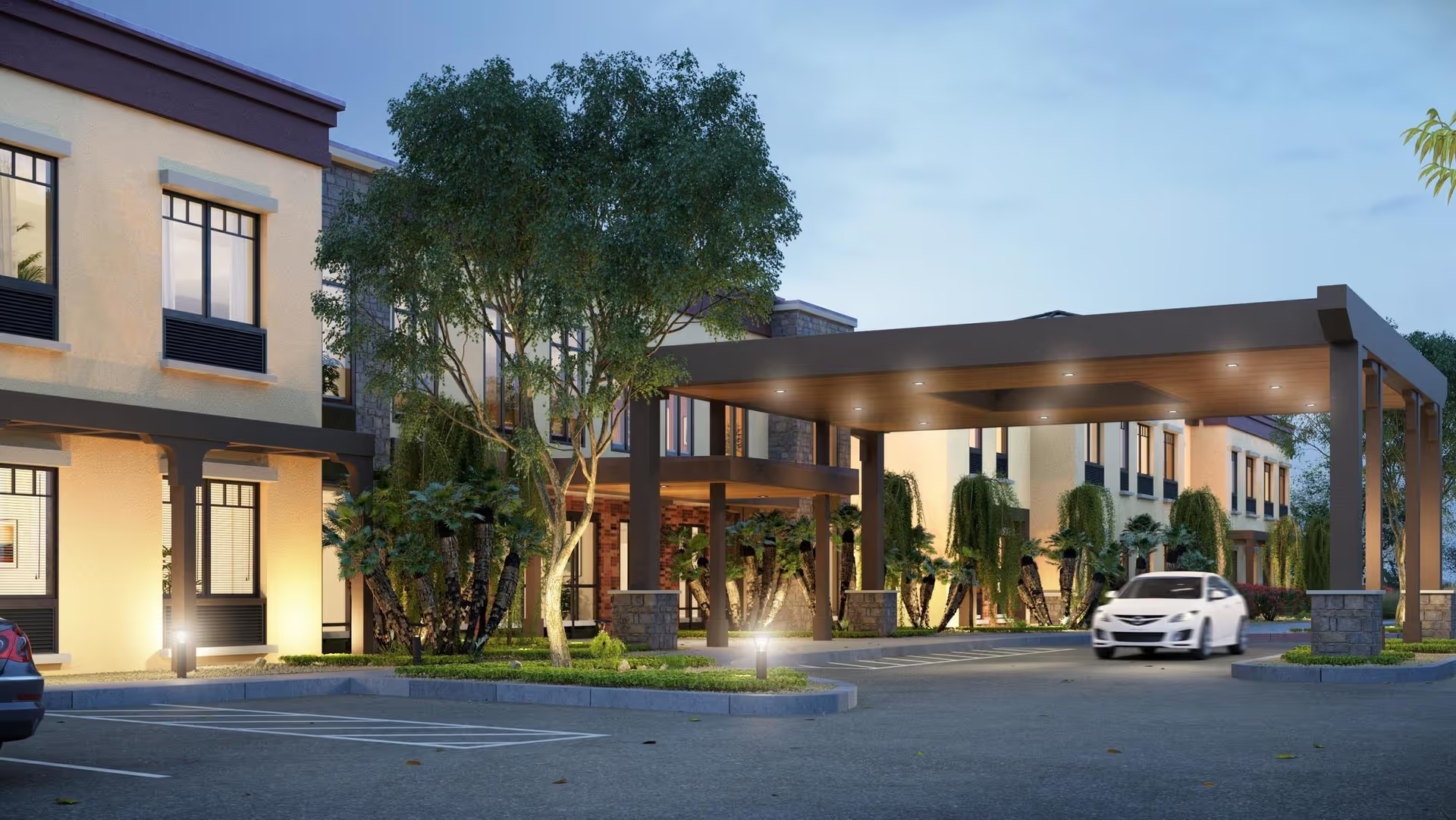
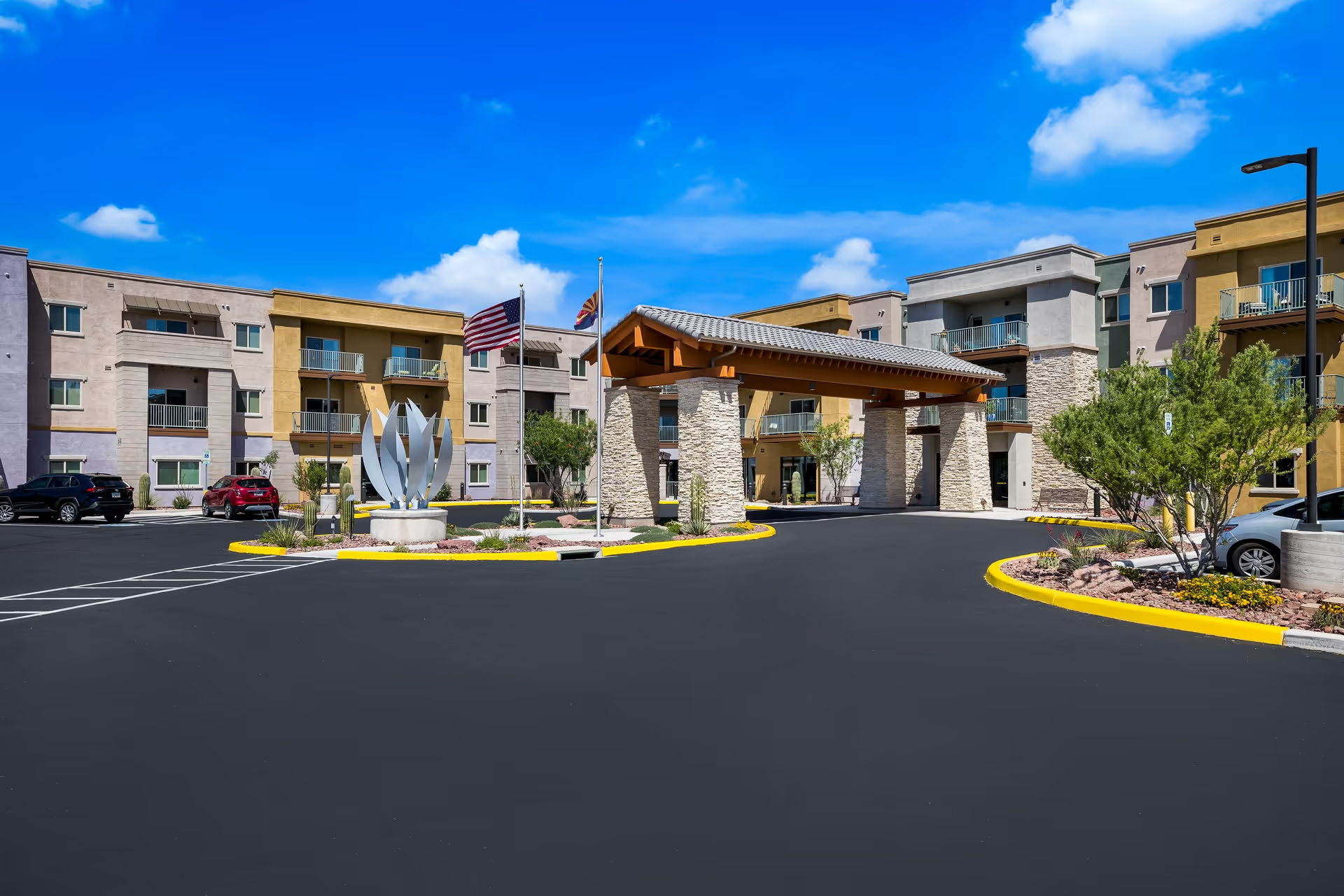
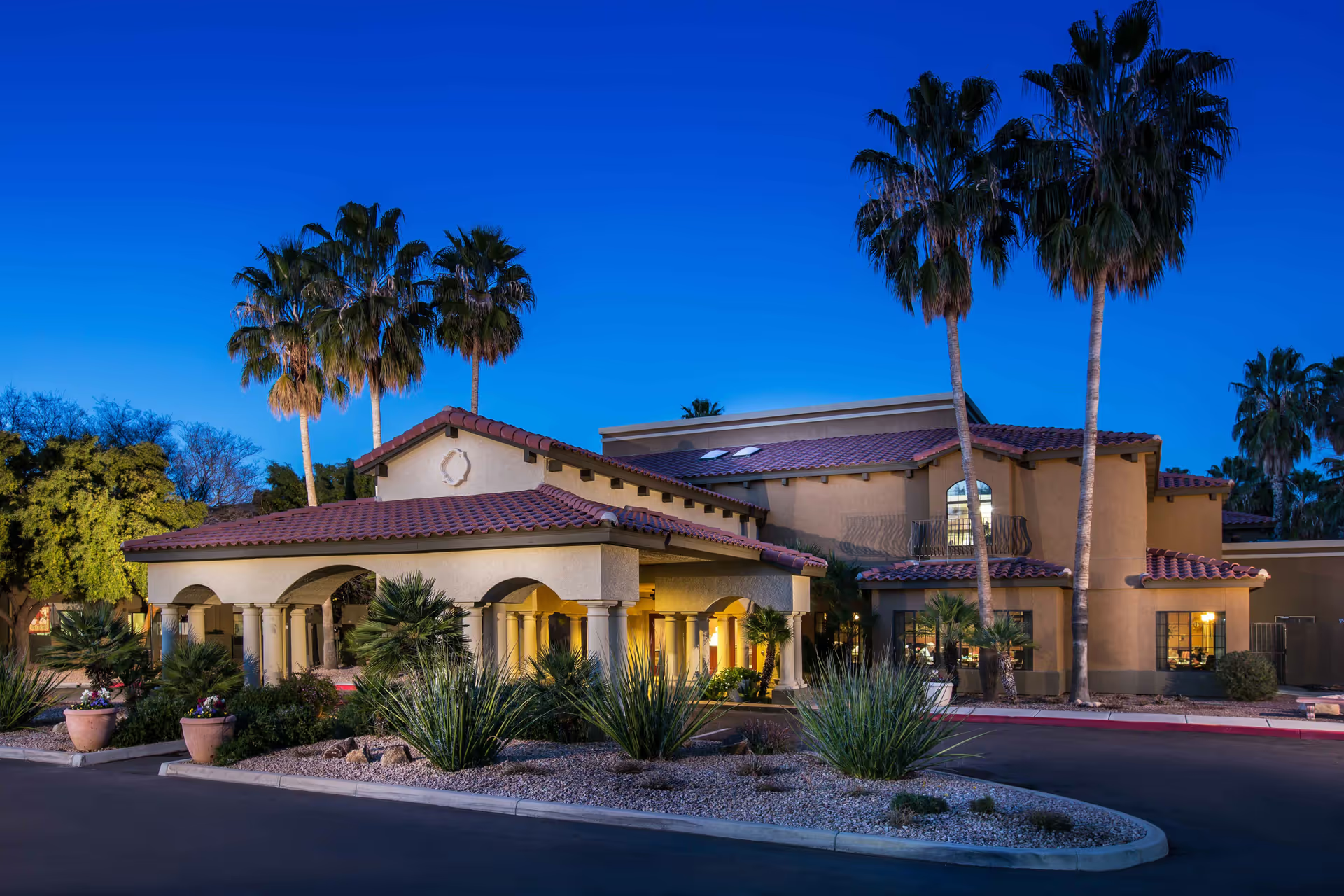
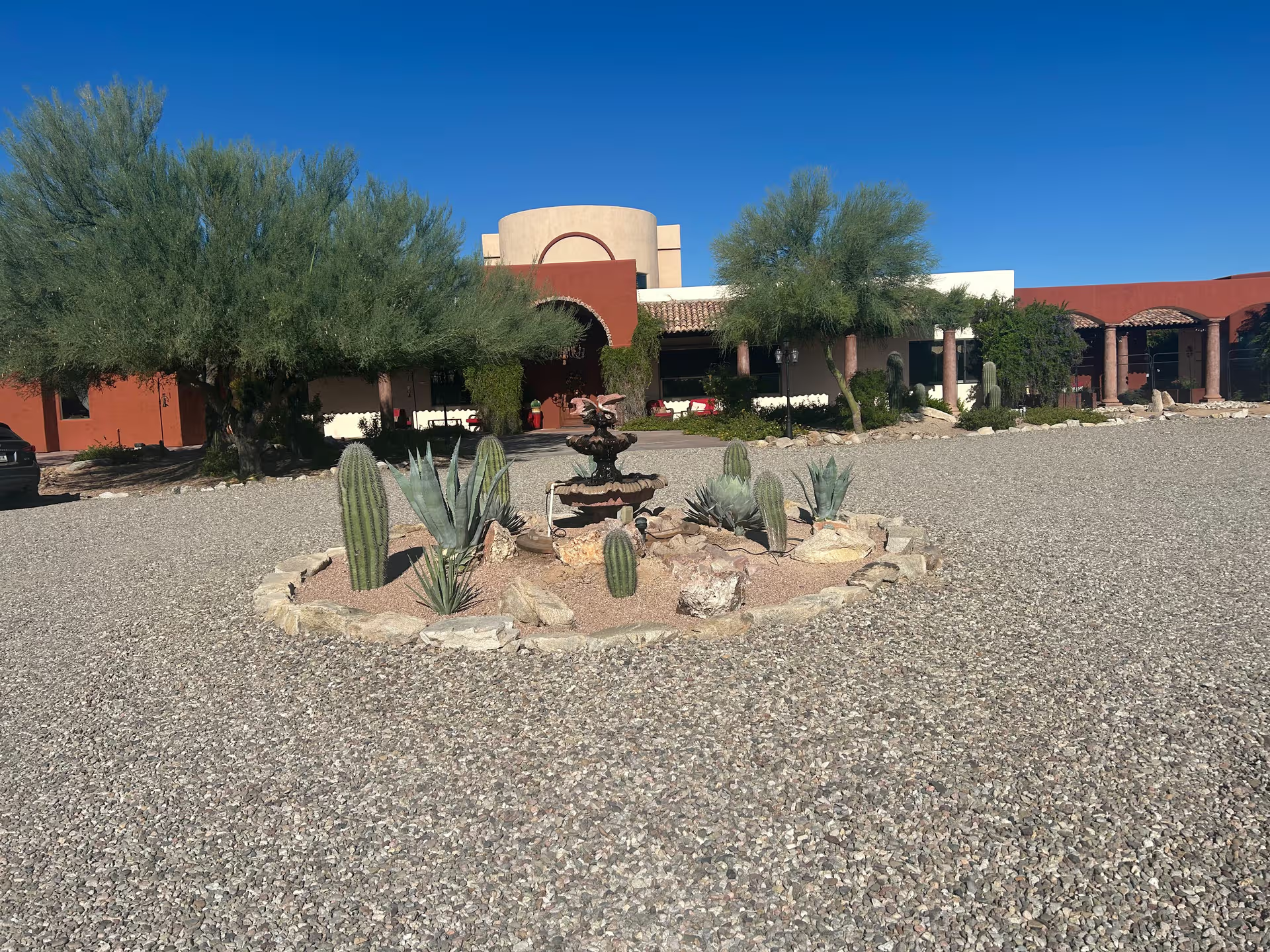
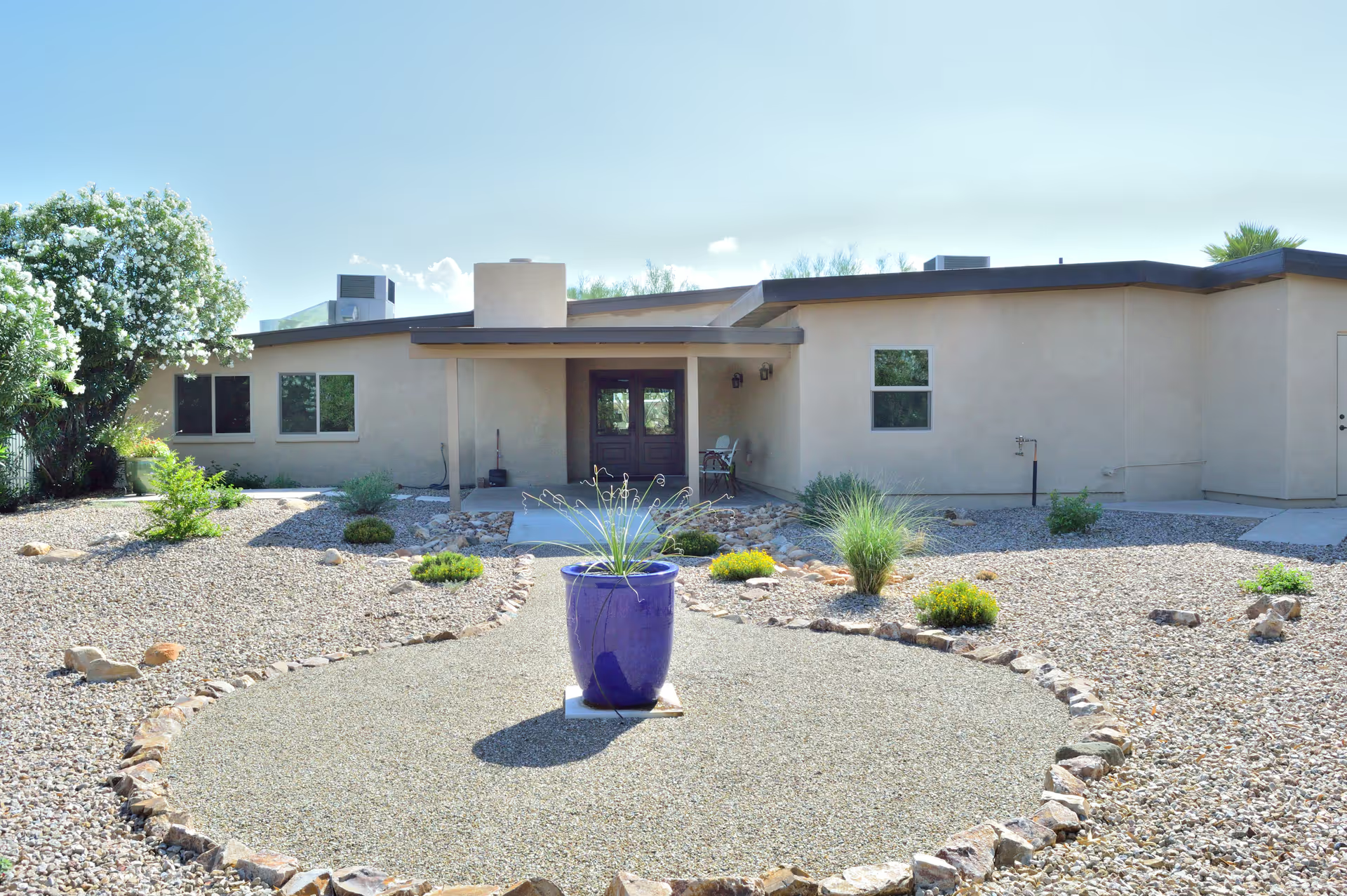
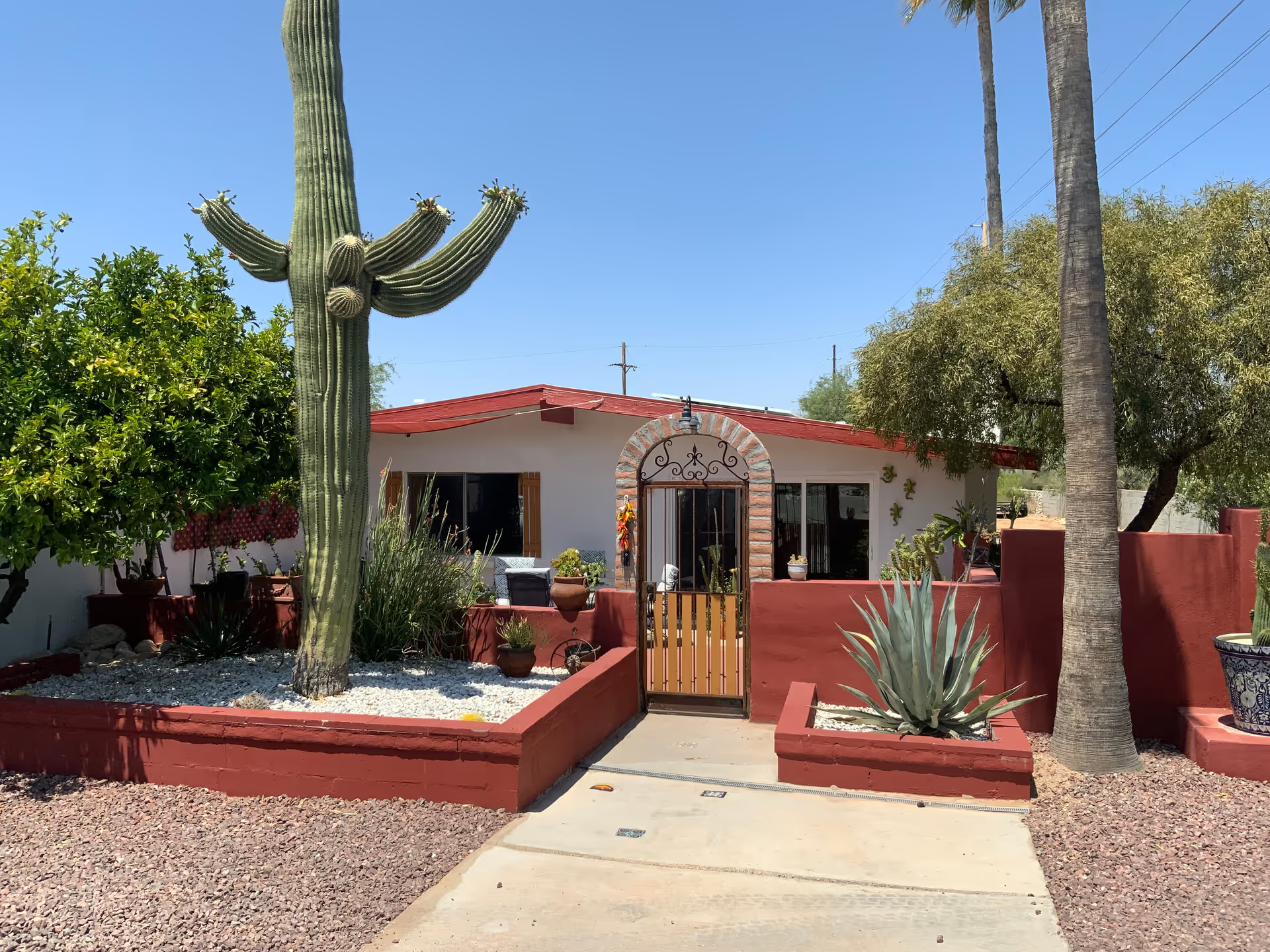
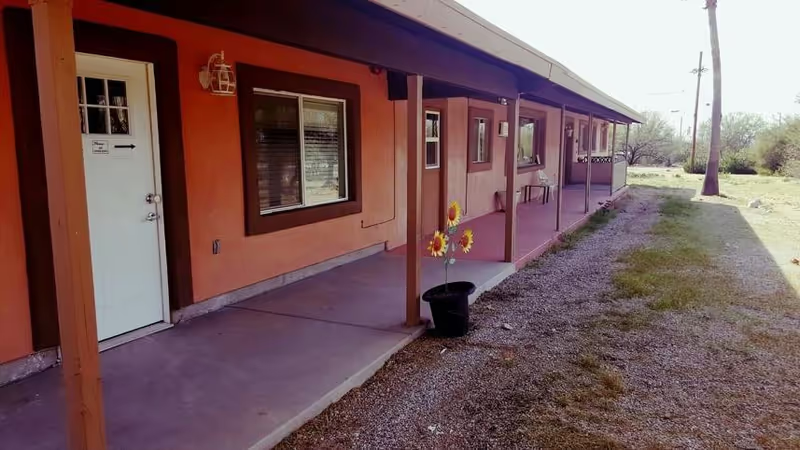
Desert Springs presents as a modern, well-appointed independent-living community with a strong emphasis on hospitality, social programming, and resident satisfaction. Review content consistently highlights attentive, compassionate staff and visible on-site management, including 24/7 availability for emergent needs. Housekeeping, linen service, and routine apartment maintenance are frequently described as efficient, and many reviewers cite a smooth move-in process and staff who make individualized accommodations during transition.
Dining is a prominent strength for the community: residents and families regularly praise talented culinary staff, daily plated meals, and accommodations for vegetarian and vegan diets. The dining program appears to be a focal point for social life, with an expansive dining room, opportunities to meet chefs, and snack stations such as self-serve ice cream and popcorn. That said, there are intermittent comments about variability in meal quality and occasional desire for more consistency; this appears to be a pattern rather than a universal experience.
Activity programming and amenities are robust. The community offers a wide, active calendar — twice-daily exercise, arts and music programs, book club, memory-enhancement classes, live entertainment, and frequent excursions. Physical amenities described include a heated pool, movie theater, gym, pool table and game rooms, library, salon, and accessible showers. These features support an engaged, social resident culture that many describe as warm, home-like, and resort-like.
From a care and clinical perspective, Desert Springs operates as an independent-living facility and does not provide on-site assisted living or dedicated memory care. Several reviewers emphasize that residents who require continuous nursing or full-time assistance will need to arrange external caregiving. This operational boundary is important for prospective residents and families to consider when evaluating long-term needs.
Operationally, reviewers indicate some variability in management and service consistency. Isolated concerns include turnover in leadership, occasional lapses in front-desk responsiveness, and uneven maintenance or housekeeping quality. Facility layout can require walking between spread-out areas, and a subset of units have limited in-unit kitchen facilities and spotty cell-phone reception; parking capacity is also described as constrained in places. These points suggest potential trade-offs between the community’s social/amenity strengths and certain logistical or infrastructure limitations.
Overall, Desert Springs appears well suited for independent, active retirees who prioritize dining, activities, and a socially engaging environment in a modern setting. Families seeking on-site nursing, memory care, or continuous clinical supervision should plan for external care arrangements. Prospective residents are advised to tour multiple unit types, ask about current leadership and maintenance workflows, verify cell-phone and parking needs for specific units, and confirm how dietary preferences and clinical transportation needs are accommodated.