Overall impression: Reviews are polarized, with many families and residents praising frontline caregivers while other accounts raise significant operational concerns. The facility appears to have a core of committed direct-care staff and activity personnel who provide meaningful day-to-day support; however, recurring issues around facility upkeep, sanitation controls, and clinical responsiveness temper those positive accounts.
Care quality and staff: Numerous comments emphasize compassionate, hardworking CNAs and activity staff who take time with residents and foster rapport. Specific caregivers were named positively, and some families describe dignified, individualized attention. At the same time, there are repeated concerns about delayed attention to personal-care needs, inconsistent clinical follow-up, and uneven nurse availability. Staffing shortages, frequent use of agency or floating staff, and instances of nurses or managers performing lower-skilled tasks were described as contributing to variability in care. Communication with families and responsiveness to emergent situations were also identified as inconsistent.
Dining and hydration: Accounts of food and dining are mixed. Some reviewers note acceptable meals and the social benefits of communal dining, while others describe interruptions to meal or hydration service and distrust of dietary-staff practices. Consistency in meal delivery and assurance of adequate fluid intake appear to be areas for verification during a tour.
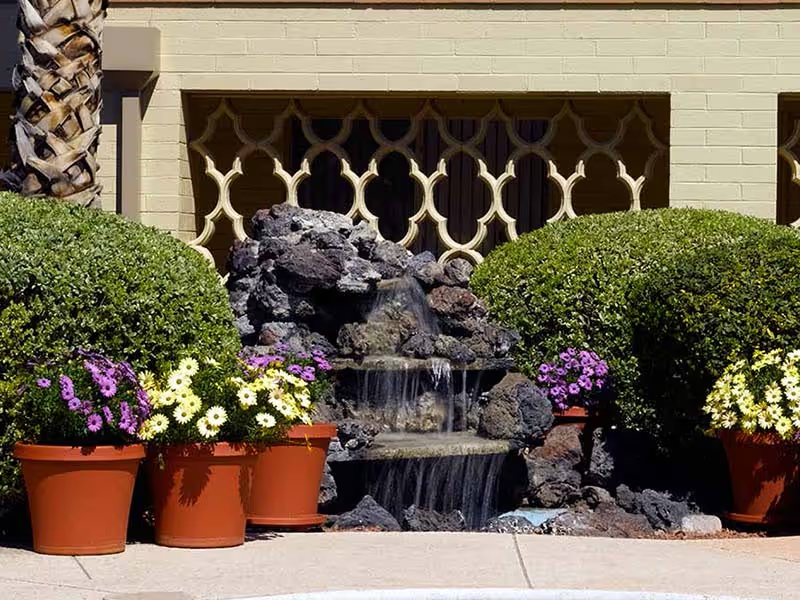
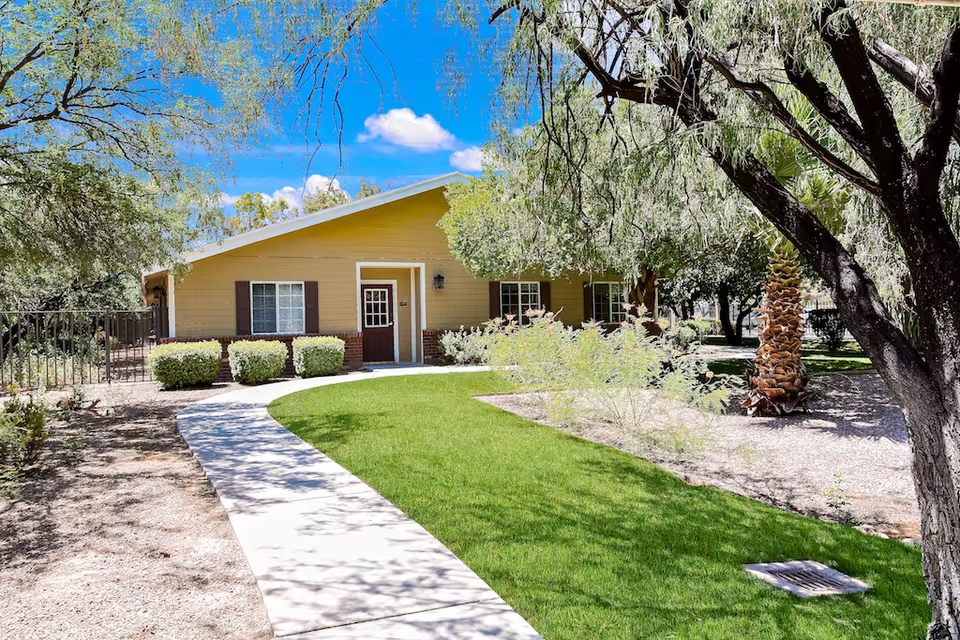
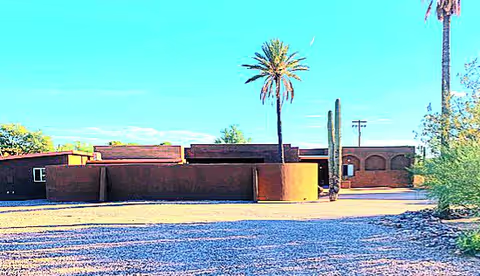
Activities and social life: The activity program receives consistent positive mentions. Reviewers describe multiple activities, courtyard access, and regular opportunities for social engagement; the dementia-care unit and recreational offerings (including outdoor space) are strengths that support resident stimulation and socialization.
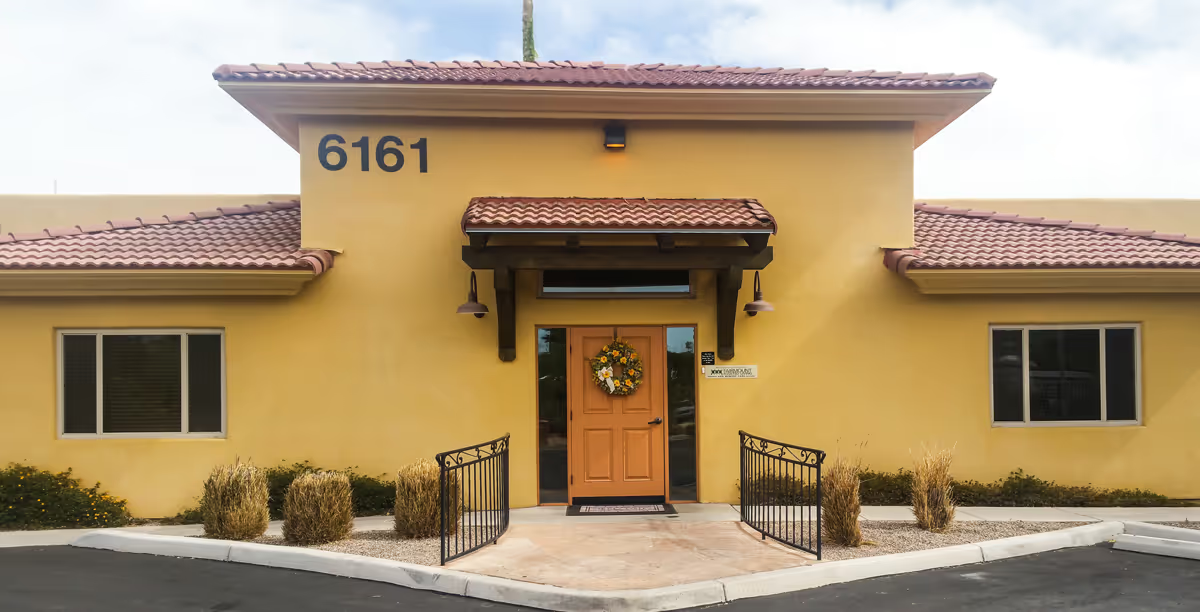
Facilities and maintenance: Significant facility-level concerns appear repeatedly. Reviewers cite pest-control issues, persistent odor concerns, mold and HVAC problems, and visible ceiling disrepair. These maintenance and sanitation control issues are described as affecting resident rooms and common areas and are a prominent reason for family unease.
Management and operations: Several comments point to management challenges, including scheduling practices, perceived favoritism, and inconsistent enforcement of policies. Chronic understaffing and administrative unresponsiveness (including unanswered phone calls) are described as operational weaknesses. Some reviewers expressed a perception that financial priorities influence decisions; others highlighted strong teamwork among long-term staff despite organizational constraints.
Notable patterns and guidance for families: The pattern is one of strong, compassionate individual caregivers operating within a facility that has operational and maintenance gaps. Prospective residents and families who value hands-on staff engagement may find the direct-care relationships rewarding, but it is important to verify facility-level controls. When evaluating this facility, consider asking about pest-control schedules and recent remediation, staffing ratios and use of agency staff, protocols for personal-care and incontinence management, clinical response and transfer policies, maintenance plans for HVAC and ceilings, and how family concerns are documented and escalated. A focused tour of the specific unit, including resident rooms, dining, activity spaces, and recent maintenance records, will help clarify whether the facility’s strengths align with a prospective resident’s needs.